What is the Difference Between Aesthetic Dentistry and Aesthetic Dentistry?
Prosthetic, surgical, and restorative interventions carried out in the oral and jaw area not only repair individuals’ biological chewing functions, but also reconstruct the visual harmony that directly affects facial symmetry and social communication. In the terminology of dentistry, the terms “Aesthetic Dentistry” and “Aesthetic Dentistry” are often used interchangeably, but they actually represent two different medical disciplines that overlap yet differ in focus and scope of practice. On one hand, clinical procedures at the micro level that focus on solving local problems in the structure of the tooth enamel, dentin, or periodontal (gum) tissues are included; on the other hand, there is a broader design philosophy that examines the macro-level visual harmony established by the teeth, gums, lip contour, and facial skeleton.
In clinical approaches today, addressing discoloration of teeth or repairing minor shape irregularities may not independently ensure a satisfying overall facial harmony. Even if the whiteness and shape of the teeth are locally successful in terms of restoration, they can still fall short in the complete context if they do not establish a mathematical parallelism with the overall facial contours during speech or when the lips part. Here lies the subtle medical distinction between these two concepts; it stems from the difference between local restoration and overall design. In this context, which specific anatomical areas each discipline intervenes in, how the medical parameters used during the planning phase differ, and how these two fields are integrated for the benefit of the patient in Avrupadent clinical processes are examined in detail, based on objective and scientific data.
What Medical and Visual Criteria Does Aesthetic Dentistry Concept Include?
Smile aesthetics (often referred to as smile design) is a concept that analyzes the overall framework of the human face and the relationship between the dynamic structures within this framework. This concept focuses not only on how the individual teeth appear when viewed in isolation but also on how they harmonize with the rest of the face when lips are apart or during the mechanics of speech. In human anatomy, the face is divided into specific reference points using horizontal and vertical lines. Anatomical points such as the pupillary line passing through the pupils, the base of the nose, the junctions of the lips (commissures), and the tip of the chin form the fundamental mathematical route of smile aesthetics. Any dental restoration performed without considering these reference points, even if it appears perfect individually, will create an asymmetrical or foreign perception when integrated into the overall facial structure.
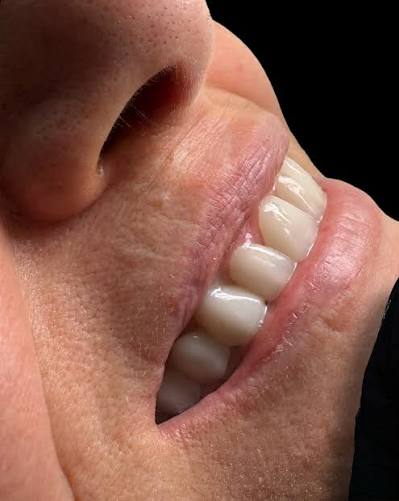
Another major factor included in this concept is the “buccal corridor,” which refers to the dark spaces between the inner cheeks and the outer surfaces of the back teeth when a person smiles. The presence of very wide buccal corridors gives the impression of a narrow and inadequate smile, while their absence creates a natural appearance that gives the sensation of teeth being prosthetic. Smile aesthetics optimizes the ratio of these dark areas according to the width of the patient’s jaw. Additionally, the parallelism formed by the curvature of the upper lip and the incisal edges of the upper front teeth (smile arc) as well as the visibility level of the gums (zenith points) are also integral parts of this comprehensive medical planning. The practitioner intervenes not only in the teeth but also in the relationship between the teeth and the face, taking into account the patient’s age, gender characteristics, and even facial expressions.
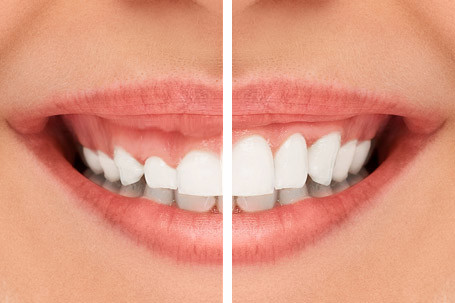
The planning of aesthetic smile design might include not only dentists but also periodontology specialists and, in some cases, dermatologists or medical aesthetic physicians. This is because issues like lip asymmetries or “Gummy Smile” (excessive gum visibility when smiling) cannot solely be addressed by elongating the teeth. In such cases, medical muscle relaxant applications on the lip muscles (such as botulinum toxin) or procedures to support the lip contour are valued under the concept of holistic smile aesthetics. Therefore, this field is conceptualized as a sub-branch of macro facial aesthetics rather than micro dentistry.
What Clinical Procedures Does the Discipline of Aesthetic Dentistry Include?
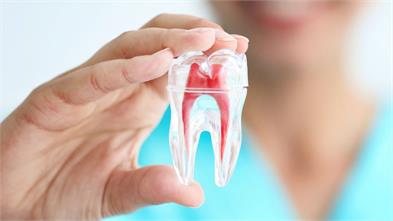
Aesthetic Dentistry is a field that encompasses local restorative interventions performed on dental tissues alongside the advancements in material science and biomimetic (nature-mimicking) approaches. The essential working principle of this field is to repair visual deformities of the tooth while preserving the biological health of the oral tissues within the anatomical boundaries of the tooth. Issues such as a fracture due to trauma occurring in a single tooth, internal discoloration following root canal treatment, or structural stains on the enamel surface fall directly within the intervention area of this discipline. Here, the focal point is not the entire face but rather the problematic tooth itself and its structural relationship with the adjacent surrounding tissues.
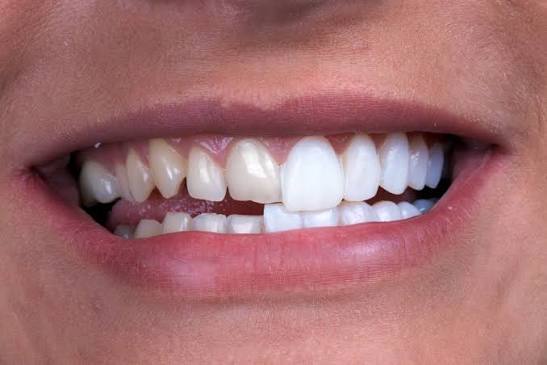
Composite bonding applications rank among the primary clinical procedures. This method involves adding medical resin materials to the tooth surface without any alteration to the tooth structure, and hardening them with special light devices to give the tooth an anatomical form. It is one of the most commonly used methods in preventive aesthetic dentistry, especially for closing gaps (diastema) between the front two teeth or repairing slightly worn incisal edges. Additionally, porcelain laminates (veneers) are indispensable tools in this discipline. The process of removing an average thin layer of about 0.5 millimeters from the front surface of the tooth that faces the lips and replacing it with glass ceramics is a micro-aesthetic feature that restores the optical translucency of the tooth.
This discipline encompasses procedures that involve not only white tissues (teeth) but also pink tissues (gum). Gum excesses that cause one tooth to appear shorter than another are trimmed millimetrically using laser or electrocautery devices and aligned (gingivectomy). Bleaching procedures are also among the fundamental clinical procedures in this area, which employs chemical agents to oxidize the organic pigments in the dentin layer of the tooth, achieving a lighter shade. All of these procedures are material-focused dental restorations that address anatomical issues in the local area.
What Are the Fundamental Structural and Application Differences Between the Two Concepts?
The clearest distinction between these two concepts in clinical practice is where the physician focuses the visual field when starting to treat. When a patient presents to the clinic with a slight anterior fracture and the only plan is to repair that tooth similarly to the neighboring tooth with a composite filling, the procedure is entirely an application of aesthetic dentistry. Here, the dentist does not analyze the midline of the face, the parallelism of the pupils, or the buccal corridors; they merely restore the problematic tooth to its anatomical norms. However, if the same patient comes in complaining about the shape of all anterior teeth, the visibility of the gums while smiling, and the color of the teeth, the process shifts from a simple local restoration to a macro design phase.
The table below clearly outlines how the two concepts differ in terms of clinical approach, analysis process, and focal points:
| Comparison Criterion | Aesthetic Dentistry | Smile Aesthetics (Design) |
|---|---|---|
| Clinical Focus Point | The enamel of the tooth, dentin structure, shape, and local gum boundary. | Overall tooth arrangement, lip posture, facial symmetry, and facial expression mechanics. |
| Analysis and Diagnosis Process | Typically consists of an intraoral examination and regional radiological (X-ray) investigation. | Intraoral scans, facial photographs, video analyses, and digital CAD measurements. |
| Multidisciplinary Participation | Usually managed only by a restorative specialist or a prosthodontist. | May require collaboration with prosthetics, periodontology, orthodontics, and sometimes medical aesthetics (dermatology). |
| Primary Objective | Repairing local deformations with biocompatible materials to preserve the integrity of the entire tooth. | Creating a brand new appearance in accordance with the person’s characteristic features and rules of the gold ratio. |
In Which Clinical Situations Is It Planned to Use Only Local Dental Restorations Instead of Aesthetic Gums?
Not every aesthetic complaint necessitates a medical intervention extensive enough to redesign the entire face. The philosophy of preventive and minimally invasive dentistry (least intervention) stipulates that healthy tissues should not undergo unnecessary procedures. For instance, an individual’s jaw closure relationship (occlusion) in their twenties can be extremely healthy, with symmetrical gums and a tooth form perfectly aligned with the facial oval. However, this individual may be concerned about the overall yellowing of their teeth due to tea and coffee consumption. In this case, performing a digital smile design for the patient and suggesting veneers or crowns is not an appropriate clinical approach. The patient’s expectations can be met medically through an office-type teeth whitening (bleaching) procedure.
Similarly, if only a central (anterior) tooth cusp is fractured due to trauma, the dentist’s focus will be on repairing that fractured piece to mimic the original enamel’s light permeability with composite resin. All other teeth will retain their existing forms. If there is no dysfunction in the individual’s overall chewing mechanics, including them in macro-level design programs will create unnecessary medical burden. Such cases can be classified as clinical processes where local interventions and material knowledge are prioritized, providing point prosthetic solutions.
Why is a Multidisciplinary Approach Important in Both Treatment Processes?
Regional or comprehensive aesthetic applications can never be considered independently as isolated islands. The oral flora, bone infrastructure, gum health, and chewing muscles are in constant interaction with each other. For example, let’s consider a patient who complains about dark gaps between teeth and requests porcelain veneers (lamina). During the doctor’s examination, it may be determined that the main cause of these gaps is bone loss due to active gum disease (periodontitis) and the shifting of teeth. In this case, a gum specialist (periodontist) must step in; any porcelain application without controlling the infection and stabilizing the teeth’s mobility (looseness) would lack medical validity.
Similarly, attempting to correct the aesthetic concerns due to the prominence of the anterior teeth in a patient by merely cutting the teeth and placing zirconium crowns can be a flawed clinical approach, as it may damage the nerve (pulp) layer of the teeth. In this case, by involving an orthodontic specialist in the process, the teeth are first repositioned to their right axes using short-term transparent aligner treatments. After the orthodontic alignment is completed, the aesthetic specialist finishes the restoration with minimal reduction. This communication and coordination between the specialties respects the integrity of the tissues involved and ensures that the results remain intact in the mouth for years.
How Do Pink Aesthetics and White Aesthetics Combine These Two Areas?
Whether a local composite filling is being made or a design that covers the entire arch is being created, the visual perception in the mouth area is always shaped over the contrast created by the two opposing colors (tooth enamel and gum). In dentistry, “white aesthetics” represents the restorative aspect that includes the light reflection properties, surface purity, and color tones of porcelains, zirconiums, or composites. However, how organic these white structures appear depends on the state of the “pink aesthetics” that envelops them like a frame.
In this situation, which can be likened to a table and a framework, the perfection of the image (the external) cannot be perceived on a table where the framework is tilted or asymmetric. The inflammation of the gums, the color turning to purple, or the peaks of the gums of two neighboring teeth being at different levels obscure the entire contribution of white aesthetics. Therefore, the doctors ensure that both areas work in a biological and visual balance by making millimeter-level adjustments on pink tissue using laser technologies before transitioning to the permanent measurement phase.
How Do Facial Proportions and Muscle Movements Play a Role in Smile Design?
A person’s facial structure is not a static table; it is a biomechanical system that continuously changes while speaking, smiling, and chewing. The most important element that differentiates the concept of smile design from a simple dental veneer procedure is the centering of this moving mechanism. The intensity of the work of the mimic muscles, the stretching capacity of the upper lip, and the curved form of the lower lip impose mathematical limits on the dentist in scaling the teeth.
In a resting state (with the lips slightly parted), the upper front teeth should appear about 2 to 3 millimeters, which is considered a sign of youth and vitality in general anatomy. As one ages, the effects of gravity on facial muscles and tissue sagging cause this appearance to diminish, and the lower teeth become more prominent. When designing a smile, the physician can support the lip contour by slightly extending the incisal edges of the upper front teeth, giving a fuller expression to the lower third of the face. However, during this extension process, it is clinically necessary to maintain a medical limit that does not hit the lower lip when the patient produces labiodental sounds like ‘F’ and ‘V’. The visual appearance, facial proportions, and muscle functions serve as guides for the ceramic material to be applied for each millimeter.
How Do Digital Technologies Define the Boundaries Between Two Concepts?
In modern clinical processes, digital transformation has turned the practitioner’s predictions and estimations into a mathematically and measurable data science. Intraoral scanners, used instead of classic silicone impression materials, transfer a millimeter-accurate 3D copy of the patient’s existing dental layout to the computer screen within seconds. If a local procedure is to be performed, the physician can virtually complete the missing parts of the problematic tooth based on this scan and create a symmetrical form relative to the adjacent tooth (CAD), directing it to the milling devices (CAM).
However, if the process is to evolve into a comprehensive design, the use of digital technologies is deepened. High-definition facial photographs and videos taken in the hospital’s clinical studio are combined in specialized software with intraoral scans. Horizontal and vertical reference lines are drawn on the facial image. The proportions between the hospital’s pupils, nostrils, and chin are calculated, and the contours of the new teeth to be made are virtually placed according to these lines. The transfer of this virtual design to the patient’s mouth without performing a tooth cutting procedure is the greatest convenience that digital technologies provide to the patient. The patient can test their new appearance in front of a mirror without any medical procedure having started yet.
How Are These Two Disciplines Integrated in Avrupadent Clinical Processes?
In institutional clinical operations, regardless of how minor an aesthetic complaint may be, scanning the general oral and jaw system as a whole is a medical standard. In Avrupadent processes, when a patient comes in for a small chipping or discoloration in their front tooth, first radiological examinations and gum measurements (probing) are performed to confirm the health of the biological infrastructure. If the issue truly only concerns a single tooth, the physician applies the aesthetic dentistry protocol by planning a specific porcelain or resin restoration for that tooth based on the principle of minimal intervention.
However, if it is determined that in the evaluations made, the occlusal (bite) plane is deviated, the proportions of the teeth do not match the face, and the patient is also expecting a general change, the process will automatically evolve into the planning of smile aesthetics. At this stage, photo captures, digital scans, and, if necessary, jaw joint analyses come into play. The discipline to be applied will be determined through shared decisions based on a scientifically grounded medical map, in accordance with the patient’s clinical needs and anatomical realities. This integrated approach allows for the preservation of tissue integrity as well as meeting aesthetic expectations within medical standards.
What are the Frequently Asked Questions?
1. Is smile aesthetics the same as aesthetic dentistry?
They are not the same; aesthetic dentistry encompasses local medical interventions performed on the tooth and gum, whereas smile aesthetics is a comprehensive design concept involving the harmonious proportion of these interventions with the face, lips, and facial expressions.
2. In which cases are aesthetic dentistry applications sufficient?
In specific cases where there are no problems with facial symmetry, lip curves, or general bite relations; local restorations are clinically sufficient for correcting only a few damaged, spaced-out, or discolored teeth.
3. Are procedures like lip fillers included in the smile design process?
Since the appearance of the lips directly affects the aesthetics of the teeth, procedures performed under the supervision of medical aesthetic or dermatology specialists can be considered part of the overall design in cases of asymmetric or very thin lips.
4. Is aesthetic dentistry only applied to front teeth?
Although the front teeth (incisors and canine teeth) along the smile line are generally the focus of aesthetic concerns, procedures such as replacing amalgam fillings in the back with white porcelain or composite materials are also an integral part of this discipline.
5. How long does a smile design typically take?
Depending on the scope of the planned application (gum contouring, zirconium or laminate construction, etc.), it may vary, but digital design, clinical trials, and laboratory production are typically completed within a period of 1 to 3 weeks.
6. Does pink aesthetics encompass both concepts?
Yes, the health and symmetry of the gums are fundamental requirements for both areas. Whether a local coating is performed or the entire jaw is designed, the gum boundaries (zenith points) are medically aligned using lasers or similar devices.
7. Is zirconium coating part of aesthetic dentistry or smile design?
Zirconium coating is a material application; when applied locally to a single tooth, it pertains to aesthetic dentistry practice, while when integrated into the entire front region considering facial proportions, it becomes a structural element of smile design.
8. What is the importance of facial contouring in smile aesthetics?
The shape of the porcelain teeth to be made should guide whether the cutting edges are angled or rounded, whether they are oval, square, long, or triangular, ensuring the design is anatomically integrated with the person.
9. How do jaw joint problems affect aesthetic procedures?
If there are issues in the jaw joint (TMJ) such as disk displacement or muscle spasms, these joint problems are first controlled to prevent uneven loads on the new porcelain, and the occlusion balance is ensured.
10. Are digital scans used in both disciplines?
Yes, intraoral optical scanners are used as the primary measurement tool in modern clinical workflows both for taking measurements for local fillings or crowns and for providing data to extensive design software.
11. Is the care of aesthetic restorations different from normal teeth?
Although the materials used in restorations are resistant to wear, the neck areas where they merge with the gums are prone to plaque accumulation; therefore, in addition to regular brushing, the use of interdental brushes and dental floss is a clinical necessity.
12. Which age groups can benefit from these applications?
Except for young individuals (typically under 18) whose skeletal jaw development and gum maturation are ongoing, all adult age groups whose general systemic health and gum stability are appropriate can be treated under medical standards.
13. Is teeth whitening considered a standalone aesthetic procedure?
Teeth whitening (bleaching) is a local chemical process that removes organic pigments from the enamel and dentin tissues of the teeth; since it does not interfere with proportions or shape alterations, it cannot be classified solely as a macro design.
14. Where do orthodontic treatments fit into these concepts?
In cases where there is excessive misalignment or positional defects in the teeth, orthodontic alignment (braces/trays) is a supporting branch that prevents the removal of excessive tissue from the tooth in order to prepare the foundation for aesthetic restorations.
15. How is process integration ensured in European dental standards?
After analyzing the patient’s complaints through digital imaging and tomography, a personalized treatment plan that respects biological tissues and is aesthetically balanced is created through the joint consultations of periodontists, prosthodontists, and orthodontists if necessary.