What Aesthetic Advantages Do Zirconium Crowns Offer?
The deformities in the anatomy of the mouth and jaw, changes in color or structural material losses have gained a new dimension with advancements in material science through medical methods. In past years, chromium-cobalt or nickel alloys were commonly preferred in dental applications to enhance the resistance of restorations. However, the porcelain applied over these metals created a dull, lifeless, and opaque appearance as they blocked light. Nowadays, the steel frameworks are replaced by zirconium, a naturally occurring white element that allows light to pass and is also quite hard. The integration of zirconium into dental practice has opened the door to meeting restorative expectations in a visually and biologically harmonious manner.
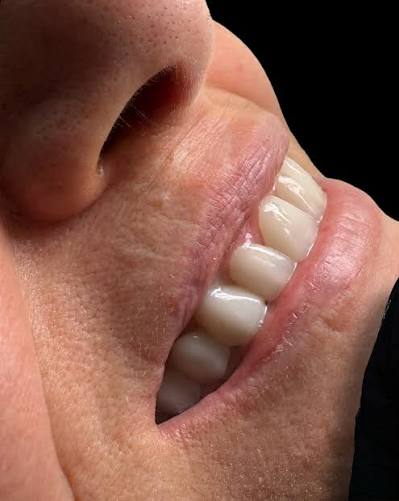
For a tooth not to look like an artificial addition, it must work in harmony with the surrounding natural tissues optically. As emphasized in Europadent’s process management, the thickness of each individual’s gum, the color layers of their teeth, and their facial skeleton possess unique characteristics. Zirconium blocks provide a technological infrastructure that allows virtual designs prepared in a digital environment to be precisely milled into physical objects. Both the light reflection values and the non-allergic contact with the tissue form the basis of this material’s contribution to visual outcomes. In this comprehensive guide, the optical structure of zirconium, its interaction with tissue, its color masking ability, and the phases of clinical planning are examined with objective medical data.
Why is the Light Transmissibility of Zirconium Material Important?
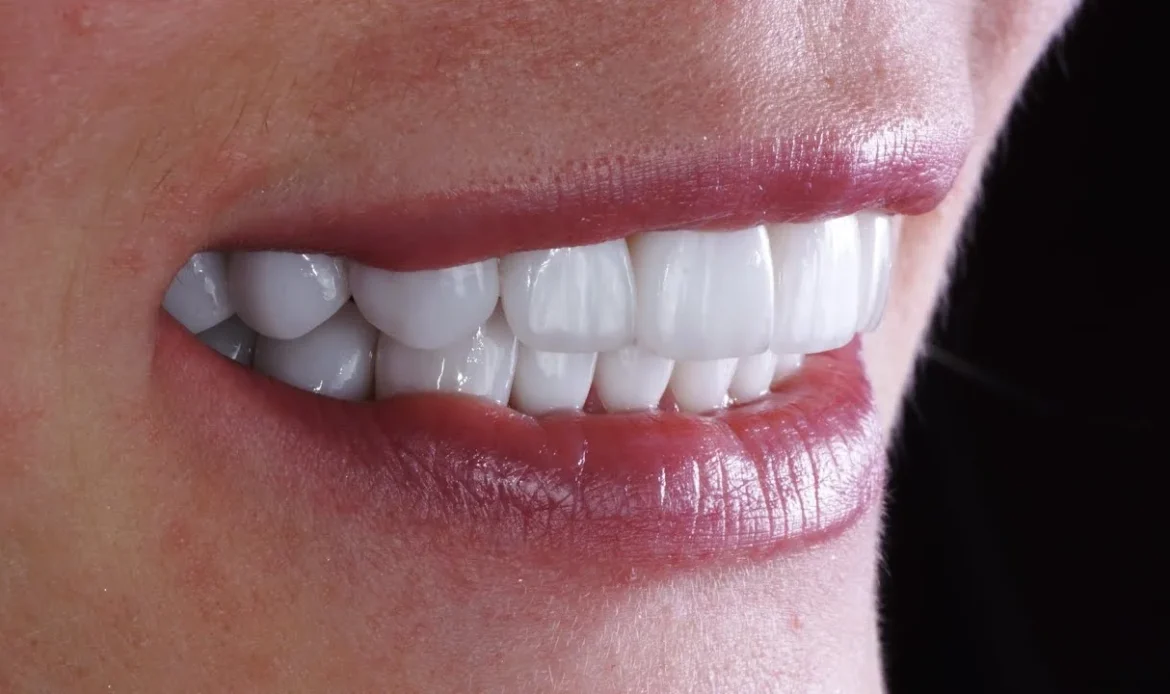
The most important physical property that ensures the natural and vibrant appearance of the dental crown is that it does not merely reflect the light that falls on it like a mirror; it also absorbs part of the light and transmits it to the inner tissues. This optical property, referred to as translucency in the medical literature, allows the teeth to have three-dimensional depth. Because zirconium dioxide crystals possess a transparent structure that can absorb and reflect light to a certain degree, they have the ability to replicate the organic depth of the tooth when combined with the porcelain applied to them.
If a restoration material does not transmit any light (if it is opaque), that tooth will be perceived as a dull and lifeless object under natural light or artificial lights coming from different angles. Zirconium is a material whose light permeability can be optimized by adjusting the crystal phases within it. The clinician can choose high light permeability (high-translucent) zirconium blocks according to the existing teeth of the patient and their expectations, allowing them to comfortably create the desired illusion of a transparent incisal edge on the anterior teeth. This adjustability of light permeability provides medical support for restorations to appear as a personal organ rather than a prosthesis within the mouth.
What is the Difference in Color Reflection Between Metal Framework Crowns and Zirconium?
In traditional crown (veneering) systems, a gray or silver-colored metal framework was cast under the porcelain to withstand chewing forces. This metal framework created a barrier that completely prevented the passage of light to the inner parts of the tooth. The inability to let light pass would cause the veneer to be perceived as dull (opaque) and bulked from the outside. Additionally, to mask the dark color of the metal from the outside, very thick covering paints had to be applied, which increased the artificiality of the tooth.
In zirconium restorations, the base material itself has a white and crystalline tone. Since there is no gray metal in the underlying layer, the technician does not have to use opaque colors while working with porcelain. The transparent glass ceramic layers worked over the white base reveal the tooth’s own natural brightness (value) value. This situation facilitates obtaining a clear optical appearance, especially in flash photographs or under sunlight, overcoming the matte, blackish reflection typically shown by metal-supported teeth.
| Visual Criteria | Metal Supported Porcelains | Zirconium Supported Porcelains |
|---|---|---|
| Light Transmittance | There is no light transmittance due to the metal barrier, providing an opaque reflection. | Thanks to the white crystalline base, it transmits light to the dentin layer, appearing lively. |
| Base Color | It has a gray, silver, or blackish metallic alloy color. | It is available in white/cream tones that can be chosen to match the tooth’s dentin color. |
| Prosthesis Perception | Due to the contrast created with natural enamel, the artificiality feeling is pronounced. | The boundary between other organic teeth disappears, creating a natural profile. |
How to Prevent Dark Colored Lines at the Gum Margin with Zirconium?
One of the most common visual problems faced by individuals who have used metal-supported coatings for many years is the formation of purple, gray, or blackish streaks in the area where the gum tissue meets porcelain (the collar area). The main reason for these discolorations is that the oral fluids interact with the metal alloy (especially saliva) over time, leading to corrosion (oxidation) and the seepage of metal ions into the gum tissue. Additionally, as the gum tissue experiences physiological recession over the years, the underlying dark metal boundary can become visibly apparent and shadow the pink color.
Zirconium coatings are made from an element that is corrosion-resistant, chemically stable, and does not react with oral fluids. This prevents any metal ion transfer to the gum tissue; it avoids changes in color due to corrosion in the tissue (metallic discoloration). Even if there is some biological recession in the gum tissue over time, the boundary that becomes visible is zirconium’s own white color, which does not create an unpleasant contrast perceived from outside. Preserving pink aesthetics (gum health) is a fundamental factor that directly influences the quality of white aesthetics.
How Does the Tissue Compatibility (Biocompatibility) of Zirconium Teeth Reflect on Aesthetics?
The presence of biomaterials in the oral cavity creates a healthy ground as long as it is not perceived as a foreign substance by surrounding tissues (especially the gums). Zirconium dioxide is a material with a very high tissue-friendly (biocompatibility) rate. Allergic reactions, inflammations, or tissue edemas that the body may show against metal alloys (especially nickel) are clinically not observed with the use of zirconium.
The high compatibility of the tissue allows the gum to adhere tightly to the zirconium surface and helps maintain the healthy pink form of the gingiva. Inflamed, swollen, and red gums will ruin the overall aesthetic harmony of the face, no matter how well the porcelain work is done. The porous structure of zirconium also limits the accumulation of bacterial plaque, thereby reducing the risk of plaque-induced infections at the restoration margins. A healthy gum framework enhances the natural emergence profile of the porcelain tooth, supporting the impression that the tooth is organically sustained by the bone.
How is the Appearance of Natural Tooth Enamel Mimicked on Zirconium Surface?
A natural tooth is not just a flat object with a specific color code; its enamel surface features microscopic indentations, developmental grooves, and macro/micro texture properties that refract light from different angles. A flat, glass-like ceramic surface reflects light from a single center, giving the impression of a prosthetic tooth.
While porcelain powders are processed in a laboratory environment over a zirconium framework, technicians replicate the surface map of a natural tooth during the process. The angles of reflection of the teeth are shifted towards the center or edges, creating optical illusions; this makes a tooth in a wide gap appear thinner or a short tooth seem longer. Additionally, color gradients that open from the collar (neck) part of the tooth towards the tip are achieved through staining and glazing techniques applied over zirconium. This polychromatic structure reflects the medical art that ensures the tooth remains true to its natural form.
How Does Zirconium Function in the Masking of Dark-Colored (Root Canal Treated) Teeth?
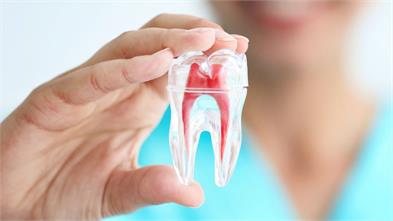
Teeth that have undergone root canal treatment change color over time after losing their living pulp tissue, gradually drying out. These teeth, which may take on gray, dark brown, or purplish tones, become a dark focal point when smiling. When translucent glass ceramics (such as e-max laminates) are applied to these types of teeth, the underlying dark and flawed color of the porcelain gets reflected, creating the desired clean whiteness.
Zirconium blocks, while having light permeability, also contain a high level of opacity within them. This structural feature prevents the underlying problematic dark tooth color from being reflected outward (masking). When the dentist shapes the discolored tooth to the appropriate dimensions and places a zirconium-based crown on top, the underlying darkness is completely trapped. In aesthetic dentistry planning, zirconium provides strong medical support for internal discoloration issues that cannot be resolved through whitening in clinical scenarios that require covering.
| Current Status of the Tooth | Contribution of Zirconium |
|---|---|
| Root Treated, Gray/Black Tooth | Its opaque structure masks the underlying dark tissue, preventing color leakage. |
| Large Metal Amalgam Filled Tooth | It blocks the dark reflection created by the metal and establishes a base that is white and bright. |
| Tooth Loss (Need for Bridge) | It offers both durability to close the gap and integrates with the color of the adjacent natural teeth. |
Do Zirconium Crowns Change Color Over Time?
Due to its micro-porous structure, dental enamel gradually shows yellowing or staining when affected by consuming substances with intense color pigments such as tea, coffee, red wine, or tobacco products. This situation requires individuals to periodically undertake cleaning or whitening processes.
Zirconium-supported restorations are glazed in very high-grade furnaces (average 900-1500°C) during the laboratory production phase. This glazing process creates a non-porous, impermeable glaze by sealing all micro-pores on the surface of the material. Thanks to the non-porous surface, the color pigments in foods cannot penetrate into the zirconium. Only simple attachments trying to hold on to the outer surface can be easily removed from the environment with regular daily brushing. This chemical resistance helps the zirconium coatings maintain their original brightness and shine for many years.
How Do Digital Design Processes Support the Integrity in Zirconium Production?
The success of restorative processes is dependent on technological workflows that reduce the margin of error to less than a millimeter. In classical methods, there were risks of temperature-induced shrinkage or expansion of measuring materials, which could result in the produced covering not fitting the tooth properly. Zirconium restorations, on the other hand, are materials that lie at the center of direct CAD/CAM (Computer-Aided Design and Manufacturing) systems.
The three-dimensional digital measurements obtained with optical scanners inside the mouth are transferred to the computer environment, after which the tooth shape is virtually modeled through software. The relationship of the jaw closure and contact points with adjacent teeth are adjusted with micron precision thanks to this software. Once the design is complete, the data is transmitted to the milling devices in the laboratory, and zirconium blocks are carved by robotic milling machines without manual handling. This digital integrity ensures that the crown fits perfectly on the tooth like a puzzle piece, leaving no gaps that could cause leakage at the edge borders, and objectively maintains the natural form proportions.
What is the Role of Zirconium in Anterior and Posterior Region Restorations?
In the planning of restorations inside the mouth, the expectations of the anterior region (incisors) and the posterior region (molars) differ. In the anterior region, aesthetics, transparency, and compatibility with the face are prioritized; while in the posterior region, resistance to the biting pressure and mechanical strength are sought.
Zirconium dioxide has an advanced spectrum that can respond to these two different needs. In anterior tooth restorations, ‘highly translucent’ (increased light permeability) zirconium blocks are selected to bring the material’s transparency to the forefront, creating aesthetic illusions with fine porcelain powders. In posterior regions, ‘monolithic’ (made from a single piece, not coated with porcelain powder) zirconium applications may be preferred to tolerate the stress caused by biting forces. Monolithic zirconium provides high strength and stable visual integrity, even for patients suffering from tooth grinding (bruxism), as it does not contain an additional layer that could break on its surface.
How is the Smile Line Symmetry Reconstructed with Zirconium Materials?
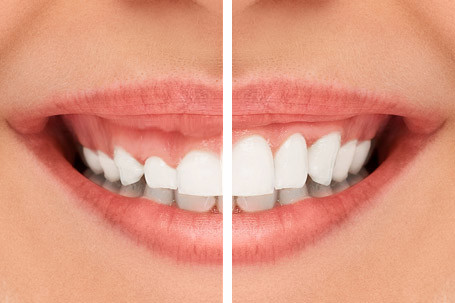
The smile line (smile arc) is based on the principle that an imaginary line passing through the cutting edges of the upper teeth should parallel the curve shaped like a “U” formed when the lower lip smiles. Due to wear on the teeth, fractures, or developmental asymmetries, if this curve is aligned with or bent in the opposite direction, it creates a tired and aged expression on the individual’s face.
In multiple restorations made with zirconium coatings, the existing lengths or axis alignments of the teeth are restructured. The dentist measures the patient’s lip movement allowance to create the front teeth slightly longer, the side teeth shorter, and the canine teeth shaped to match the curve of the lip. Organizing the smile arrangement in this way with restorative materials adds vitality to the lower third of the face and supports the lip posture.
How Do Zirconium Planning Steps Progress in Avrupadent Clinics?
In the process management of Avrupadent, a transparent clinical protocol is followed that focuses not only on the patient’s teeth but also on their overall systemic structure and biological tolerances. The process begins with stabilizing the existing gum health. If there is active inflammation or edema in the gums, these discomforts are treated first to ensure accurate measurement of the boundaries where zirconium will fit the tooth.
After the necessary preparatory procedures (crown preparation) on the teeth, digital three-dimensional measurements are recorded using intraoral scanners. Specialists in Esthetic Dentistry design a virtual form suitable for the occlusion by overlaying these digital measurements with the patient’s facial photographs. In the laboratory stage, zirconium substructures are milled, and their fits (substructure trials) in the patient’s mouth are tested. After tests for color, texture integrity, and phonetic (speech) compatibility, restorations are bonded to the tooth with medical cements. All these steps are managed through collaborative decision-making processes between the patient and the dentist, based on the principle that expectations are met within the framework of biological norms.
What are the Frequently Asked Questions?1. Can zirconium crowns be distinguished from natural teeth?
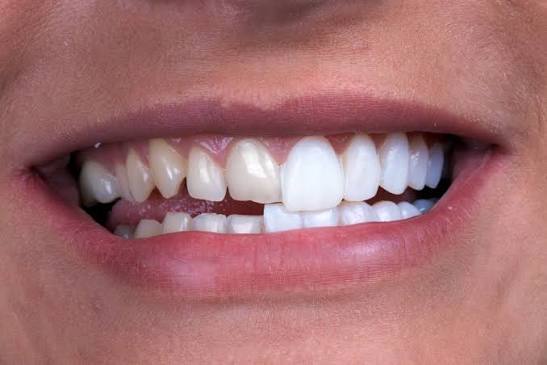
Due to its high light permeability and organic color transitions, zirconium can optically replicate the enamel and dentin layers of natural teeth, making it visually indistinguishable from natural teeth when viewed from the outside.
2. How is the color of zirconium teeth chosen?
Color selection is determined by analyzing the patient’s skin undertone, scleral whiteness of the eyes, and the color codes of neighboring natural teeth using digital spectrophotometers or manual scales, establishing the most suitable brightness for the face.
3. Does the zirconium substructure cause dark discoloration in the gum?
No, because it contains no metal alloy and does not corrode, it does not cause the formation of gray or black lines (metallic tattoos) seen in metal-supported crowns along the gum line.
4. What does light permeability mean in zirconium?
Translucency is the property of a material that allows part of the light hitting it to penetrate and create a sense of depth; this feature ensures natural responses to external light (daylight, fluorescent, etc.).
5. Do zirconium coatings yellow over time?
Since they are treated in a laboratory environment to be polished and glazed, they have a non-porous surface; they do not experience structural yellowing because they do not absorb color pigments from factors like tea, coffee, or tobacco.
6. Can zirconium be used for front teeth?
Yes, in cases where there is significant material loss in the teeth or when the underlying tooth color is very dark and requires masking, precise zirconium applications can be planned to meet the needs for the thin form of the anterior tooth region.
7. Can people with metal allergies get zirconium?
Zirconium dioxide is one of the ceramic materials with the highest biocompatibility in medicine; it is an ideal approach for patients with metal sensitivities because it does not trigger foreign body reactions (allergies, tissue rejection).
8. Can zirconium be used for aesthetic designs?
Certainly, in multiple tooth restorations where form distortions, asymmetries, and alignment problems need to be resolved in the same session, zirconium is one of the essential building blocks that regulate the smile line.
9. In which situations does the opaque structure of zirconium provide an advantage?
In teeth that have undergone root canal treatment and have darkened or in cases of deep staining caused by old amalgam fillings, the sealing property within zirconium traps the underlying dark color, reflecting a pure white outside.
10. Does the extraction of the periodontal tissue disrupt zirconium aesthetics?
Even if there is a physiological recession in the periodontal tissue, zirconium, which appears the same color as the tooth (white) rather than black like metal, does not create a sharp contrast that would disturb aesthetic perception.
11. How does digital measurement affect the fit of zirconium?
Micron-level measurements obtained with intraoral scanners and robotic milling processes with CAD/CAM ensure that zirconium crowns fit the tooth without gaps, limiting the risk of edge leakage and breakage.
12. Is the surface gloss of zirconium crowns permanent?
The glaze layer obtained with special polishing techniques retains its gloss and smoothness for years, provided that daily brushing routines and abrasive chemicals are avoided.
13. Can zirconium be applied to dark teeth that have undergone canal treatment?
Yes, for teeth that have become broken and turned gray due to canal treatment, wrapping them mechanically is one of the most common methods to protect them and enhance their color.
14. Does the maintenance of zirconium restorations preserve aesthetics?
Brushing twice a day, along with using an interproximal toothbrush and dental floss to prevent bacterial buildup at the gum line, ensures the health of the gums and maintains the compatibility of zirconium coatings with the pink aesthetic.
15. How is the lip fit of zirconium coatings adjusted?
During the design phase, the hospital’s lip stretching margins and profile are examined, ensuring that the coverings are contoured in a way that will support the lips from the inside at an ideal angle without exceeding the limits of speech.