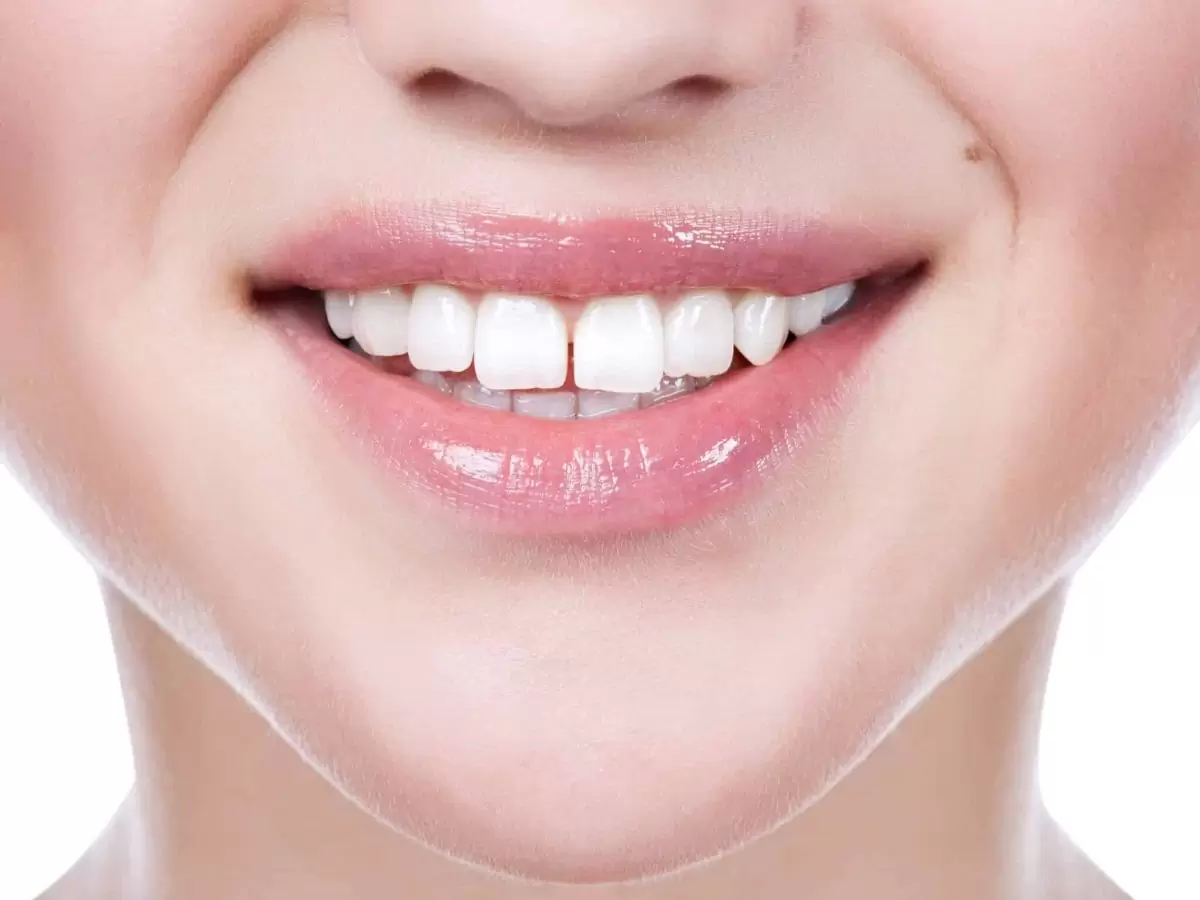
How Can the Gaps Between Teeth Be Aesthetically Adjusted?
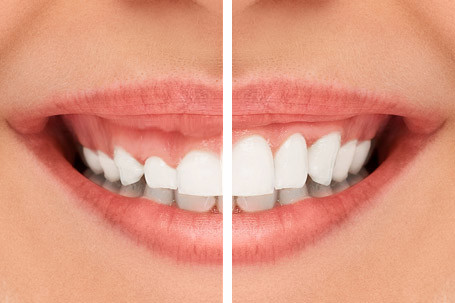
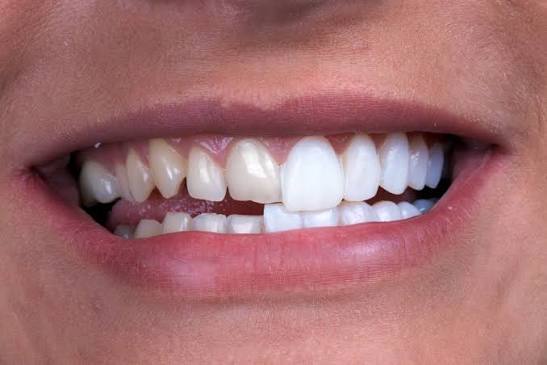
The presence of gaps between adjacent teeth due to various anatomical or developmental reasons can create visual concerns at different levels during social interactions and in smile symmetry. These spaces, referred to as “diastema” in medical terminology, can affect the general focal point of the face when located in the anterior region of the upper jaw. Approaches in Aesthetic Dentistry offer various medical protocols aimed at closing such structural gaps in a way that minimally intervenes with the patient’s dental tissue while ensuring proportional and biological compatibility.
The choice of method to close the gaps between teeth is determined by the width of the space, the position of the teeth in the arch, the patient’s occlusion relationship, and the health of the periodontal (gum) tissues. Today, developing adhesive systems, glass ceramic technologies, and orthodontic plate systems allow these gaps to be adjusted in harmony with the individual’s facial lines.
What Anatomical Reasons Cause Gaps Between Teeth (Diastemas)?
One of the most fundamental physiological factors underlying the formation of diastema is genetic skeletal structure. When an individual’s jawbone develops in a genetically wide structure, while the sizes of the teeth remain below average, natural spaces are left between the teeth when they spread over an arch. This situation is especially frequently observed between the two upper front incisors (centrals). Additionally, if the labial frenulum, which is the muscle tissue connecting to the gum from the inner part of the upper lip, is thicker and positioned lower than normal, it can mechanically prevent the joining of the two central teeth and create an interstice.
In adults, the gaps that develop later are often associated with periodontal (gum) problems. When the supporting bone tissue surrounding the teeth erodes due to inflammatory processes, the teeth begin to tilt sideways due to the loss of supportive support and new gaps appear between them. Additionally, habits such as prolonged thumb-sucking or pacifier use during childhood also form part of the environmental factors that prepare the ground for the anterior teeth to be pushed forward and create gaps between them.
Do Gaps Between Teeth Lead to Functional and Phonetic Problems?
Aesthetically, diastemas that concern individuals are not only considered a visual detail in the medical literature; they can also affect the mechanical balance of oral health. When teeth are aligned side by side, they support each other’s contact points, ensuring that the forces of chewing are distributed evenly to the roots. When the gap widens, food debris can directly exert pressure on the gum papilla (the triangular tissue between the teeth) during chewing or eating hard foods. This situation can lead to chronic irritation in the tissue, swelling, and bleeding, negatively impacting periodontal health.
When examined from a phonetic (sound emission) perspective, the front teeth function as a natural barrier in which the tongue is positioned and the sound waves are directed. When there are wide gaps between the teeth, airflow control during speech involuntarily changes, and phonetic disorders can be observed in the articulation of some letters. For these reasons, practices aimed at closing gaps are not only a visual improvement but also serve as a functional intervention that supports the maintenance of oral health.
What Steps Are Involved in Using Composite Bonding to Close Gaps Between Teeth?
Composite bonding applications, carried out without any abrasion to the dental tissue, is one of the most suitable direct restorative methods for eliminating diastemas in accordance with the principles of protective dentistry. In the first step of the process, the dentist determines the composite shade that best matches the patient’s natural tooth enamel color. After ensuring insulation to remove moisture from the working area, the lateral surfaces of the teeth facing the gap are lightly roughened. This roughening creates the adhesive surface area necessary for the resin material to bond to the enamel at a microscopic level.
Next, using transparent matrix bands, the teeth on either side of the gap are isolated from each other, and composite resins are added in layers with the help of a spatula or fine brushes. Each layer is cured using a blue light device. At this stage, the dentist ensures that the width ratios of the teeth are proportionate to the golden ratio. In the final stage of the procedure, diamond finishing burs and silicone polishing rubbers are used to polish the tooth surface and restore the natural enamel shine. This session is usually completed in a short time as it does not require a laboratory phase.
| Treatment Method | Application Duration and Number of Sessions | Dental Tissue Intervention Status |
|---|---|---|
| Composite Bonding | Single session (approximately 30-60 minutes) | No abrasion is done to the dental tissue (Prepless). |
| Porcelain Laminate | 2-3 sessions (approximately 5-10 days) | Very minimal enamel thinning (0.3-0.7 mm) is performed from the front surface. |
| Clear Aligners (Orthodontics) | Planned periods lasting months | No cutting is done to the dental tissue; roots are moved within the bone. |
What Alternative Do Porcelain Laminates Offer in Closing Gaps Between Teeth?
While composite bonding applications are a practical and protective option, porcelain laminates can offer optical and mechanical advantages in some wide diastema cases. Laminates made from lithium disilicate or feldspathic ceramics replicate the light translucency of natural tooth enamel. These thin sheets prepared in the laboratory aim to fill gaps by proportionally enlarging the size of neighboring teeth to create a symmetrical arch form.
Because the surface of porcelain laminates is polished and glazed, they do not get discolored by substances like tea, coffee, or tobacco. This factor is a decisive criterion for patients seeking long-term aesthetic stabilization. After assessing the patient’s dental structure, the dentist may consider the laminate option when the enamel structure is suitable, facilitating the closure of gaps while also addressing general form asymmetries under the same roof.
What Role Do Clear Aligners or Orthodontic Treatments Play in Closing Tooth Gaps?
When there are wide gaps between the teeth, closing these gaps with porcelain or fillings can lead to the teeth appearing wider than they are (a perception known as macrodontia). If the general structure of the jawbone allows it and the teeth themselves remain small, it is a more appropriate approach to reposition the teeth using orthodontic methods rather than artificially enlarging them. Traditional brackets or the clear aligners that have become popular in recent years apply gentle and continuous forces to the teeth to close the gaps between them.
The greatest advantage of the orthodontic approach is that the dental tissue is not damaged in any way and the arch form is maintained while preserving the teeth’s natural sizes. Although the treatment period may take longer compared to other prosthetic methods, the biological advantage of achieving a result that is root-based and permanent is significant. After closing the gaps orthodontically, retention treatments (such as lingual retainer wires, etc.) are applied to stabilize the teeth in their new position and support the success of the process.
In Which Cases Are Zirconium Crowning Systems Planned for Wide Gaps Between Teeth?
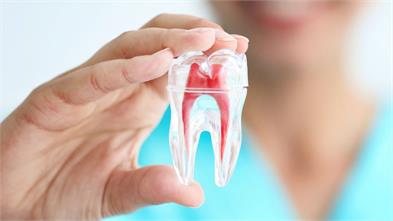
The gaps between teeth can sometimes be more than just an aesthetic detail; they may be part of more complex clinical scenarios where the structural integrity of the teeth is compromised. For example, if a patient has gaps in their front teeth due to large previous fillings or if these teeth have undergone root canal treatment, simply placing a filling or veneer may be mechanically inadequate. In such cases, crown systems that encircle the teeth from all angles are required.
Zirconium-based full ceramic crowns, thanks to their high fracture resistance, not only cover wide gaps in an aesthetic arch form but also protect weakened dental tissue against external pressures like armor. As they don’t contain metal, they do not create dark reflections on the gingival margin, and due to their opaque/translucent balance, they cover the entire surface of the tooth with a flawless whiteness. The dentist determines the suitability of this comprehensive restorative alternative by examining the patient’s jaw occlusion forces.
How Does Gum Aesthetics (Pink Aesthetics) Affect the Closure of Gaps Between Teeth?
One of the most delicate biological structures that must be considered when closing gaps between teeth is the dental papilla. When a gap remains open for an extended time, the gum tissue between the teeth can flatten out or be pulled. During the gap closure procedure, while making additions to the sides of the teeth, it is crucial that this papilla tissue is not crushed or, conversely, left exposed to create black triangular gaps. The rules of pink aesthetics dictate that the emergence profile of the restoration must align with the health of the gum tissue.
If the asymmetries at the levels of the gingiva diastema are also proportional, procedures such as laser-assisted gingival shaping (gingivoplasty) are performed to align the pink tissue before treatments. Once the gingival borders are brought to ideal ratios, composite or porcelain applications are made. This approach among these disciplines ensures that not only the gap between the teeth is closed but also that the surrounding framework gains a flawless aesthetic form.
What Treatment Protocols Are Followed for Diastema Treatment at Avrupadent Clinics?
Aesthetic success in medical service delivery is based on the meticulous diagnosis stages carried out from the first examination session. In Avrupadent process management, the vertical and horizontal ratios of the jaw curvature of a patient starting with diastemas are scanned in a digital environment. Optical cameras, which replace traditional impression materials, project the three-dimensional model of the jaws on the screen without any millimeter error margin.
The doctor shares with the patient whether the gap can be successfully closed with orthodontic methods or with composite bonding and porcelain laminates based on these data. If necessary, a physical trial (Mock-Up) of the virtual design is made to allow the patient to see the final situation in advance. This transparent clinical flow, based on scientific data, secures both the functional health and aesthetic expectations of the individual.
How Should Daily Oral Care Be Conducted After Closure of Gaps?
Regardless of whether the method applied is composite bonding or porcelain veneers, the oral hygiene routine must be optimized accordingly, as the anatomical contours in that area change after the gaps between the teeth are closed. Since areas that could previously be cleaned freely are now closed or reshaped, using dental floss becomes a medical necessity to prevent food debris accumulation at these new contact points.
In cases where composite bonding is preferred, dental pastes with very hard abrasives should be avoided to protect the surface gloss of the material (polishing). Rinsing the mouth with water after consuming foods like tea, coffee, or tobacco delays surface discoloration that may occur on the composite surface. Periodic professional dental cleanings and polishing renewals during dental check-ups are among the most important protective habits that extend the aesthetic lifespan of the treatment for many years.
- Use of Dental Floss: Dental floss should be applied regularly every day to prevent plaque accumulation in the lower parts of the closed interproximal areas.
- Avoiding Abrasives: Instead of aggressive whitening pastes that can scratch the composite surfaces, products with a mild formula should be chosen.
- Clinical Check-Ups: Adherence to periodic examinations and polishing appointments recommended by the dentist every 6 months is essential.
- Bruxism Protection: If there is a tendency to grind teeth, a night guard should be used to protect restorations.
What Are Frequently Asked Questions?
1. Do gaps between teeth close on their own?
In adults, it is biologically not expected for the gaps between teeth to close on their own; rather, as the support of the gum tissue decreases, these gaps may show a trend to increase over time.
2. Do teeth look very bulky with composite bonding?
If planned millimetrically according to the rules of golden ratio and surface lines, the teeth do not appear bulky; on the contrary, they gain a proportional and aesthetic form.
3. Will my teeth be cut during the gap-closing procedure?
No cutting is performed on the teeth in composite bonding and clear aligner methods; however, in porcelain laminates, minimal smoothing is applied only to the front surface.
4. Does closing the gaps between teeth cause pain?
The procedures mostly involve the enamel layer or are carried out with orthodontic forces, which do not cause prolonged pain and are quite comfortable.
5. Do bonding fillings discolor over time?
Depending on heavy consumption of tea, coffee, and cigarettes, slight discolorations may occur on the surfaces over the years; however, these stains can be cleaned with a simple polishing procedure by the dentist.
6. Which results faster, orthodontic treatment or bonding?
While composite bonding yields results in a single session, orthodontic treatments involve a long process lasting for months, as they depend on the movement of the teeth roots.
7. Which method should be preferred for wide diastemas?
For wide gaps, filling alone can cause the teeth to expand excessively; porcelain veneers or orthodontic alignment methods offer more balanced results.
8. Does gum recession increase gaps?
Yes, the resorption of periodontal support bone and gum recession leads to the prominence of triangular gaps (black triangles) between the teeth.
9. Is it normal for gaps between children’s teeth?
During the period of primary tooth eruption, having gaps between teeth is normal and expected to ensure enough space for permanent teeth to emerge.
10. Do clear aligners completely close gaps between teeth?
Depending on the movement range of the roots, clear aligners can close gaps permanently by bringing the teeth closer together in suitable cases.
11. When is zirconium crown used in gap closure?
Zirconium crowns are preferred to protect the teeth when there are also fractures or large cracks in addition to the gaps.
12. Is it necessary to use floss after treatment?
Since the gaps are closed, the interproximal areas of the teeth will make contact again, making the use of floss more careful and regular a clinical necessity.
13. Is frenuloplasty (lip tie surgery) necessary?
If a thick lip tie is exerting mechanical pressure causing separation of the teeth, the location of the frenulum can be surgically altered to prevent reopening after closure of the gaps.
14. Do porcelain veneers break in gaps?
Porcelain veneers made with dental adhesive cements are highly resilient; the risk of breaking under normal functional loads is extremely low.
15. Which method is chosen according to European standards?
Based on digital measurements and clinical examination findings, the most suitable, tissue-preserving prosthetic or orthodontic roadmap for the patient’s jaw structure is determined.