What are the Aesthetic Treatment Options for Malocclusion Teeth?
In the practice of dentistry, the process of correcting malocclusion is planned with different medical approaches based on the patient’s skeletal structure, age group, positions of the teeth, and expectations. In addition to traditional brace treatments, alternatives such as clear aligner systems, porcelain laminates, and zirconium crowns, which have developed in recent years, are also included in the plans. In the evaluations applied in Avrupadent clinical protocols, a personalized treatment course is designed considering that each individual’s jaw structure is unique.
What Factors Play a Role in the Formation of Malocclusion Teeth?
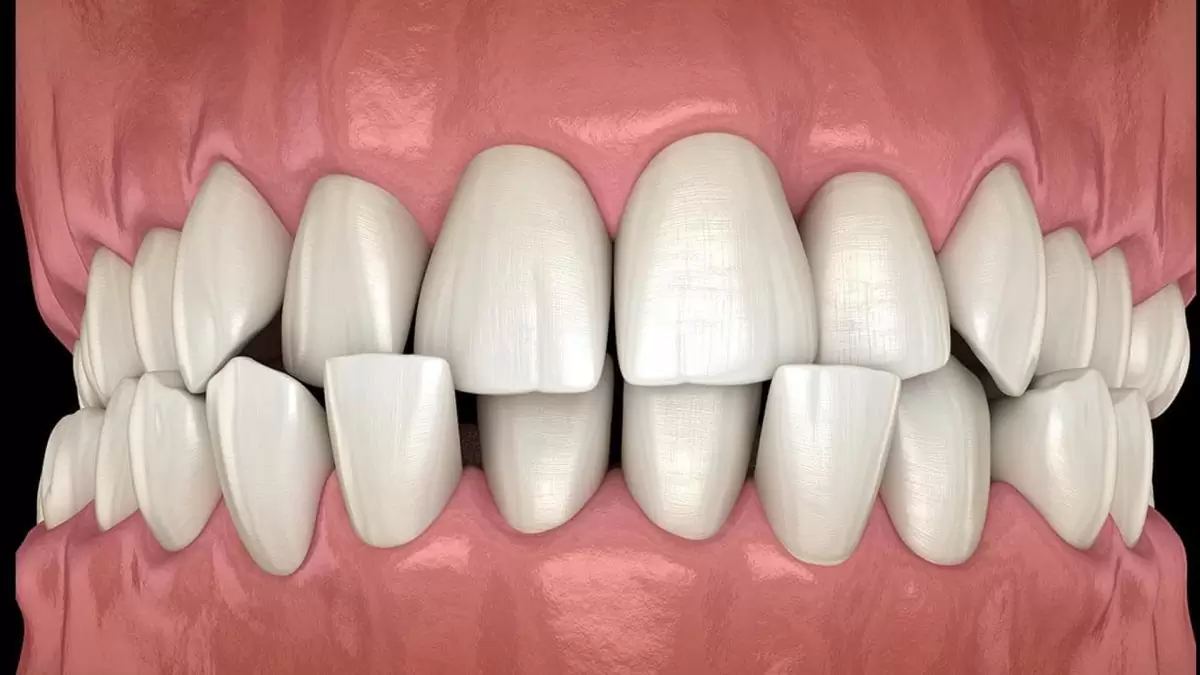
Among the main reasons behind the inability to create a proper sequence in the arch of the teeth are hereditary jaw narrowness, premature loss of primary teeth, early or late eruption of permanent teeth, and genetic factors. When the jawbone does not have a physical volume that allows the teeth to fit comfortably, teeth will inevitably seek space by overlapping or rotating over each other. This situation can create areas between the teeth that are difficult to clean and increase the risk of decay.
Additionally, habits such as prolonged thumb sucking, bottle usage, or mouth breathing during childhood negatively affect the vertical and horizontal development of the jaw, triggering the development of malocclusion. Analyzing individuals’ skeletal structure plays a key role in determining the treatment option. Experts examine the patient’s X-ray and three-dimensional scanning data to establish whether the malocclusion is of dental or skeletal origin and propose appropriate medical methods accordingly.
How Does Clear Aligner Treatment Work in Correcting Malocclusion?
Clear aligner treatments work based on the principle of applying a series of custom-made, removable, transparent appliances that do not contain metal wires to gradually move the roots of the teeth within the bone into alignment. Digital measurements taken with intraoral optical scanners are transferred to computer software, where the new positions that the teeth will gradually take each week are simulated in a virtual environment. The separately produced aligners for each stage apply gentle and continuous forces to the teeth, supporting the correction of malocclusion.
The biggest advantage of this method is that due to its transparent structure, which is not visible from the outside, it does not affect social life, and it can be easily removed while eating or brushing teeth. In aesthetic dentistry planning, clear aligners are a frequently preferred orthodontic alternative for adult patients who want to avoid the appearance of metal braces. The duration of treatment can vary from person to person depending on the severity of the malocclusion.
In Which Situations Are Porcelain Laminate Treatments Planned to Close Malocclusion?
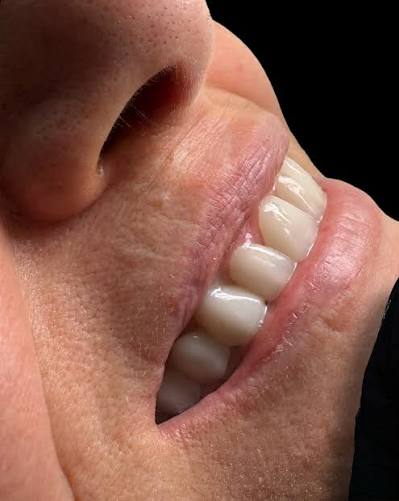
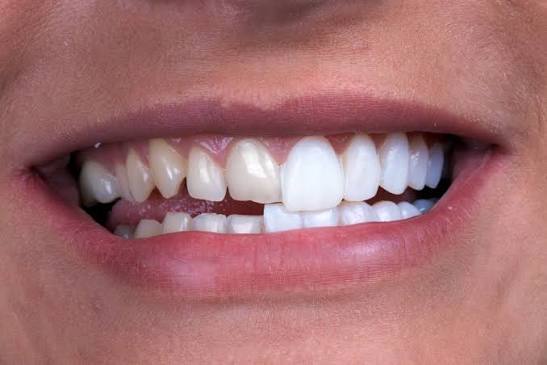
Porcelain laminates (leaf porcelains) are thin glass-ceramic structures applied to the front surface of teeth to correct the appearance of teeth that have minor levels of rotation or crookedness in the anterior area, without requiring significant orthodontic adjustments in the positions of the teeth. For individuals who do not want to waste time with braces in cases of low levels of crookedness, these thin ceramics offer an optical correction alternative. The dentist performs minimal contouring on the outward protruding parts of the tooth while maintaining porcelain thickness on the remaining parts, making the teeth appear aligned on the same arch.
However, this prosthetic method has a medical limitation. If the malocclusion is very severe, it may require deep tissue cutting of the tooth to place the porcelain leaf, which poses a risk of damaging the nerve tissue of the tooth. For this reason, opting for orthodontic alignment methods instead of porcelain laminate in cases of moderate and severe malocclusions is an approach that preserves biological health. In appropriate cases, it allows for a symmetric smile to be achieved in a short period while preserving the tooth structure.
| Treatment Approach | Application Logic | Preferred Degree of Malocclusion |
|---|---|---|
| Transparent Plate Aligner | Moves the tooth roots within the bone to achieve the correct alignment. | Mild, moderate, and severe dental malocclusions. |
| Porcelain Laminate | Aligns the front surface of the teeth optically with minimal enamel reduction. | Only mild rotations and misalignments in the anterior region. |
| Zirconium Crowns | Wraps around the tooth to eliminate the crooked appearance and provide support. | Medium/severe alignment issues that cause substance loss. |
When Are Zirconium Crowns Evaluated for Aligning Crooked Teeth?
Zirconium crowns are considered in cases where there are deep cavities, large old fillings, or structural material losses in addition to crooked teeth, when teeth need to be completely reduced in size and repositioned with zirconium-based all-ceramic restorations. These prosthetic crowns provide a solution in complex situations where crooked teeth cannot be corrected with orthodontic methods or the patient does not want long-term wire/plate treatment.
Zirconium material comfortably tolerates chewing forces thanks to its high fracture resistance and biocompatibility. While teeth are brought to the form of a crown, teeth that have protruded outside the arch are reduced to an ideal arch form; thus, the crowns produced in the laboratory exhibit an aligned arrangement. The physician tests whether this comprehensive restorative alternative is suitable for biological limits with clinical data by examining the patient’s jaw closure dynamics.
What Are the Key Differences Between Orthodontic Wires and Aesthetic Alternatives?
Orthodontic wires (brackets) provide a permanent and biological alignment by moving the roots of the teeth within the bone, while aesthetic alternatives like porcelain laminate or zirconium offer an optical correction by reshaping the external surfaces of the teeth rather than changing their position. Wire treatments do not require any reduction of tooth tissue, while prosthetic coating options necessitate the reshaping of the tooth enamel.
When examined in terms of time cost, orthodontic alignment involves a process that lasts for months, while prosthetic aesthetic procedures can be completed in a few weeks. The method chosen depends on the patient’s age, the degree of misalignment, and the overall dental health condition. In the planning of Aesthetic Dentistry, these differences are thoroughly discussed to provide the patient with the most suitable medical roadmap.
How Does Composite Bonding Applications Provide a Solution for Mild Misalignments?
In cases of mild misalignments, composite bonding applications, which involve layering resin composite materials on the front surfaces and edges of teeth that are slightly turned or protruding, offer a practical adjustment without any cutting of the tooth. This direct restorative method does not require laboratory stages and is typically completed in a single session. The volume of composite added to the remaining tooth surface ensures that the tooth is moved forward and appears aligned with adjacent teeth.
This method is an economical and conservative option, but is only suitable for covering minor aesthetic imperfections. Adding composite in cases of severe misalignment can lead to teeth appearing much larger and thicker than they actually are, and is therefore not preferred. The clinician assesses whether the bonding application meets optical adequacy through clinical examination by examining the patient’s dental structure.
What is the Role of Gum Aesthetics (Pink Aesthetics) in Treatments for Misaligned Teeth?
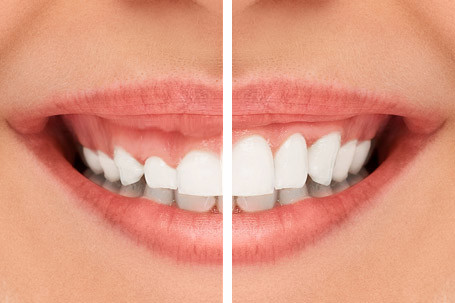
The gaps between the teeth cause the gum borders to take on an asymmetric and irregular shape; therefore, when planning the treatment of gaps, it is crucial to align the gum levels with the help of lasers while adhering to pink aesthetic rules, which is a critical step that supports the success of porcelain or orthodontic procedures. In cases where the gum heights are asymmetric, even if the teeth are straightened, the desired visual symmetry may not be achieved.
The health and symmetry of periodontal tissues form the framework for restorations or aligned teeth. The physician removes excess tissue from the gums with a laser before or during the treatment of gaps, bringing the zenith points to ideal ratios. This coherent framework elevates the aesthetic character that the teeth will display after gap treatment.
What Stages Does the Gap Analysis at Avrupadent Include?
The gap analysis in Avrupadent clinics involves obtaining three-dimensional digital measurements with intraoral scanners, uploading the patient’s facial photos and skeletal X-rays through software, calculating the degree of gaps, and drawing the most suitable roadmap for orthodontic or prosthetic solutions in consultation with the physician.
Within the standards of institutional medical services, it is essential to create a personalized planning suitable for each patient’s jaw structure. The process begins with a detailed examination by the physician and is presented to the patient through digital simulations. Protection of tissue health and meeting aesthetic expectations are ensured through a multidisciplinary approach throughout the treatment.
What Are Frequently Asked Questions?
1. Do gaps in teeth fix themselves?
It is biologically impossible for misaligned adult teeth to correct themselves; rather, as one ages, the crowding in the front area may increase due to changes.
2. Do clear aligners correct all types of misalignment?
Clear aligners are effective for mild, moderate, and some advanced dental misalignments; however, in cases of severe skeletal jaw constriction, orthodontic wire treatments or surgically assisted planning may be necessary.
3. Is tooth extraction a condition for orthodontic treatment?
In some cases where there is extreme crowding in the jawbone to the point where teeth cannot be accommodated, tooth extraction may be planned to create space, but this is not a requirement for every case.
4. Can porcelain veneers be used instead of orthodontics for misaligned teeth?
Only minor corrections in the anterior area can be made through tooth trimming to achieve optical correction with veneers; veneers are not preferred for severe misalignments.
5. Do clear aligners affect speech?
It is normal to experience slight slurring in the first days of treatment due to the feeling of a foreign object in the mouth, but the tongue quickly adapts to the aligner and speech returns to normal.
6. When are zirconium crowns applied to misaligned teeth?
If there are deep fractures or large breaks in addition to misalignment in the teeth, zirconium crowns may be planned to protect and align the teeth.
7. Does the duration of misalignment treatment vary from person to person?
Yes, the duration varies depending on the degree of misalignment, the method used (aligners, braces, or prosthetic crowns), and the individual’s bone biology.
8. Is composite bonding durable in mild cases of misalignment?
Composite additions made to mask mild misalignments can maintain their shape for a long time, as long as oral hygiene is observed and they are not subjected to excessive force from hard objects.
9. What problems can arise if misalignment goes untreated?
Since teeth stack on top of each other, they cannot be thoroughly cleaned with a toothbrush, leading to decay, tartar buildup, gum inflammation, and eventually jaw joint problems.
10. Can misalignment in children be prevented at an early age?
In early childhood, supportive devices or protective orthodontic treatments can be used to support jaw development, preventing severe misalignments in the future.
11. How many hours a day should transparent trays be worn?
To ensure the treatment progresses as planned and the teeth can make the targeted movements, transparent trays should be worn for an average of 20-22 hours per day.
12. Do teeth revert to their previous state after misalignment treatment?
There is a tendency for teeth to return to their original position after orthodontic treatments; to prevent this, thin retainers are placed behind the teeth.
13. Can orthodontic treatment be applied to adults?
Any adult with healthy gums and jawbone can undergo treatment using transparent trays, braces, or aesthetic prosthetic solutions, regardless of age.
14. What should be considered when cleaning misaligned teeth?
In addition to the normal filling, the use of interface filling and external thread is of great importance in preventing plaque accumulation in areas with overlapping layers.
15. Which orthodontic treatment is selected according to Avrupadent standards?
Based on digital three-dimensional scans and clinical examination findings, the most suitable orthodontic or prosthetic roadmap is determined for the patient’s jaw structure.