How Long Do Aesthetic Dental Treatments Take?
Among the frequently asked questions during the planning phase of the prosthetic and conservative arrangements performed on the mouth and dental structure, the time required for the procedures is a primary concern. Modern Aesthetic Dentistry disciplines offer optimized session schedules that do not disrupt patients’ daily life flows. However, because each medical procedure has its unique biological healing times and laboratory production stages, it is impossible to speak of a uniform timeline. For example, procedures completed directly at the chairside take several hours, while laboratory-supported porcelain or zirconium restorations cover a weekly process requiring multiple appointments.
In the planning outlined in the European dental clinic protocols, a predictable timeline is created by thoroughly examining the patient’s jaw closure dynamics, gum health, and material compatibility. In this guide, average session durations for different tooth alignment and whitening methods, laboratory waiting intervals, and factors affecting time are addressed in an objective language.
What Criteria Influence the Duration of Aesthetic Dentistry Applications?
Before proceeding with any prosthetic or aesthetic intervention, stabilizing the basic health indices within the mouth is a necessity. If there is an active gum infection or root lesion, these pathologies must be treated before transitioning to porcelain or filling procedures. This preparatory phase can add a few days or weeks to the total duration.
Additionally, the number of teeth to be worked on directly affects the schedule. While composite bonding or single crown application on a single front tooth can be completed in a short time, multiple zirconium or laminate restorations covering the entire arch involve measuring, framework testing, color matching, and laboratory firing stages, thus spreading the process over several weeks. In Avrupadent clinics, these durations are organized to align with the patient’s social calendar.
How Many Sessions Does Teeth Whitening (Bleaching) Take and How Long Does It Last?
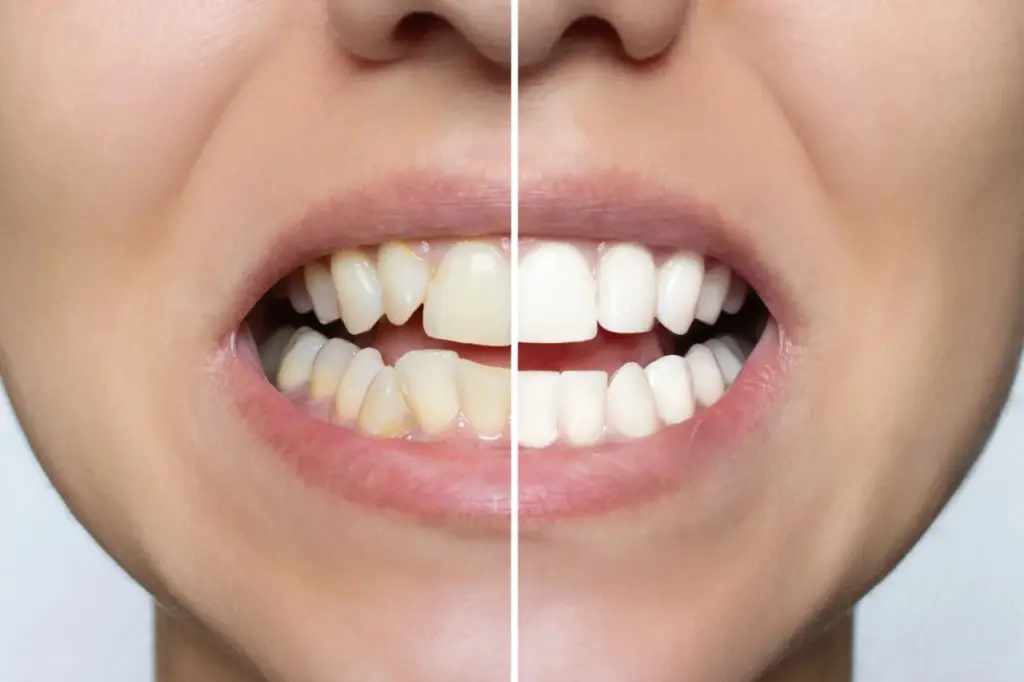
Chemical whitening methods are practical applications using peroxide-based gels intended to lighten the structural color of the tooth enamel by several shades. Office-type whitening (laser or light-assisted bleaching) is performed under the supervision of a dentist in the clinic and typically achieves a noticeable shade change in a single appointment. If deemed necessary, this procedure can be supported with a second session one week later.
In at-home whitening, transparent trays prepared by taking measurements from the patient are filled with gels that the patient themselves squeezes and used within the time intervals specified by the dentist. This method is slower but provides gradual whitening, applied over a total duration of 10 to 14 days.
| Whitening Method | Session / Application Duration | Total Calendar Duration |
|---|---|---|
| Office Type (Clinical) Bleaching | 1 – 2 sessions (each session 45-60 minutes) | Completed within 1 to 2 weeks. |
| At-home (Home) Bleaching | Use tray for a few hours daily | Lasts 10 to 14 days. |
How Long Does Composite Bonding Take to Complete?
Composite resin bonding procedures applied to repair minor cracks in the front teeth, close diastema (gap between teeth), or correct form asymmetries, are performed directly in the chair. The dentist prepares the tooth surface and etches it with adhesive systems, then adds layers of nano-hybrid composite materials to the tooth and sets it with a blue light.
In the final stage of the procedure, polishing is done to smooth the filling surface. If bonding is to be done on multiple teeth, the session time may extend a little more; however, generally, patients can leave the clinical environment with aesthetically refreshed teeth on the same day.
How Many Days Does Porcelain Laminate (Leaf Porcelain) Treatment Last?
Leaf porcelain is a precise prosthetic material produced by minimal abrasion of the enamel only on the outer surface of the tooth. In the first session, necessary preparations are made on the teeth, and impressions are taken to fit temporary crowns for the patient. The obtained data is sent to the laboratory, where glass ceramic blocks are custom-shaped for the individual.
The second session generally takes place a few days later; at this stage, the color compatibility, margin sealing, and phonetic compatibility of the porcelain laminates are tested. Once approved, permanent bonding is achieved using special adhesive cements. This regular flow ensures that patients achieve a permanent and natural-looking smile in a short period.
How Long Does the Zirconium Crown Process Take from Start to Finish?
Zirconium crowns are planned durable frameworks used to protect teeth that have experienced significant material loss or have undergone root canal treatment, restoring them aesthetically. In the first session, the teeth are reduced by 360 degrees, impressions are taken, and temporary crowns are fitted to protect the teeth from external factors.
The second session is usually conducted a few days later and the compatibility of the zirconium infrastructure with the tooth surface and occlusion (infrastructure trial) is tested. In the final stage, the porcelain glazes that are processed on top are cemented to the completed crowns as a permanent solution. In modern infrastructures using CAD/CAM technologies, this process proceeds in a very organized manner.
What is the Production and Application Schedule of E-Max Glass Ceramic Restorations?
Lithium disilicate-based E-Max systems are preferred for single anterior crowns and veneer applications due to their high light permeability and aesthetic depth. After taking measurements, the glass ceramics shaped by pressing in the laboratory are adapted to the translucency tones of the patient’s other teeth.
In the second session of the protocol, the E-Max veneers applied to the patient are chemically bonded to the tooth with adhesive resin cements. The high precision during the production stage facilitates smooth trials and helps keep the total duration short.
How Long Do Gum Aesthetics (Pink Aesthetic) Operations Take?
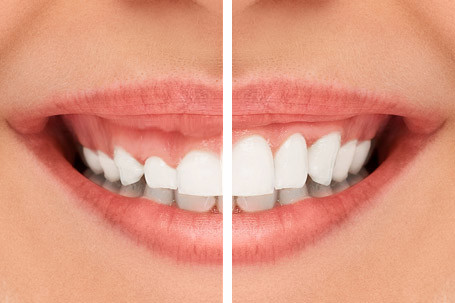
Gingivectomies performed to correct asymmetric gum levels that disrupt smile symmetry or conditions like gummy smile are quite short surgical or minimally invasive procedures.
Due to the control of bleeding during laser use, the wound healing process progresses quickly. After reshaping the gum contours, it is recommended to wait for a short healing period before proceeding with prosthetic treatments to allow the tissue to fully revert to its original form.
How Long Does the Treatment of Crooked Teeth with Clear Aligners Take in Total?
Orthodontic movements require a longer biological timeframe compared to prosthetic coatings, as they involve millimetric positional changes of the tooth roots within the bone. For mild anterior crookedness, short-term aligner treatments of about 3-6 months may be sufficient, whereas, in more comprehensive cases that include jaw closure disorders, this duration can extend to 1-1.5 years.
Wearing the aligners for 20-22 hours a day is the most important factor that ensures the treatment is completed according to the projected schedule. Progress stages are closely monitored with regular check-ups by the dentist.
How Much Does the Process Extend for Aesthetic Cases Requiring Root Canal Treatment?
For front teeth that have been damaged due to trauma or deep fractures, it is mandatory to complete root canal treatment before applying prosthetic crowns or laminates. After the root canal treatment is completed and the inside of the root is filled, a fiber post may be placed to support the structure of the tooth.
Once these medical preparations are completed, normal prosthetic measurements and laboratory processes begin. Although root canal treatment adds a brief extension to the overall aesthetic timeline, it is a crucial step for the long-term health of the tooth.
How Long Do Temporary Tooth Use and Laboratory Phases Last?
Temporary acrylic-based teeth are immediately placed after the teeth are cut or reshaped to protect them from external factors and to prevent any aesthetic loss in the patient’s social life. These temporary teeth remain in the mouth until the permanent restorations arrive from the laboratory and go through the fitting process.
Once the laboratory phase is completed, temporary teeth can easily be removed and replaced with permanent porcelains. This transition phase ensures that the patient experiences no sensitivity and can continue with speaking and chewing functions.
How Are Treatment Processes Planned and Organized in Avrupadent Clinics?
In corporate service standards, patients’ time management is respected, and the duration of each procedure is planned with a clear timeline during the first appointment. Through digital workflows, the processes of taking measurements and communicating with the laboratory are expedited.
Throughout the treatment, the patient’s comfort is monitored, and information is provided at each stage. This regular organization supports the completion of aesthetic procedures within a reliable, predictable, and comfortable flow.
What Are Frequently Asked Questions?
1. Do all aesthetic dental treatments finish on the same day?
No, procedures like composite bonding or office-type whitening finish in a single session; porcelain veneers, zirconium, and orthodontic treatments may take several sessions due to laboratory or movement times.
2. How many days does it take to get porcelain veneers on average?
The process generally takes between 5 to 10 days, from taking measurements to the permanent application stage.
3. How many sessions does the zirconium crown process take?
It typically takes a total of 3 sessions, including preparation/measurement, foundation fitting, and cementation.
4. How long does the teeth whitening procedure take?
Office-type whitening done in a clinical setting takes 1-2 sessions, while home treatments last 1-2 weeks.
5. How long does the transparent aligner treatment take?
Depending on the severity of the misalignment, it varies between 3 months to 18 months.
6. How long do temporary teeth stay in the mouth?
They remain in the mouth for an average of 5-10 days until the permanent porcelain arrives from the laboratory.
7. Does root canal treatment extend the duration of the aesthetic process?
Root canal treatment lasts 1-2 sessions and adds about 3-7 days of extra preparation to the total prosthetic schedule.
8. How many minutes does the gum aesthetic operation take?
Gum shaping procedures done with laser generally finish in a single session within 15 to 45 minutes.
9. Does the duration extend in multiple tooth treatments?
In multi-restorations that encompass everything, the laboratory production volume may expand a few days more for scheduling purposes.
10. Does the digital scanning process speed things up?
Yes, it accelerates the laboratory production stages by eliminating physical courier processes and transmitting data instantly.
11. Will there be dietary restrictions during the treatment period?
It is recommended to avoid very hard or sticky foods during the 5-10 day period when temporary teeth are placed.
12. How long is the production time for E-Max restorations?
It takes an average of 5-7 days, including pressing and firing stages after the measurement is taken.
13. How many days should be expected between appointments?
Appointments are generally planned at intervals of 3 to 7 days, depending on the laboratory production stages and the healing speed of the gum tissue.
14. Why does the process vary from person to person?
The healing speed of the gum tissue in the patient, additional preparation needs such as surgery or root canal treatment, and the scope of the case vary for each individual, affecting the duration.
15. How are durations clarified according to Avrupadent standards?
Detailed digital analyses and laboratory integration conducted during the first examination session provide a clear timeline to the patient.