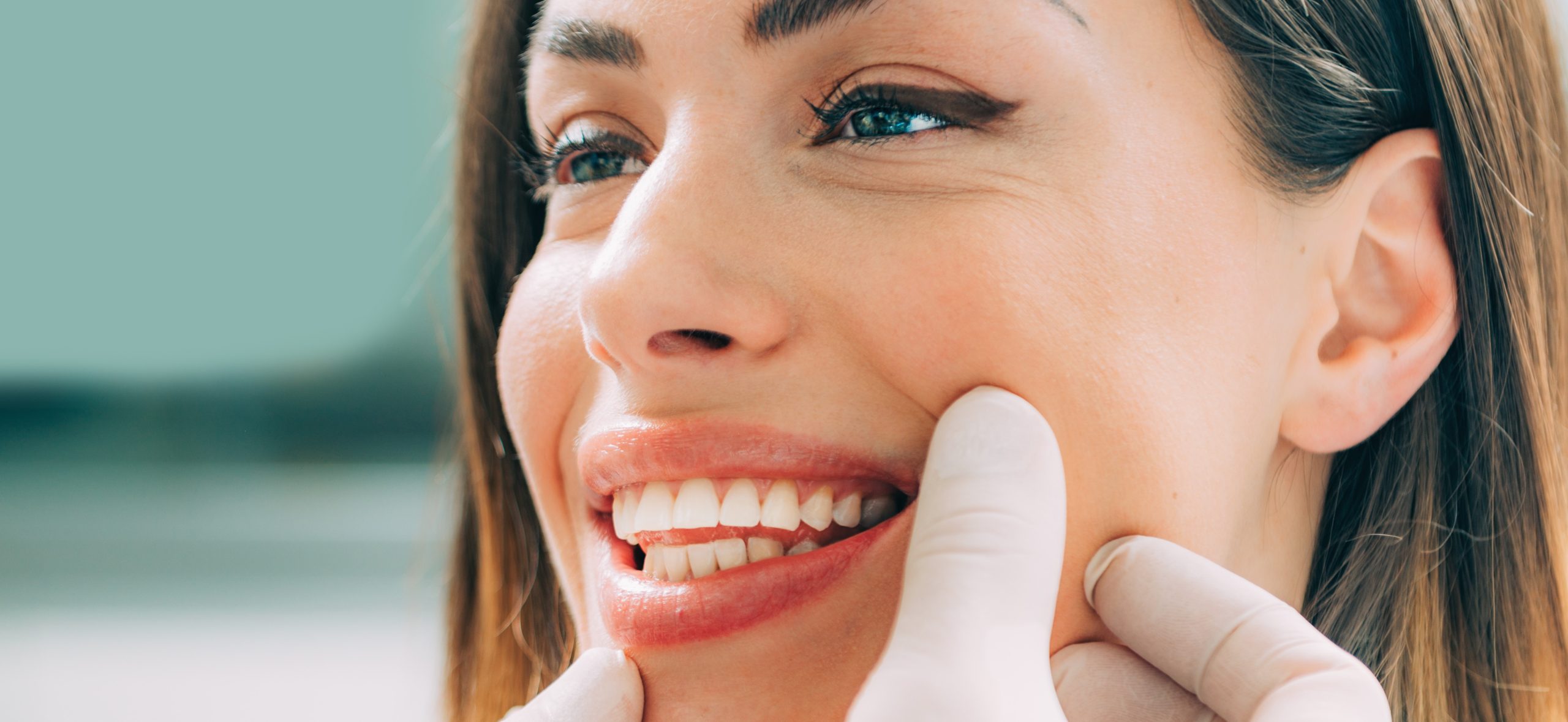
How is Color Selection Done in Aesthetic Dentistry?
The quality of prosthetic and conservative arrangements made in the field of oral and dental health is measured not only by the physical durability of the material, but also by the visual harmony created by the restoration with the patient’s facial contours and neighboring teeth. In dentistry, color selection is a scientific process that goes beyond simply choosing a shade from a color palette, incorporating light science, anatomy, optical properties, and the perception mechanisms of the human eye. Developed Aesthetic Dentistry disciplines include advanced optical analysis methods in clinical workflows to avoid color mismatches and replicate natural enamel structure.
The enamel and underlying dentin tissues have their own unique properties of light refraction, reflection, and absorption. This biological complexity determines the optical rules that must be followed when coloring the restoration material in a laboratory setting. This process, meticulously examined in Avrupadent clinical protocols, begins with identifying the patient’s natural tooth shades and continues with precise transmission to the laboratory technician.
Why is Color Selection So Important in Aesthetic Dentistry?
One of the biggest criteria for success in restorative dentistry is how quickly a tooth that has not matched the color can be immediately noticed in the mouth, regardless of how healthy it is made. The human eye has a natural sensitivity that can perceive symmetry and color tone deviations in a very short time. A slight tonal error in the front teeth can compromise aesthetic perception as it clashes with the patient’s facial expressions and skin tone.
In order for the color selection to be done correctly, the dentist must consider not only the tooth color but also the shape of the patient’s gums, their lip structure, and age. As one ages, the thinning of the tooth enamel and the darkening of the underlying dentin is a natural process; therefore, the color values for a restoration applied to a young individual differ from those planned for an older individual. This selection, made under scientific principles, is one of the fundamental cornerstones that determine the success of prosthetic treatment.
What Physical and Optical Parameters Are Considered in Tooth Color Selection?
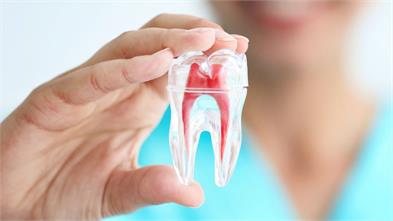
A natural tooth is not a flat layer of paint that reflects light from a single center. Light enters through the thin enamel layer outside, reaches the underlying dentin layer, and reflects back from there. This optical cycle ensures that the tooth gains a three-dimensional depth. When color matching is sought in dentistry, it is examined how well the ceramic or composite material used can reflect these light plays.
Especially in the cutting edge regions, the sensation of transparency and slight bluish reflections are characteristics of opalescence that provide the tooth with a lively appearance. Having these optical properties in porcelain blocks prepared in the laboratory ensures that they mimic natural teeth when viewed from the outside. The practitioner presents a detailed optical map to the technician by evaluating each of these physical layers separately while making color selections.
| Optical Parameter | Encounter in Tooth Structure | Function in Restoration |
|---|---|---|
| Translucency (Transparency) | Degree of light transmission through the tooth enamel. | Reflecting natural depth perception and liveliness. |
| Opalescence | Slight bluish light reflection observed at the cutting edges. | Mimicking the youthful and natural form of enamel. |
| Fluorescence | Brightness emitted by the tooth under ultraviolet light. | Preventing the tooth from becoming dull under sunlight. |
How are Color Layers in Natural Teeth (Hue, Chroma, and Value) Analyzed?
In the terminology of dentistry, color science (colorimetry) is based on three fundamental variables. ‘Hue’ indicates which color family the tooth belongs to, such as yellow, red, or brown; human teeth are generally found in the yellow-brown spectrum. ‘Chroma’ measures how dark or light that color is, in other words, its saturation. For example, two teeth of the same yellow hue can differ, with one being very light yellow and the other having a deeper, more saturated yellow tone.
‘Value’ is considered the most critical component in color selection. Value indicates how bright or dark the tooth is (its position on the black-white axis). This value measures the amount of light reflected, rather than the color tone perceived by the eye, and it directly determines whether the porcelain restoration will blend naturally in the mouth. In the clinical processes at Avrupadent, these three parameters are carefully examined to create a color map of the patient’s original tooth structure.
How Do Light Sources and Daylight Simulation Affect Color Selection?
Color perception can be subject to an illusion that changes based on the wavelength of the light source. A tooth color selected under traditional yellowish light can appear very different or white/light when seen outside in daylight. This phenomenon is called ‘metamerism’; it refers to the situation where a color is perceived in different tones under different light sources.
To overcome this error, the procedures are performed under special day lights that emit a color temperature close to 5500 Kelvin during color selection sessions. Additionally, the doctor and assistant minimize color contrast errors by choosing neutral gray or light blue coats to reduce eye fatigue while making color selections.
Does the patient’s skin tone, scleral color, and age factor play a role in determining tooth color?
When planning an aesthetic restoration, how white the teeth appear alone in the laboratory is secondary to how well they harmonize with the patient’s facial anatomy. While slightly yellowish or natural-toned teeth might seem acceptable for a person with very light skin and colorful eyes, excessively white (bleach tone) teeth can create an artificial contrast for a person with darker skin. The color of the sclera serves as a natural reference that determines the maximum brightness limit for the teeth; generally, the color of the teeth should not exceed the brightness of the sclera.
Age factor is also a determinant in color selection. Since the enamel of young individuals is thicker and purer, it reflects light differently, displaying lighter and more vibrant tones. As age increases, enamel wears down, and the underlying yellow dentin reflects more light. Neglecting this biological reality can create an unnatural appearance when pure-white young teeth are placed in an older individual’s mouth.
How do digital spectrophotometers and color measurement devices work?
Selections made with manual color scales can show slight deviations depending on the current fatigue of the doctor, the lighting in the room, or the eye’s color blindness tendencies. To eliminate these subjective factors, digital spectrophotometers and spectroscopic scanning devices have been developed in our current technology.
These pen-shaped precision devices collect optical data by being brought into contact with or scanned over different areas of the tooth (incisal, middle, and cervical). The numerical data obtained are converted into standard color coding systems like Vita and directly sent to the laboratory. This objective measurement method supports achieving a millimetric tonal match between porcelain restorations and the patient’s natural teeth.
What Elements Should Be Considered When Using Manual Color Scales?
The use of manual scales remains a valid traditional method in dentistry. However, specific practical rules must be adhered to in order to obtain accurate results. Firstly, the color chart should be held very close to the patient’s tooth, and the nearest tone should be determined with a quick glance; because the eye temporarily loses the ability to distinguish the same tone when exposed to color tones for a long time (adaptation).
The teeth must definitely not be dry; because the color of dehydrated (drying) tooth enamel temporarily lightens and appears duller. During the measurement, the teeth should be kept moist, and the bright lipsticks or distracting colorful outfits on the patient’s face should be covered to ensure the doctor’s attention is solely on the tooth area.
| Color Selection Method | Advantages | Disadvantages / Limitations |
|---|---|---|
| Manual Color Scale | Practical, does not require additional cost, applied quickly in the clinic. | It is subjective, influenced by the doctor’s visual fatigue and room lighting. |
| Digital Spectrophotometer | Completely objective, provides numerical data, prevents light errors. | Requires the cost of a special device, needs clinical protocol training. |
How is Color Harmony Achieved in Multiple Restorations and Single Tooth Applications?
The difficulty level of color selection varies according to the prevalence of the procedure to be performed. In cases of multiple restorations where zirconium or laminate will be made on all upper and lower jaws, the doctor and patient create a new color palette by agreeing on a common aesthetic tone (for example, a brighter lipstick line). In this case, since there is no concern about the neighboring tooth, the color harmony is designed to be homogeneous throughout the back.
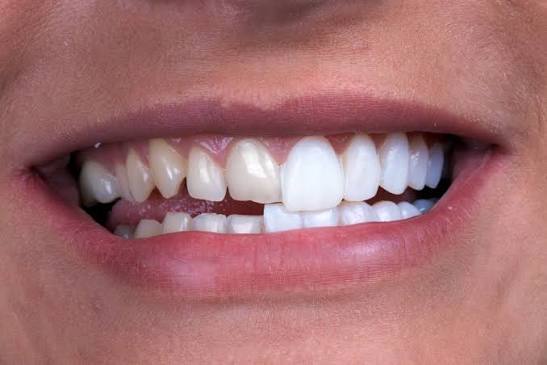
However, if a crown or veneer is to be made on a single tooth, the situation is quite delicate. If the adjacent natural tooth is slightly yellowish and has small white spots or hairline cracks related to aging, the laboratory technician must meticulously replicate these imperfections and details while creating that singular porcelain. Otherwise, a single bright white tooth sticks out like a foreign object. This detail work showcases the quality of the choice of color.
How Do Color Determination Protocols Work at Avrupadent Clinics?
In institutional medical service standards, one of the most critical steps in aesthetic treatments is color compatibility, managed through a systematic process that leaves nothing to chance. At Avrupadent clinics, both digital measurement devices and manual scales are utilized to record patients’ natural tooth tones, with final confirmation achieved through manual scales.
All obtained color data is transmitted to the laboratory via encrypted digital channels along with high-resolution clinical photographs. This meticulous coordination is a fundamental approach that supports the porcelain produced to exhibit perfect compatibility with the patient’s face and natural teeth during the first fitting.
What Are the Frequently Asked Questions?
1. Why is daylight preferred when selecting tooth color?
Artificial yellow room lights manipulate colors, so 5500K daylight-simulating lamps or natural sunlight are preferred to reflect the true tone of the tooth and its translucency in the most accurate way.
2. Should color selection be done when my teeth are dry or wet?
When teeth are dry, they temporarily appear dull and lighter; therefore, to capture the true color tone, teeth must be kept moist with saliva.
3. Are very white teeth suitable for everyone?
No, extremely white tones that do not harmonize with skin color, the whiteness of the sclera, and facial features create an artificial appearance; the ideal color must be determined specifically for the individual.
4. Is a digital spectrophotometer better than a manual scale?
Digital devices provide an objective advantage in color matching because they eliminate the margin of error of the human eye and present numerical data.
5. How is color matched when a single tooth is being restored?
The tone of adjacent teeth is analyzed millimetrically, considering translucency and surface stains, and color harmony is achieved by precisely replicating these with painting techniques.
6. Why does tooth color darken as one ages?
Over the years, due to the wear of enamel and the thickening of the underlying yellow dentin tissue, the natural color tone of the teeth tends to darken.
7. Can the color be changed if porcelain is not liked after it’s made?
The color of porcelain cannot be changed with chemical gels after it has been fired; however, if the color is not liked during the try-in before permanent cementation, the tone can be revised at the laboratory stage.
8. Do lipstick or makeup color choices affect the appearance?
Since vivid lipsticks and colorful makeup can manipulate the perceived color of the eyes, it is advised to neutralize the area around the lips during color selection.
9. What do the terms hue, chroma, and value refer to?
Hue defines the tone of the color (yellow/brown), chroma indicates the intensity of the color, and value refers to the brightness/lightness level of the color, which are fundamental colorimetric parameters.
10. What color should be chosen after teeth whitening (bleaching)?
Yes, if bleaching is to be applied to the entire tooth, the color selection should be made after the whitening process is completed and the shade is stabilized.
11. Is the color selection different for zirconium and E-Max coatings?
While E-Max reflects natural teeth perfectly due to its transparent structure, zirconium may require special color bases to mask darker teeth due to its opaque structure.
12. What is metamerism and how is it prevented in color selection?
Metamerism is the phenomenon where colors appear differently under different lighting; to avoid this, color matching is done under standardized daylight lamps.
13. How is color matching done according to European standards?
Digital scanning devices, spectrophotometers, and manual color charts are used together to eliminate error margins and transmit accurate data to the laboratory.
14. Do porcelain colors yellow over time due to tea or coffee?
Fired glass ceramic porcelains do not yellow on their own because they are non-porous and not affected by tea or coffee.
15. Can the micro-cracks in natural teeth be processed into porcelain?
Yes, skilled technicians can enhance the naturalness by processing the mini cracks and stains in the patient’s natural teeth onto the porcelain using dyeing techniques.