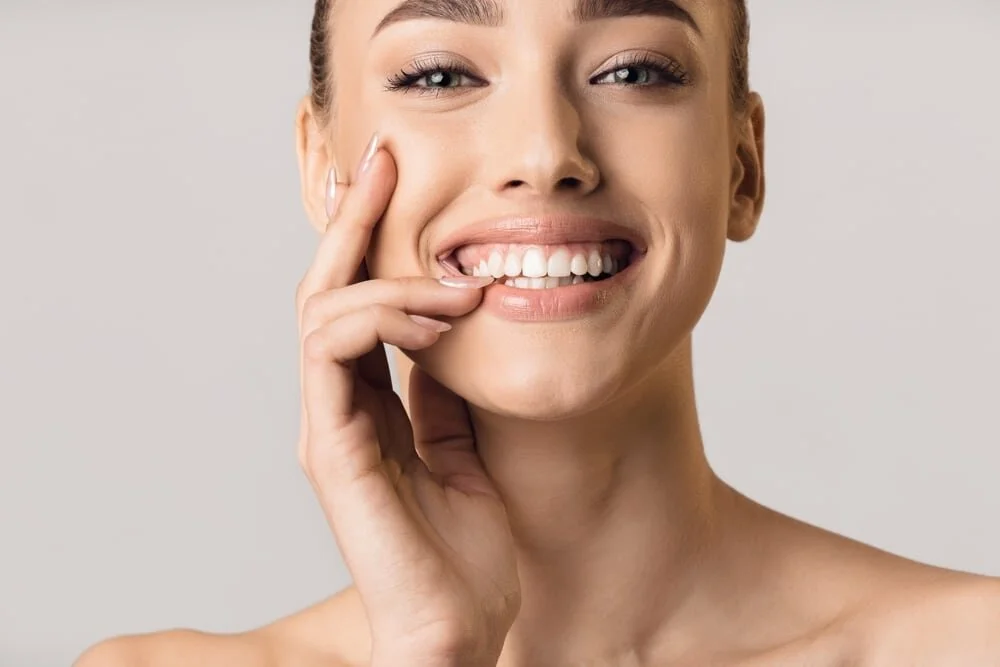
What Advantages Does Digital Smile Design Offer to the Patient?
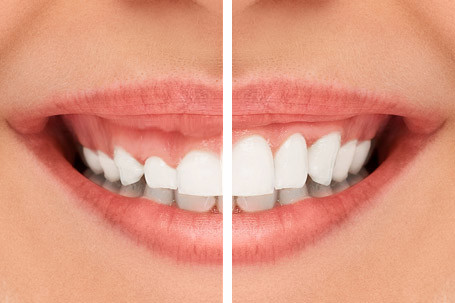
The use of technological infrastructures in the planning stages of aesthetic-focused arrangements in the field of dentistry offers a new perspective on treatment processes. In the past, patients were expected to mentally predict their appearances after treatment, whereas today, computer-aided design software has transformed this process into a more concrete structure. This technology, located at the core of developing Aesthetic Dentistry disciplines, supports active patient participation in treatment decisions. The design process aims to balance the relationship of teeth with the lip borders, the facial midline, and the gum form, not only determining the color or shape of the teeth according to aesthetic principles.
This method, which is also among the clinical assessment tools in Avrupadent’s clinical processes, allows for the blending of patients’ visual expectations with medical data. Anatomical measurements taken on the individual’s own facial photograph lay the groundwork for the emergence of a personalized plan.
On What Principle Does Digital Smile Design (DSD) Technology Fundamentally Operate?
In the first step of the process, portrait and smile photographs are taken from specific reference points on the patient. Simultaneously, an optical scanner inside the mouth creates a three-dimensional digital copy of the existing dental structure. When these digital data are transferred to the software, the doctor draws reference lines based on the distance between the patient’s pupils, nostrils, and the curvature of the lips.
The software calculates the potential widths, heights, and angulations of the teeth within this anatomical map, creating a personalized draft on the screen. The doctor develops a treatment plan by combining the patient’s aesthetic expectations and existing medical requirements on this digital template. This flow forms an analytical basis that concretizes the abstract processes of manual measurements and design methods.
How Can Patients Evaluate the Treatment Outcome Before the Procedure Starts?
One of the most significant contributions of digital smile design for patients is the ability to have a physical mock-up of the targeted new appearance in the mouth before any permanent medical intervention (like tooth grinding or cutting) takes place. The design approved on the computer screen is produced as precise resin models using three-dimensional printers.
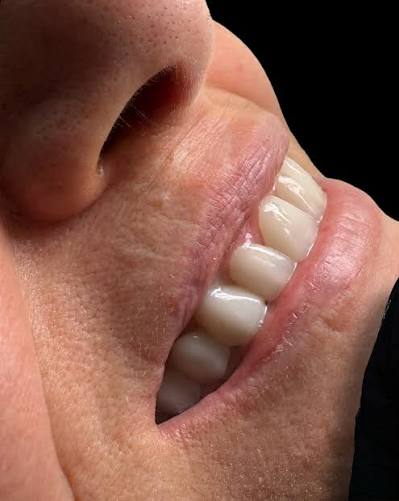
The silicone guides obtained through this model in a clinical setting are copied to the patient’s mouth using special temporary materials that adhere to the teeth. The patient can examine the designed tooth shape, length, and its relationship with the lips in a vivid way by standing in front of a mirror. In clinical practice, this trial phase is regarded as a clear communication tool that facilitates the patient’s compliance with the treatment.
| Traditional Planning Process | Digital Aesthetic Design Process |
|---|---|
| The outcome progresses depending on the laboratory and the physician’s mental conception. | The design is simulated in a digital environment proportionally with facial features beforehand. |
| The patient can see the temporary trial mostly after the teeth have been cut. | The patient evaluates their new appearance with the Mock-up in front of a mirror before the teeth are cut. |
| Making adjustments in planning may require additional clinical sessions. | Requested form changes can be updated quickly in a virtual environment. |
How is Aesthetic Expectation Management Between Doctor and Patient Supported?
One of the common communication situations encountered in aesthetic dentistry practices is the potential differences that may arise between the image in the patient’s mind and the prosthetic form planned by the physician. Concepts expressed by patients, such as greater clarity or better proportion, can be measured and transformed into visual data thanks to digital aesthetic design.
When the horizontal and vertical ratios of the teeth were displayed on the screen, it became clear to what extent the patient’s requests matched the boundaries of facial anatomy. This open dialogue environment helps in managing expectations on a realistic basis. In clinics in Europe, this reciprocal exchange of ideas is embraced as a routine part of the treatment process.
What Contributions Do Tissue-Conserving Restorative Approaches Offer?
In manual planning methods, while tooth shaping is done, the clinicians’ clinical measurements may lead to varying amounts of enamel tissue being removed in some cases. In digital planning systems, however, the areas where porcelain veneers or crowns will be positioned are designed with measurements in a virtual environment.
To ensure that the calculated amount of reduction for each tooth is preserved, guiding templates are used in the clinic to pay attention to the protection of dental tissue. This protective philosophy emerges as a medical approach that supports the natural structure of the tooth and its mechanical durability in the long term.
What Conveniences Does It Provide to Patients in Terms of Time and Treatment Planning?
In prosthetic dental treatments, communication gaps or discrepancies between the laboratory and clinical stages can lead to exceeding the targeted duration of treatment and requiring additional appointments. Digital smile design supports the clinical adaptation processes of the produced restorations by processing all these stages through a digital dataset.
Creating a planned timetable from the beginning of the process allows patients to organize their work and social lives more comfortably according to this treatment. The potential for a repeated need in laboratory trials decreases, which efficiently manages the clinic’s time and contributes to patients completing their treatment process comfortably.
How is Facial Symmetry and Dynamic Smile Line Harmony Evaluated?
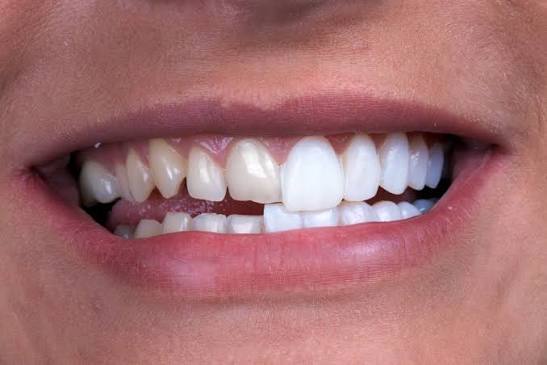
The dynamic nature of smile aesthetics is not just about the alignment of the teeth with each other. The line connecting the incisal edges of the upper teeth is expected to visually harmonize with the position of the lower lip when a person smiles.
Digital smile design software helps readjust tooth lengths according to this anatomy by examining these curvature discrepancies in portrait photographs. Thus, virtual adjustments made using the patient’s facial photographs help reduce a non-congruent appearance in dynamic expressions like speaking and smiling.
How is Jaw Joint and Occlusal Closure Dynamics Reflected in Design?
When planning an aesthetic appearance, ensuring that chewing function is not compromised is a fundamental requirement of medical ethics. If teeth designed aesthetically create early contact points in the jaw closure, it may lead to discomfort in the jaw joint in the future.
Digital planning systems record the chewing paths by analyzing the jaw relationships of the patient in a virtual environment. The length and inclination of newly designed teeth are adjusted according to these functional limitations. Thus, while achieving aesthetic goals, the patient’s chewing system is also aimed to be supported.
What Stages Do the Digital Aesthetic Design Processes in Avrupadent Clinics Involve?
In the provision of health services, the anatomical data of the patient and individual preferences are brought together through a communication-focused approach. Digital data flows support the transparency of treatment planning and the predictability of clinical steps.
Throughout the treatment process, prioritizing the protection of gum and enamel health, care is taken to inform the patient during planning. This regularly progressing process allows for the achievement of results in Aesthetic Dentistry that adapts to the patients’ facial anatomies and supports a natural appearance.
What are Frequently Asked Questions?
1. What is digital smile design and how does it benefit the clinical process?
It is a medical planning method that allows examining the teeth and face through photos in a digital environment, designing a new appearance tailored for the patient on a computer, and evaluating it before treatment.
2. Can I see the design result before any permanent procedure is performed on my teeth?
Yes, you can review the new appearance in front of a mirror through a mock-up made with temporary materials, using models produced by 3D printers without grinding your teeth.
3. How long does it take to prepare a digital smile design?
The initial examination, photo shooting, optical scanning, and preparation of the digital simulation are usually completed within a few days according to the doctor’s planning, making it ready for a mock-up.
4. Is this design process a painful application?
Since data is collected using optical scanners and cameras, it does not involve any physical intervention; therefore, it is a comfortable examination process that does not induce pain or discomfort.
5. Who can digital smile design be applied to?
It can be applied to adult individuals with a planned prosthetic restoration, stable gum and overall oral health, upon appropriate assessment after a clinical examination.
6. Can changes be requested during the mock-up phase?
During the mock-up phase, changes in tooth length, shape, or overall contours can be re-evaluated by making modifications in the virtual environment based on the mutual decision of the patient and the doctor.
7. What is the contribution of digital design compared to traditional measurement methods?
This allows for the visual preview of the treatment plan and enables a more controlled calculation of the changes planned to be made from the dental tissue.
8. How are aesthetic ratio rules used in smile design?
Software guides the structuring of the teeth’s height/width ratios according to aesthetic rules based on the width and length values provided as references.
9. Does digital smile design make the treatment process more efficient?
It supports the consistency stages to increase data clarity in communication between the laboratory and clinic and helps ensure that the appointment schedule operates more regularly.
10. In what environment are photographs taken for digital analysis?
Photographs are taken in a clinical studio environment using macro-feature cameras and proper lighting from standard portrait and intraoral angles.
11. Is the jaw joint alignment included in the design?
Jaw movements are transferred to the digital environment with virtual articulator programs, and the relationship between the new tooth forms and the chewing forces is examined in this regard.
12. What treatment methods are used after digital design?
Based on the design approved by the doctor and the patient; referrals can be made to porcelain veneers, zirconium crowns, composite bonding, or clear aligner applications.
13. Can differences in gum levels be planned with this design?
The gum levels are also examined through photographs, and in cases where needed, the pink aesthetics (gum shaping) procedures to be performed are included in the design.
14. How is the design on the computer transferred to physical production?
Thanks to CAD/CAM systems and precise laboratory methods, the digital data on the screen is processed to guide the shaping of ceramic restorations.
15. How is this process managed according to Europadent standards?
The analysis of high-resolution digital data, respect for the anatomy of the face, and evaluations by expert practitioners lead to an individualized plan being followed.