Which Age Groups Can Aesthetic Dental Treatments Be Planned For?
In dental practice, rather than the chronological age of the individual, their biological development and anatomical maturity are considered as fundamental data when making medical decisions. The oral, jaw, and facial region (maxillofacial area) shows growth and shape alteration patterns from birth until the twenties. This physiological process directly affects the sizes of teeth, their occlusal relationships, and gum levels. The age factor provides clinical guidance to physicians regarding which materials and methods will be used. Fixed prosthetic restorations applied during a period when the skeletal structure is still developing differ structurally from approaches used in adulthood.
Although there are misconceptions that aesthetic expectations within society only address certain age groups, current clinical approaches show that each age stage has its own unique proportional and visual needs. For example, the enamel light permeability characteristics of a person in their teens differ optically from that of a person in their fifties. Evaluations made during clinical processes at Avrupadent also indicate that bio-compatible plans tailored to the patient’s age and bone metabolism support the long-term success of the treatment.
Why is Skeletal Growth Considered in Aesthetic Dentistry Applications?
The growth and development stages of the human body are also actively observed in the jawbones. The lower jaw (mandible) and upper jaw (maxilla) bones are in a state of elongation and volumetric broadening until the end of puberty. During this growth phase of the bones, the vertical and horizontal positions of the teeth within the alveolar bone continue to shift along with the surrounding tissues. According to the principles of Aesthetic Dentistry, when planning multiple bridges connecting several teeth or permanent implants placed into the bone during a period when bone development is not complete, the growing jawbone may struggle to shape around these fixed structures.
While skeletal growth continues, the gingival margins of porcelain crowns may remain behind the root tip due to the continued eruption (elongation) of the teeth. This situation can lead to the restoration margin borders being exposed and disrupt visual harmony. This biological reality directs practitioners to choose more tissue-preserving, temporary, or orthodontic redirecting treatments in younger patients. After skeletal maturity is achieved, the transition is made to more permanent and fixed prosthetic procedures.
What Aesthetic Dental Treatments Can Be Pursued During Childhood and Adolescence?
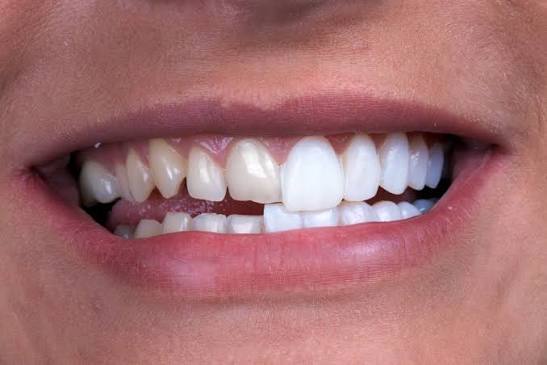
In early age groups, aesthetic expectations generally arise in connection with fractures caused by dental accidents or external mechanical trauma (such as falls, blows, etc.). The breaking of anterior teeth in school-age children is a commonly encountered situation. At this age, since the nerve chamber (pulp) of the tooth is quite large, reducing the tooth to apply a porcelain crown carries the risk of damaging the nerve tissue. Instead, without any abrasion on the tooth enamel, the broken part’s form is reconstructed with special resin composite fillings. These restorations, called composite bonding, contribute to the child’s smile aesthetics, supporting psychological and social development.
Additionally, this period is the most valuable time frame in which the growth potential of the jawbones can be orthodically guided. Permanent teeth that are crooked or spaced apart can be aligned to the proper curve arrangement with clear aligners or traditional brackets. Bringing teeth into their ideal skeletal positions is a preventive dental approach that helps reduce the number of more extensive restorative interventions that may be needed in later years.
| Developmental Stage (Age Range) | Priority Medical Approach | Preferred Application |
|---|---|---|
| Mixed Dentition (Ages 7-12) | Guiding jaw development and creating space. | Functional appliances and repairs for anterior teeth trauma. |
| Adolescence (Ages 12-18) | Aligning permanent teeth to the ideal curve form. | Composite fillings and aesthetic treatments. |
| Young Adulthood (18-35 Years) | Adjustments for lasting color, shape, and gum symmetry. | Porcelain veneers, whitening, gingivoplasty. |
What is the Scope of Planned Aesthetic Procedures in Young Adulthood?
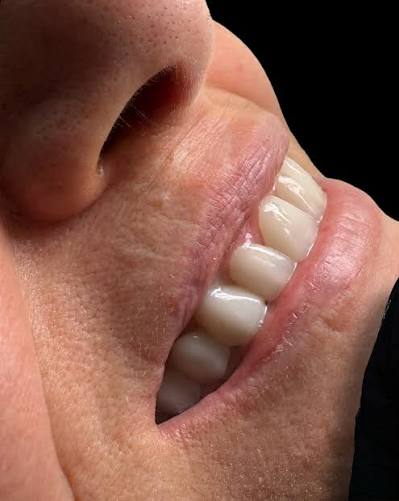
With the onset of the twenties, changes in the size of the jawbone stabilize, and the gum borders settle into the adult form. This biological stability prepares a suitable ground for Aesthetic Dentistry procedures. One of the most requested procedures among young adults is porcelain veneers (leaf porcelain), which can be applied with minimal grinding on the front surfaces of the teeth. Since skeletal growth has halted, the compatibility of the veneers with the gums shows a tendency to maintain for many years.
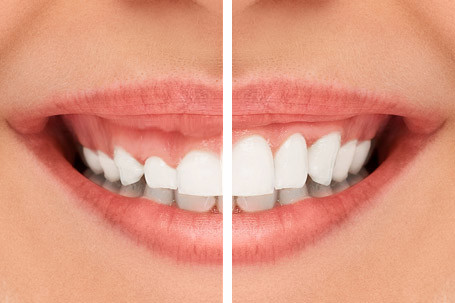
In this age group, office-type tooth whitening (bleaching) procedures performed in clinical settings are commonly evaluated for eliminating stubborn stains that have settled on the enamel due to coffee, tea, or tobacco consumption. Due to the high lip thickness and tissue elasticity of young individuals, the prosthetic designs made support a more prominent and proportional appearance of tooth lengths aesthetically.
What Aesthetic Dental Treatments Respond to the Needs of the Middle Age Group?
Individuals aged thirty-five to fifty-five have dental tissues exposed to various mechanical, thermal, and chemical factors for many years. Stress-related teeth grinding (bruxism) habits can cause shortness in the cutting edges of the teeth and cracks in the enamel surface. As the enamel layer thins, the underlying yellowish dentin tissue reflects more, and the overall color of the teeth tends to darken with age. Planned restorative approaches at this stage aim not only to restore aesthetics but also to repair the compromised mechanical strength.
Porcelain occlusal (chewing surface) veneers or zirconium crowns can be planned to restore decayed and shortened teeth to their former vertical form. Thanks to its high resistance, zirconium material provides supportive infrastructure in back teeth that bear the fatigue of years, while also helping to meet aesthetic expectations due to its lack of metal. Additionally, in the middle age group, renewing previously made metal-supported crowns that have lost edge compatibility with modern full ceramic systems constitutes an important part of the clinical flow.
How Are Aesthetic and Functional Restorations Conducted Together in the Advanced Age (Geriatric) Period?
The geriatric (older age) period is a process where the decrease in bone density, gum recessions, and multiple tooth losses become more pronounced. As a result of tooth loss or severe abrasions, the lower jaw moves closer to the upper jaw (vertical dimension loss). This skeletal change leads to sagging of the tissues in the lower part of the face and the thinning of the lips, creating deep creases at the corners of the mouth (marionette lines). Aesthetic planning in this age group is often designed as a comprehensive facial restoration.
When doctors design implant-supported prostheses or zirconium bridges, they restore the lost vertical dimension by extending the heights of the teeth within certain physiological limits. Supporting the inner part of the lips with porcelain contributes to balancing the sunken appearance in the facial profile. Additionally, in tooth forms designed for the older age group, natural translucent ceramic colors are preferred instead of artificially white (bleach) tones, to support natural appearance and match the individual’s skin tone and anatomical age.
How is the lower age limit determined for porcelain laminate applications?
Porcelain laminates are fixed restorations that maintain their shape for many years by being bonded to the front surfaces of teeth with special adhesive cements. For these restorations to have a long lifespan, it is expected that the foundation they are placed on, namely the teeth and surrounding tissues, do not change position anymore. If a porcelain laminate is applied to a patient at fifteen years old, as the individual’s jaw continues to grow, the teeth will gradually shift within the alveolar bone.
When this growth occurs, the border of the laminate, which was previously finished at the level of the gum line, remains significantly behind the root tip, causing the tooth’s own tissue to be exposed. This resulting gap disrupts both aesthetic integrity and leads to plaque accumulation. For these biological reasons, waiting until the skeletal development is complete, at eighteen years of age or later, for switching to long-lasting restorations like porcelain laminates in the field of Aesthetic Dentistry is considered a clinical necessity.
Is There an Age Criterion for Orthodontic Treatments with Clear Aligners?
Orthodontic tooth movements rely on the cellular adaptations and remodeling reactions (the response) of the periodontal ligaments surrounding the tooth root and the jawbone to applied light forces. As long as the supporting bone tissue (alveolar crest) is healthy, it is physiologically possible for teeth to shift within the bone at any age. For this reason, clear aligners (aligner systems) can serve a wide patient profile from the twenties to the seventies.
In patients during adulthood, bone metabolism progresses more slowly compared to adolescents, which means that tooth movements may take slightly longer; however, this does not impede the success of the treatment. Particularly, aligning crowded teeth with clear aligners before placing prosthetic crowns in older age is a highly valued method because it allows for less abrasion during the crown placement process.
At What Ages Are Teeth Whitening (Bleaching) Procedures Recommended?
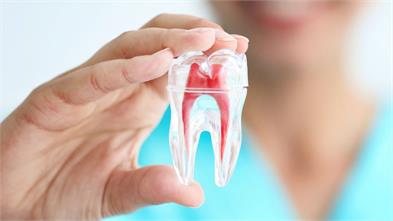
During childhood and early adolescence, the pulp chamber, which contains the blood vessels and nerve bundles of newly erupted permanent teeth, is quite voluminous. Additionally, the enamel tubules have a more permeable structure against external factors. Active ingredients like hydrogen peroxide, used in whitening gels, penetrate through the enamel pores and oxidize the discolorations. When these chemicals are applied widely in the pulp chamber, they can stimulate the nerve endings, leading to severe thermal (hot-cold) sensitivity.
As age progresses, the tooth forms a protective layer called secondary dentin as a result of its own cellular activity, and the nerve chamber gradually narrows. This anatomical maturation makes teeth more resistant to external stimuli. Therefore, planning chemical whitening procedures after the age of eighteen, when tooth tissues have developed this internal protective mechanism, is important for maintaining medical comfort.
What Methods Can Be Considered for Gum Recession Related to Aging?
The factor of time can lead to thinning and structural changes in gum tissues, just as it does in other soft tissues of the body. With the melting of the triangular tissues known as papillae between teeth, black spaces that shadow aesthetics appear in those areas (black triangles). These gaps cause both air escape during speech and visual asymmetry.
In such involution (regression) situations, doctors extend the contact points of the teeth by adding composite resins or thin ceramics to the lateral surfaces of the teeth, as far as the bone level allows, and try to close the gap in between. In cases of severe tissue loss, artificial pink ceramics are worked into the collar areas of zirconium or porcelain crowns to simulate the appearance of gum and preserve the natural profile.
| Observed Aging Changes | Aesthetic and Functional Issues | Possible Prosthetic Approaches |
|---|---|---|
| Melting of Papilla (Interdental Tissue) | Black spaces between teeth (Black triangles). | Composite additions and laminate. |
| Enamel Wear (Attrition) | Shortening and yellowing of tooth dimensions. | Occlusal porcelain veneers, zirconium. |
| Loss of Vertical Dimension (Closure) | Lip sagging and indentation in the cheeks. | Increasing height with crowns or implants. |
How is the personalized treatment planning organized in dental processes at Avrupadent?
In corporate medical service standards, aiming for an aesthetic outcome is supported by respect for the physiological limits of the patient. A design that mimics the translucency of a young individual’s enamel will differ from the infrastructure that meets the functional expectations of an older individual. Radiographic and visual data obtained during clinical examinations shape the foundation of treatment.
Throughout this systematic process, the aim is to support the patient’s tissue health. By choosing prosthetic or protective methods suitable for each age’s natural state, necessary guidance is provided to ensure that aesthetic integrity can accompany the patient over the years.
What are Frequently Asked Questions?
1. Can porcelain veneers be made for a 15-year-old individual?
Since the development of the jawbone is still ongoing, fixed restorations like porcelain veneers are not recommended; composite bonding or orthodontic alignments that protect the tissue are considered at this age.
2. Is there an upper age limit for aesthetic dental treatments?
As long as the individual’s overall health, gum, and jawbone supports are sufficient, there is no upper age limit for aesthetic and prosthetic treatments.
3. Can orthodontic treatment with clear aligners be performed at the age of fifty?
Yes, the procedure of aligning teeth with transparent aligners can be planned in adulthood and later stages, as long as the alveolar bone tissue surrounding the teeth is healthy.
4. Can teeth whitening procedures be applied to children?
It is clinically not recommended to apply teeth whitening procedures before the age of eighteen due to the permeability of the enamel and the expansion of the nerve chamber (pulp).
5. At what age can zirconium crowns be made?
The period after eighteen years, when the development and growth of the teeth are completed and the jawbone reaches its final volume, is considered suitable for fixed crowns such as zirconium.
6. Why do teeth appear more yellow or darker in older ages?
Over the years, the wear of the transparent enamel layer on the tooth and the thickening of the underlying yellowish dentin tissue cause teeth to physiologically take on a darker tone.
7. Is the treatment for gum aesthetics (gummy smile) in young individuals permanent?
Gum shaping procedures performed with laser generally tend to offer a permanent effect, provided they are applied after skeletal growth has stopped, depending on the level of the bone.
8. Is it possible to make aesthetic crowns for milk teeth?
Prefabricated pediatric zirconium or stainless steel crowns specifically designed for children can be applied to milk teeth at risk of early loss or those with severe decay to protect the tissue.
9. How does the decrease in vertical dimension in older ages reflect on the face?
The alignment of teeth leads to the approximation of the jaws, the loss of lip support, the shortening of the lower facial part, and the creation of an aged facial profile.
10. Can composite bonding be renewed at any age?
Since composite bonding procedures do not require the removal of tooth structure, any wear that may occur in the material can be easily renewed in a clinical setting at any age group.
11. Can implants be placed while the jawbone is still developing?
Since implants cannot accommodate growth while remaining fixed in the bone, their application is not medically planned until skeletal growth is complete (typically before the age of 18-20).
12. How are age-related gaps between teeth (black triangles) closed?
These gaps, caused by gum recession, can be optically masked with composite fillings or thin porcelain laminates applied to the lateral surfaces of the teeth.
13. Is orthodontic treatment beneficial after the age of twenty?
Because tooth movements can continue on a cellular level at any age, orthodontic treatments in the twenties and beyond lay the groundwork for positive functional and aesthetic outcomes.
14. Do porcelain laminates break in older patients?
The strength of porcelain material is related to laboratory technology and chewing habits rather than age; when there is healthy dental support, its durability can be maintained even in later years.
15. How is age-appropriate color selection made according to Avrupadent standards?
Considering the age of the hospital, its transparency and skin color are referenced, the most suitable natural tones are transferred to the laboratory using digital measurements instead of exaggerated and artificial whiteness.