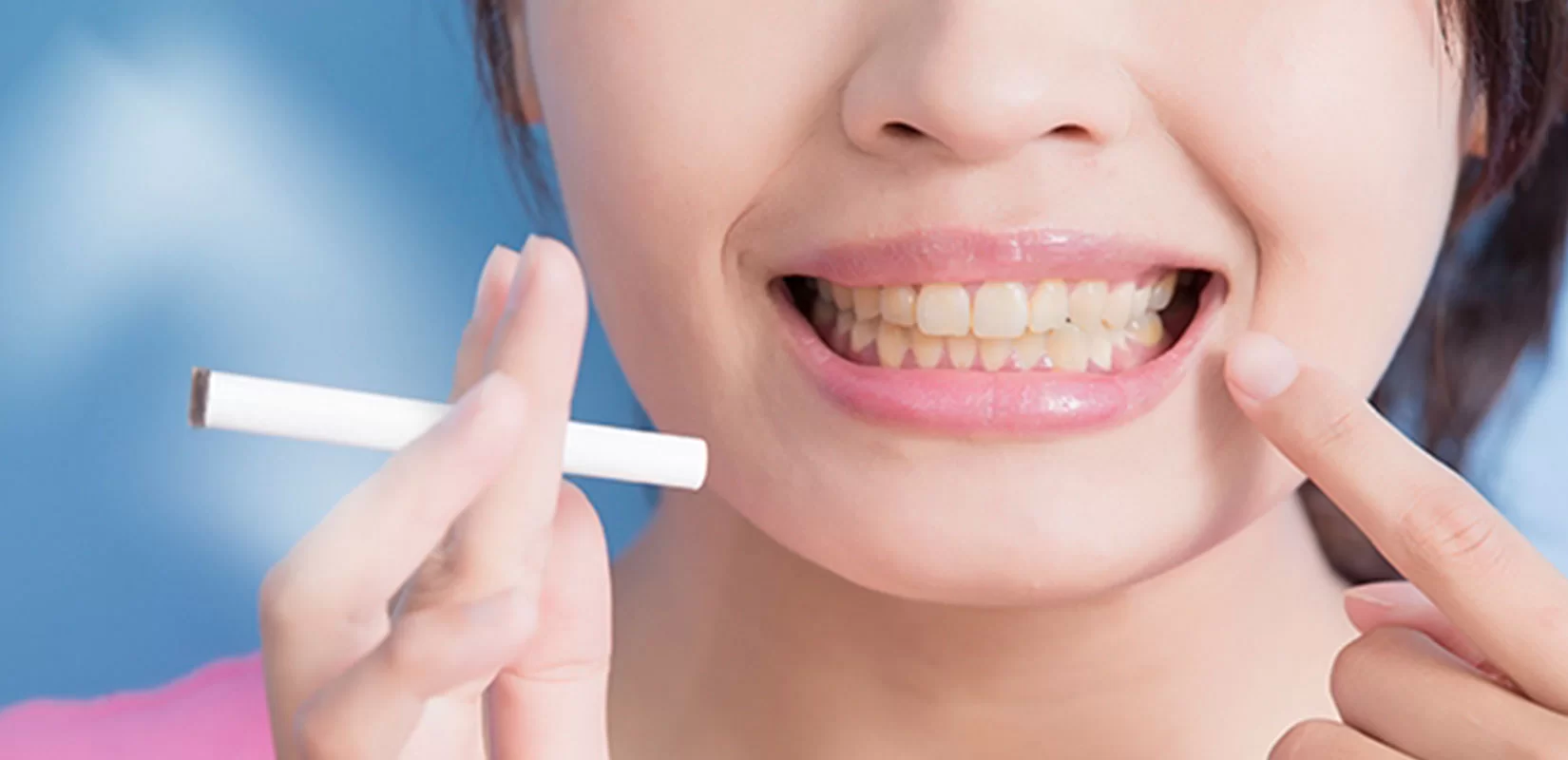
Does Smoking Affect Aesthetic Dental Treatments?
Restorative procedures that are performed in the mouth and jaw anatomies are based on a delicate medical balance that involves the use of materials compatible with the patient’s natural biology. This balance is influenced not only by the clinical skills of the practitioner or the quality of laboratory production but also by the daily habits of the patient that affect the oral environment. The consumption of tobacco products, which is commonly observed in society, is a chemical factor that directly pressures the oral flora, the quality of the tobacco use, and the supporting tissues surrounding the teeth (periodontium). The success of the Aesthetic Dentistry procedures depends on the health of the gum tissue where the restorations sit, making it essential to study the effects of smoking in this process for medical reasons.
The thousands of different components contained in tobacco smoke have the potential to affect the surface chemistry of both tooth enamel and prosthetic materials through substances like tar and nicotine. In the planning processes at Avrupadent, material selection and post-treatment care instructions are personalized by considering the patient’s smoking history.
How Does Smoking Affect Gum Health?
Do Tobacco Products Affect the Color Stability of Porcelain Laminate Applications?
Porcelain laminates and glass ceramic restorations are produced in the laboratory environment by being vitrified at high temperatures (glaze process). This results in a non-porous, homogeneous, and highly resistant surface against external factors. Tar from cigarette smoke cannot penetrate into this ceramic material; in this respect, porcelains exhibit a higher resistance to staining compared to natural teeth.
However, aesthetic restorations are created using special adhesive cements containing composite materials. The microstructure of these bonding agents may not be as resistant to tobacco pigments as glass ceramics. Regular and intense tobacco use may lead to the formation of thin, dark lines over time at the gingival margin where the tooth and porcelain laminate meet. Aesthetic Dentistry experts indicate that these types of surface additions can be kept under control with professional clinical care.
| Material Type | Staining Resistance Against Tobacco Pigments | Clinical Effect Area |
|---|---|---|
| Full Ceramic / Porcelain | Highly Resistant (Non-porous glazed surface) | No direct staining is expected on the surface of the restoration. |
| Adhesive Resin Cements | Medium Resistant (May cause micro retention) | Staining in the form of lines at the junctions of tooth and porcelain. |
| Composite Bonding | Low Resistance (Micro-porous structure) | Gradual yellowing/mattification on the entire surface of the filling. |
How Does Smoking Affect Tissue Compatibility in Zirconium Crown Procedures?
During the application phase of zirconium-based crowns, a millimeter preparation (shaping) is performed around the gums. Although care is taken to protect the gums during the procedure, tissue adaptation to this new form requires cell renewal. The use of tobacco can suppress the rate of cell renewal and the healing capacity of the tissue, which may lead to more recession or delayed healing than expected in the gums during the use of temporary teeth.
Zirconium crowns exhibit biocompatibility with the gums due to their non-metallic structure and do not oxidize. However, when the health of the gums declines and tissue recession occurs due to tobacco use, unwanted aesthetic gaps may appear between the end limit of the zirconium coating and the gums. To limit this situation, it is recommended to pay extra attention to oral hygiene throughout the treatment period.
What Are the Effects of Smoking After Composite Bonding Procedures?
Composite bonding applications preferred for repairing surface imperfections and small cracks in the enamel may not remain as pure as ceramics when exposed to external factors. Although detailed polishing during application can make the surface smoother, the elastic nature of the material allows for the opening of micro-pores due to temperature changes.
Intense tobacco use can prepare the ground for brown and yellow pigments to settle in these micro-pores. Areas where bonding has been applied can change color faster compared to the surrounding natural enamel. In order to manage these aesthetic deviations, it’s considered part of the treatment plan for individuals who smoke to re-polish their composite fillings in a clinical setting at regular intervals.
How Does the Use of Tobacco Guide Teeth Whitening Treatments?
Office-type or home-type chemical whitening procedures oxidize the color molecules in the dental enamel. The first few days after the procedure (on average 48-72 hours) the enamel tubules are open and sensitive to fluid penetrations from the outside. This period is a critical time known as the “white diet,” where avoidance of staining agents is essential.
Using tobacco immediately after or during the teeth whitening process causes dark particles from the tobacco to directly enter the lighter-colored teeth. This situation can not only limit the effect of whitening but may also lead to teeth taking on a more wavy and asymmetric color than before. To achieve the desired result, it is shared with patients that they should refrain from using tobacco throughout the whitening period.
Do Electronic Cigarettes and Heated Tobacco Products Affect Aesthetic Treatments?
While electronic cigarettes (vapes) or systems that heat tobacco are used as alternatives to traditional cigarettes and contain fewer dense pigmented substances like tar, they create different chemical pressures on the oral flora. Vapors containing propylene glycol and vegetable glycerin reduce the moisture level in the mouth, slowing the flow rate of saliva.
Saliva is the basic defense mechanism that naturally washes teeth and prosthetic restorations, balancing the acidity (pH) of the environment. With the reduction of saliva, the mouth environment can become acidic, leading to the dulling of composite fillings and accelerating plaque accumulation at the gum margins. Additionally, the nicotine in these products continues to suppress gum circulation.
How Should the Care of Aesthetic Restorations Be Regulated for Smoking Individuals?
Oral care routines for patients with a history of tobacco use require more careful discipline than standard practices. The areas where porcelain and zirconium crowns or laminates merge with dental tissue are the most important focus for mechanical cleaning. It is not recommended to use granular toothpastes with a high abrasive content (RDA value) to remove stubborn deposits (tartar and plaque) caused by smoking, as they may wear down porcelain surfaces in the long term.
Instead, the duration of daily brushing should be extended, and interproximal brushes should certainly be used in conjunction with dental floss. To encourage saliva flow, water intake during the day should be increased, and acidic environments should be limited. In cases where home care is insufficient, gentle cleaning of surfaces by a clinical practitioner supports the preservation of aesthetic investments.
How Should Planning Be Conducted for Smokers in Avrupadent Processes?
In corporate medical service approaches, the individual habits and lifestyle of the patient are considered a guiding parameter in shaping the treatment plan. In Avrupadent clinics, aesthetic plans directed towards individuals who use tobacco are adapted to this biological tempo, anticipating possible slowdowns in tissue healing rates and adjusting clinical appointment intervals accordingly.
In the selection of materials to be used, Aesthetic Dentistry experts may prioritize porcelain options that have lower surface porosity instead of composite materials. After the treatment is completed, a regular maintenance and examination schedule is organized with clear communication to detect possible tissue changes early.
What Are Frequently Asked Questions?
1. How long is it advised to refrain from smoking after the treatment?
Depending on the procedure performed, especially if gum interventions or tooth extractions were done, it is recommended to avoid tobacco use for the first 48 to 72 hours to support wound healing.
2. Does smoking cause porcelain teeth to turn yellow?
Since glazed porcelain surfaces do not absorb pigments due to their structure, they do not yellow; however, tartar accumulation or compounds at the interface can become discolored, affecting visual harmony.
3. If my composite fillings have yellowed, do they need to be replaced?
Surface tobacco stains on composite restorations can often be cleaned with simple polishing procedures performed in a clinical setting; however, renewal may be necessary in cases of deep staining.
4. Can teeth whitening procedures be applied to smokers?
It is applicable; however, to maintain the effectiveness of whitening, it should be aimed not to use any substances at least during the treatment sessions and for a few days after the procedure.
5. Does using an electronic cigarette damage the gums?
The heat, chemical vapor, and nicotine in its content can lead to dry mouth, which may negatively affect the tissue health due to the limitation of blood circulation in the gums.
6. Does zirconium coating hold cigarette stains?
The porcelain layer on zirconium is non-porous and tends to be less stain-prone compared to natural teeth; with regular brushing, tobacco residues can be removed from the surface.
7. Do porcelain laminates have a shorter lifespan in smokers?
The mechanical lifespan of porcelain does not decrease, but the pullbacks that smoking can cause in the gums might compromise the laminate’s fit, thus indirectly affecting its aesthetic lifespan.
8. What is the role of smoking in implant-supported aesthetic prostheses?
Smoking is considered a risk factor since it can slow down the process of the implant’s integration with the bone (osseointegration) and may limit the nourishment of the surrounding gum tissue.
9. Should powders like baking soda be used to remove cigarette stains?
Coarse and abrasive substances like baking soda are not recommended for use after aesthetic treatments as they may scratch the surface polish of porcelain and composites.
10. Should tartar cleaning be done more frequently for smokers?
Since the use of tobacco can affect plaque and calculus formation rate, it may be advisable for these individuals to come for more frequent check-ups based on their doctor’s recommendations instead of the standard 6-month intervals.
11. Does mouthwash help reduce the effects of smoking?
Alcohol-free and fluoride-containing mouth rinses support the oral flora, but they cannot eliminate the cellular effects caused by tobacco, such as vasoconstriction.
12. Is it mandatory to quit smoking before aesthetic treatment?
Although it is not a mandatory condition, the potential effects of smoking are shared in detail with patients to optimize tissue healing and contribute to the longevity of restorations.
13. Does using a hookah affect porcelain teeth?
Since hookah smoke contains a significant amount of heavy metals and tar, it can negatively affect the oral mucosa and the restoration margins similarly to smoking.
14. Does cigarette smoke harm temporary teeth?
Since acrylic-based temporary teeth have a highly porous structure, they quickly absorb tobacco pigments and can become yellow within a few days, causing aesthetic losses.
15. How are stains related to tobacco use cleaned according to Avrupadent standards?
The additions are cleaned using special ultrasonic instruments and specialized polishing devices that do not scratch the restoration surfaces, and the materials’ shine is reinstated in a clinical setting.