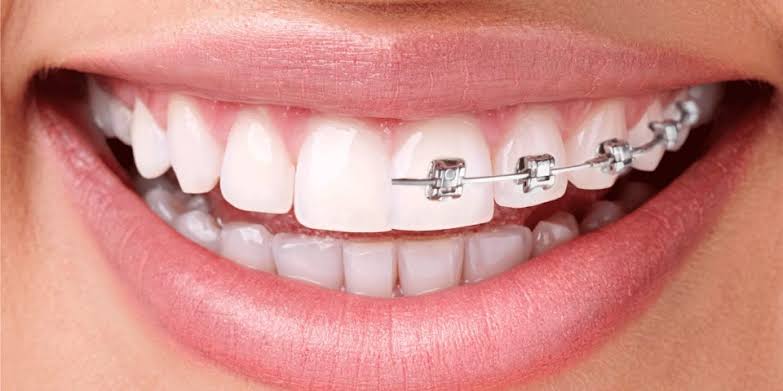
What is Orthodontics? Which Dental Problems Does it Address?
Dental practice is not limited to just the restoration of cavities or the replacement of missing teeth, but encompasses a broad medical spectrum that considers the functional dynamics of the mouth and jaw area as a whole. Within this scope, detailed topics such as the alignment of teeth within the bone structure, correct positioning of the temporomandibular joint (TMJ), and the skeletal development of the facial profile constitute the working area of orthodontic science. Crooked or gapped teeth not only create aesthetic differences but also have the potential to influence various life functions including chewing efficiency, speech phonetics, and maintenance of oral hygiene.
These treatment processes, generally known in society through metal wires or transparent plates, actually rely on complex biomechanical principles. Specific and gentle forces applied to the teeth initiate a cellular-level remodeling in the bone tissue, supporting the teeth’s alignment with their ideal curves over time. The planning carried out in Avrupadent clinical processes considers the patients’ age and skeletal development characteristics, observing the long-term tissue compatibility of this anatomical alignment.
What Anatomical Structures and Dental Problems Does Orthodontics Examine?
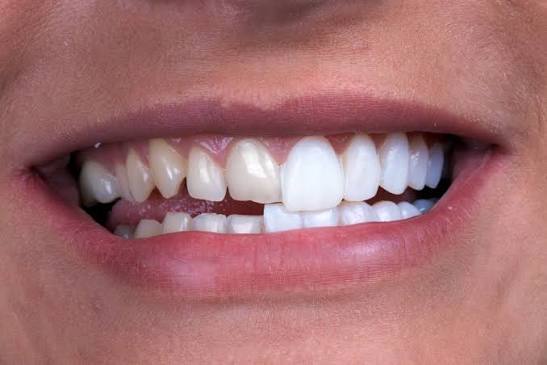
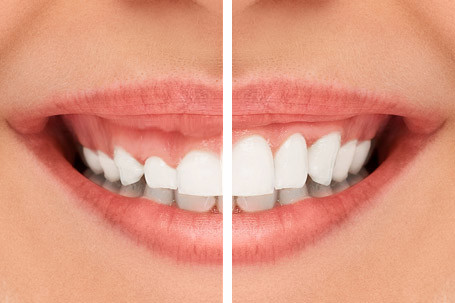
The alignment of teeth within the mouth can be influenced not only by genetic factors but also by environmental factors such as thumb sucking during childhood, prolonged use of pacifiers, or early loss of primary teeth. When there is a mismatch between the size of the lower jaw and the permanent teeth that will erupt, the teeth may be positioned in a curved (rotated) or stacked (crowded) form to find space on the arch. Orthodontic evaluations focus on identifying the skeletal or dental causes underlying these alignment issues.
Skeletal problems include situations reflected in the facial profile, such as the lower jaw being positioned further back than normal or excessive growth of the upper jaw. Problems that remain solely in the dental dimension describe cases where the jawbone is normal, but the teeth are arranged irregularly within themselves. Physicians categorize these anatomical differences through a medical index known as the Angle Classification, developing personalized treatment approaches.
| Type of Orthodontic Problem | Anatomical Encounter (Diagnosis) | Possible Functional Effects |
|---|---|---|
| Crowding | Teeth stacking on top of each other without fitting into the jaw arch. | Increased risk of tooth decay and difficulties in brushing. |
| Openbite | Gap remaining between front teeth while back teeth are in contact. | Reduction in biting function and differences in speech. |
| Crossbite | Upper teeth closing behind (inside) lower teeth. | Unequal load formation on the temporomandibular joint (TMJ). |
How Does Malocclusion Affect Chewing Functions?
A healthy chewing function depends on the teeth interlocking like a coordinated gear mechanism in the upper and lower jaw. When teeth are not in correct positions on an arc, forces cannot be transmitted parallel to the long axis of the teeth during chewing. Teeth that are tilted or rotated can create early contact points with opposing teeth, causing deviations from the natural path of jaw movements.
These disproportionate contacts can lead, over time, to non-physiological enamel abrasions on the chewing surfaces of certain teeth. Additionally, insufficient grinding of foods can alter the form of nutrients reaching the digestive system, thereby being assessed as factors affecting overall health. Orthodontic practices allow restoring the balance of chewing by mechanically positioning the teeth correctly.
What Steps Are Taken in Orthodontic Assessment Processes in a Clinical Setting?
To analyze a dental alignment problem, it is essential to clearly map the source of the issue first. The orthodontic assessment stage requires more analytical data than a routine dental examination. Cephalometric X-rays are specific imaging tools that show the angular relationships between the individual’s cranial base and jawbones. The physician examines the patient’s growth potential and bone positions by making millimetric drawings on these X-rays.
Using intraoral scanners, a three-dimensional digital copy of the patient’s dental structure is obtained. These digital models allow for a detailed examination of the width of dental arches, tooth dimensions, and asymmetries on a computer screen. All acquired radiological, photographic, and digital data are combined to develop a personalized treatment plan that aligns with the individual’s biological limits.
What Methods Are Used to Address Lower and Upper Jaw Occlusion Discrepancies?
Problems in jaw closure are managed with different medical devices depending on the timing of treatment. In the phase before puberty, when bones are still moldable (elastic), special orthopedic devices are used that are fitted inside or outside the mouth. These devices function to promote the development of a deficient lower jaw or to help balance the development vector of the upper jaw.
After skeletal maturity is completed, it is no longer possible to change bone sizes only with appliances; therefore, treatment primarily focuses on adapting teeth to new positions within the existing bone constraints. Brackets bonded to the teeth and archwires that pass through these brackets apply controlled and continuous force to the teeth. In necessary cases, orthodontic elastics placed between the patient’s upper and lower jaws create auxiliary forces that assist in establishing the occlusion relationship.
- Class I Malocclusion: The jaw relationship is normal, but there is crowding or spacing in the teeth.
- Class II Malocclusion: The upper jaw is positioned more forward than the lower jaw (overjet).
- Class III Malocclusion: The lower jaw is positioned more forward than the upper jaw (underbite).
How is the Clear Plate (Aligner) Method Included in Orthodontic Approaches?
Advancements in materials science and computer-aided design (CAD/CAM) technologies have popularized the use of clear aligners in orthodontic treatments. Digital data obtained from the patient’s mouth is transformed into a video animation simulating how the teeth will move week by week, thanks to special algorithms. Based on this simulation, a series of clear aligners, each designed to move the teeth by a tenth of a millimeter, are produced.
The patient typically continues the treatment on their own by changing the aligners every two weeks. The ability to put on and remove clear aligners eliminates restrictions while eating and allows for better oral hygiene compared to traditional braces. The reduction of lip and cheek irritation that brackets can cause also contributes to the frequent preference for these systems among adult patients.
What Are the Key Differences Between Metal and Porcelain Brackets?
The small holders applied to the teeth in fixed orthodontic treatments are referred to as brackets. Metal brackets, which are based on traditional approaches and have low friction coefficients, are a durable option supported mechanically for tooth movement. Their structures made of steel or titanium alloys minimize the likelihood of deformation against chewing forces.
Porcelain (ceramic) or sapphire brackets are designed for individuals who have high aesthetic concerns and do not want the treatment process to attract attention in their social life. Because they are very close in tone to the natural color of the teeth, it is difficult to notice them from a certain distance. The ceramic material may be slightly more fragile compared to metal due to its structure, which may require being a bit more careful when consuming hard foods; however, both systems’ tooth alignment principles are based on the same biomechanical foundations.
| Bracket Type | Visual Characteristic | Clinical Use Detail |
|---|---|---|
| Metal Bracket | Gray in color, clearly visible from the outside. | High mechanical resistance, low friction coefficient. |
| Porcelain (Ceramic) Bracket | Tooth color, partially opaque/matt. | Supports aesthetic expectations, good stain resistance. |
| Sapphire Bracket | Completely transparent and glass-like. | Reflects the natural color of the tooth, compatible aesthetically. |
Why Are Orthodontic Approaches Important During Childhood and Adolescence?
The growth spurt of an individual offers a strategic window for orthodontic interventions to manage issues in jaw relationships non-surgically. The mixed dentition stage, starting around the ages of seven to eight, allows practitioners to detect potential space shortages in advance, as the early loss of primary teeth can lead to the closing of space needed for permanent teeth, which may later cause impaction issues.
The use of space maintainers or palatal expanders at this age supports the volume of the upper jaw, providing a suitable foundation for the proper alignment of future permanent teeth along the arch. Since discrepancies in the size of the jaw bones can only be corrected through surgical interventions (orthognathic surgery) after skeletal maturity (adulthood), these early interventions during the growth phase represent a valuable part of preventive dentistry.
How Should Oral Hygiene Be Maintained During Orthodontic Treatments?
Brackets placed inside the mouth, along with archwires or elastic bands, create extra indented protrusions for bacterial plaque retention. Individuals undergoing treatment are expected to develop a hygiene discipline that targets not only the commonly used brushing methods but also the areas around these appliances. If plaque accumulation continues, there is a possibility of developing lasting discolorations known as white spot lesions (initial caries) on the tooth enamel or gum inflammations (gingivitis).
The use of special orthodontic wire designed to pass between brackets and interproximal brushes helps to clean the unseen areas behind the wire. Patients using clear aligners can more easily maintain standard brushing routines since they can remove their aligners while eating; however, it also contributes to treatment comfort if aligners are brushed daily with the solutions recommended by the doctor and are sterilized from bacteria.
How is Orthodontic Planning Organized in Avrupadent Processes?
In institutional medical approaches, when analyzing a dental alignment problem, not only aesthetic concerns are evaluated, but also the health of the jaw joint and chewing efficiency simultaneously. In orthodontics, the analysis of the initial examination data is communicated to the patient in a clear manner, and information is provided regarding the average expectations for treatment duration and the biomaterials to be used (metal, ceramic, or clear aligners).
Since orthodontic tooth movements are a slow biological process, the regular progress of control sessions at monthly intervals or as determined by the doctor supports the course of treatment. In this process, updating the braces or transitioning to new clear aligner series allows the teeth to be positioned in the targeted anatomical arch.
What Are Frequently Asked Questions?
1. Is there an age limit for orthodontic treatments?
As long as the jawbone surrounding the teeth and the gum tissue are healthy, orthodontic tooth movement is possible at any age; therefore, there is no upper age limit.
2. Is there pain felt when braces are applied or afterward?
The process of attaching the appliances to the teeth is painless; however, during the first days after the wires are attached, it is normal to experience temporary sensitivity while chewing due to the teeth starting to move, which is a natural physiological adjustment process.
3. Do clear aligners affect speech?
In the first few days of wearing the aligners, a slight lisp (a change in speech) may be felt during the adjustment period of the tongue to the new volume, but the tongue’s muscle memory adjusts quickly to resolve this situation.
4. What is the average duration of orthodontic treatment?
Although it varies depending on the individual’s skeletal structure, the severity of the problem, and age group, it generally spans a period of several months to a few years.
5. What foods should be avoided while wearing braces?
To prevent brackets from coming off, it is advised to eat hard nuts, sticky candies like gum, and sliced fruits like apples and carrots instead of consuming them whole.
6. Do porcelain (transparent) brackets yellow over time?
Porcelain and sapphire brackets are resistant to staining due to their composition, but the transparent elastic ties used around them can change color due to heavy coffee or tea consumption, which is why they are replaced at check-up appointments.
7. Do teeth return to their original position after treatment?
To balance the tendency of teeth to return to their former positions (relapse), protective wires (retainers) fixed to the inner surfaces of the teeth or removable retainers for nighttime use are planned at the end of treatment.
8. Can orthodontic treatment begin without losing baby teeth?
Yes, especially in cases of skeletal problems like jaw narrowing or upper/lower jaw discrepancies, preventive treatments can begin during the mixed dentition period (when baby and permanent teeth are present together) to guide the growth of the bones.
9. Can braces be placed on implant or porcelain-covered teeth?
Brackets can be bonded on top of covered teeth using special adhesives to move the tooth; however, implants, which are fixed within the bone, will not move under orthodontic forces, so the treatment plan is adjusted according to the fixed position of the implant.
10. Is dental crowding only genetically inherited?
While genetic predisposition plays an important role, prolonged use of a bottle in infancy, thumb-sucking habits, breathing through the mouth, and early loss of baby teeth also contribute to the development of crowding.
11. Do wisdom teeth disrupt orthodontic treatment?
Since buried wisdom teeth that are trying to erupt can create a pushing force by applying pressure on the front teeth, if deemed necessary as a result of the dentist’s radiological evaluation, extractions may be recommended.
12. Are clear aligners only used in simple cases?
With the development of digital planning technologies, clear aligner systems can also be considered an effective tool in managing quite complex cases, including malocclusions.
13. Can orthodontic treatment be done during pregnancy?
Pregnancy does not pose a biological barrier to the placement of braces; however, the hormonal changes during this period may make gums more sensitive, so extra care for oral hygiene is recommended.
14. Do braces cause sores in the lips and inside the cheeks?
In the first weeks of the adjustment phase, metal parts can cause minor irritations in the mucosa; to manage this situation, protective orthodontic wax can be provided to the patient to apply over the brackets.
15. How often are orthodontic control appointments scheduled according to Avrupadent standards?
Depending on the system used (bracket or clear aligner) and the stage of treatment, regular examinations are organized at intervals ranging from 4 to 6 weeks.