What Are the Implant Options for Tooth Loss in İzmir?
Implant options for tooth loss in İzmir; single titanium bodies applied for single tooth losses, bridge systems applied without support from neighboring teeth in partial tooth loss cases, and All-on-4, All-on-6 or removable (overdenture) retention systems planned according to jaw anatomy in complete edentulous cases are classified. Each of these options is determined based on clinical analyses conducted by the physician according to the individual’s existing bone volume, gum biotype, and overall health condition.
These treatments applied in the field of oral and dental health are medical procedures aimed at solving the problem of edentulism with biomechanical principles. In clinical practices in the İzmir region, the number and position of missing teeth form the architecture of the treatment option to be applied. It is medically impossible to speak of a standard and uniform approach in modern dentistry; as each patient’s jaw closing dynamics, bone resorption level, and the force produced by chewing muscles differ from one another. Therefore, how the existing gaps will be filled is shaped based on transparent medical planning derived from results obtained from radiological examinations.
What Treatment Methods Are Applied for Single Tooth Loss in İzmir?
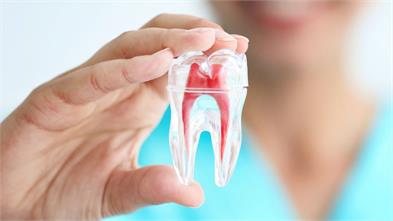
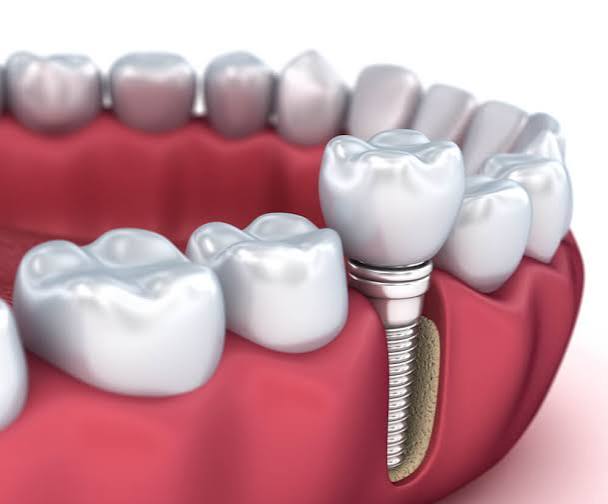
The treatment method applied for single tooth loss consists of a single medical titanium body placed in the jawbone in the area of the gap and a porcelain or zirconium crown fixed on it after bone healing (osseointegration). The fundamental medical purpose of this method is to treat only the missing area without performing any modification (reduction) on the adjacent healthy neighboring teeth.
In traditional dentistry, when a single tooth is lost, a three-unit bridge prosthesis is made by reducing the enamel tissues of the healthy teeth in front and behind the gap to close it. However, in current clinical approaches, it is essential, according to the philosophy of tissue-conserving (conservative) dentistry, not to touch the healthy tooth tissue. Only an artificial root placed in the area where the tooth has been lost physiologically slows down the resorption of the bone in that area by transmitting the chewing force directly to the underlying jawbone. In the Avrupadent clinics in Izmir, single tooth cases are treated with this method, which preserves the integrity of the adjacent teeth.
| Evaluation Criteria | Traditional Porcelain Bridge | Titanium-Supported Single Crown |
|---|---|---|
| Impact on Adjacent Teeth | Healthy teeth are supported by reducing (shaving) their enamel. | No interference with adjacent teeth; it is completely independent. |
| Bone Preservation | The bone underneath the gap continues to resorb over time because it is not stimulated. | By transmitting the chewing pressure to the bone, it preserves cellular activity and bone volume. |
| Cleaning and Hygiene | Cleaning under the bridge with special threads requires extra effort. | Can be easily cleaned like natural teeth with a regular toothbrush and standard dental floss. |
What Medical Treatments Are Planned for Multiple Tooth Loss?
In cases of multiple tooth loss, fixed bridge prostheses prepared on strategically positioned titanium carriers, which are located based on biomechanical calculations, are planned as a medical solution instead of placing a separate root for each missing tooth. For example, in an area where three adjacent teeth are missing, the body of two carriers placed at the ends of the gap securely supports a three-unit porcelain bridge, restoring function.
This approach narrows the scope of surgical intervention on the jawbone while ensuring the even distribution of chewing forces. Filling every millimeter of the jawbone with surgical structure in cases of losing 3 or 4 adjacent teeth can negatively affect the vascularization within the bone. Therefore, doctors create bridge supports by choosing the densest areas of the bone. The upper structure consists of interconnected crowns prepared in the laboratory, drawing strength from these support points to maintain the integrity of the natural tooth arrangement.
What Fixed and Removable Options Are Evaluated in Cases of Complete Edentulism?
In cases of complete edentulism; either full jaw porcelain prostheses (fixed option) constructed or screwed onto 6 to 8 artificial roots placed according to anatomical limits in the jawbone, or removable overdenture systems that sit on 2 to 4 roots, which the patient can insert and remove themselves, are evaluated. The options are shaped according to the patient’s bone volume and lip support needs.
When planning treatment for a patient who has lost all their teeth, it is important to consider not only the alignment of the teeth but also how to support the sunken cheeks and lip tissues, which can occur due to many years of being edentulous. If there is no serious resorption in the jawbone, fixed prostheses can provide the patient with the sensation of their own natural teeth. However, if the bone loss is very high and there is aesthetic sinking in the area from under the nose to the lips, movable (overdenture) or hybrid systems with pink acrylic (artificial gum) support to remedy this deficiency are preferred. These prostheses lock into titanium bases integrated into the bone thanks to special precision holders (locator or bar systems); thus, they do not shift while talking or eating and can only be removed by the patient for cleaning purposes.
In Which Anatomical Conditions Are All-on-4 and All-on-6 Concepts Preferred?
The All-on-4 and All-on-6 concepts are preferred in anatomical situations where bone loss in the posterior jaw regions is at an advanced level and where sinus cavities have sagged, to avoid advanced surgical bone graft procedures. These are considered as loading systems placed openly onto the healthy bone in the anterior region. This technique aims to utilize the existing bone volume with maximum biomechanical efficiency.
When tooth losses in the posterior areas are not compensated for a long time, the maxillary sinuses, referred to as air cavities, sag downwards in the upper jaw, while the nerve canal (mandibular canal) approaches the bone surface in the lower jaw. It becomes anatomically impossible to place a vertical root using traditional methods in these regions. In the All-on concepts, only the healthy bone block in the front part of the jaw is used. The carriers that extend backward are placed into the bone at angles of 30 to 45 degrees to avoid the sinuses and nerve lines anatomically. Thus, patients can have fixed teeth without undergoing supplementary bone formation surgeries that take months.
| Area of Advantage | Clinical Benefit and Physiological Effect Provided |
|---|---|
| Reduced Need for Advanced Surgery | Eliminates the need for sinus lift and complex bone graft procedures in the posterior regions. |
| Anatomical Protection | Maintains safety boundaries through open placement without affecting critical nerve and vascular pathways. |
| Bio-mechanical Support | The posterior roots placed in an open manner distribute the load of the upcoming prosthesis over a broad area. |
| Management of Treatment Duration | Since no additional bone surgeries are performed, the surgical recovery timeline is more predictable. |
What Special Methods Are Used for Individuals with Insufficient Jaw Bone?
For individuals with insufficient jaw bone, special medical methods are utilized, such as supporting the area with biocompatible bone grafts (bone powder) and barrier membranes before placing titanium roots, performing sinus base lifting operations, or using specially designed short (short) and narrow diameter (mini) implants for volumetrically limited bones.
The safety of a surgical intervention depends on the presence of sufficient healthy tissue around it. In cases where the bone width is very thin, techniques called ridge splitting are used to stretch the thin bone and place material in between, which is then filled with medical grafts to enhance cellular healing in the area. In situations where there is insufficient vertical space in the lower jaw, meaning the nerve canal is too high, safe structures appropriate for the anatomy are produced using short structures, which have proven effectiveness in medical literature instead of long roots.
What Determines the Implantology Options at Avrupadent Clinics?
The implantology options at Avrupadent clinics are determined based on completely individual physiological data, including millimeter bone measurements obtained from three-dimensional dental tomography, the patient’s systemic disease history, the mechanical force produced by the chewing muscles, and the individual’s oral hygiene habits.
At Avrupadent services located in İzmir, the primary approach is to transparently analyze the anatomical reality of the patient. To create a fixed complete jaw prosthesis (All-on-6) for a patient, it is examined whether the existing lip support is sufficient for the patient’s facial profile. Similarly, in a patient with severe teeth grinding (bruxism), the material of the prosthesis to be applied and the number of supporting legs are increased to compensate for this force. During the presentation of treatment options, it is conveyed with evidence-based medical data what long-term benefits each system will provide to the patient’s biological structure.
What Are the Structural Properties of the Materials Used During Application?
The materials used during the procedure are made from medical (usually Grade 4 and Grade 5) titanium or zirconium alloys, which show high biological compatibility with the human body, do not cause allergic reactions, are resistant to corrosion (rust), and can establish cellular bonds with jawbone cells (osteoblasts). These structural characteristics eliminate the likelihood of the material being rejected by the body.
Titanium is one of the rare elements that is commonly used in orthopedics and is not recognized as a ‘foreign substance’ by human tissues. The materials used in dentistry are processed through special surface treatments (such as sandblasting, acid cleansing, etc.) in laboratory environments to create a micro-porous state. This porous structure encourages the bonding of bone cells to the material (osseointegration) immediately after the surgical procedure. The medical answer to the patients’ concern, ‘Will my body accept the material?’ lies in the biocompatibility of the material and these cleansing technologies.
- Biocompatibility: Human tissue does not perceive titanium as a threat, and it does not provoke an immune system reaction (tissue rejection).
- Mechanical Resistance: It is sufficiently robust to maintain its shape against the high mechanical stresses generated by biting and chewing.
- Corrosion Resistance: It remains chemically stable against acidic food flora in the mouth and does not react.
- Surface Morphology: Microscopic indentations and protrusions create an ideal biological scaffold for cell nesting.
How Does the Patient’s Systemic Health Play a Role in Decision Making Among Treatment Options?
The systemic health of the hospital plays a fundamental clinical role when deciding among treatment options because it directly determines tissue healing speed, the risk of microbial infections, and bone metabolism. Whether chronic diseases such as diabetes, osteoporosis, or circulatory system disorders are under control shapes the scope of the surgery to be performed and the biological waiting schedule.
For example, in a diabetic patient without blood sugar regulation (uncontrolled), cellular healing is delayed due to impaired microvascular (capillary) blood flow. In this patient, extensive surgical options that will transplant multiple roots (such as All-on-6) can be reconsidered in favor of staged and more localized surgical options. Similarly, in a patient using bisphosphonate group osteoporosis medication, even the slightest trauma to the jawbone tissue poses a risk of “bone necrosis”. The physician narrows down the treatment options based on this physiological risk map by consulting with the hospital’s medical doctors or reorganizes them with specific protective protocols (such as antibiotic suppression).
What Options Are Available for Temporary Prosthesis Applications?
Temporary prosthesis applications can be performed especially on supporting crowns designed to maintain aesthetics in the case of single tooth losses in the anterior region, or in cases of complete edentulism, if anatomical conditions are suitable (if primary stability is above medical references) as fixed acrylic prostheses (immediate loading) applied on the day of surgery. In both scenarios, the main aim of temporary teeth is to guide the tissue.
Temporary dentures are not meant to replace permanent porcelain dentures; they are applied to ensure the phonetic (speaking) and visual integrity of the patient’s social life while waiting for bone healing. In early region studies, these dentures are not subjected to chewing (occlusal) contact; they are left in a passive position. In the case of temporary fixed dentures applied in the complete jaw All-on concepts, the goal is to not leave the patient without teeth for months and to preserve the shape of the gum tissue in the wound area. During this process, the hospital’s strictest rule of thumb is that the patient should only consume a soft diet and absolutely avoid placing chewing force on the temporary prosthesis.
Why Are Routine Post-Treatment Controls Important in the İzmir Region?
Routine controls after treatments applied in the İzmir region are crucial for monitoring the stability of the implanted structure at the bone level, preserving the health of the mucosal tissue around the prosthesis (peri-implant health), and early detection and correction of minor mechanical changes that may occur in chewing balance. The only way to objectively measure the adequacy of individual care is through these periodic visits.
Medical prostheses do not wear out; however, the gum tissue and supporting bone surrounding the prosthesis are much more sensitive to bacterial plaque accumulation than natural teeth. Peri-implantitis infection, which develops as a result of insufficient hygiene, can lead to bone resorption, disrupting the stability of the treatment. During routine examinations, X-rays are used to examine bone borders in accordance with implantology principles, the torque values of mechanical screws are checked, and changes in the patient’s occlusion are balanced millimetrically. The long-term functionality of the treatment depends on the patient’s daily hygiene habits and the seamless integration of the physician’s professional control periods.