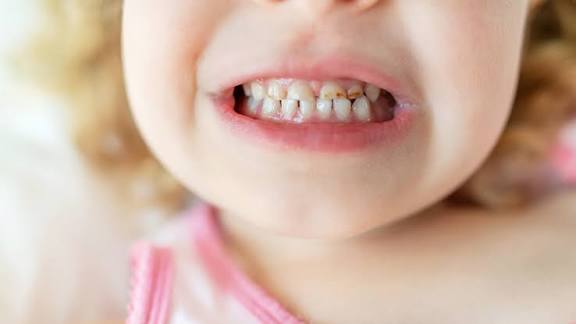
What is the difference between a pediatric dentist and an adult dentist?
The difference between a pediatric dentist and an adult dentist stems from specialization training, the approach to patient psychology, the unique anatomy of baby teeth, and the differences in the preventive medical procedures applied. Pediatric dentists receive training in a specific field focused on the development of the jaw from birth to adolescence, the dynamics of baby teeth, and the behavioral management of children, completely separating them from adult dentistry.
The discipline of oral and dental health creates different medical needs according to various stages of human life. An adult’s mouth is a static system that has completed its growth and defined boundaries. The primary aim of adult dentistry is to maintain the health of existing permanent teeth and repair lost tissues. However, childhood, like every system in the human body, is a dynamic phase where the anatomy of the mouth is constantly changing, developing, and taking shape. A child’s mouth simultaneously contains baby teeth that need to be shed and the budding permanent teeth preparing to erupt. Intervening in such a mobile system skeletal-wise requires a biological understanding far beyond the standard treatments applied to adults. This explains why pediatric dentistry (pedodontics) has its own distinct medical philosophy and specialty.
How Does the Pedodontic Training Process Differ from Adult Dentistry in Izmir?
The pediatric dentistry training process in İzmir, according to academic standards, distinctly separates itself from general dentistry after the five-year education in the Faculty of Dentistry, requiring at least three additional years of specific specialization (or doctoral) training focusing only on the oral health of child patients, growth and jaw development, genetic diseases, and child psychology.
A physician (practitioner) trained in general dentistry is authorized to perform general treatments for individuals across all age groups. However, the concept of specialization requires mastery of the most intricate details of a field. Physicians specializing in pediatric dentistry (pedodontics) work exclusively with child patients for three or four years. During this time, they receive in-depth scientific training on subjects such as dental trauma, early skeletal jaw abnormalities, childhood systemic syndromes, and the medical management of children with special needs (those with mental/physical differences). Additionally, the management of dental procedures under general anesthesia and conscious sedation is an integral part of this specialized training. Therefore, a pedodontist is not merely someone who fills small teeth, but rather a pediatric health expert who interprets the child’s overall health status through oral health.
| Medical Focus Point | Adult Dentistry | Pediatric Dentistry (Pedodontics) |
|---|---|---|
| Tissue Dynamics | Completed growth, static bone and tooth structure. | Continuously developing jawbone, changing primary and mixed dentitions. |
| Treatment Goal | To repair current damage and ensure aesthetics and function. | To guide development and prevent diseases from occurring (preventive). |
| Behavior Management | Logical communication and direct medical information. | Techniques of gamification, abstraction, and psychological guidance. |
Why Does the Psychological Management of Pediatric Patients Require a Different Expertise?
The psychological management of pediatric patients requires a different expertise because children’s abstract thinking skills have not yet developed, they cannot evaluate clinical tools in a logical framework like adults, and they use medical anxiety as a defense mechanism. This necessitates the use of communication techniques specific to child psychology, such as “describe-show-apply” and behavioral guidance strategies.
When an adult sits in the dentist’s chair, they know that the procedure being performed is necessary for their health and can logically tolerate the discomfort they feel. However, for a child, the clinical environment is a threatening unknown filled with unfamiliar sounds, bright lights, and devices they cannot comprehend. Pediatric dentists build a psychological bridge to eliminate this uncertainty. Medical instruments are never referred to by their actual names; for instance, a water-squirting device is playfully called a “tooth washing fountain,” and a device that sucks air is referred to as an “electric vacuum.” Techniques like distracting the child’s attention, positive reinforcement (rewarding), and modulating tone of voice are academic topics that ensure the child’s voluntary cooperation in treatment without feeling physical restraint in the chair, and these are primarily practiced in this field of expertise.
How Do the Anatomical Differences Between Milk Teeth and Permanent Teeth Affect Treatment?
The anatomical differences between primary teeth and permanent teeth; the enamel layer of primary teeth is much thinner, their nerve chambers (pulp) are positioned much closer to the surface of the tooth, and their roots are programmed to be resorbed by the underlying permanent teeth, leading to a much faster progression of decay and directly influencing treatment protocols that need to be adjusted entirely according to these specific dynamics.
Although primary teeth appear small compared to permanent teeth from the outside, their cellular structures are entirely different. A small cavity that starts in a permanent tooth can take years to reach the nerves and cause pain, whereas in a primary tooth this process is limited to just a few months. Because the enamel layer is thin, bacterial acids quickly penetrate the tissue and reach the nerve (pulp) chamber, causing severe abscesses. Additionally, the roots of primary teeth are not designed to remain as robust as those of an adult tooth, but rather to dissolve and disappear (resorption) as the underlying permanent tooth erupts. This biological difference alters every step from the size of tools the dentist will use to the chemical composition of the filling material chosen.
- Enamel and Dentin Thickness: The protective layers in primary teeth are much thinner, so the rate of decay progression is exponentially higher compared to permanent teeth.
- Pulp (Nerve) Chamber Size: In primary teeth, the nerve chamber is very close to the tooth’s outer surface, a small cavity can create nerve inflammation immediately.
- Root Morphology: The roots of primary molars are structured to be wider and more open (like crossing legs) to encompass the follicle of the developing permanent tooth below.
What Are the Preventive Treatments Applied in Pediatric Dentistry?
Preventive treatments applied in pediatric dentistry include fluoride varnish applications that cellularly strengthen tooth enamel against acid attacks, sealant procedures that physically prevent bacterial accumulation by filling deep fissures on the chewing surfaces of primary teeth, and the use of space maintainers that preserve the jaw’s volume in cases of early tooth loss. These procedures are primary medical interventions conducted before diseases emerge.
A common situation encountered in adult clinics is the ‘repair of damaged tissues.’ However, the primary goal within the framework of current Pediatric Dentistry protocols is ‘to prevent tissue damage.’ New erupting permanent teeth are in the most susceptible phase for decay since their enamel has not yet fully matured. Pediatric dentistry specialists smooth the surfaces of these teeth, which may appear with hidden pits in the oral cavity, by filling them with medical resin (sealants). This makes it impossible for bacteria to settle in areas where the toothbrush cannot reach. Fluoride varnishes applied to the teeth every six months strengthen the crystals in the enamel, effectively creating an invisible shield. This protective philosophy minimizes an individual’s risk of experiencing dental problems throughout life.
What Differences Exist Between Root Canal Treatments in Adults and Children?
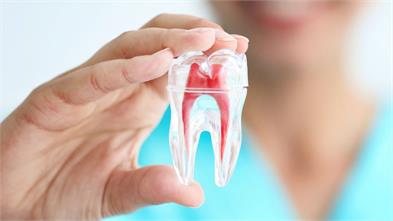
The difference between root canal treatment processes in adults and children is that, in adults, the root tip is completely cleaned and sealed with non-absorbable permanent fillings; whereas in children, since the root of the primary tooth needs to naturally resorb over time, techniques that only remove the diseased upper part of the nerve (amputation) and the use of special canal plugs that can biologically resorb along with the root in the future are employed.
The purpose of performing root canal treatment on a permanent tooth is to stabilize the tooth within the bone and keep it there for the entire lifespan. Therefore, the interiors of the nerve canals are tightly filled with a material known as gutta-percha, which does not dissolve in the body. However, this material cannot be placed inside a baby tooth. This is because during the growth phase, the root of the primary tooth breaks down, allowing the permanent tooth to emerge. If an indissoluble material is placed inside the baby tooth, it creates a barrier within the bone, preventing the permanent tooth from erupting. For this reason, pediatric dentists fill the canals of infected baby teeth with iodine form or zinc-oxide eugenol-based, absorbable medical materials specifically designed for children’s anatomy.
| Treatment Feature | Adult (Permanent Tooth) Treatment | Child (Baby Tooth) Treatment |
|---|---|---|
| Depth of Intervention | The entire nerve is accessed down to the tip of the root (apex). | Usually, only the nerve in the crown part is accessed, while the root is left alive (Amputation). |
| Canal Filling Material | Non-dissolvable, biologically stable and solid materials. | Biologically absorbable and resorbable materials with the root of the baby tooth. |
| Main Treatment Goal | To permanently stabilize the tooth in the bone and completely eradicate the infection. | To suppress the infection and hold the root in the bone until the underlying permanent tooth erupts. |
Why Are Fillers Used in Children Different from Adults?
The fillers used in children differ from adults due to the clinical difficulty of maintaining complete dryness and moisture isolation in primary teeth (because children are active) and the limited time these teeth stay in the mouth. In these cases, dentists generally prefer special biomaterials containing glass ionomer, which tolerates moisture and sets more quickly chemically, often using fluoride emission to feed the tooth.
When filling a tooth in an adult patient, the dentist can isolate the area around the tooth with cotton and ensure it stays dry for several minutes. Esthetic composite (white) fillings require the tooth to be completely dry (free from moisture) and adhere to the tooth through sensitive chemical bonds. However, in the mouth of a small child, who has a higher salivary output than adults, maintaining this ideal dryness is often impossible. Pediatric dentists use glass ionomer cements, which can bond chemically even in moist environments. These materials are indispensable medical elements in pediatric dentistry due to their properties for rapid application and enriching the tooth with healing minerals (fluoride), rather than aesthetic expectations. In cases where there is significant loss of substance in primary teeth, the risk of fractures is eliminated by using stainless steel or zirconium “pediatric crowns” that encase the tooth, rather than filling it.
Is Growth and Development Monitoring Exclusive to Pediatric Dentists?
Monitoring growth and development is specifically for pediatric dentists (and orthodontists) as it actively covers the period from infancy to adolescence during which the human skeleton, jaw arches, and facial proportions change. In adults, since bone development has stopped, the focus is solely on maintaining the current condition, while in children, medical guidance is provided by anticipating the future form of the jaw.
When a pediatric dentist examines their patient, they do not just look at the cavities present that day. They assess the sizes of teeth that have not yet erupted inside the child’s jawbone based on the radiological films in hand, considering the direction they are moving and whether there is sufficient space for these teeth in the jaw. An early detected jaw narrowness (for instance, if the upper jaw is too narrow) can lead to extremely challenging surgical operations in later years, while if detected during the growth phase, it can be easily treated with simple appliances (removable devices) by guiding the bone. A pedodontist is a medical analyst who reads development as a timeline and predicts and prevents skeletal deviations that may occur in the future.
How Are Treatment Processes for Children with Special Needs Managed?
The treatment processes for children with special needs are managed through multidisciplinary consultations with relevant medical specialists according to the child’s systemic illness or physical development profile, and if the child cannot cooperate in the hospital’s clinical chair, all procedures are safely completed in fully equipped operating room conditions using general anesthesia or conscious sedation techniques in a single session.
Children with autism spectrum disorder, cerebral palsy, Down syndrome, or severe cardiovascular disorders often receive oral and dental care that falls below standards due to difficulties in motor skills, and the rates of injury are higher. Attempting to treat these individuals in a standard clinical environment while awake and with noisy instruments can cause significant trauma to the child and pose a risk of injury from sharp tools due to involuntary reflex movements. Typically, adult clinics do not have these types of deep medical sedation setups. In the departments of Pediatric Dentistry (Pedodontics) providing services in Izmir, these procedures are completed painlessly and without disturbance in a single sleep session, with fillings, extractions, and preventive procedures performed on the child’s mouth under the supervision of anesthetists.
Why Are the Children’s and Adult Departments at Izmir Avrupadent Clinics Designed Separately?
In Izmir Avrupadent clinics, the children’s and adult departments are physically designed separately to reduce the anxiety children experience from medical environments, provide a play-friendly area equipped with appropriate colors, sounds, and ergonomic facilities, and to isolate them from the intimidating appearance of certain standard devices used in adult clinics, allowing treatment to be carried out in a non-traumatic manner.
Environmental psychology is one of the most powerful factors determining patient compliance in healthcare services. A waiting room and clinical office aimed at adults can be perceived as extremely cold, serious, and intimidating for a child. Even a small sound coming from the room next door where an adult is being treated can trigger a child’s fear response. Everything in children’s sections, from chair sizes to the colors of tools, figures on the walls to distracting activities in the waiting room, is designed to make the child feel safe in a social environment rather than in a hospital. Physical isolation is a clinical strategy that ensures the child focuses only on establishing a connection with their physician and on a treatment process enhanced by play.
Why Does Early Diagnosis Play a Much More Critical Role in Pediatric Dentistry?
Early diagnosis plays a much more critical role in pediatric dentistry because the enamel of primary teeth is anatomically very thin, meaning that a cavity starting on the surface can reach the nerves and cause a serious abscess within just a few months; early diagnosis catches this rapidly progressing bacterial decay while it is still on the surface and protects the child’s overall health and the underlying permanent tooth.
The progression of a cavity in adults and the complete destruction of the tooth can take many years. When an adult does not visit a doctor for six months, their cavity does not dramatically worsen. However, the same six-month period can be long enough for a child to completely lose a tooth. The rate of cavity progression in primary teeth is so high that bacteria entering from the chewing surface can quickly invade the soft dentin layer and reach the nerve chamber. Additionally, since children’s immune systems are not as developed as adults’, infections can quickly lead to fever, facial swelling, and general discomfort. Therefore, children’s examination intervals should be more frequent compared to adults, and even the slightest color changes (white or brown spots) should be considered an early warning.
What Criteria Are Used to Decide on Tooth Extraction in Children Compared to Adults?
The decision for tooth extraction in children is based on skeletal development criteria, alongside the effort to retain the tooth in adults: the proximity of the milk tooth to the eruption (falling out) time of the permanent tooth coming up, whether the existing infection has damaged the permanent tooth bud in the jawbone, and how the narrowing of the jaw growth due to tooth loss will be managed.
There is no limit to saving teeth in adults; every possible method is attempted. However, in children, a diseased baby tooth that is stubbornly kept in the mouth can cause significant damage to the underlying permanent tooth. If the baby tooth is so decayed that it cannot be treated and there is still a long time, such as 3-4 years, until the eruption of the underlying permanent tooth, when that tooth is extracted, the neighboring teeth will tend to tilt into the resulting gap. This leads to crowding in the arch. When the dentist decides to extract, they must support this process with protective wires called “space maintainers.” However, if there are only a few months left until the eruption of the underlying permanent tooth and the baby tooth is loose, then the tooth can be safely extracted without the need for a space maintainer. The decision to extract is not just a response to an immediate dental problem, but a crucial biological analysis that shapes the child’s orthodontic structure for years to come.
How Should a Pedodontist Approach Dental Injuries After Trauma?
The pedodontist’s approach to dental injuries after trauma should primarily focus on testing the vitality of the broken or displaced tooth, applying biological tissue treatments (apexification) that ensure the continued development of the root tip, and quickly restoring the aesthetics and function of the affected area to prevent psychosocial effects on the child.
Childhood and adolescence (especially between ages 7-12) is the period when anterior tooth fractures occur most frequently due to sports accidents at school or in the park. When an adult tooth is fractured, standard root canal treatment and capping can be applied since root development is already complete. However, if a newly erupted permanent tooth of an 8-year-old child is fractured, the root of that tooth may not have completed its development (lengthening) within the jawbone. If the nerve of the tooth is removed using standard methods, root development halts, and the tooth remains short and weak for its entire lifespan. Pediatric dentistry specialists use calcium hydroxide or MTA-based special biomaterials to trigger cellular regeneration (apexogenesis) to continue the development of the tooth’s root in such cases. Trauma management is one of the fields where pediatric dentistry intervenes the most in biology and most clearly demonstrates the difference in specialization.
What Medical Criteria Should Families Pay Attention to When Choosing a Pediatric Dentist?
The medical criteria that families should pay attention to when choosing a pediatric dentist include the doctor’s completion of formal specialization or doctoral education in pediatric dentistry, the availability of the clinic’s infrastructure for emergency and behavior management (general anesthesia/sedation options), adopting a preventive dentistry philosophy rather than just treating existing problems, and the ability to establish transparent communication based on empathy with children.
The bond established with the dentist during childhood shapes an individual’s perspective on the healthcare system throughout their life. Therefore, selecting a dentist is not merely about finding someone who “fixes teeth”; it is about choosing a specialist who will provide medical guidance for the child’s development. It is crucial for parents to question whether the dentist uses current and evidence-based pediatric approaches in treatment planning, and whether they avoid unnecessary and coercive procedures that could traumatize the child. In clinics equipped to operate within the framework of health regulations of 2026, the child’s safety is prioritized above all else, and families are provided with transparent and objective information at every stage of the treatment.
How is the Transition to Adulthood (Transfer) Managed in Avrupadent Processes?
The transition to adulthood in Avrupadent processes is managed during the age range of 15-18, when the child finishes puberty and the permanent dentition is fully in place. This involves a systematic transfer of all pediatric dental records, radiological history, and orthodontic data to adult clinical departments through coordination among dentists, and the individual’s assumption of their own care responsibilities in routine adult follow-ups.