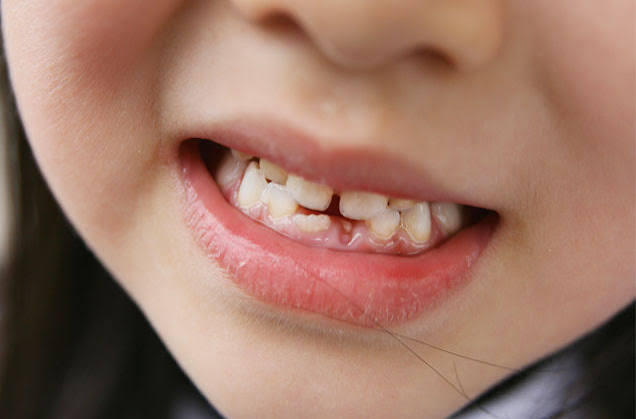
What Should Be Considered Before Going to the Pediatric Dentist?
Before going to the pediatric dentist, parents should manage the child’s psychology correctly, avoid using intimidating words related to the clinic, adjust the appointment time according to the child’s sleep and nutrition rhythm, and prepare to present the child’s complete medical history to the doctor. These conscious preparations made at home before the clinical appointment are the most crucial foundation for ensuring that the process proceeds safely both medically and psychologically.
Visits to the dentist are generally filled with uncertainties for children, being medical processes laden with environmental stimuli (sound, light, smells). The first experience a child has in the clinic during childhood leaves a lasting impression that shapes their perspective on general health services and preventive care practices in adulthood. Therefore, the 2026 health regulations and modern pediatric medicine disciplines emphasize that dental practices do not only begin in the clinic but rather start with the preparation phase at home. Even the slightest communication error made by parents while preparing their children for this medical visit can create a difficult-to-overcome dental phobia (fear of dentists) in the child.
How Should One Prepare at Home Before Going to the Pediatric Dentist in Izmir?
The most important preparation to be made at home before going to the pediatric dentist in Izmir is to convey the clinical process to the child as an ordinary and natural daily activity, practice ‘doctor’ games by counting the teeth with a mirror, and create a positive, non-threatening expectation in the child’s mind about the medical intervention.
Since children’s ability to think abstractly is not fully developed, any new and unfamiliar environment is perceived as a potential danger for them. Parents should bring up the topic at home a few days before the appointment in a calm tone. It should be explained to the child that this visit to the İzmir Avrupadent clinics is not to punish their teeth, but to assess how strong their teeth are. Examining the toy bear or doll’s teeth at home and shining a flashlight on them helps normalize this routine for the child. It is critically important for parents not to discuss any medical treatment details (extraction, filling, root canal) at home, but to provide information at the level of “they will look at their teeth with a mirror and take pictures.” Overloading the child with unnecessary medical details can trigger their defense mechanisms, causing anxiety attacks before coming to the clinic.
| Preparation Stage | Incorrect Parental Attitude Not Recommended | Recommended Medical/Pedagogical Attitude |
|---|---|---|
| Time for Providing Information | Informed the child weeks in advance, increasing stress, or mentioning suddenly at the door. | Informing the child 1-2 days prior in a natural conversation, as if it were a routine task. |
| Information Transfer | Technically explaining the details of the filling, root canal, or cleaning that will be done to the child. | Only letting the specialist explain the details by saying that teeth will be counted and brushed. |
| Playfulness | Setting up scary games with toys like “needle” and “forceps” in the doctor’s office. | Practicing counting teeth and smiling using a mirror and a brush. |
What Words Should Be Avoided When Informing a Child About an Appointment?
When informing a child about an appointment, absolutely avoid threatening medical terms such as needle, blood, pain, anesthesia, extraction, drill, and forceps. Instead of these words, abstract terms that align with the child’s imagination and provide reassurance, such as “the teeth will be cleaned,” “they will get a snack,” and “a picture will be sent to the tooth fairy,” should be used to avoid sending danger signals.
Language is the most powerful tool that constructs a child’s reality. While adults may use medical terminology when communicating with each other, these words can act as direct trauma triggers in a child’s mind. For example, a well-meaning parent saying to a child, “Don’t worry, the doctor will just give a small injection and it won’t hurt,” is one of the biggest mistakes that can be made in medical communication. The child does not hear the part about “it won’t hurt,” and instead, their brain goes into defense mode by registering the words “needle” and “pain.” Similarly, the word “anesthesia” creates a fear in the child of not feeling a part of their body (paresthesia anxiety). In a clinical setting, doctors refer to the air compressor as “wind machine,” the suction device as “electric vacuum cleaner,” and anesthesia as “tooth sleep water.” It is crucial for families to not disrupt this positive language at home so that the doctor can perform their job effectively.
How Should Parents Manage Their Anxiety Before Going to the Clinic?
Before going to the clinic, parents should consciously manage their own anxieties, mirroring the facial expressions, body language, and tone of voice vibrations of adults (emotional contagion). They should exhibit a calm, non-intrusive, and trusting body language towards the physician in the clinical setting. The parent’s phobia can turn into the child’s biggest phobia.
Developmental psychology experts indicate that when children enter an unfamiliar environment, they first look into their mother’s or father’s eyes to determine whether the environment is safe (social referencing). If the parent is tense, holding their breath, clenching their hands, or asking worried questions to the physician due to their previous experiences with the dentist, the child codes this situation as “There is something here that will harm me, even my mom/dad is scared.” Therefore, it is recommended that the person accompanying the child to the medical appointment be the calmest individual in the family and one who does not have a phobia of the dentist. In European practices, parents are advised to remain in the background as a supportive but silent role to ensure uninterrupted communication between the physician and the child.
Why is the Child’s Biological Rhythm Important When Choosing an Appointment Time?
The child’s biological rhythm is crucial when selecting an appointment time, as physical stress factors like fatigue, hunger, or sleep deprivation can directly diminish the child’s ability to cooperate and their patience. Ideal clinical appointments should be scheduled in the early morning when the child is well-rested and fed, and their energy levels are high.
The success of a medical intervention depends not only on the surgeon’s skill but also on the patient’s ability to tolerate the time spent in that chair. Young children are much more prone to having tantrums when they are biologically tired or hungry. A child who is abruptly awakened from sleep and brought directly to the clinic or seated in the chair in a fatigued state after leaving the evening preschool may react with resistance, even to a small spray of air or water that normally wouldn’t elicit any response. For communication and play techniques to work, the child needs to be receptive. Morning hours are the time periods when both the doctor and the child are at their most alert, and it is medically advised to prefer these hours to ensure the most efficient completion of preventive dentistry sessions.
What Medical Information Should Be Fully Provided to the Doctor at the First Appointment?
At the first appointment, the doctor should be fully informed about the child’s past surgeries, chronic or genetic diseases, regularly used syrups and medications, known drug or food allergies, previous psychological reactions to medical interventions, and trauma history. This medical history (anamnesis) determines all clinical planning, from the type of local anesthesia to be applied to the behavioral management strategies.
The dental treatment of a child cannot be considered independent of overall systemic health. According to the modern medical and dentistry protocols applied in İzmir, the information that the family provides to the doctor when opening a clinical file serves as a kind of medical insurance. For example, the surgical procedure or anesthesia solution to be applied to a child with asthma, heart conditions, or bleeding clotting disorders differs from that of a healthy child. Additionally, many children’s regular vitamin syrups or asthma inhalers contain a significant amount of sugar, which can lead to rapid tooth decay; the primary cause (etiology) of this should be identified based on these medical details. If the child has conditions such as autism, hyperactivity, or attention deficiency, sharing this information with the physician before the appointment ensures that the clinic prepares specifically for that child (adjusting light, sound, and appointment duration), thus enhancing the safety of the treatment.
- Allergy Conditions: A history of allergies to local anesthetic agents, latex, penicillin, or certain foods.
- Systemic Diseases: Chronic conditions such as asthma, diabetes, congenital heart diseases, or epilepsy.
- Medications Used: Dosage and frequency of antibiotics, vitamins, or neurological medications in syrup form.
- Behavioral Features: The child’s sensitivity to loud sounds, bright lights, or phobias experienced in previous doctor visits.
How Does the Initial Diagnosis Process Work in Avrupadent Clinics?
In the clinics of Avrupadent, the initial consultation process works as a “familiarization (desensitization)” session that is completely painless and game-oriented, allowing the child to safely explore clinical instruments if there is no necessity for a medical intervention. The physician talks with the child before seating them in the chair, introduces the instruments as toys, and conducts a visual assessment only with the help of a mirror.
In the departments of Child Dentistry (Pedodontics) located in İzmir, the child’s first encounter is based not on medical terms, but on a pedagogical protocol. The child is not directed straight to the chair upon entering. The physician lowers their body to the child’s eye level (by kneeling or sitting on a stool) and initiates a brief conversation about everyday topics (favorite toys, cartoons). The aim is to make the child feel that the foreign figure in a white coat is not a threatening authority. Then, the clinical instruments are introduced; for example, “Now we will look at your teeth with this little mirror and take pictures of them.” During this initial introduction, there are no procedures involving needles, drills, or any coercive actions. When the child leaves the clinic with the thought, “I came here, my teeth were counted, and nothing hurt,” a necessary safety bridge is built for the next session.
Is Giving a Child a “Gift or Reward” an Appropriate Approach?
Offering a child a “gift or reward” can be misleading if presented as a bribe before the procedure (“If you behave well, I’ll get you a toy”); it can create the perception in the child that there is a “terrible thing that must be endured.” However, giving a surprise “encouragement reward” after showing compliance and courage during the procedure is medically positive feedback.
The reward system is a very fine line in behavioral psychology. Parents often use a bribery mechanism to persuade their children. The phrase, “If you get your teeth cleaned without crying, I’ll get you the tablet you want,” is coded in the child’s logic as: “Since they are giving me such a big reward, what I’m going to experience inside must really be very bad and dangerous.” This bribery increases stress instead of alleviating it. In modern preventive medicine approaches, visiting the clinic is already a routine and normal action taken to maintain health. However, at the end of the procedure, the small sticker, toy, or courage certificate the doctor gives to the child ensures that the child feels proud of themselves and creates an internal source of motivation for the next appointment.
How Do Toys and Activities in the Clinical Environment Prepare the Child for Treatment?
Toys and activities in the clinical environment help distract the child’s attention from the upcoming medical procedure and focus it on play and exploration, thereby stopping the release of stress hormones (adrenaline/cortisol) in their body. A child-friendly (pediatric) waiting area, away from the sterile atmosphere of the hospital, allows the child to enter the treatment room in a relaxed state and with their defenses lowered.
Environmental design is an invisible language of communication that determines the quality of health services. If a child enters a waiting room that addresses adults, silent, with a sharp smell of medicine and sounds of sterilization devices, the brain automatically goes into alarm mode. However, in specially designated departments for children, colorful figures on the walls, play tables, and educational animations displayed on screens convey the message “this place is designed for you” to the child. While playing with toys in the waiting room, the child is actually preparing for treatment. When called into the room, they feel that they are transitioning to another room where the game will continue, not to an operating room. This environmental psychology offers the physician a tremendous clinical advantage for quick and trauma-free completion of the treatment.
How to Remove Past Bad Clinical Experiences Before the New Appointment?
Removing past bad clinical experiences involves the parent validating the child’s previous fears and empathizing, ensuring that the new physician clearly states that “different methods will be used and will only examine the teeth” and that the physician guarantees during the first session that no invasive (forceful) procedure will be performed, providing the child with the control to stop the procedures at any moment (for example, by raising their hand) which is realized step by step.
Preparing a child who has been hurt, restrained in a chair, or frightened during previous treatments for a new appointment is one of the most challenging processes. Even when parents say, “It won’t be like last time, I promise,” it can create insecurity in the child. The most appropriate step here is not to dismiss the child’s feelings (like saying, “Yes, you had a bit of a tough time last time and you were scared, I understand that. But this doctor is using a different device to take a picture of your teeth.”). It is essential to communicate the child’s previous trauma to the doctor in advance. The doctor will apply techniques that make the child feel empowered. Saying, “If you feel uncomfortable when I touch you, raise your left hand, and I will stop right away,” helps restore the sense of control that the child has lost and allows for new and safe moments to be built on top of old traumas.
What Should be Considered in the Nutrition Plan Before the Appointment?
In the nutrition plan before the appointment, care should be taken to provide a light, easily digestible meal that will keep the child full about 1-2 hours before the appointment, in order to prevent nausea (vomiting reflex) during the procedure and to avoid their lips getting dry after local anesthesia. It is advisable to stay away from overly sugary, carbonated, or very heavy foods.
During medical interventions, there are cotton balls, water-squirting devices, and absorbents in children’s mouths. If a child comes to the clinic with a very full stomach or after having a heavy meal, a small tool touching the back of the throat can trigger a strong gag reflex. On the other hand, bringing a child to the clinic completely hungry (in a state of low blood sugar) can lead to them being intolerant, irritable, and weak, disrupting treatment compliance. Additionally, when local anesthesia is applied, numbness lasts an average of 2-3 hours. If a child remains very hungry after the procedure, they might chew on their numb cheek or lip, thinking it is food, which can lead to very serious tissue injuries. Therefore, arriving at the clinic moderately full increases the comfort of the procedure and eliminates post-anesthesia feeding risks.
| Nutrition Status | Possible Medical / Clinical Risks | Ideal Recommendation |
|---|---|---|
| Overly Full (Heavy Meal) | The gagging and vomiting reflex is triggered during the use of intraoral devices. | Eating and drinking should be stopped at least 1.5 hours before the appointment. |
| Completely Hungry | Blood sugar drops, increases tantrums, and can lead to feelings of fainting after local anesthesia. | A light and nutritious meal (toast, cheese, egg, etc.) should be preferred. |
| Consumption of Sugary / Acidic Foods | Stomach acid increases, causing an energy burst (hyperactivity) in the child, disrupting chair cooperation. | Avoid consumption of acidic/sugary liquids except for water. |
What is the difference between a Pediatric Dentist and General Dentists?
Pediatric Dentistry refers to the difference between a pediatric dentist and general dentists; they not only master the ever-changing and growing primary teeth and jawbone anatomy but also obtain additional academic training that covers child psychology, behavior management techniques, and general growth development analyses. Pediatric dentists work with a vision of preventing developmental issues rather than just treating dental diseases.
Adult dentistry is static, meaning it provides restorative solutions on completely grown and stable tissues. Communication also progresses through logical adult dialogues. However, childhood is a complex matrix where teeth fall out and new ones come in, and jawbones change size every month. Specialists trained in pediatric dentistry not only learn to perform child-appropriate fillings but also how an early extraction of a tooth can affect the skeletal structure ten years later. Furthermore, techniques such as distraction, desensitization, or sedation applied to keep a fearful child in the chair are essential skills in this specialty. For these reasons, in Pediatric Dentistry practices, the doctor’s specialty not only protects the child’s physical health but also supports their psychological development.
Why Should Communication in İzmir Avrupadent Processes Be Only Between the Doctor and the Child?
In the duration of treatment at İzmir Avrupadent, communication should only be between the doctor and the child; it is essential for the doctor to establish a medical trust and authority figure over the child, to prevent confusion due to multiple voices (from parental interference) and to leave the psychological control of the treatment flow entirely to the expert’s pedagogical methods.
The most commonly encountered situation that complicates clinical operations is the well-meaning but poorly timed interventions from parents. When the doctor says to the child, “I will now take your tooth out,” if the parent shouts from behind, “Open your mouth, don’t make it difficult for the doctor, see, it won’t hurt,” it creates great shock and confusion for the child regarding whom to focus on. The child perceives danger from the anxious tone of the mother, and the calm play area created by the doctor is instantly ruined. Therefore, when the physician begins treatment, the family should take on the role of a “silent partner.” The dialogue established should be one-channel. If the child needs a cue or suggestion, the tone modulation applied by the doctor will address this issue. It is the most important rule of home and clinical cooperation that the parent does not violate these boundaries, ensuring that the treatment ends quietly, quickly, and without trauma.