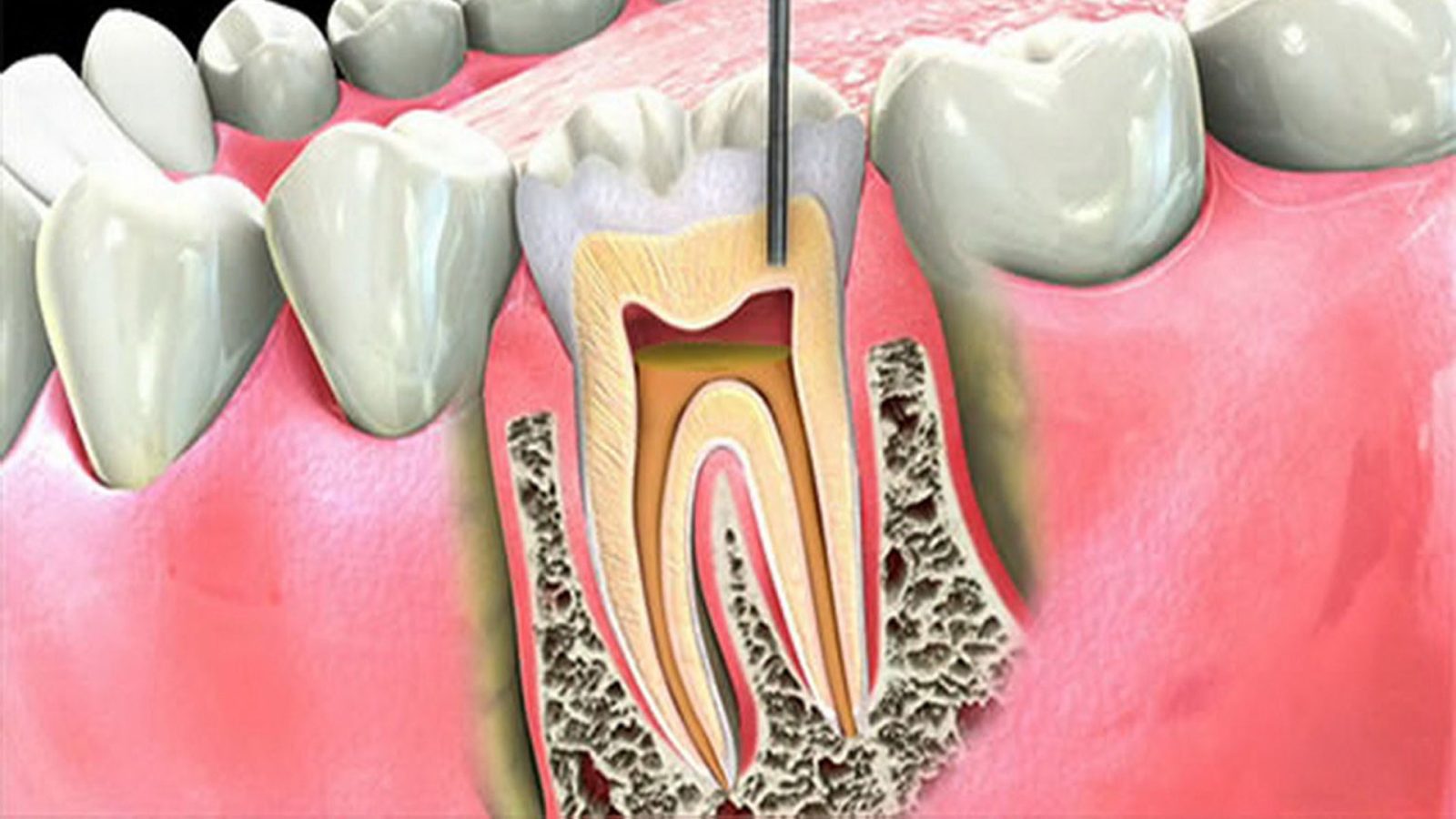
Endodontic treatment is a method applied for the cleaning of infected pulp tissue of the tooth and the preservation of the tooth’s long-term health. This process involves the removal of the pulp, shaping and cleaning of the root canals, and sealing them in a leak-proof manner with biocompatible filling materials. Modern endodontics improves the treatment process with innovative methods such as laser-assisted disinfection and pain management. Additionally, advanced imaging technologies like 3D CBCT allow for precise diagnosis, increasing the success rate of the procedure. These approaches aim to prevent the spread of infection while maintaining the tooth’s functionality.
What is Endodontic Treatment and Why is it Necessary?
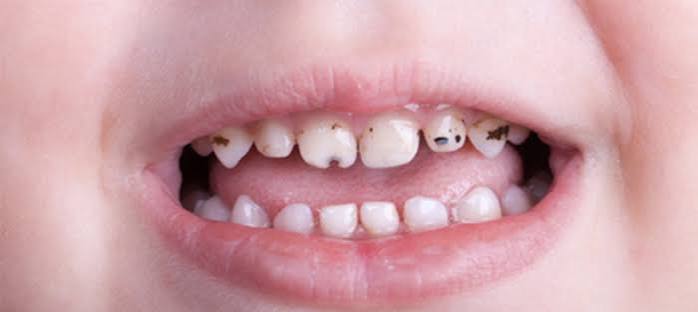
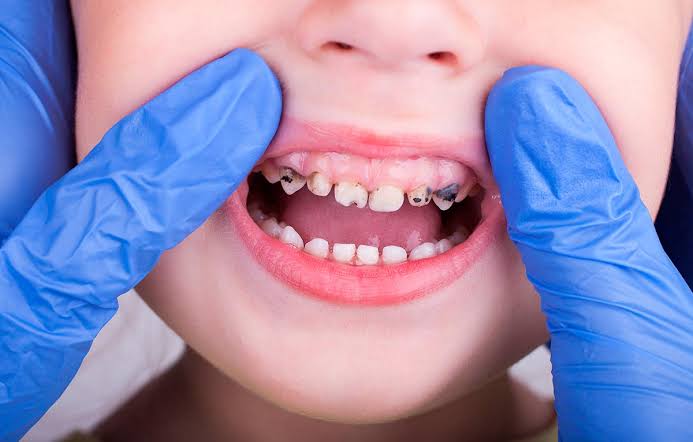
Endodontic treatment is a procedure applied when the pulp tissue in the center of the tooth becomes inflamed or infected, focusing on preserving the tooth’s natural structure. The pulp inside the tooth contains nerves, blood vessels, and connective tissues, but is not essential for functionality once the tooth has fully matured. Therefore, with endodontic treatment, the infected pulp is removed, and the structure of the tooth is preserved. If left untreated, however, the infection can lead to serious issues in the tooth’s root area. Infected pulp can generally be damaged due to the following conditions:
-
\t
- Deep decay
- Large fillings
- Repeated dental procedures
- Cracking or breaking of the tooth
\t
\t
\t
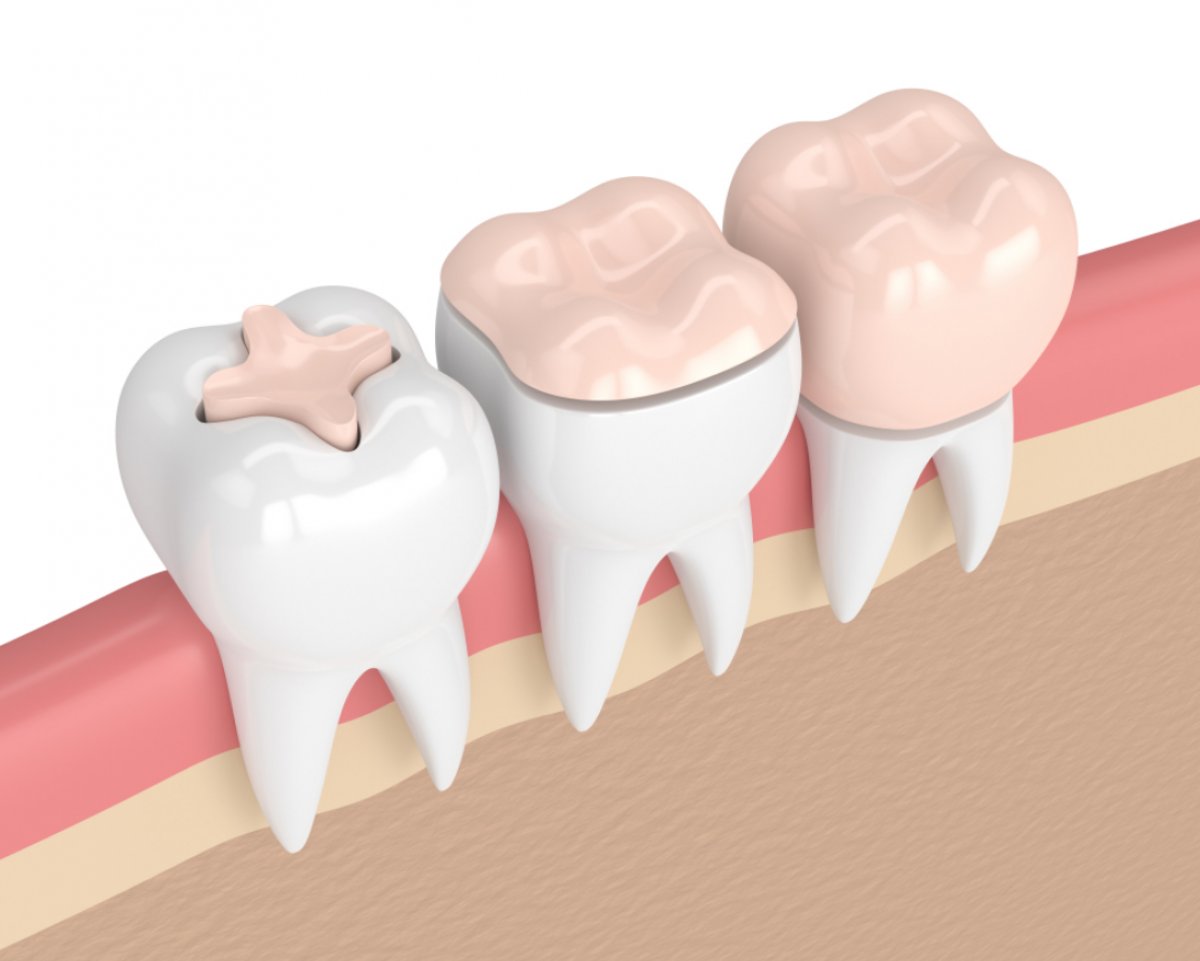
Endodontic treatment alleviates toothache by preventing the spread of infection and ensures the tooth remains healthy. During the procedure, infected tissue is removed, root canals are cleaned and shaped, and this empty space is sealed with biocompatible materials. The treated tooth is often supported by a crown to increase its durability. This treatment not only reduces pain but also helps in preserving surrounding tissues.
Modern endodontic techniques provide a comfortable treatment experience for patients with innovations such as laser-assisted disinfection and advanced imaging technologies. Instead of extracting a tooth, endodontic treatment contributes to long-term oral health by preserving the tooth’s natural structure.
How Does an Endodontist Perform Root Canal Treatment?
An endodontist meticulously carries out a series of procedures aimed at saving the tooth’s inner tissue and preventing reinfection in root canal treatment. The first step is to perform local anesthesia to ensure patient comfort. After that, a rubber dam is placed around the tooth to isolate it, thus maintaining a sterile area during the procedure.
Then, a small opening is made in the upper part of the tooth to reach the infected pulp tissue. This procedure is carried out with careful attention to protecting the healthy tooth tissue. After the infected tissue is carefully removed, the next phase involves cleaning and shaping the canals.
-
\t
- Local anesthesia
- Isolation of the tooth
- Accessing the pulp chamber
- Removal of the infected tissue
- Cleaning and shaping the canals
\t
\t
\t
\t
After these steps, the canals are filled with biocompatible gutta-percha material, ensuring hermetic sealing. Following the filling of the tooth, it is protected with a temporary crown; this step plays a vital role in safeguarding the tooth by reducing the risk of infection. In the final stage, a permanent crown or filling is applied to ensure the tooth’s longevity and strength, enhancing its appearance and function while increasing resistance to chewing forces, thus completing the treatment process.
What Are the Signs You May Need Endodontic Treatment?
The signs that may indicate you need endodontic treatment manifest as specific symptoms caused by tooth decay, infection, or trauma. Early recognition of these symptoms is important to avoid larger problems in the future. Inflammation or damage within the dental pulp can present itself with symptoms such as intense tooth pain. Treatment should be initiated promptly to prevent the spread of infection in the pulp tissue and to save the tooth. Here are common signs that may require endodontic treatment:
- Persistent tooth pain
- Sensitivity to heat or cold
- Swelling in the gums
- Changes in tooth color
- Pain when chewing or biting
- Bad taste or odor in the mouth
Discomfort felt in the teeth may be beyond simple decay and especially if it has become persistent, it requires further evaluation. Persistent sensitivity to heat or cold suggests there may be lasting damage to the tooth’s nerve structure, while noticeable swelling and sensitivity in the gums could indicate a bacterial infection. Damage to the pulp tissue can change the color of the tooth, and darkening that occurs after trauma can lead to the loss of tooth function.
Despite efforts to maintain oral hygiene, if a persistent bad taste or mouth odor is experienced, bacterial activity resulting from decay in the dental pulp should be considered.
Is Endodontic Treatment Painful or Risky?
Endodontic treatment has become much more comfortable than many patients expect, thanks to modern anesthesia and technology. Most patients report feeling only a slight pressure during the procedure when receiving fillings. Post-treatment, they typically experience minimal discomfort, which can usually be managed easily with over-the-counter pain relievers. The advanced techniques and materials used in the procedure effectively manage potential risks.
- Materials that reduce the risk of reinfection
- Crown applications that protect the structural integrity of the tooth
- Advanced anesthesia techniques that facilitate pain management
Additionally, regular check-ups during post-operative care support the long-term success of endodontic treatment and help prevent complications. This way, endodontic treatment offers a safe and durable solution.
What Are the Benefits of Choosing Root Canal Treatment Instead of Tooth Extraction?
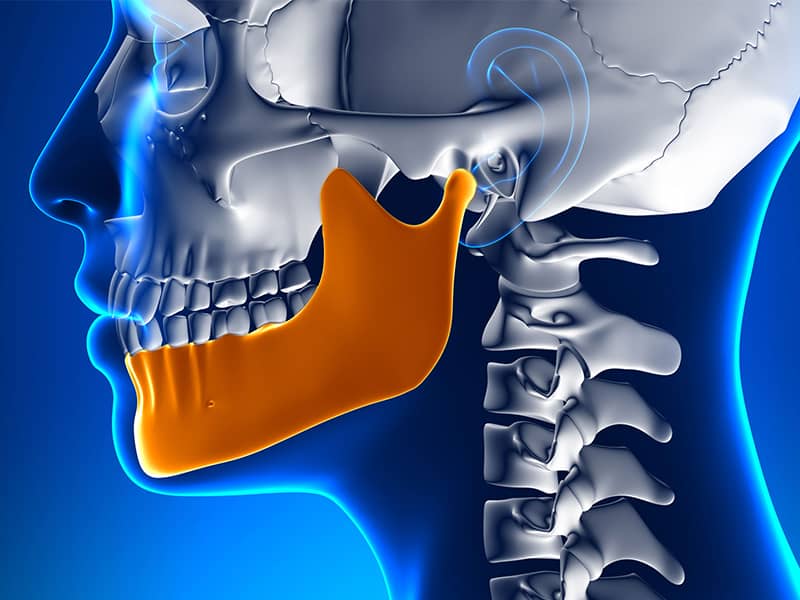
Root canal treatment helps preserve the natural tooth and contributes to maintaining the jaw structure and bite balance. Choosing root canal treatment instead of tooth extraction offers various long-term oral health benefits. This treatment preserves the tooth’s functionality, allowing for continued chewing and speech quality. It is essential to maintain jawbone health, as extraction can lead to bone volume loss, which may cause changes in facial structure.
- Preservation of the natural tooth
- Maintenance of jawbone health
- Preservation of chewing and speaking functions
- Support for bite balance
- Prevention of neighboring tooth migration
- Prevention of alignment issues
Additionally, root canal treatment provides long-term cost advantages. Although tooth extraction may seem more economical at first, costs can increase when additional treatments like implants or bridges are required. A good root canal treatment eliminates infection, extending the life of the tooth and preserving the health of surrounding tissues.