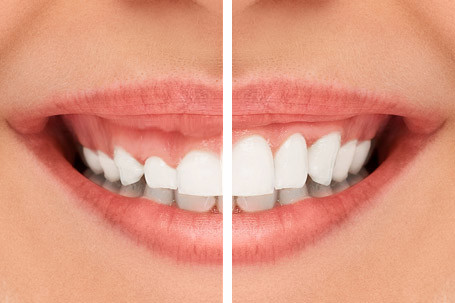
Gum disease is a condition that can lead to serious health problems if left untreated. Gum infections can cause not only tooth loss but also systemic health issues like bone loss and heart disease. Therefore, the treatment of gum diseases is of great importance. The treatment process usually begins with the removal of plaque and bacteria, and in advanced cases, surgical interventions may be necessary. After treatment, regular check-ups and meticulous oral hygiene are required to maintain gum health. These approaches are key to preserving oral health.
What is Gum Disease and Why is Treatment Important?
Gum disease is a chronic inflammation that develops due to plaque accumulation and affects the gums and surrounding structures. If left untreated, it starts with the inflammation of the gums and can progress to advanced stages that lead to bone loss and tooth loss. The development of the disease is observed in four main stages:
\t- Gingivitis: Bleeding, swelling
\t
- Early Periodontitis: Mild pocket formation, loss of connective tissue
\t
- Moderate Periodontitis: Deepening pocket structure, tooth mobility
\t
- Advanced Periodontitis: Bone loss, tooth loosening
\t
\t
\t
Neglecting the treatment of gum disease not only leads to tooth loss but can also result in serious consequences that threaten overall health. Advanced periodontitis creates a persistent source of inflammation in the body, increasing the risk of heart disease and diabetes. The presence of gum disease elevates blood sugar levels, making diabetes harder to control. Similarly, systemic risks such as respiratory infections and adverse pregnancy outcomes have also been linked to gum disease.
Treatment options vary according to the severity of the disease. In the early stage, plaque removal and improved oral care may be sufficient, while more advanced cases might require surgical intervention. Regular periodontal check-ups and cleanings are critical for preventing the progression of the disease and protecting overall health. This process is essential for maintaining gum health and reducing systemic health risks.
How is Gum Disease Diagnosed?
Diagnosing gum disease is crucial for establishing an accurate treatment plan by determining the type and severity of the disease. The health of the gum tissues, the condition of the underlying bone structures, and the depth of the pockets around the teeth are evaluated using various methods.
Main diagnostic methods:
-
\t
- Measuring the depth of gum pockets with a periodontal probe
- Imaging the bone health and loss with X-rays
- Examining the gum tissue and contour through clinical examination
\t
\t
The periodontal probe is used to measure the depth of gum pockets. This probe is placed in the space between the teeth and gums to measure the depth of the pockets surrounding each tooth. Healthy gums typically have pocket depths of less than 3 mm, while deeper measurements may indicate the severity of gum disease. The presence of bleeding is usually a sign of inflammation.
In the advanced stages of periodontal disease, X-rays evaluate the health of the bone. Bitewing or periapical X-rays provide detailed images of specific areas, while panoramic X-rays offer a comprehensive view of the bone support throughout the jaw. This way, the intensity and distribution of bone loss can be detected, allowing for the staging of the disease.
Early diagnosis enables preventive measures in the initial stages of periodontal disease. Thus, with professional care and regular check-ups, the progression of the disease can be halted, and superficial damage can be reversed.
When is Surgical Intervention Necessary in the Treatment of Periodontal Disease?
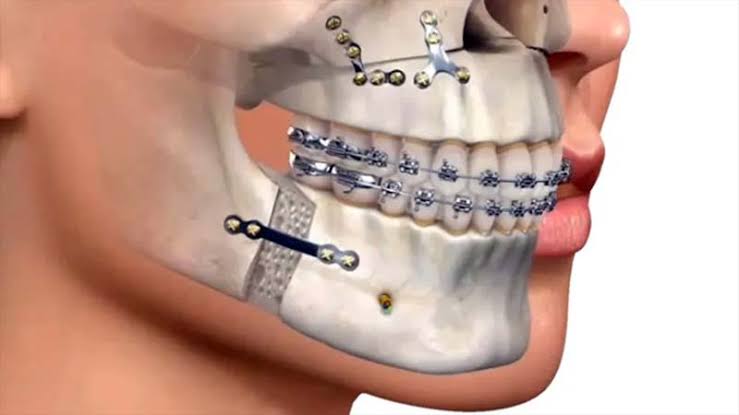
Surgical intervention becomes necessary when there is significant damage to the periodontal and bone tissues in advanced periodontal diseases, and standard cleaning procedures are insufficient. These interventions aim to reduce deep periodontal pockets, control infections, and repair lost tissues. The surgical procedures below are applied in severe stages of the disease:
Flap Surgery: The gum is lifted to access deep plaque deposits.
Bone Grafting: Bone material is placed to compensate for bone loss.
Guided Tissue Regeneration (GTR): A biocompatible membrane is applied for tissue renewal.
How Does Home Care Play a Role in the Treatment of Periodontal Disease?
In the treatment of periodontal disease, home care reduces inflammation and the risk of disease by ensuring the constant removal of plaque and bacteria. Daily care routines are essential to maintain the effectiveness of professional treatments and prevent the progression of the disease. A routine consisting of brushing, using dental floss, and antibacterial mouthwash supports gum health at home.
Brushing: At least twice a day
Using dental floss: Daily
Antibacterial mouthwash: After brushing
Healthy nutrition: Foods rich in vitamins C and D are recommended as sugar-free snacks
Staying hydrated: Supporting overall health
Not using tobacco: Reducing gum inflammation
How Does Gum Disease Treatment Improve Long-Term Health Outcomes?
Treating gum disease leads to positive health outcomes across the body and plays a critical role in reducing the risk of systemic diseases. By lowering the indicators of infection and inflammation associated with treated gum disease, it prevents the development of chronic conditions. Periodontal treatment involves cleaning tartar, smoothing the root surface, and in some cases, controlling inflammation with antimicrobial applications, which supports healthy gum structure.
- Cardiovascular health
- Diabetes management
- Respiratory health
- Positive outcomes in pregnancy
Periodontal treatment is effective in reducing risk factors for heart diseases and helps with blood sugar regulation in diabetic patients. For older individuals and those experiencing respiratory issues, gum health supports overall well-being by lowering the risk of respiratory infections. Especially in pregnant women, controlling gum inflammation can reduce unwanted pregnancy outcomes such as premature birth.
Regular check-ups and maintaining oral care after treatment minimize the likelihood of disease recurrence. This care ensures continuous monitoring of inflammation, providing long-term benefits for both gum health and overall body health.