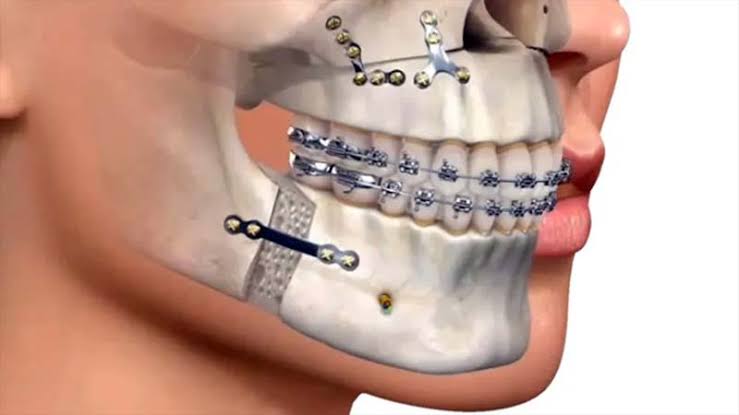
Jaw surgery aims to provide functional and aesthetic improvements for individuals with issues such as jaw incompatibility and facial asymmetry. Jaw deformities, including conditions like open bite or upper/lower jaw problems, can complicate daily functions like chewing, speaking, and breathing. This procedure can also be applied in cases of congenital anomalies (such as cleft palate) or jaw deformities resulting from trauma. Additionally, it can alleviate temporomandibular joint (TMJ) pain and improve sleep apnea. Generally, jaw surgery is suitable for candidates aged 15-18 who have completed their facial development and can offer positive outcomes.
What is Jaw Surgery and Why Might It Be Necessary?
Jaw surgery, also known as orthognathic surgery, is a procedure aimed at correcting skeletal and dental discrepancies in the jaw. It is an effective option for correcting serious jaw misalignments that cannot be fixed with traditional orthodontic treatment. This surgery typically aims to address both functional and aesthetic concerns.
Commonly addressed conditions in surgery:
- Severe malocclusion
- Temporomandibular joint (TMJ) disorders
- Respiratory issues (such as obstructive sleep apnea)
- Facial asymmetry
- Profile correction
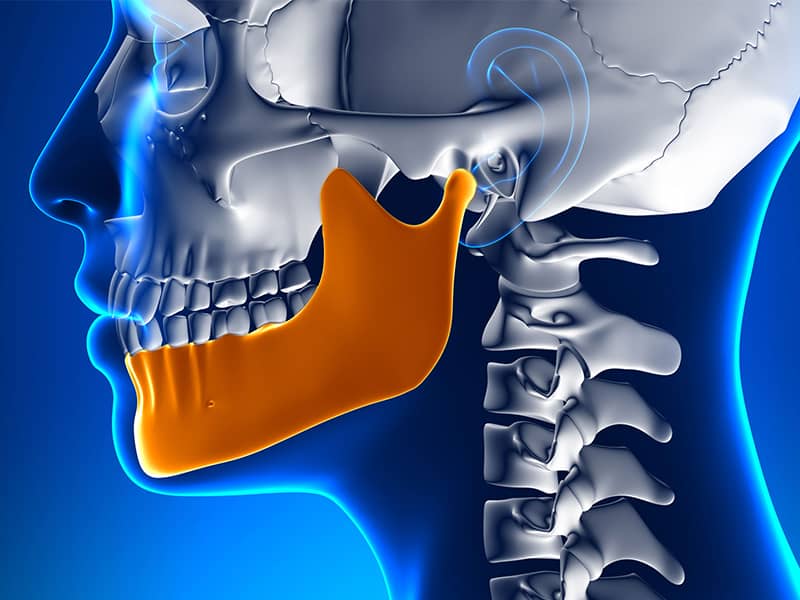
Jaw surgery may involve various techniques, such as repositioning the lower jaw (mandible), upper jaw (maxilla), or both. Through this surgical intervention, the alignment of the jaws is corrected while also improving chewing functions and speech ability. Furthermore, the balance and harmony achieved in facial aesthetics positively contribute to the psychological health and confidence of the patient.
In modern orthognathic surgery, utilizing advanced imaging technologies and 3D planning tools, the surgical process can be planned with greater precision and tailored to individual needs. In particular, jaw surgery can significantly reduce pain and discomfort for individuals suffering from chronic TME pain or jaw-related issues.
Who Can Benefit from Jaw Surgery Due to Severe Jaw Irregularities?
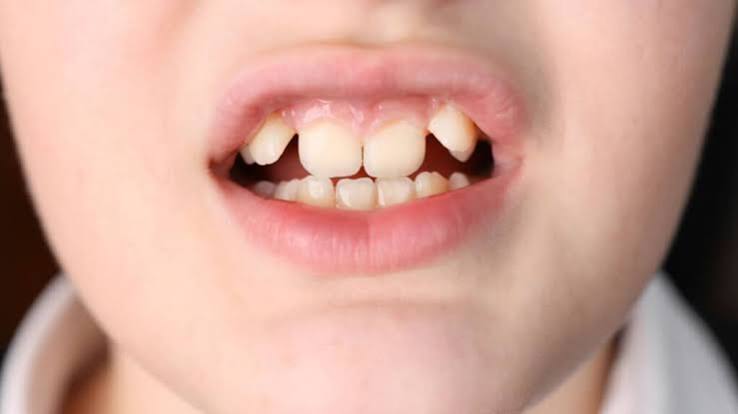
Individuals with severe jaw discrepancies can benefit from orthognathic surgery for functional and aesthetic reasons. Malocclusions like underbite, overbite, and open bite can create serious problems due to misalignment of the jaws. Jaw surgery is highlighted as a recommended treatment method in such cases. Functions like chewing, speaking, and breathing can be severely hindered due to the incompatible jaw structure, potentially diminishing the quality of life.
Jaw surgery can be applied especially in the following situations:
-
\t
- Underbite
- Overbite
- Open bite
- Jaw constriction
- Jaw protrusion
- Congenital anomaly (e.g., cleft palate)
- Jaw deformity resulting from trauma
- Temporomandibular joint (TMJ) pain
\t
\t
\t
\t
\t
\t
\t
This surgery also helps open and align the airways better. It can provide significant relief for individuals with respiratory problems due to issues such as sleep apnea or chronic snoring. Additionally, the facial symmetry achieved after jaw surgery enhances the self-esteem of many patients and supports aesthetic satisfaction.
Is Jaw Surgery a Solution for Chronic Jaw Joint Pain and Other Jaw-Related Issues?
Jaw surgery can be an effective solution for patients with chronic temporomandibular joint (TMJ) discomfort who do not respond to conservative treatments. It is preferred in structural disorders that cause not only TMJ pain but also jaw locking or limitations in jaw functions. By correcting jaw alignment, it alleviates pain by reducing strain on the joint and improves mobility.- Chronic pain
- Jaw locking
- Difficulty chewing and speaking
- Limited jaw movement
- Headaches
Developments in jaw surgery, supported by techniques such as arthroscopic disk repositioning and total joint reconstruction (TJRC), enhance patient comfort. Thanks to these surgical interventions, patients experience less pain, improve their daily quality of life, and achieve more favorable long-term outcomes.
Can Jaw Surgery Alleviate Sleep Apnea and Other Respiratory Issues?
Jaw surgery can effectively alleviate airway problems by correcting structural jaw issues in patients with obstructive sleep apnea (OSA), particularly using the maxillomandibular advancement (MMA) method. This procedure widens the airway by repositioning the upper and lower jaw forward and significantly reduces the likelihood of collapse during sleep. MMA aims to permanently improve the airway in patients with mandibular retrognathia or other craniofacial abnormalities associated with OSA.
The following patients are considered suitable candidates for MMA:
- Moderate to severe OSA
- Those with BMI below 30
- Patients under the age of 50
- Those who do not respond to CPAP or mandibular advancement devices
- Surgeries for soft tissue that have proven ineffective
The repositioning of MMA structures not only improves respiration but also enhances the appearance of patients. During the recovery period lasting three to twelve months after surgery, patients are monitored through follow-up assessments to determine whether airway stability is maintained.
How Does Jaw Surgery Address Aesthetic Concerns Like Facial Asymmetry?
Jaw surgery offers aesthetic and functional benefits by correcting facial asymmetries and jaw discrepancies. In cases of a receded or protruding jaw, repositioning the jaw bones results in a more balanced facial structure. Through these surgical interventions, patients experience relief from functional issues while achieving a visually harmonious appearance.
It is particularly an effective solution for the following issues:
- Facial asymmetry
- Protrusion of the lower jaw or upper jaw
- Receded jaw
- Need for defining jawline
- Lower or upper bite discrepancy
Aesthetic improvements make jaw surgery a process that provides not only functional but also psychological benefits. Patients enhance their self-esteem as they achieve improved facial proportions and a harmonious jaw structure. This brings greater comfort in social interactions. Advanced surgical planning methods successfully meet both aesthetic and functional expectations.