
Tooth mobility is a common issue that many people can face and is usually caused by damage to the tissues supporting the teeth, such as gum disease. Weakening of the bones and tissues that hold the tooth in place can lead to loosening of the tooth. In addition, dental trauma, tooth grinding or clenching (bruxism), and systemic health issues like osteoporosis can also cause teeth to become loose. However, with early intervention, it is possible to save a loosening tooth. In such cases, methods like dental cleaning, supportive treatments, or treatment of underlying health issues may be applied.
| Causes | – Periodontal Diseases (Gum Recession and Bone Loss) – Dental Trauma (Blow, Accident, Sports Injuries) – Tooth Grinding (Bruxism) – Advanced Dental Decay and Root Infections – Gum Inflammation (Gingivitis and Periodontitis) – Improper Dentures or Dental Treatments – Osteoporosis and Systemic Bone Loss |
| Symptoms | – Noticeable mobility in the tooth – Bleeding gums and swelling – Recession and sensitivity in the gums – Pain while chewing – Inflammation coming from the gums |
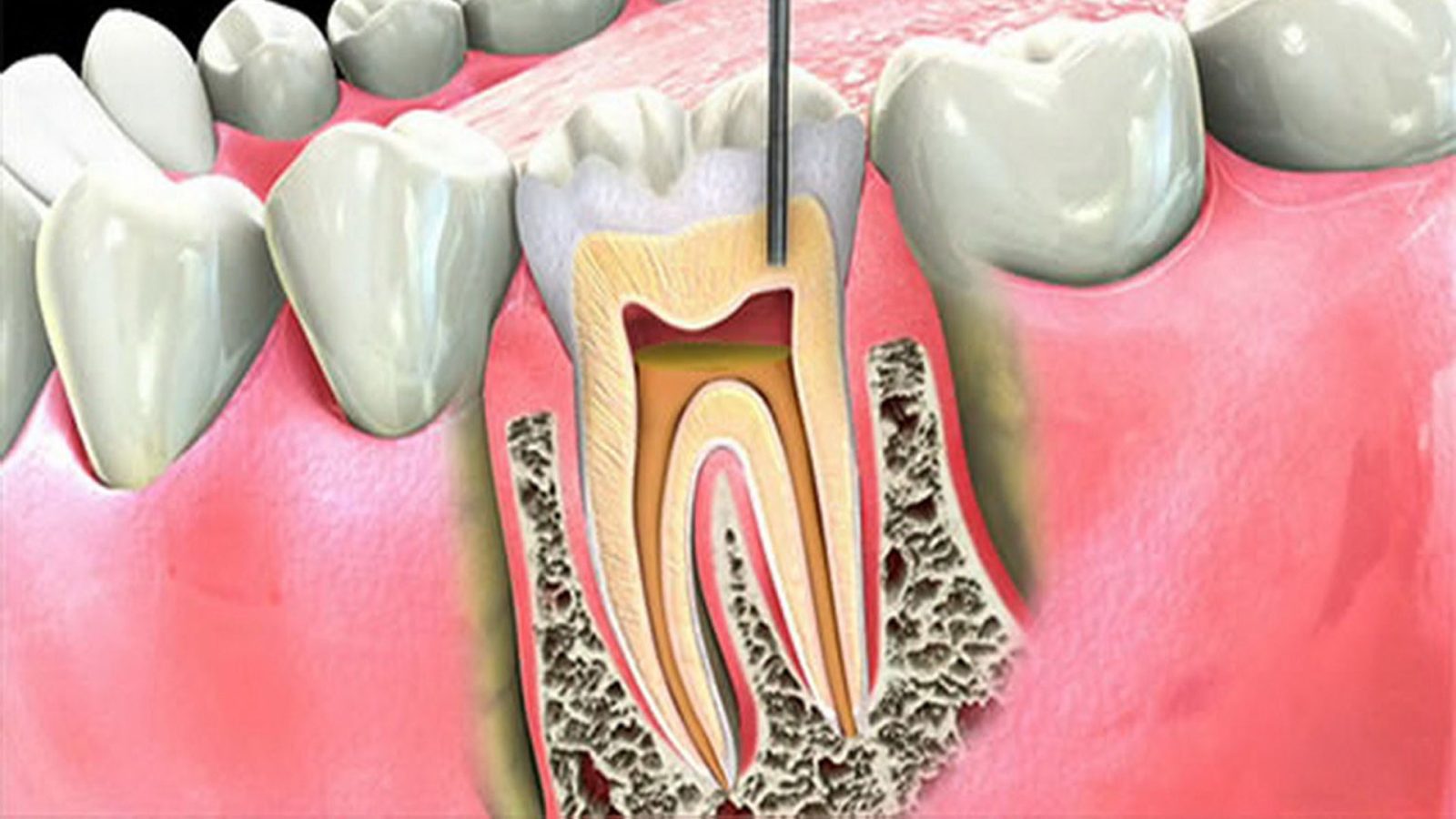
| Treatment Methods | – Periodontal Treatment: If the mobility is related to gum disease, deep cleaning (scaling) and antibiotic treatment are applied. – Dental Splinting: The loose tooth is stabilized by connecting it with a special fiber band or wire to the neighboring healthy teeth. – Root Canal Treatment: If the mobility is due to tooth infection, root canal treatment may be applied. – Tooth Grinding Treatment: Night guards are used to treat bruxism (tooth grinding). – Tooth Extraction and Implant: If the tooth cannot be saved, an implant or bridge prosthesis may be placed after extraction. |
| Preventive Methods | – Regular tooth brushing and flossing – Early treatment for gum diseases – Use a night guard if you have a habit of teeth grinding/clenching – Avoiding trauma, wearing a mouthguard while playing sports – Visiting the dentist for a check-up every 6 months |
How Does Periodontal Disease Cause Loose Teeth?
Periodontal disease is a chronic inflammatory process that leads to the loosening of teeth by damaging the supporting tissues of the teeth. It usually begins in the initial stage with gingivitis, which is caused by plaque accumulation. If gingivitis is not treated properly, it progresses to a more serious stage called periodontitis, which affects deeper tissues. With periodontitis, the bone and connective tissues that hold the teeth in place undergo destruction.
Effects of periodontal disease that lead to loosened teeth:
-
\t
- Recession of the gums
- Formation of periodontal pockets
- Weakening of connective tissue
- Loss of alveolar bone
\t
\t
\t
In the stage of periodontitis, the bony tissue that holds the teeth begins to suffer irreversible damage. The toxins released by bacteria harm the connective tissues, while the body’s inflammatory defense mechanisms developed in response also accelerate this destruction. Over time, the alveolar bone surrounding the tooth erodes, and support decreases. In this case, teeth become more mobile according to their health status and are unable to function properly for chewing.
Early diagnosis of periodontal disease and timely intervention are critically important for saving the teeth. Regular dental check-ups and maintaining oral hygiene are effective in preventing plaque accumulation. Additionally, reducing risk factors such as tobacco use is one of the necessary steps to prevent periodontal disease.
Can Trauma or Injury Cause Loose Teeth?
Traumatic injuries can cause loosening of teeth because such impacts can damage the periodontal tissues connected to the tooth bone. In particular, when teeth are subjected to excessive forces due to accidents or sports injuries, the fibers of the periodontal ligament may be damaged, stretched, or torn, which affects the stability of the tooth. The symptoms that may be observed in such cases are:
- Loosening of the tooth
- Pain and sensitivity
- Abnormal reactions to impact or pressure
X-ray images are important to confirm the effects of a traumatic injury. The following changes may be observed in these images:
- Widening of the periodontal ligament space
- Thickening of the lamina dura
- Bone loss
In the treatment of a tooth that is loose after trauma, temporary splinting is provided using adjacent healthy teeth to stabilize the tooth. This stabilization aims to promote the healing of damaged periodontal ligaments and ensure that the tooth reattaches to the bone strongly. The selection and duration of the splinting material should be determined carefully, as prolonged stabilization can lead to unwanted outcomes such as root resorption. If the stabilization treatment is applied correctly, it may be possible to regenerate the periodontal tissues, and the long-term health of the tooth can be ensured. This type of treatment emphasizes the importance of early intervention in traumatic tooth looseness and minimizes the risk of complications.
Can a Loose Tooth Be Saved?
It is possible to save a loose tooth, and there are various treatment methods available for this. The treatment option applied will vary according to the condition causing the loosening of the tooth. Here are some treatment methods used to support and stabilize loose teeth:
- Teeth cleaning
- Root surface smoothing
- Tooth support (splinting)
- Treatment of underlying health issues
Teeth cleaning and root surface smoothing help remove plaque and tartar around the teeth. These procedures assist in the gums reattaching more firmly to the teeth, which helps the tooth remain more stable. They can be particularly effective in the early stages of gum disease.
The splinting technique helps reduce mobility by connecting the affected tooth to the adjacent healthy teeth. This procedure creates a more stable structure by increasing the stability of the teeth and can extend the lifespan of the tooth. It is often preferred in cases of dental trauma or advanced periodontal diseases.
Systemic diseases such as diabetes and osteoporosis can lead to loosening of teeth, so controlling these health issues positively affects overall dental health. Particularly when diabetes is well-controlled, the progression of periodontal diseases slows, reducing the risk of tooth loss.
To determine the most appropriate treatment to save a loose tooth, it is necessary to consult a dentist.
What Measures Can Be Taken to Prevent Loose Teeth?
Regular care and healthy habits are essential to prevent teeth from becoming loose. One of the fundamental steps in maintaining oral health is practicing proper oral hygiene. It is important to brush teeth correctly and use dental floss for daily oral care. This helps prevent plaque and bacteria buildup, keeping the gums healthy. Additionally, regular dental check-ups are necessary for early diagnosis.
Routine visits to the dentist are important for early detection of potential gum diseases. During tooth cleaning, tartar that accumulates on the teeth and gums is removed, which reduces the risk of infection and helps maintain dental health.
Additionally, adopting a balanced lifestyle for oral health involves many factors ranging from nutrition to stress management. Proper nutrition provides the necessary nutrients for gum and bone health. The use of tobacco has negative effects on oral health, so avoiding smoking is beneficial.
When Should You Seek Professional Help for a Loose Tooth?
It is important to seek professional help promptly as a loose tooth can lead to serious issues. When certain symptoms arise that may affect the normal function of the tooth, one should consult a dentist without delay. The following situations may require urgent intervention:
-
\t
- Severe pain
- Heavy or continuous bleeding
- Noticeable mobility of the tooth
- Recent dental trauma
\t
\t
\t
Sensitivity, swelling, bleeding, or pulling in the gums may indicate gum diseases. Early detection is important as these symptoms can increase the risk of tooth loss. If any changes in the color of the tooth are noticed or if there are signs of inflammation around it, a dental check-up is necessary. Regular check-ups are the most effective way to detect gum diseases and other issues early.