
When you are distracted for just a short time while brushing your teeth or if you’re trying to finish your task quickly, it’s important to know that you might be putting your oral health at risk. Your daily routine should start with gently but effectively brushing your teeth at a 45-degree angle (towards the gumline) for at least two minutes. This angle helps you clean the plaque that accumulates along the line between your teeth and gums more effectively.
Of course, this advice is not a magic formula on its own. Many factors, from the hardness of your toothbrush to your technique, from your tongue cleaning to floss usage, determine your oral health. However, the essential point is to brush at the correct angle, for sufficient time, and at the right frequency. Inadequate or incorrect brushing can lead to wear on the enamel over time, gum recession, and even painful issues like sensitivity or pain.
What is the ideal angle for proper tooth brushing technique?
The reason that the recommended angle for tooth brushing technique is 45 degrees is that it effectively removes plaque build-up in the area where it contacts the gumline. Because plaque is a layer formed by bacteria and food particles that can easily stick at the junction just above the gum line and between the teeth. If you try to apply your toothbrush straight up and down (90 degrees) to the tooth surface, you may not clean the plaque layer deeply enough, and you might overlook the bacteria in the crevice of the gums.
The 45-degree angle directs the bristles of the toothbrush right towards this critical area. To put it simply: When you are vacuuming a carpet, if you move the brush quickly in a straight manner, the surface gets clean; however, you can’t reach the dust that settles deep into the fibers of the carpet. However, if you use the brush at a certain angle and with gentle motions, you effectively clean both the upper and lower layers.
The correct use of this technique is summarized by the method known as “Bass technique” or “modified Bass technique.” You should place the bristles just below the gum line and apply short vibrations or small circular movements with light pressure (but not too hard). The goal is to ensure the bristles penetrate the channel (sulcus) between the gums and the teeth and to loosen the plaque buildup there. Instead of making large movements in just a few seconds, using small but effective motions to dislodge the plaque yields much better results.
Deviating from the optimal angle, such as holding the brush upright or positioning it too horizontally, reduces the effectiveness of brushing. This can also manifest over time as redness, swelling, bleeding, or gum recession. Additionally, if you irritate the gums, sensitivity may increase, exposing tooth roots.
How should the tooth surfaces be brushed?
Tooth surfaces are areas that are most often visible in daily life. When you smile, talk, or eat, those around you first notice your tooth surfaces. However, this aesthetic aspect is also quite critical for having a healthy and problem-free oral structure. Because plaque that forms on the surfaces of the teeth can later mineralize into tartar (dental calculus), leading to many issues from gum inflammation to bad breath.
When brushing tooth surfaces, the 45-degree angle rule also comes into play. When you position the bristles correctly against the gum line, you contact both the hard surface of the tooth and the gum line at the same time. By using small and gentle circular movements or slight back-and-forth vibrations, you can effectively break up and remove the plaque. What’s important here is not your arm strength, but the flexibility of the bristles. You might envision it like gently touching an object in water instead of pushing it hard. Applying too much pressure increases the risk of damaging your gums.
It is generally recommended to start brushing from the back area of the mouth. Specifically, beginning the routine by brushing the chewing surfaces of the upper and lower back teeth (molars) ensures that you address these “hard-to-reach” areas from the outset and do not neglect them. Then, you can gradually move towards the front teeth (incisors). Following a systematic order allows you to give the necessary attention to each tooth instead of brushing randomly. One of the common mistakes made while brushing the tooth surfaces is trying to finish it “immediately” in a short time. However, dedicating about 30 seconds solely to brushing the tooth surfaces results in much more effective outcomes.
While brushing, you can enhance the space between your cheek and teeth by slightly parting your mouth, making it easier for the brush to reach every corner. It should also be remembered to be slow and careful: Instead of quickly brushing, focusing on a few seconds on each tooth or small groups of teeth is a more effective approach to ensure that the plaque is thoroughly cleared.
Why should brushing start with the tooth surfaces?
Many people tend to start brushing their teeth from the “easy spots,” meaning the visible parts. In fact, this practical approach is also supported by scientific recommendations. This is because the tooth surfaces are both quickly soiled and are the areas that people notice most in daily life. Brushing them first not only provides psychological motivation but also makes it easier to establish a “cleaning routine.”
Some research conducted by behavioral scientists has observed that brushing teeth in a specific order facilitates the formation of habits and results in more consistent outcomes. Particularly in children, an incremental approach such as “first the outer tooth surfaces, then the inner surfaces, followed by the chewing surfaces” extends the brushing time and ensures that each area is cleaned. Even regarded as a kind of “game rule,” it has been found that children adhere more to this sequence.
Additionally, outer surfaces are sometimes overlooked because they are thought to “get less dirty.” In reality, especially the outer surface of the front teeth can benefit a bit less from the natural cleaning effect of saliva, as it is exposed to airflow during breathing. Plaque accumulation on these surfaces can quickly cause stains in terms of aesthetics as well. Therefore, by brushing the outer surfaces first, you achieve both a quick cleaning and maintain motivation. After some time, the act of brushing your teeth will automatically become routine.
Some experts indicate that interacting with outer surfaces enhances the visual “clean feeling.” Seeing the result of an action immediately increases people’s willingness to continue. From this perspective, when outer surfaces are brushed, obtaining an immediately shiny appearance in the mirror provides positive feedback before moving on to other areas. Of course, you can sustain this motivation as long as you do not neglect the inner surfaces or chewing surfaces afterward.
What is the best type of toothbrush for effective brushing?
Choosing a toothbrush is as important a step as using the correct brushing techniques. While trying to choose among many brands and models, knowing what to pay attention to can make a significant difference for your oral health. The general belief is that a “soft bristled” toothbrush causes less damage to both gum tissues and tooth enamel. Hard bristled brushes may appear to clean surface stains a bit faster, but they can lead to abrasion on the teeth and gum recession in the long run.
In addition to the softness of the bristles, the size of the toothbrush head is also important. Especially if your mouth is small or if you have difficulty reaching the back teeth, choosing a smaller-headed toothbrush will make your life easier. This way, you can easily access tight spaces for detailed cleaning. The arrangement of bristles also makes a difference: some toothbrushes have a cross-placed or multilayer bristle structure. This design aims to better reach between the teeth gaps or the gum line.
If you don’t like manual toothbrushes or are looking for a more practical solution, electric or rechargeable toothbrushes can also be preferred. A significant advantage of electric toothbrushes is that they can partially ensure the correct movement pattern automatically, and many models come with a timer. This makes it easier to brush for the recommended duration. Of course, choosing a ‘soft or medium hardness bristle’ remains important here.
For situations where you want to brush your teeth outside, such as traveling or at the office, collapsible or models with protective covers are available. However, the point you should remember is that regardless of which toothbrush you choose, it is essential to regularly (approximately every three months) replace the toothbrush head or the toothbrush itself. Over time, the bristles wear out and become ineffective for proper cleaning. Moreover, worn-out bristles can also cause irritation to the gums.
Does using an electric toothbrush improve results?
Electric toothbrushes have been the subject of numerous studies in recent years, showing significantly better plaque removal and positive results for gum health compared to manual brushing. Toothbrushes that use rotary-oscillation technology can effectively disrupt plaque buildup on dental surfaces with thousands of vibrations or rotations per minute. However, this does not mean that manual brushing cannot be successful; proper technique in manual brushing can also be quite effective. Yet, since electric toothbrushes maintain a certain rhythm and movement on their own, they can reduce user errors.
It is known that electric toothbrushes also increase motivation for children. Models that make brushing enjoyable through music or lights can be beneficial in helping them develop regular brushing habits. Additionally, the timer feature prevents brushing for too little or too much time. Some models even have sensors that provide warnings when too much pressure is applied, which reduces the potential harm caused by hard brushing.
However, using an electric toothbrush does not mean one should fall into the comfort of thinking, ‘the machine does the work for me.’ It remains essential to adhere to rules such as paying attention to a 45-degree angle, holding the brush against each tooth for a moment, and moving it slowly. Regularly changing the heads of electric toothbrushes is also important; worn, hardened, or deformed brush heads do not clean effectively and can lead to gum irritation.
Some people may be uncomfortable with vibrating brush heads or may feel a sensation of food getting trapped inside their mouths. In such cases, electric toothbrushes that offer lower vibration modes or specially designed heads for ‘sensitive teeth’ may be preferred. As a result, while electric toothbrushes promise a significantly higher rate of plaque removal scientifically, personal comfort and proper usage are just as important as the technology itself.
How do inner surfaces effectively get brushed?
The most frequently overlooked or quickly passed section of the teeth brushing routine is the inner surfaces. Particularly, the areas on the tongue or palate side of the front teeth are sometimes neglected since they aren’t directly visible. However, plaque accumulation in these areas is as dense as on the outer surfaces, and if not cleaned, it can lead to cavities or gum issues.
The fundamental principle while cleaning inner surfaces is still at a 45-degree angle. For example, when brushing the inner side of the lower teeth, position the brush slightly upward and just below the gum line. The tip (or “toe” part) of the brush should make contact with the gum line and gently wiggle back and forth or move in circular motions to loosen the plaque. For the upper jaw, the opposite may be necessary, directing the brush downward. Especially on the front teeth, keeping the brush upright (in a vertical position) while brushing can be more effective in tight areas.
Acting quickly or disregarding these areas by saying “They’re not visible anyway” can lead to dental calculus, gum bleeding, and even cavities in the future. Some people are surprised to find significant tartar buildup on the inner surfaces of their lower front teeth. This is usually due to plaque accumulating heavily in this area and eventually hardening into deposits (tartar) containing calcium and phosphates over time.
The secret to success on inner surfaces is to be slow and systematic. Slightly open your mouth to allow the brush to navigate these tight areas comfortably. You can also pull your tongue back a bit to create more space. Spend at least a few seconds on each tooth, using small vibrating motions. While it may seem a bit more tedious compared to other areas of the mouth, cleaning the “inner surfaces” can prevent many dental and gum problems in the long run. It is essential to remember that both the “front stage” and the “backstage” of the teeth require impeccable care.
Why is the gum line important in brushing technique?
The gum line can be defined as a critical “boundary area” where the tooth meets the gum. The plaque that accumulates here targets the first line of defense in the gums, and mild inflammation (gingivitis) often starts in this area. Skipping this line while brushing can lead to rapid plaque buildup under the gums, causing serious problems.
The 45-degree rule is essential for cleaning the gum line. When positioned at this angle, the bristles can gently contact the edge of the gum and dislodge plaque. If you brush at a completely vertical or very horizontal angle, you may either irritate the gums too much or fail to clean them properly. Small circular or vibrating movements are advisable at this point.
Receding gums are often a result of aggressive brushing or trauma caused by hard-bristled toothbrushes. Incorrect cleaning of the gum line or brushing too hard may force the gums to recede. This can expose sensitive root surfaces, leading to hot-cold sensitivity and potentially serious problems that could result in tooth loss later on.
The gum line is like a door threshold. This threshold opens both to the outside (germs, plaque, etc.) and to the inside (tooth roots and bone tissue). If you do not clean this threshold regularly and carefully, unwanted harmful elements can enter your mouth. Therefore, using a 45-degree angle, soft bristles, and gentle touches to scrub this “door threshold” will ensure the safety of your oral health.
How to clean to prevent caries formation on chewing surfaces?
Chewing surfaces (occlusal surfaces), especially in back teeth, often have deep grooves and cavities. These cavities create ideal hiding spots for food particles and bacteria. Therefore, they are among the areas most prone to decay. Sealants applied to these areas under a dentist’s supervision can make the surface more impervious and significantly reduce the risk of decay. However, even if you have sealants, regular brushing is essential.
The most effective method for brushing chewing surfaces is to hold the toothbrush upright and make small back-and-forth movements to cover all the grooves and indentations. This is because the channels on these surfaces usually deepen towards the center of the tooth. Some experts even recommend using a small circular motion or a light pressure and lift technique to remove the plaque that accumulates in those areas. Here, be cautious not to use excessive force; the important thing is for the bristles to penetrate into the grooves to clean the plaque.
During the day, you may sometimes not find the opportunity to brush your teeth. In such cases, chewing sugar-free gum can help increase saliva flow, partially cleaning both chewing surfaces and the overall teeth. Gums with ingredients like xylitol also reduce the acid production of bacteria. Of course, this method should never replace tooth brushing; it only provides temporary support.
Paying attention to your diet is also important for maintaining chewing surfaces. Consuming sticky and sugary foods continuously means a feast for the bacteria in these tiny cavities. Turning to acidic or sugary foods immediately after brushing can undermine all your efforts. To protect your chewing surfaces for many years, regular brushing, controlled nutrition, and protective procedures recommended by a doctor when necessary (such as sealants) form an ideal combination.
What are the common mistakes made while brushing?
Brushing your teeth is often thought to be a simple action, but due to its simplicity, many people make mistakes. One of the most common mistakes is not allocating enough time for brushing. Some complete their brushing in just 30 seconds and feel a sense of accomplishment with a “Mission accomplished!” However, a thorough cleaning requires at least two minutes to be spent on all surfaces (outside, inside, chewing surface, and even the tongue surface).
Another mistake is applying excessive pressure. Many believe that stronger scrubbing will clean the teeth better, but in reality, this can wear down tooth enamel, irritate the gums, and eventually lead to gum recession. Gentle and controlled movements are healthier. Hard-bristled brushes can accelerate this damage.
Some people only brush the front (visible) teeth or neglect tongue cleaning. The tongue surface is a broad area where bacteria can easily cling, and if not cleaned regularly, it can lead to bad breath. Similarly, not using dental floss or interdental brushes increases the accumulation of plaque and food residues between the teeth. It may not always be possible to reach these gaps with just a toothbrush.
Using the same toothbrush constantly is another trap. Bristles on brushes used for more than three to four months become deformed, and their cleaning capacity significantly diminishes. Additionally, improper storage conditions (such as leaving the brush wet and putting it in a closed container) can promote bacterial growth on the bristles. All these mistakes can lead to deterioration in oral health and prepare the ground for gum diseases within just a few weeks or months.
How long should you clean your teeth while brushing?
The joint recommendation of experts and international institutions is to dedicate at least two minutes twice a day to brushing your teeth. Two minutes is the minimum time required to adequately clean the outside, inside, and chewing surfaces of the teeth on both the upper and lower jaws. However, some research indicates that extending the brushing time to three or four minutes can provide additional benefits for plaque removal. The key point here is to avoid increasing pressure as time extends and not to irritate the gums.
Most electric toothbrushes have built-in timers for this time management. Devices that pause briefly or sound an alert every 30 seconds allow you to clean each of the four quadrants of your mouth (upper right, upper left, lower right, lower left) in intervals. A similar scheduling can be applied for those using manual brushes. For example, you can establish a consistent routine by dedicating 30 seconds to each quadrant.
Unnecessarily prolonging the time significantly can harm your teeth more than it helps. Especially if you have a habit of brushing too hard, prolonged pressure can increase irritation in the gum tissue. One practical tip is: instead of immediately rinsing the foam from your mouth while brushing, you can periodically dip your brush back into the toothpaste or rinse it with a little water and continue. This way, the plaque on the surfaces can be thoroughly broken up.
Finally, rinsing vigorously with water immediately after brushing can reduce the effectiveness of the fluoride in the toothpaste. Fluoride is an important component that strengthens tooth enamel. Therefore, a brief light rinse after brushing may be sufficient. Allowing a small amount of fluoride to remain in your mouth for a longer period enhances its protective effect.
How much toothpaste should be used for brushing?
Using toothpaste with the logic of “the more, the better” is a common misconception. The recommended amount for adults is generally the size of a “pea” or a “gram of rice.” This is because the actual effect of toothpaste is based on the fluoride it contains, which protects the enamel of the teeth, and this protection does not increase with larger amounts of toothpaste.
The fluoride content is one of the key effectiveness criteria of toothpaste. For adults, toothpaste containing 1350–1500 ppm fluoride is ideal. For children, depending on age, it is recommended that those under three use a quantity the size of a “grain of rice,” while children between three and six should use the size of a “pea.” This also reduces the risk of these children swallowing toothpaste and prevents excessive fluoride intake.
Flavor and foaming factors often vary according to personal preference. Mint-flavored toothpastes provide a feeling of freshness and refresh the breath. However, substances like SLS (Sodium Lauryl Sulfate), which promote foaming, can sometimes irritate the sensitive oral mucosa. In this case, low SLS or SLS-free toothpaste may be preferred.
Before applying toothpaste to your toothbrush, you can lightly moisten the brush, but using too much water can reduce the consistency of the toothpaste and result in less contact of active ingredients with the tooth surface. Therefore, there is no universal answer to the question “Should I wet the toothbrush?” Most people think that lightly wetting it is sufficient. The important thing is to apply the toothpaste in a way that spreads over the teeth and activates during the brushing process.
How to incorporate dental flossing into your routine?
Adding dental floss to your daily routine is one of the most effective ways to clean plaque and food debris between teeth. No matter how advanced your toothbrush is, it may not completely penetrate between two teeth. Dental floss is a fine and flexible aid designed to clean the remnants accumulated in these “hidden corridors.”
You can start by setting a small goal for yourself. In the first few days, establish a principle like ‘I will use dental floss every evening before or after brushing my teeth’. Using dental floss doesn’t have to be a time-consuming process lasting for minutes. Just a few minutes of your day can prevent issues such as gum bleeding and food impaction in the long run.
Using dental floss correctly is equally important. Cut a piece of floss about 45 cm long, wrap it around the middle fingers of both hands, and control the floss with your thumbs or index fingers. Gently place it between your teeth and, using a light ‘C’ shape, wrap it around the sides of the tooth, moving it up and down to remove plaque. Pressing the floss against the gum with sudden and forceful movements can lead to bleeding and irritation.
In addition to dental floss, there are interproximal brushes, water flossers, and similar tools available. These tools can be lifesavers, especially for those using braces or who have wider inter-dental spaces. However, the simplest and most common method is still traditional dental floss. Once you develop this habit, you will notice that the clean and fresh feeling that comes after brushing your teeth becomes much more pronounced.
Why are regular dental check-ups essential for oral health?
No matter how carefully you brush your teeth or use dental floss, there might be areas that go unnoticed if regular dental check-ups aren’t performed. The mouth is a dynamic ecosystem that constantly harbors bacteria and is in contact with food residues. Routine check-ups performed by the dentist can catch small changes in this ecosystem early and protect you from larger problems.
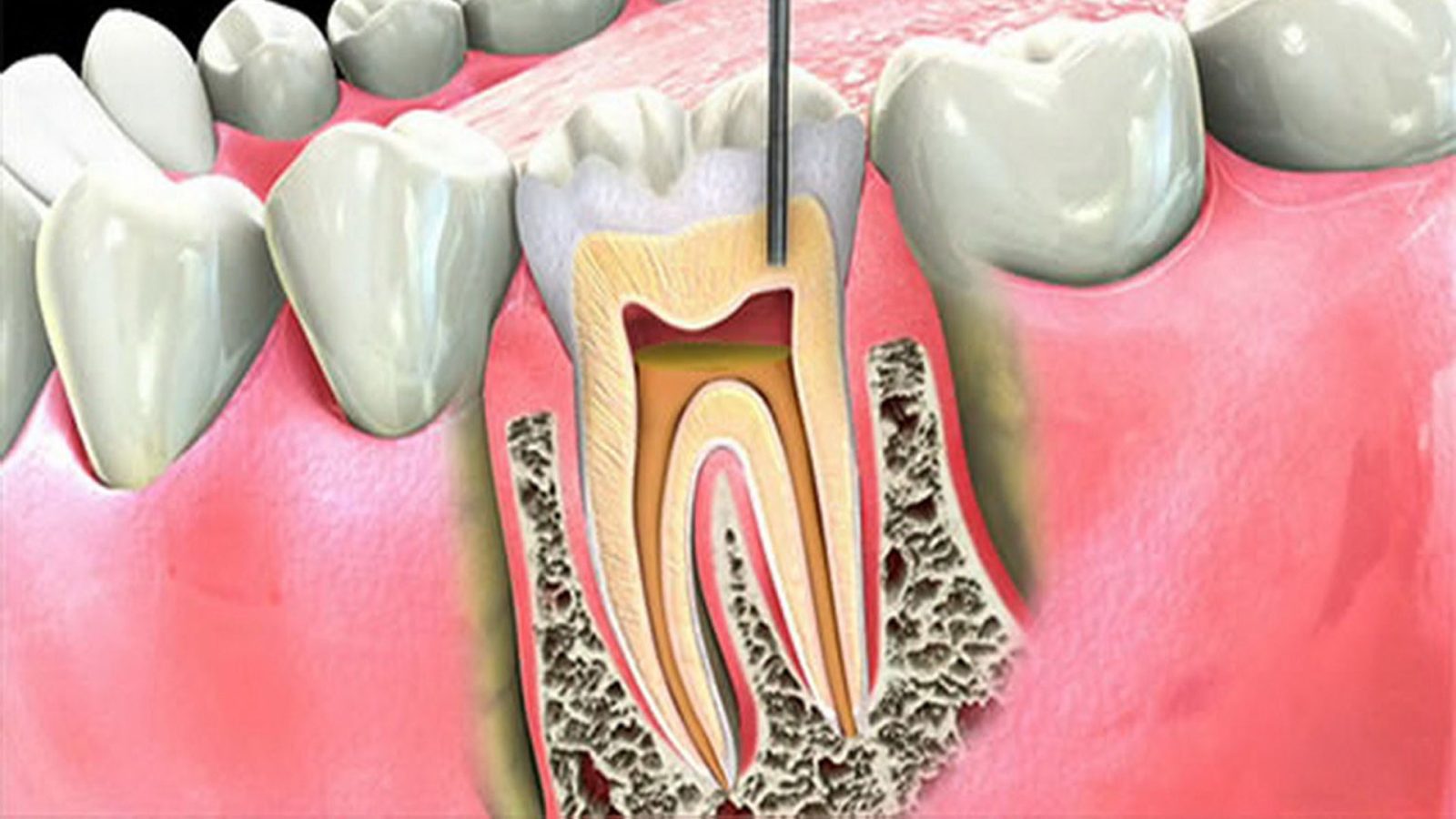
One of the most common examples is the early diagnosis of cavities. The small cavities that you might not notice when looking at yourself or that you might not feel pain are detected during a dental examination, with X-rays, or with special lights. These cavities are treated with small fillings while they are still in the initial stage, preventing them from progressing to a size that would require root canal treatment.
Similarly, early diagnosis is crucial in gum diseases. If conditions that can be treated with simple interventions at the gingivitis (gum inflammation) level develop into periodontitis stage, you may face consequences such as tooth loss and erosion of the jawbone. Regular check-ups ensure that your gum condition is closely monitored and the necessary cleaning procedures (scaling, tartar cleaning, etc.) are carried out.
Professional cleaning is effective in removing tartar buildup and stubborn plaque accumulations. The ultrasonic devices and special tools used by the dentist clean the hardened plaques in the areas that you cannot reach at home, providing you with a ‘fresh start’ in your mouth. Furthermore, the dentist can offer personalized recommendations based on your lifestyle or systemic diseases. For example, individuals with diabetes or heart issues require more attention in their oral care.