Can a dental implant be used like a natural tooth?
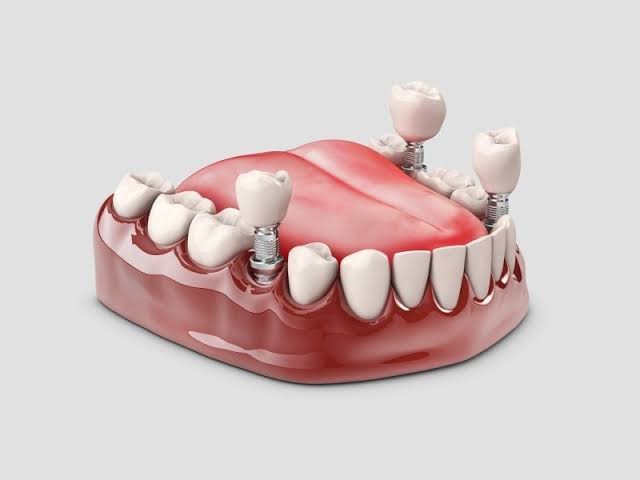
Implant treatments applied to restore chewing, speaking, and aesthetic functions after tooth loss are considered approaches in modern dentistry as an alternative to original teeth. Titanium or zirconium components placed in the jawbone, combined with porcelain or zirconium coatings added on top, can function just like original teeth. In this context, developments in Implantology allow individuals to comfortably consume hard foods in their daily lives and have a clear function by increasing the biomechanical compatibility of artificial roots.
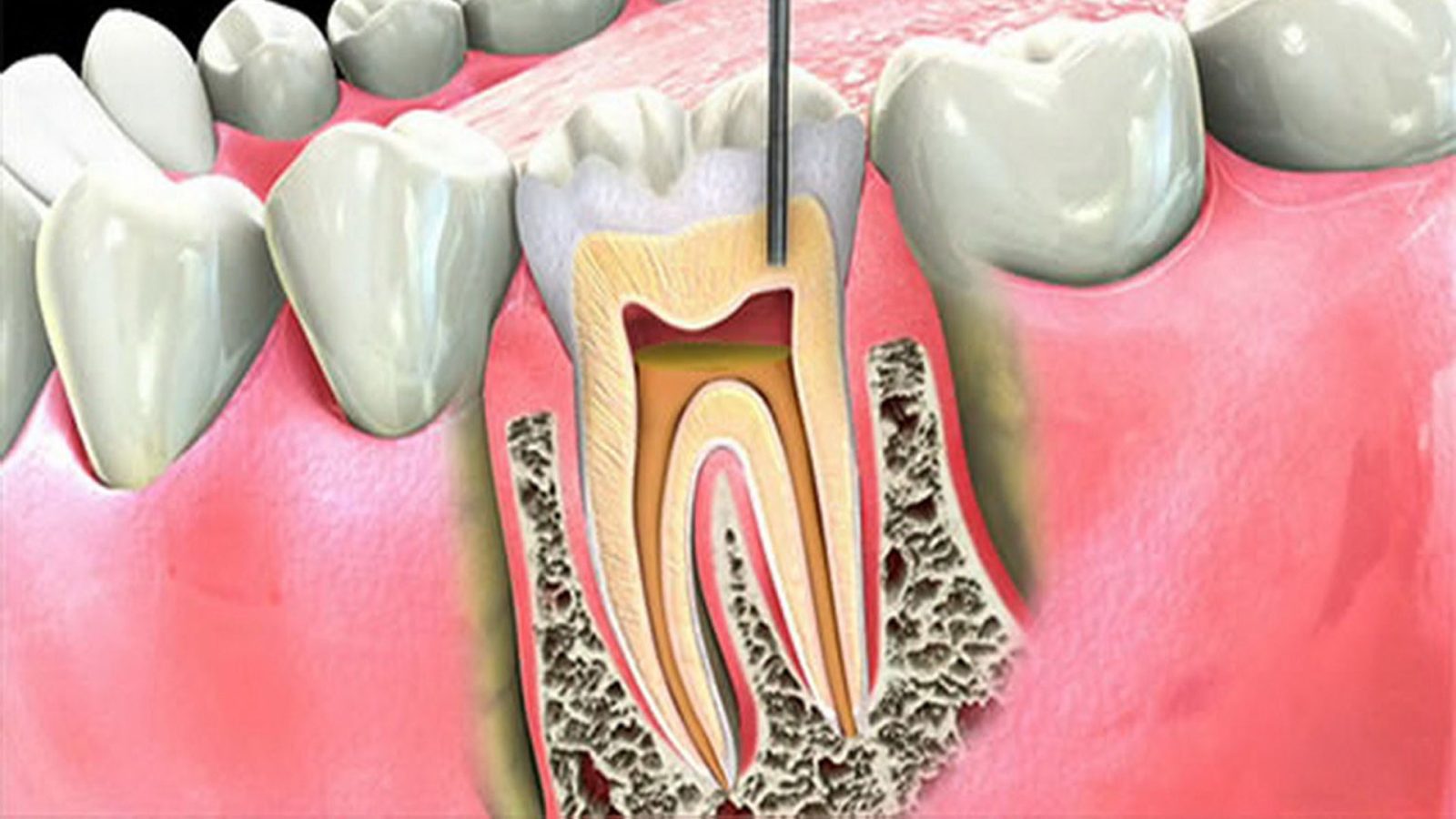
The cellular integration (osseointegration) established by the artificial roots with the jawbone ensures the direct transmission of occlusal (chewing) forces to the bone tissue. This supports individuals in achieving comfort levels close to their original teeth without feeling any foreign object while eating or speaking. In this guide, the chewing capacity of artificial tooth systems, phonetic effects, maintenance requirements, and the processes of compatibility with jaw anatomy will be examined from a scientific perspective.
To what extent can a dental implant functionally replace a natural tooth?
When examining the medical procedures planned to replace missing teeth, it is observed that the structures built on titanium screws have a high rate of countering chewing forces. Problems such as movement or slipping experienced with traditional removable dentures are not seen in these systems, which are fixed by screwing into the jawbone. The artificial root provides a stable position just like a natural tooth since it rises within the bone.
Functional adequacy is not limited to only masticating solid foods; it also supports the balanced functioning of the jaw muscles and joints. The bone resorption process that occurs over time in edentulous areas is balanced by the mechanical stimuli applied to the bone with the placement of artificial roots. Thus, individuals can distribute the force homogeneously into the mouth while chewing, allowing the first stage of the digestive system to function within physiological norms.
How Do Artificial Roots Reflect the Natural Tooth Sensation During Chewing?
In human anatomy, there are microscopic fibers (periodontal ligament) that surround the roots of the teeth, and these fibers send signals to the brain by sensing the chewing pressure. Since titanium materials do not have this fiber structure at the cellular level, pressure force is directly conveyed to the sensory nerves within the bone and the cortical layer. This mechanical transmission allows the individual to feel the hardness or softness of the foods.
This adaptation experienced in eating habits ensures that patients quickly adopt their new teeth as if they were their own organs. The resistance that arises during biting and chewing prevents excessive strain on the jaw joints. This natural resistance mechanism felt while chewing is considered one of the greatest biomechanical advantages offered by Implantology practices compared to removable dentures.
How Do Crowns Placed on Implants Affect Speech and Phonetic Sounds?
Tooth deficiencies, especially in the front area (incisors), hinder the airflow control, preventing the correct pronunciation of certain voiceless sounds like “s”, “ş”, and “t”. This situation can lead to communication difficulties in social life. Porcelain or zirconium crowns designed to fit the gaps restore the airflow circulation that needs to occur behind the tongue or between the teeth to its original form.
In the table below, the phonetic and mechanical properties of natural teeth and implant-supported crowns in the oral cavity are summarized for comparison:
| Evaluation Criteria | Natural Tooth Structure | Implant-Supported Crowns |
|---|---|---|
| Chewing Pressure Transmission | Transferred to the bone with flexible cushioning through periodontal fibers. | Transferred to the bone tissue in a rigid (fixed) manner. |
| Phonetic (Speech) Compatibility | It maintains sound flow to preserve original anatomical boundaries. | True measurement and form design supports sounds as originally intended. |
| Jaw Bone Warning | Keeps bone metabolism active with pressure along the root. | Slows down resorption by applying pressure to the bone through an artificial root. |
| Sensation and Adaptation | Has a proprioceptive (positional) perception coming from birth. | Is perceived as a natural tooth after a brief adaptation period. |
How Are Chewing Forces Transferred Directly to the Jawbone?
The main reason for the gradual decrease in bone volume in edentulous jaw sections is the lack of mechanical load in that area. Since movable palatal prostheses distribute pressure over the gum tissue, bone marrow cells are not stimulated. However, artificial roots are placed directly into the bone tissue, and even the slightest chewing contact is perceived by the underlying bone tissue.
Receiving this mechanical stimulation triggers the activity of bone-forming cells called osteoblasts. Thus, the volumetric reduction reactions that may develop in cases of tooth extraction are kept under control. This mechanical transfer helps maintain the shape and height of the jaw skeleton, which is a biological process that prevents the collapse of facial lines.
Is the Cleaning and Maintenance Routine for Artificial Teeth Different from Original Teeth?
Laboratory materials such as porcelain or zirconium are not subject to decay cavitations because they cannot be dissolved by bacteria. However, this does not mean that these teeth do not require care. Food residues and dental plaque that can accumulate in the neck areas where the crowns connect with the gum tissue can lead to inflammation in the surrounding soft tissue.
Therefore, the daily care routine should include interproximal brushes and dental floss to clean the narrow spaces between the teeth, in addition to brushing twice a day with standard fluoride toothpaste. Protecting the health of surrounding tissues is the most crucial hygiene step that directly supports the functional lifespan of artificial roots within the mouth.
How Are Functional Compatibility Analyses Conducted at Avrupadent Clinics?
During the phase from the planning of the treatment process to the delivery of the prostheses, achieving a balanced distribution of the patient’s jaw closure forces is of great importance. Doctors examine how the patient closes their jaw, analyzing the surfaces of tooth contact while chewing sideways using digital measuring tools. These analyses help in the early detection of potential mechanical stresses that may arise from excessive loading.
The rigorous clinical assessments conducted prepare the groundwork for the artificial teeth to function in complete harmony with the natural alignment of teeth within the mouth. The hospital’s phonetic sounds, lip support, and jaw joint movements are controlled through these analyses to aim for a comfortable usage.
What are Frequently Asked Questions?
1. Does the dental implant move while chewing?
No, the artificial roots that fuse with the jawbone at the cellular level exhibit a stable posture; therefore, they do not move or shift during chewing.
2. Can any type of solid food be consumed with artificial teeth?
Once the bone integration process is complete and permanent crowns are placed, foods such as meat, vegetables, and similar items can be comfortably chewed, just like with natural teeth.
3. Do porcelain implants show sensitivity to hot and cold?
Since porcelain materials do not contain nerve tissue, they do not create sudden sensitivity or discomfort to hot or cold foods, similar to natural teeth.
4. What is the most fundamental anatomical difference between natural teeth and implants?
Natural teeth are attached to the bone via elastic fibers (periodontal ligament), whereas artificial roots establish a rigid, non-flexible connection directly with the bone.
5. Does nighttime teeth grinding damage artificial roots?
In cases of bruxism (teeth grinding), excessive forces may come into play, so using protective night splints prepared under medical supervision can help balance this load.
6. Do artificial teeth discolor over time?
Zirconium or porcelain surfaces are resistant to stains and discoloration; they retain their color for a long time due to external factors.
7. Is there any loss or change in the sense of taste?
Since the treatments applied do not affect the taste buds on the tongue, there is no loss or negative change in the sense of taste.
8. Is dental calculus observed in implant-supported teeth as well?
Even if there is no calculus on the porcelain itself, plaque and dental calculus can accumulate on the mineral deposits in the gum line.
9. Do implants shift during sports or active lifestyles?
Artificial roots anchored to the jawbone do not shift at all during sports activities or daily movements.
10. What does the lifespan of artificial roots in the mouth depend on?
The lifespan is directly related to the care an individual shows in daily oral hygiene, regular dental check-ups, and overall systemic health status.
11. Can older individuals also use these systems like natural teeth?
Any adult with a favorable general health condition can benefit from this treatment, achieving a chewing comfort close to that of natural teeth.
12. How are artificial roots affected in case of gum recession?
In advanced gum recessions, the neck part of the crown may become visible from the outside; this situation is a clinical condition that requires aesthetic monitoring.
13. Is there a problem in medical imaging such as MRI or tomography?
The titanium materials used do not create a magnetic field, so they do not pose any obstacles during MR or tomography imaging for the patient.
14. What issues arise if dental implants are neglected in terms of care?
If cleaning is neglected, inflammation in the surrounding tissues (peri-implantitis) can develop, leading to bone resorption and tissue loss in the jawbone.
15. How often are functional controls performed at Avrupadent centers?
After the prosthetics are placed, clinical examinations and professional hygiene checks are usually scheduled at 6-month intervals to maintain routine.