How is a natural-looking smile design planned?
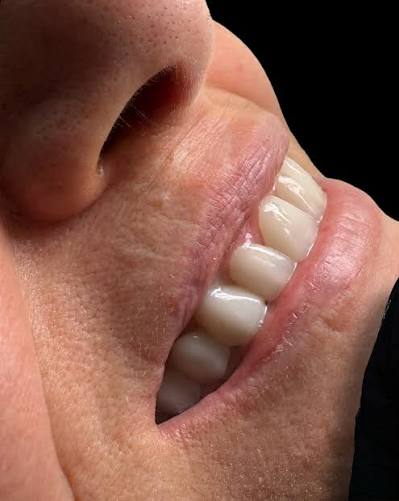
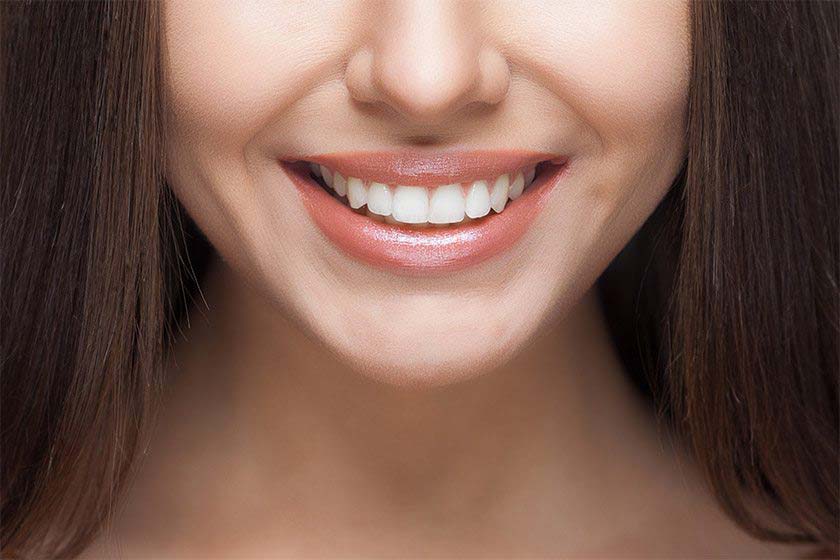
At the forefront of restorative treatments in the jaw and chin area, the goal is not only to repair biological chewing functions but also to achieve outcomes that are perceived as natural from the outside, displaying a high visual harmony with the individual’s own original tissues. The design of a natural smile, which holds a special place in the discipline of Aesthetic Dentistry, represents a comprehensive medical analysis process that combines the structural form of teeth, light refraction indices, the mathematical relationship with facial contours, and lip mechanics. “Artificial” or “prosthetic” impressions given by excessively flat, monochrome (single-colored) tooth arrangements have been replaced in modern clinical approaches with plans that blend asymmetric details and biomimetic (nature-replicating) features.
The fundamental formula for achieving a natural appearance is not to seek perfection but to reproduce the physiological imperfections found in nature (such as differences in the micro-surface porosity of enamel or transparency). Each individual has unique distances between their pupils, widths of their nostrils, undertones of their skin color, and lip posture during speech. Identifying these variables and transferring them to restoration materials using digital or manual methods constitutes the core of the clinical process. This article explores the biometric parameters on which a natural-looking smile is based, how translucency is achieved, the impact of gum alignments on the process, and how these stages are organized according to European clinical standards, supported by objective and scientific data.
What Are the Fundamental Medical Criteria for a Natural Smile Design?
Natural tooth enamel does not have a uniform and flat structure. When examined under light, fine vertical lines (development grooves) and microscopic undulations known as perikimata can be found on the enamel, remnants from its developmental stage. This surface texture determines how the light reflects from a single point on the tooth (mirror effect) and scatters the light, adding vitality to the tooth. If porcelain or zirconium crowns prepared in the laboratory are fired evenly and smoothly, the light will reflect directly, making the tooth appear ‘glass-like’ or ‘artificial’. Therefore, dentists require technicians to apply these micro-tissues (macro and micro texture) onto the material.
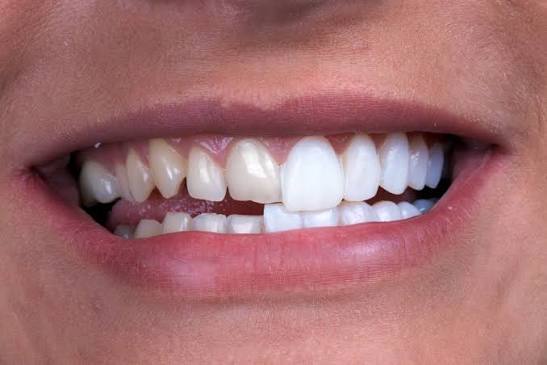
Another medical criterion is color transitions. A natural tooth, at the neck area (at the gum line), has a yellowish or a more saturated color, while in the middle section, it reflects the real tooth color and reaches a translucency with gray/blue tones due to the thinning of the enamel layer towards the incisal tip. Painting the tooth in a single color (monoblock) creates a sense of artificiality. To ensure naturalness, porcelain powders are layered (stratification technique) to create these polychromatic (multi-colored) and translucent transitions in a manner consistent with reality.
How is the Biometric Harmony Between the Facial Contours and Tooth Shape Achieved?
In human anatomy, the general outlines of teeth are often a reversed miniature of the individual’s facial oval. When teeth designed to have very rounded and oval shapes are made for individuals with angular and pronounced features (square or rectangular faces), a visual disconnection occurs. Therefore, the overall skeletal structure of the face is the primary guide in the selection of tooth form. For patients with sharp facial lines, the incisal edges of the teeth are planned to be flatter and angled to support anatomical harmony.
Conversely, for individuals with oval or round-featured faces, the corners of porcelain laminates or crowns are softened (by providing a radius) to make the transitions more delicate. However, the vertical length of the face is also important. In individuals with a long face, planning the lengths of teeth to be excessively long causes the face to appear even more elongated; in such cases, the horizontal (mesiodistal) widths of the teeth are emphasized to balance the vertical perception of the face. This mathematical alignment between the facial lines and tooth structure ensures that the design is personalized (characterized).
| Facial Skeletal Form | Recommended Prosthetic Tooth Form | Medical Design Purpose |
|---|---|---|
| Square / Angular Face | Teeth shapes with sharp angles, flat incisal edges, and wide forms. | Maintaining anatomical integrity by balancing the lines created by strong jaw muscles (masseter). |
| Oval Face | Corners rounded, transitions soft, oval tooth forms. | Creating a soft and symmetrical optical perception by following the natural curvature of the face. |
| Long (Rectangular) Face | Forms that emphasize horizontal width with limited vertical dimension. | Balancing the excessive length appearance of the face with an optical illusion to give a sense of horizontal width. |
Which Optical Illusions Support Naturalness in Color Selection?
The notion that tooth color consists solely of a “whiteness” level is one of the serious clinical errors made in aesthetic restorations. Aesthetic Dentistry is dependent on the interaction of light with the material. Natural enamel shows a bluish/white sheen in dark environments or under UV light (like disco lights); this is called fluorescence. If particles that provide this optical effect aren’t added to the porcelain material, the teeth can appear lifeless or dark under artificial lighting.
Similarly, “opalescence” refers to the situation where a tooth changes color depending on the angle at which light hits it. When light hits the tooth from the front, it appears more opaque and white, while the cutting edges reflect yellow/orange warm tones when light hits from behind. Modern porcelain or glass ceramics (such as lithium disilicate) contain microscopic crystal structures that possess these optical illusions. Once a color suiting the patient’s skin undertone, the sclera white of the eyes, and age group is selected, materials enriched with these optical properties elevate naturalness to a higher level.
How Do Gum Levels (Pink Aesthetics) Contribute to the Naturalness of Design?
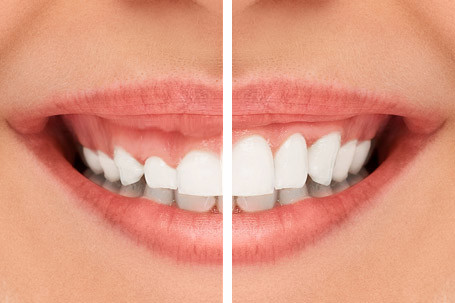
The aesthetic capacity of white teeth is directly related to the healthy form of the pink tissue surrounding them. In cases where the gum levels are asymmetric, making one tooth appear longer than the other, even the highest quality ceramic material would result in an artificial look. The highest points where the gums envelop the teeth are referred to as the “Zenith point.” In a natural smile, when the zenith points of the two central incisors and canine teeth are on the same horizontal plane, the zenith point of the lateral incisor is positioned approximately 1 millimeter below this plane.
This slightly wavy and asymmetric arrangement (smile curve) is a part of nature’s own harmony. Aligning the gums flat like a ruler increases the feeling of artificiality. If there are issues with the patient’s gum levels, before proceeding to porcelain restorations, the gums can be realigned in accordance with this natural waviness using laser or cautery devices (gingivoplasty). Preserving the gum papillae to avoid gaps between teeth (closing the black triangles) is also one of the main pillars supporting the naturalness of pink aesthetics.
How Do Digital Technologies Define the Biological Boundaries of Design?
The success of planning in medical procedures progresses in parallel with the accuracy of the acquired diagnostic data. In traditional methods, the dimensioning processes that rely on the physician’s vision and manual skills are currently supported by the mathematical precision offered by CAD (Computer-Aided Design) software. Dynamic videos or photographs taken while the patient is in a resting position, fully smiling, and speaking are calibrated on the same computer screen with three-dimensional dental measurements.
The software analyzes the patient’s lip limits and jaw closure relationship (occlusion). For instance, excessively extending the anterior teeth for aesthetic purposes can lead to interference with the lower lip and difficulty in comfortably closing the jaw. The digital system simulates jaw movements and reports to the physician before the procedure whether the design remains within the limits (envelope of function) that won’t disrupt the functional mechanics of aesthetic expectations. This way, both the visual appeal of the design and the biological load on the temporomandibular joint (TMJ) and the muscle system are ensured.
Why is the Mock-Up (Trial Fit) Procedure Important for Ensuring a Natural Appearance?
The biggest concern for patients in aesthetic dental procedures is not knowing what kind of structure they will encounter in their mouth at the end of the treatment. The mock-up application is a guiding step that eliminates this uncertainty and actively involves the patient in the treatment process. Ideally designed tooth forms in a computer environment are transformed into a mold (silicone key) through three-dimensional printers in the laboratory.
During the clinical appointment, a temporary material (such as bis-acryl) in the color of the teeth is injected into this mold and placed over the patient’s existing teeth. When the material hardens within a few minutes, the mold is removed, and the patient examines the aesthetic appearance of the new tooth design with their own eyes. This stage is completely reversible; no enamel restructuring has been performed on the teeth. The patient tests their phonetic situation by speaking (for example, evaluating the contact of the teeth with the lips while pronouncing the sounds “S” and “V”). The accuracy of the smile line and its harmony with the face are determined through this physical trial, and revision requests are noted before moving on to the final production.
How Do Gender and Age Factors Affect Dental Design?
Dental morphology reflects the age and gender identity of a person with quite characteristic features. In female anatomy, the two front teeth (centrals) are generally somewhat longer and more pronounced compared to the adjacent teeth (laterals); the corners of the teeth (incisal embrasures) have wider and rounder contours. This shape adds a feminine and naive expression to the face. In males, the heights of the central and lateral teeth are closer to each other, the dental contours are more square or rectangular in shape, and the corners are more sharply angled. This structure supports a masculine (strong) jaw perception.
When examining the age factor, natural physiological changes come into play. In young individuals, there are small waves (mamelons) at the incisal edges of the teeth, and the two front teeth are quite long. As the years go by, depending on chewing activities, the incisal edges of the teeth flatten, wear down, and their lengths shorten. When trying to give an individual in the middle and older age group a younger and dynamic smile, in the Aesthetic Dentistry plans, the length of the front incisors is extended by one or two millimeters, and the slight translucency and micro-wave youthful tissue at the incisal edges is restored.
| Biological Factor | Design Characteristic | Created Aesthetic Perception |
|---|---|---|
| Feminine (Female) Structure | Round corners, open embrasures (triangles between the teeth), long front incisors. | A soft, naive, and dynamic facial expression. |
| Masculine (Male) Structure | Sharp corners, straight incisal lines, close tooth heights. | A powerful, determined profile with distinct lines. |
| Youth Perception (Anti-Aging) | Incisal edges of anterior teeth with slightly asymmetrical natural alignment and long central incisors. | Recovery and youthful energy in one of the offerings. |
How Does Lip Aesthetics Complement Phonetic Analyses?
For a design to appear natural, it is clinically necessary that there be no clash with the lip tissue either at rest or during facial expressions. The concept known as smile arc is the condition where the imaginary line passing through the incisal edges of the upper anterior teeth is completely parallel to the U-shaped curve that the lower lip takes when smiling. If the tips of the teeth are aligned in a straight line, it provides an aged or artificial (dentures) appearance; while teeth that gently follow the curve of the lower lip create a natural and sincere aesthetic perception.
The functional dimension of design shapes itself through phonetic analyses (sound production). Teeth serve as a support point (boundary) for the tongue and lips. For example, to produce the “S” sound, there needs to be a narrow air channel of approximately 1-1.5 millimeters between the upper and lower anterior teeth. If the porcelain teeth made are designed to be too long or too thick, the teeth may collide or the patient may start to speak “slushy”. The doctor ensures that the thickness and length of the teeth fall within medical boundaries that will not disrupt the mechanics of speech by having the patient repeat specific letters and words during trial fittings.
How Does the Light Transmittance of Ceramic Materials Used Affect Their Naturalness?
What Standards Does the Natural Design Process Progress With in Avrupadent Clinics?
In a corporate medical procedure, meeting aesthetic expectations is only possible if biological foundations are solid. Avrupadent’s process management begins not only by addressing the visual demands of the patient but also by analyzing the overall health map of the tissues inside the mouth. In cases with active gum inflammation or temporomandibular joint (TMJ) discomfort, medical stabilization is ensured before moving on to restorative phases to control these pathologies.
In the planning phase, digital workflows (CAD/CAM systems) are actively used to minimize margins of error. Optical measurements taken with intraoral scanners are combined with the patient’s facial photographs, allowing the physician to base the design process on mathematical data. In the laboratory processes of the ceramics to be applied, materials with internationally recognized standards are used to test tissue compatibility and light permeability; the aim is to support biological compatibility, functional resistance, and natural aesthetics in the long term.
Frequently Asked Questions (FAQ)
1. How long does the natural smile design process take?
Depending on the scope of the planning (gum alignment, tooth measurements, etc.), the initial design, mock-up, and laboratory porcelain production phases are generally completed over a clinical schedule of 1 to 2 weeks.
2. Will my teeth be significantly reduced during the design process?
In accordance with preventive dentistry principles, the reduction of teeth is kept to a minimal level (between 0.3 – 1 mm) depending on the material to be used; in some suitable cases, laminate applications can be performed without touching the tooth (prepless).
3. Do porcelain colors change over time?
The zirconium or glass ceramics (porcelain) used are fired at high temperatures and fused together, making their surfaces non-porous; therefore, internal yellowing due to substances like tea, coffee, or tobacco does not occur in their natural color.
4. Is the pink aesthetic procedure a painful process?
The procedure is performed under local anesthesia applied to the relevant area as per medical standards, thus numbing the area; the use of laser devices reduces tissue trauma, making recovery comfortable post-procedure.
5. Will the finished teeth look large on my face?
Since the widths and lengths of the teeth are precisely calculated in virtual design programs according to the golden ratios of your face (pupillary line, midline), no form that would appear unusually large or foreign to your face will emerge.
6. Can those undergoing orthodontic treatment get smile design?
While active wire treatment is ongoing, permanent porcelain application cannot be done as the teeth are still moving; aesthetic restorations can be safely planned after the wire treatment is completed and the teeth are stabilized in their new physiological position.
7. Will my speech be affected after the design?
During the mock-up stage, the pronunciation of letters (“F”, “S”, “V” sounds) is tested and adjusted for the thickness and length of the tooth, ensuring no clinical disruption of your speech functions at the end of the treatment.
8. Is the same type of tooth made for everyone?
No, each individual’s lip structure, jaw contour, age, and gender characteristics are different. The design is produced not from a uniform template, but personalized with distinctive details based on the individual’s biometric data.
9. Are porcelain laminates fragile?
Although they are as delicate as thin glass in a laboratory environment, once integrated organically with special medical resin cements into the dental enamel, they possess mechanical fracture resistance as high as natural dental enamel.
10. Can night grinders use this design?
Due to the excessive mechanical stress that bruxism (teeth grinding) habits would impose on porcelain, primarily zirconium materials that are resistant to pressure are selected for these patients, and after treatment, protective night splints are planned for use during sleep.
11. Is digital measurement different from traditional measurement?
While classical impression materials can cause nausea in the mouth, digital measurements taken inside the mouth with optical cameras are quite comfortable and transmit a perfectly accurate three-dimensional representation of the jaw structure to the laboratory without any compression/stretching allowances.
12. Can designs be made for those with gum recession?
In areas with gum recession, first, the periodontal (inflammatory, etc.) processes causing this recession are treated, or if necessary, tissue grafting is performed to restore a healthy base; then the restoration phase is initiated.
13. Is there damage to the tooth during trials?
A mock-up (trial fitting) is a reversible step that involves placing a temporary acrylic material on the tooth surface without causing any damage to the tooth enamel, allowing the result to be shown in a mirror.
14. Is the smile design a permanent procedure?
The ceramic or zirconium structures used are non-corrosive and do not wear down. However, as long as attention is paid to the health (hygiene) of the underlying tooth and gums, these restorations will maintain their form in the mouth for many years.
15. Is the care routine different from natural teeth?
The general care routine does not change; brushing with fluoridated toothpaste in the morning and evening is standard. Additionally, the use of dental floss and interproximal brushes is medically recommended to prevent plaque accumulation in the areas where the porcelain meets the gums.