Which Aesthetic Treatments Can Be Preferred for Naturally Appearing Teeth?
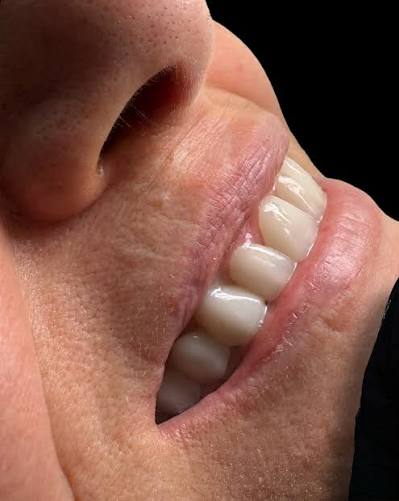
Among the most common requests individuals make in the field of oral and dental health is that the prosthetic or conservative restorations prepared do not create an artificial image when viewed from the outside, but rather replicate the multi-layered structure of natural tooth enamel. With advancements in material technologies in the science of dentistry, transparent ceramic components that can break light, reflect it, and simulate the depth of the underlying dentin tissue have replaced matte and opaque metal-supported systems. Emerging Aesthetic Dentistry disciplines adopt the planning of optical forms suitable to the patient’s facial proportions, lip line, and gum architecture as a fundamental medical goal.
In order to achieve a natural appearance of teeth, not only the color tone of the material (hue, chroma, value) but also the surface texture, slight translucencies on incisive edges (opalescence), and light absorption rates must be meticulously processed in the laboratory stage. Observations from the assessments carried out in the clinical protocols of Avrupadent indicate that the structure of each individual’s tooth enamel has unique characteristics.
What Materials and Techniques Are Most Important for Achieving Naturally Appearing Teeth?
The key to achieving a natural appearance in prosthetic dentistry is the interaction and fracture pattern of the material used. Healthy dental enamel does not directly reflect the light hitting it; instead, light penetrates through the enamel to reach the underlying dentin layer and reflects out from there. This optical depth sensation cannot be mimicked with opaque materials. Therefore, glass ceramic structures like lithium disilicate or zirconium materials with enhanced light permeability are preferred.
From a technical perspective, the layering (stratification) method applied by the laboratory technician or dentist is of great importance. Gradually processing different color tones and translucency powders from the tooth’s collar (neck) to the cutting edge ensures the artificial object is transformed back into reality. This artistic approach allows for the microscopic reproduction of the natural tooth form.
How Do Porcelain Veneer Applications Support Natural Appearance?
Leaf porcelains are one of the most concrete examples of a tissue-conserving approach in dentistry. These thin glass ceramics, prepared by making only a millimeter-thin preparation from the front surface without the need to cut the entire tooth, bond chemically with adhesive cements. This chemical integration ensures that the porcelain behaves as a single piece with the tooth.
The fine structure of the laminates prevents the material from appearing dull by allowing a slight reflection of the underlying tooth color. The natural imperfections and subtle translucent lines in the cutting edges make it indistinguishable from porcelain when viewed from the outside, as they can be processed on the laminates in the laboratory. It is among the commonly applied methods for aesthetics in the anterior region in the innovative practices of Aesthetic Dentistry in the industry.
| Application Method | Material Content | Contribution to Natural Appearance |
|---|---|---|
| Porcelain Laminate | Feldspathic or lithium disilicate glass ceramic | Exactly mimics the enamel tissue with high light transmittance. |
| Zirconia Crown | Crystallized zirconium dioxide and porcelain upper structure | Reflects the natural tooth tone with a balance of opacity and translucency. |
| Composite Bonding | Nano-hybrid resin composite polymers | Layered at the tooth base to ensure natural form and color harmony. |
To What Extent Do Zirconia Veneers Mimic Natural Tooth Structure?
In past years, zirconia substructures had a quite opaque and white character; this situation sometimes caused the teeth to appear dull. However, advancements in material science have increased the light transmittance coefficient of zirconia, achieving an optical level close to glass ceramics.
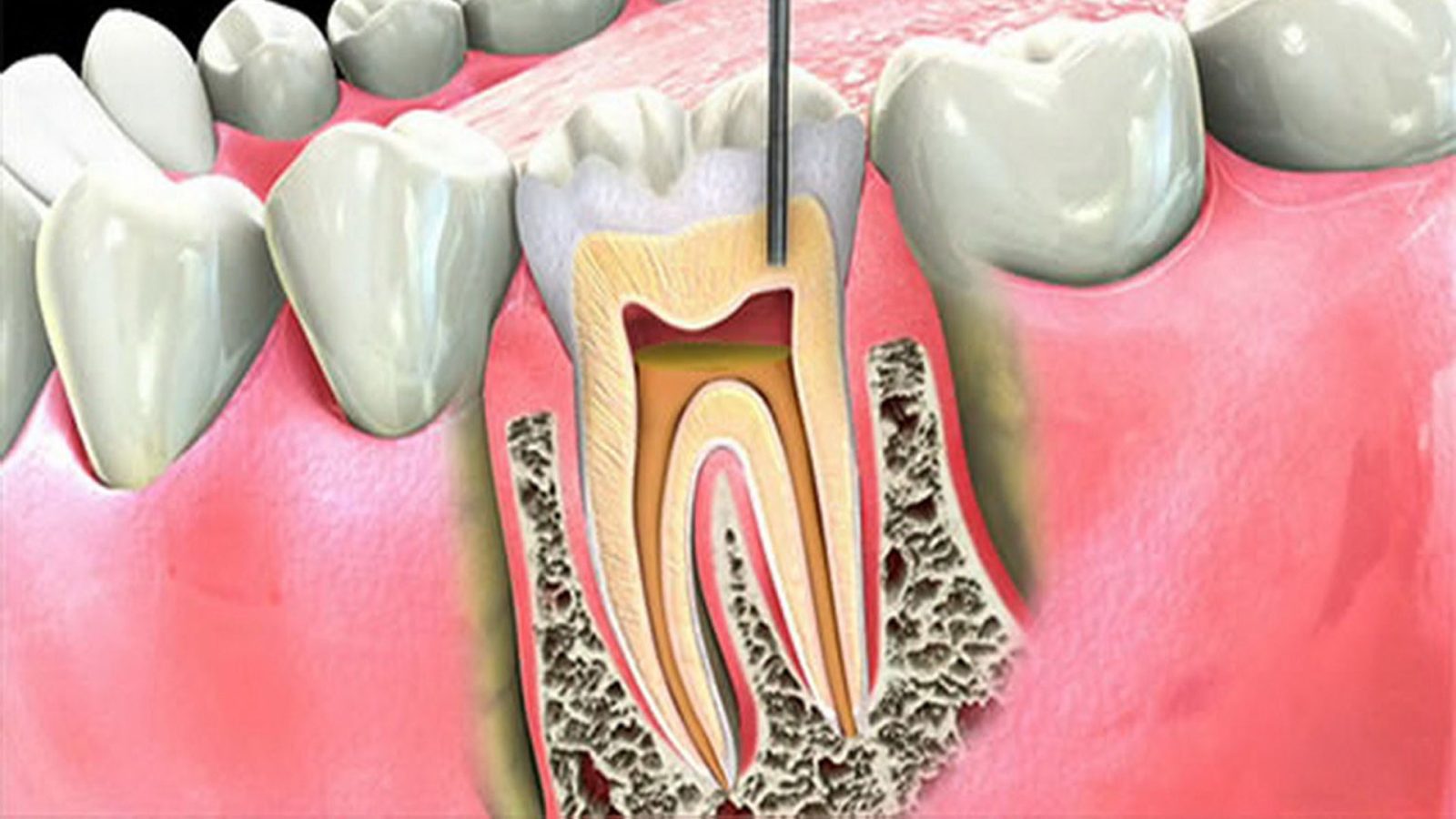
Zirconium crowns provide a significant advantage in masking teeth that have darkened in color due to root canal treatment, as they completely surround the teeth. While the underlying dark color is not reflected, the special ceramic layers processed on top convey the natural color and shine of the tooth. This balance lays the groundwork for the convergence of both durability and aesthetic appeal in the same structure.
How is Composite Bonding Positioned in Natural Tooth Aesthetics?
Composite bonding applications offer a quick and protective option for repairing small fractures, closing gaps between teeth, or correcting minor shape irregularities. The dentist selects the nano-hybrid composite shades that match the tooth color and manually shapes the filling material.
Developmental grooves, slight indentations, and color transitions on the natural tooth surface can be manually etched into these composite layers. At the end of the process, detailed polishing procedures achieve the smoothness and shine of the tooth enamel. This method is a practical alternative for individuals seeking to achieve a natural appearance while preserving tooth tissue.
What Contributions Do E-Max Glass Ceramics Provide to Natural Appearance?
Among all-ceramic systems, E-Max is a popular choice in the anterior region where aesthetic expectations are high, not allowing a metal or opaque substructure. Its monoblock structure ensures the material’s strength within does not break under applied force, reflecting light filtered from the dentin layer.
This optical behavior contributes to the perception of the tooth as the individual’s own original tooth, rather than as a prosthesis created in a laboratory. The natural translucency achieved at the incisal edges is a key structural feature that increases the aesthetic success rate of E-Max restorations.
How Does Gingival Aesthetics (Pink Aesthetics) Complete Natural Appearance?
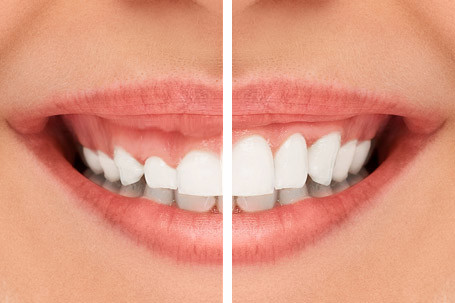
Even beautifully designed porcelain teeth lose their natural appearance when placed over asymmetrical, swollen, or inflamed gum tissue. The alignment of gum levels with facial contours and lip curves is essential for aesthetic harmony.
Unevenness in the gum contours is corrected with the help of laser technologies, allowing the zenith points to achieve ideal proportions. The healthy pink tissue frame enhances the aesthetic value of the white teeth, supporting a natural look.
| Aesthetic Element | Effect on Natural Appearance | Application Method |
|---|---|---|
| White Aesthetic (Teeth) | Ensures form, color, translucency, and facial proportion. | Lamina, zirconium, E-Max, and bonding. |
| Pink Aesthetic (Gums) | Regulates the emergence profile and symmetry of the teeth. | Gum shaping with laser (gingivoplasty). |
How is Color Selection and Light Transmittance Ensured in Natural Aesthetic Dental Design?
The color selection phase for a natural appearance requires great precision. Instead of a uniform flat white color, the gradient tones opening from the neck of the tooth to its tip and intermediate colors are identified.
Spectrophotometric devices and daylight lamps help capture the most accurate tone by preventing artificial light distortions. Once this data is transmitted to the laboratory, the technician performs necessary coloring and characterization processes on porcelain to achieve a natural appearance.
How Does the Natural Tooth Design Process Progress at Avrupadent Clinics?
In this process, which is carried out according to corporate service standards, the patient’s expectations and anatomical realities are harmonized to create a personalized plan. Digital workflows minimize the margin of error.
During the treatment period, tissue health is monitored, and necessary aesthetic adjustments are made in trial phases. This systematic flow supports individuals in achieving aesthetic results that do not compromise on naturalness.
What are the Frequently Asked Questions?
1. Do aesthetic dental applications look artificial when viewed from the outside?
When glass ceramics with the ability to transmit light are selected, layering techniques are applied, and color choices are made in harmony with surface textures, they do not look artificial; they appear completely natural.
2. Can porcelain laminates mimic natural tooth enamel?
Yes, they successfully replicate the light diffraction and reflection properties of natural tooth enamel because they are produced in a very thin sheet form and offer high translucency.
3. Can zirconium coatings be designed to look natural?
Thanks to the developed translucent zirconium blocks and the expertly crafted porcelain layers applied on them, they can be designed to provide extremely natural results in the anterior region.
4. Can I achieve a natural appearance without any cutting on my teeth?
Composite bonding or prepless laminate methods can be preferred for slight imperfections, gaps, or shape irregularities without touching the tooth enamel.
5. How do E-Max crowns look under light?
Due to the monolithic glass ceramic structure, it reflects the depth of the dentin layer and the natural translucency without being artificial in sunlight or in flash photography.
6. What should the tooth color be based on to ensure a natural appearance?
The patient’s skin tone, the whiteness of the sclera, lip structure, and chronological age should all be taken into account to select the most natural tone that harmonizes with the face.
7. Does composite bonding shine like a natural tooth?
Thanks to the precise polishing processes conducted after application, the composite surface is brought to the smoothness and shine of natural tooth enamel.
8. How much does gum aesthetics affect natural appearance?
Even if the porcelain looks beautiful, if the levels of the gum are not corrected, the naturalness will be overshadowed; therefore, gum aesthetics is a rule that complements the natural appearance.
9. Does zirconium cause dark lines at the gum line?
Since it does not contain a metal bar inside and does not corrode, it does not lead to metallic discoloration or dark lines at the gum line.
10. How long do aesthetic dental treatments for a natural appearance take?
Depending on the chosen method, while composite bonding is completed in one session, porcelain laminates or zirconium crowns take 5-10 days due to laboratory processes.
11. Is a crown applied to a single front tooth distinguishable from a natural tooth?
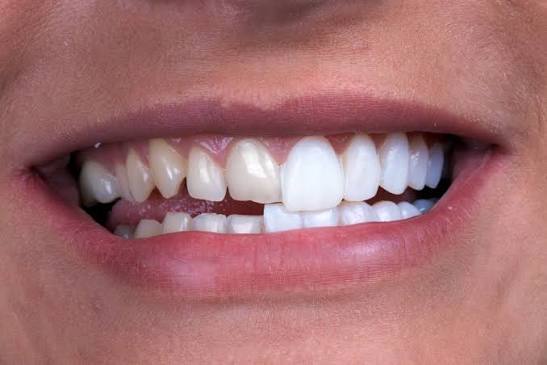
When the color tone, degree of transparency, and micro-cracks of the neighboring natural tooth are matched using specific coloring techniques on porcelain, it becomes nearly impossible to distinguish it from outside.
12. Can the outcome of the natural tooth design process be predicted in advance?
Thanks to digital smile design simulations and provisional materials (mock-up), the result can be experienced in advance in the mouth.
13. How is the natural shape restored in worn teeth?
The volume of worn dentin and enamel is reconstructed according to its natural form using biocompatible ceramic occlusal veneers or crowns through vertical dimension analysis.
14. Do aesthetically pleasing dental restorations stain?
Glazed ceramic porcelains and zirconium surfaces do not stain due to their non-porous nature and retain their original tone despite influences such as tea and coffee.
15. How is precision achieved according to Avrupadent standards?
Precision is achieved through the combined use of personalized optical analyses, high-quality glass-ceramic materials, and digital laboratory integration.