What Should You Pay Attention to After Implant Treatment in İzmir?
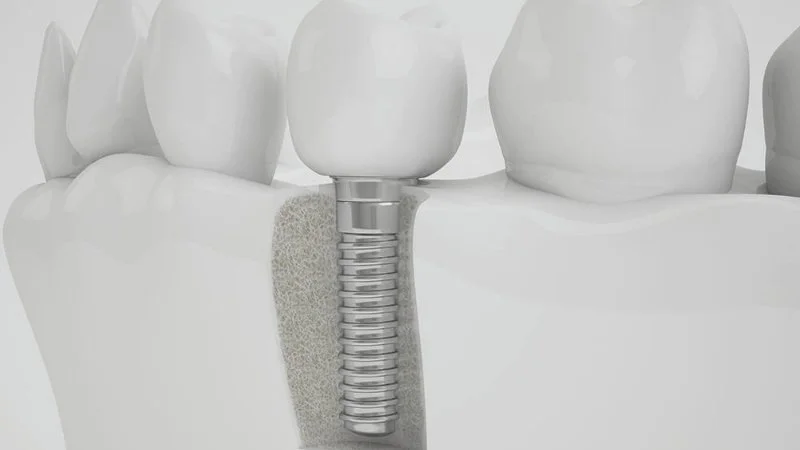
Titanium root applications placed in the jawbone to compensate for tooth deficiencies are not merely a mechanical action ending with the completion of the clinical operation; rather, they initiate a biological repair journey that begins from the moment the surgery is completed. The incorporation of the inorganic material positioned within the jawbone (osteointegration) is dependent not only on the surgical precision exhibited by the doctor during the operation but also on the post-operative medical discipline that the patient will continue in a home environment. In this critical phase, where a surgical incision is present, and microvascular networks within the bone are being restructured, any trauma from external sources or neglected hygiene steps pose a potential risk to disrupt the cellular healing cycle.
What Medical Reactions Should Be Monitored in the First 24 Hours After Implant Treatment?
The first biological action of the organism after a surgical intervention is to initiate the process of “hemostasis” (controlling bleeding). A cut made in the jawbone and gum mucosa causes the capillaries in that area to open. The body sends cells called platelets to the region to form a microscopic fibrin net (blood clot). This clot not only limits the bleeding but also serves as a structural scaffold for bone-forming cells (osteoblasts) and wound-repairing cells (fibroblasts) to settle and proliferate.
If the patient forcefully spits out the bloody saliva that has accumulated in their mouth or vigorously rinses their mouth with water within the first twenty-four hours, this still very fresh and unadhesive clot can come loose. When the clot detaches, oozing bleeding starts again, and the wound area becomes defenseless against the bacterial agents in the oral flora. Therefore, gradually swallowing the saliva that accumulates in the mouth or absorbing it with a tissue on the first day is the most rational clinical approach to preserve the biological covering of the wound.
How is Edema (Swelling) and Tissue Sensitivity Managed Medically in the Operative Area?Due to surgical trauma, the edema (swelling) and cellular inflammatory reaction that develop in the tissues are limited by applying cold compresses to the external surface of the affected area at ten-minute intervals during the first forty-eight hours following the operation. Tissue sensitivity is managed at physiological tolerance levels by using the anti-inflammatory and analgesic agents prescribed by the physician in accordance with medical time intervals.
Every surgical intervention performed in the body initiates a cycle of “inflammation” (swelling) that triggers the transport of repair cells from the vascular system to that area. The blood vessels in the jaw area where the procedure is performed expand (vasodilation) and fluid seeps into the interstitial space. This fluid accumulation can lead to swelling (edema) that may peak on the second or third day after the procedure. This situation is not a complication but rather a natural defense and repair reflex of the body.To limit this reflex from becoming discomforting for the patient, thermal (heat) management is implemented. Applying cold compresses from the outside constricts the dilated blood vessels (vasoconstriction), slows down the blood flow to that area, and reduces the amount of fluid leaking into the tissue. It is essential to apply ice over a thin towel or cloth to prevent direct contact with the skin to avoid tissue burns. It is recommended to stop cold application after the first two days; as from the third day onward, the blood vessels should be allowed to expand again to transport healing cells to the area.
How Should Diet Be Planned After Surgery in the Context of Nutrition Culture in İzmir Localization?
During the first two-week tissue repair phase following surgical operation, acidic citrus fruits, hard-shelled nuts, and hard-formed foods such as crispy or boyoz that are commonly consumed in İzmir and the Aegean region should be avoided. Instead, to prevent mechanical trauma and thermal reactions in the wound area, it is essential to follow a soft-textured, pureed diet at room temperature (warm) that does not require chewing pressure (yogurt, warm soup, soft vegetable purees).The physical form and temperature of the foods taken into the oral cavity, newly placed stitches (sutures), and titanium material inserted into the jawbone have a direct physiological effect. Hot foods or drinks (hot tea, coffee, boiling soups) can reverse the coagulation process, re-expand the previously constricted capillaries, and reactivate stagnant bleeding.
Post-Operative Nutrition and Diet Protocol Food Form and Feature Clinical Reaction and Medical Effect Consumption Decision Very Hot / Boiling Drinks They facilitate vasodilation (dilation of blood vessels) which can dissolve the clot at the wound site and trigger leakage bleeding. Should be completely avoided for the first 48 hours. Hard and Granular Foods (Nuts, etc.) Can puncture the suture lines, tearing the gum tissue, creating a focus of local infection by pressing between the wound edges. Should be restricted until the soft tissue heals (approximately 10-14 days). Acidic Products (Lemon, Orange, etc.) Can cause chemical irritation (inflammation) on the open wound surface, increasing tissue sensitivity and the sensation of burning. Should be restricted until epithelialization (wound closure) is completed. Soft Purées at Room Temperature Provides the cellular energy that the body needs without straining the chewing muscles and bony tissue. Should be preferred as the primary nutritional alternative in the first week.
How Should Medication Be Administered According to European Medical Protocols?
According to the post-operative guidelines under the Avrupadent group providing service with corporate norms in İzmir; the prophylactic (preventive) antibiotics prescribed by the doctor should be used until the box is finished, adhering to the time intervals. This is a medical necessity to prevent bacterial agents in the oral flora from seeping into the wound tissue. Analgesics, on the other hand, should only be taken according to the protocol specified by the doctor, without exceeding toxic dose limits, when tissue sensitivity is experienced, in order to maintain the organism’s inflammatory balance.The oral cavity is the biological opening of the body to the external environment and contains the densest population of microorganisms. After a surgical intervention on the jawbone, preventing the bacteria in the environment from reaching the titanium material and bone tissue (prophylaxis) is a cornerstone of surgical success. Doctors prescribe antibiotics with specific spectra to limit this bacterial load.
The most common misconception in antibiotic use among patients is stopping the medicine halfway under the notion of “I have healed” when tissue sensitivity or swelling decreases (for example, on the third day). Early termination of the medication paves the way for resistant bacteria in the wound area to survive and return days later with a much more aggressive local infection. Pain relievers (analgesics) and anti-inflammatory drugs help to modulate nerve signals to the brain, increasing the medical tolerance of the patient and aiding in reducing swelling in the body. Using medications in such a way that they reach a stable dose in the blood at the time intervals indicated by the doctor (for example, every 12 or 8 hours) ensures that the biological treatment chain is not broken.
How Should Oral Hygiene (Brushing and Rinsing) Be Maintained After Surgical Operations?
On the first day after the operation, it is essential to isolate the wound area from mechanical brush contact; other parts of the mouth that have not undergone surgery should continue to be brushed as usual. From the second day onward, the chlorhexidine-based antiseptic mouthwashes recommended by the physician should be used without applying pressure (passive rinsing) to chemically limit plaque accumulation over the suture lines, thus supporting wound healing at the cellular level.In the area where the titanium material is placed, the gum is carefully stitched (sutured) to bring the wound edges closer together. These suture lines are quite fragile in the first week of healing. If the patient applies pressure to this area with a standard toothbrush, the suture threads may break, or the gum mucosa may tear, exposing the underlying bone surface. Therefore, the operation area is left to chemical (mouthwash) cleaning rather than mechanical cleaning.
However, neglecting to brush the other parts of the mouth is a medical error. Plaque accumulation on the teeth that have not undergone surgery increases the overall bacterial population in the mouth, imposing a substantial microbial load on the wound site. While brushing, contact of the foam with the wound area does not create a physiological problem; the important thing is to avoid vigorously rinsing the mouth at the end of brushing to remove the foam or forcefully spitting into the sink. Liquids should be gently swirled in the mouth and slowly let out.
How Do Smoking and Alcohol Consumption Affect the Osteointegration (Bone Healing) Process?
Nicotine and carbon monoxide found in tobacco smoke constrict the capillaries in the mucosa (vasoconstriction), limiting the oxygen and repair cells that can reach the wound area; alcohol increases the risk of leakage by disrupting the blood clotting physiology. The consumption of these chemical agents is a medical necessity to limit complications during the healing period, as they significantly slow down the titanium-bone integration (osteointegration) process and increase the likelihood of tissue infection.An inorganic material placed in the jawbone needs an intense blood flow (vascularization) to be surrounded by living cells in that area. Blood is the only medium that carries bone-forming osteoblasts and collagen-synthesizing fibroblasts to the wound site. When cigarette smoke is inhaled, carbon monoxide replaces oxygen in the blood, causing cells to be deprived of oxygen and leading to cellular disruption.
Additionally, due to the vasoconstrictive effect of nicotine, sufficient blood cannot reach the wound site. It is not expected for titanium material to integrate with a malnourished bone tissue. The use of tobacco is the most aggressive external factor that hinders surgical success and opens the door to bone resorption inflammation known as “peri-implantitis.” Similarly, the metabolism of prophylactic antibiotics and painkillers used after surgery may interact with alcohol in the liver and cause toxic reactions. Doctors insist on avoiding these substances for at least a few weeks during the postoperative period to ensure the integrity of the biological source.
What Should Physical Activities and Exercise Levels Be During the Recovery Process?
In the first three to five days following the surgical procedure, one should avoid strenuous cardiovascular exercises that rapidly increase blood pressure (tension), weightlifting, or physical activities that require bending over from the waist. Such strenuous movements can elevate the hydrostatic pressure in the chin and facial area, potentially causing the capillary (micro) vessels at the wound site to burst and reactivating any stopped bleeding.Sports activities that increase heart rate and body temperature directly raise the pressure (tension) exerted by the blood on the vessel walls. Within the socket created in the jawbone and in the mucosa of the cut gum, there are thousands of delicate vessels closed by microscopic clots. When the heart pumps vigorously into these vessels, the still very fresh clots can dislodge, and the patient may suddenly begin to notice an unusual oozing in their mouth.
Medical Recommendations for Physical Activity:- First 72 Hours (Acute Phase): Complete rest is recommended. Only slow-paced short walks may be tolerated. Weight training and running should be completely restricted.
- Starting Position: Bending down to tie shoes or lift a heavy object can quickly elevate blood pressure in the facial area. Movements should be performed with an upright posture.
- End of Week 1: When tissue epithelialization (closure) reaches a certain maturity, one may gradually return to moderate-intensity routine exercises with clinical approval from the physician.
How Should Temporary Prosthesis Use Be During the Titanium Material’s Bone Fusion (Consolidation) Period?
Especially in anterior area surgeries, aesthetic temporary removable or fixed prostheses are adjusted by the physician to have minimal contact with surrounding tissues (passively) to prevent the underlying titanium material from transmitting chewing forces. During the physiological waiting months, it is a critical rule that patients avoid loading the temporary prosthesis due to (mechanical stress) so that the material can bond stably without experiencing micro-movement within the bone.For a bone cell (osteoblast) to adhere to an inorganic titanium surface and produce calcium there, that material must not move even as little as one-tenth of a millimeter within the bone. If the titanium screw is exposed to vibration or shaking during the first months after being placed in the bone, the body will encase that screw with flexible (fibrous) connective tissue instead of hard bone. This condition is called “fibrointegration” and results in the loss of the material’s support.
Temporary teeth given to patients to maintain the aesthetics of the smile are meant only to create a visual illusion (aesthetic camouflage); they are not a functional chewing tool. The patient should avoid putting stress on these temporary teeth when consuming foods that require tearing with front teeth, such as sandwiches or apples. Any vertical or horizontal impact from the opposing arch can disrupt the biological bonding (osteointegration) timeline by shaking the titanium root that has not yet fully integrated with the bone. The chewing process should be performed with teeth not involved in surgery.
How are the sutures removed and the subsequent medical process planned?
Surgical stitches that unite the lip incisions and isolate the wound site from external flora are typically removed by a physician in a clinical setting 7 to 10 days after the procedure, once the epitelization (closure of the wound surface) process is complete. Even if self-dissolving (resorbable) stitches are used, it is essential to ensure participation in a medical examination at the end of the first week to evaluate infection control at the wound site and tissue health.The suture materials used in jaw surgery help to tightly hold the wound lips together, promoting rapid re-establishment of vascularization. The oral mucosa is one of the fastest healing tissues in the body. In most cases, by the end of the seventh day, the two wound edges will be cellularly integrated.
Leaving the suture threads in the mouth for an excessive period (for example, more than two weeks) does not provide a medical advantage; rather, it can create a retaining surface for bacterial plaque and food remnants, potentially leading to localized gingival inflammation. The physician physically examines the tissue vitality in the area when removing the stitches, the stability of bone powders (if applied), and any dehiscence present. This session is not only a stitch removal procedure but also the clinical approval of the first phase of surgical success.
How Does Sleep Position and Rest Affect Tissue Repair After Surgery?
In the first few nights following the operation, positioning the head with two or three pillows higher than heart level helps to physically limit the blood influx (hydrostatic pressure) to the chin and facial area. This postural measure medically assists in controlling facial swelling by reducing intra-tissue fluid accumulation that may build up at the surgical site and limiting the risk of seepage.Gravity significantly affects the distribution of blood circulation among tissues. When a person lies down, the blood pumped from the heart more easily and intensely reaches the head and neck region. If there is a freshly sutured surgical wound in the person’s jawbone, this increased blood pressure (hydrostatic pressure) forces the capillaries in the wound area.
Keeping the head elevated balances this physiological pressure and slows the leakage of fluids into the interstitial space between the skin tissues. Additionally, it is crucial for patients not to apply physical pressure on the area where the surgical procedure was performed by lying face down. The pressure applied to the pillow may lead to tension on the stitches or cause the swelling in that area to distribute asymmetrically. Maintaining regular rest hours is a fundamental biological rule that supports maximum cellular energy allocation for the repair activities of the connective tissue system.
Every surgical intervention performed in the body initiates a cycle of “inflammation” (swelling) that triggers the transport of repair cells from the vascular system to that area. The blood vessels in the jaw area where the procedure is performed expand (vasodilation) and fluid seeps into the interstitial space. This fluid accumulation can lead to swelling (edema) that may peak on the second or third day after the procedure. This situation is not a complication but rather a natural defense and repair reflex of the body.
To limit this reflex from becoming discomforting for the patient, thermal (heat) management is implemented. Applying cold compresses from the outside constricts the dilated blood vessels (vasoconstriction), slows down the blood flow to that area, and reduces the amount of fluid leaking into the tissue. It is essential to apply ice over a thin towel or cloth to prevent direct contact with the skin to avoid tissue burns. It is recommended to stop cold application after the first two days; as from the third day onward, the blood vessels should be allowed to expand again to transport healing cells to the area.
How Should Diet Be Planned After Surgery in the Context of Nutrition Culture in İzmir Localization?
The physical form and temperature of the foods taken into the oral cavity, newly placed stitches (sutures), and titanium material inserted into the jawbone have a direct physiological effect. Hot foods or drinks (hot tea, coffee, boiling soups) can reverse the coagulation process, re-expand the previously constricted capillaries, and reactivate stagnant bleeding.
| Food Form and Feature | Clinical Reaction and Medical Effect | Consumption Decision |
|---|---|---|
| Very Hot / Boiling Drinks | They facilitate vasodilation (dilation of blood vessels) which can dissolve the clot at the wound site and trigger leakage bleeding. | Should be completely avoided for the first 48 hours. |
| Hard and Granular Foods (Nuts, etc.) | Can puncture the suture lines, tearing the gum tissue, creating a focus of local infection by pressing between the wound edges. | Should be restricted until the soft tissue heals (approximately 10-14 days). |
| Acidic Products (Lemon, Orange, etc.) | Can cause chemical irritation (inflammation) on the open wound surface, increasing tissue sensitivity and the sensation of burning. | Should be restricted until epithelialization (wound closure) is completed. |
| Soft Purées at Room Temperature | Provides the cellular energy that the body needs without straining the chewing muscles and bony tissue. | Should be preferred as the primary nutritional alternative in the first week. |
How Should Medication Be Administered According to European Medical Protocols?
The oral cavity is the biological opening of the body to the external environment and contains the densest population of microorganisms. After a surgical intervention on the jawbone, preventing the bacteria in the environment from reaching the titanium material and bone tissue (prophylaxis) is a cornerstone of surgical success. Doctors prescribe antibiotics with specific spectra to limit this bacterial load.
The most common misconception in antibiotic use among patients is stopping the medicine halfway under the notion of “I have healed” when tissue sensitivity or swelling decreases (for example, on the third day). Early termination of the medication paves the way for resistant bacteria in the wound area to survive and return days later with a much more aggressive local infection. Pain relievers (analgesics) and anti-inflammatory drugs help to modulate nerve signals to the brain, increasing the medical tolerance of the patient and aiding in reducing swelling in the body. Using medications in such a way that they reach a stable dose in the blood at the time intervals indicated by the doctor (for example, every 12 or 8 hours) ensures that the biological treatment chain is not broken.
How Should Oral Hygiene (Brushing and Rinsing) Be Maintained After Surgical Operations?
In the area where the titanium material is placed, the gum is carefully stitched (sutured) to bring the wound edges closer together. These suture lines are quite fragile in the first week of healing. If the patient applies pressure to this area with a standard toothbrush, the suture threads may break, or the gum mucosa may tear, exposing the underlying bone surface. Therefore, the operation area is left to chemical (mouthwash) cleaning rather than mechanical cleaning.
However, neglecting to brush the other parts of the mouth is a medical error. Plaque accumulation on the teeth that have not undergone surgery increases the overall bacterial population in the mouth, imposing a substantial microbial load on the wound site. While brushing, contact of the foam with the wound area does not create a physiological problem; the important thing is to avoid vigorously rinsing the mouth at the end of brushing to remove the foam or forcefully spitting into the sink. Liquids should be gently swirled in the mouth and slowly let out.
How Do Smoking and Alcohol Consumption Affect the Osteointegration (Bone Healing) Process?
An inorganic material placed in the jawbone needs an intense blood flow (vascularization) to be surrounded by living cells in that area. Blood is the only medium that carries bone-forming osteoblasts and collagen-synthesizing fibroblasts to the wound site. When cigarette smoke is inhaled, carbon monoxide replaces oxygen in the blood, causing cells to be deprived of oxygen and leading to cellular disruption.
Additionally, due to the vasoconstrictive effect of nicotine, sufficient blood cannot reach the wound site. It is not expected for titanium material to integrate with a malnourished bone tissue. The use of tobacco is the most aggressive external factor that hinders surgical success and opens the door to bone resorption inflammation known as “peri-implantitis.” Similarly, the metabolism of prophylactic antibiotics and painkillers used after surgery may interact with alcohol in the liver and cause toxic reactions. Doctors insist on avoiding these substances for at least a few weeks during the postoperative period to ensure the integrity of the biological source.
What Should Physical Activities and Exercise Levels Be During the Recovery Process?
Sports activities that increase heart rate and body temperature directly raise the pressure (tension) exerted by the blood on the vessel walls. Within the socket created in the jawbone and in the mucosa of the cut gum, there are thousands of delicate vessels closed by microscopic clots. When the heart pumps vigorously into these vessels, the still very fresh clots can dislodge, and the patient may suddenly begin to notice an unusual oozing in their mouth.
- First 72 Hours (Acute Phase): Complete rest is recommended. Only slow-paced short walks may be tolerated. Weight training and running should be completely restricted.
- Starting Position: Bending down to tie shoes or lift a heavy object can quickly elevate blood pressure in the facial area. Movements should be performed with an upright posture.
- End of Week 1: When tissue epithelialization (closure) reaches a certain maturity, one may gradually return to moderate-intensity routine exercises with clinical approval from the physician.
How Should Temporary Prosthesis Use Be During the Titanium Material’s Bone Fusion (Consolidation) Period?
For a bone cell (osteoblast) to adhere to an inorganic titanium surface and produce calcium there, that material must not move even as little as one-tenth of a millimeter within the bone. If the titanium screw is exposed to vibration or shaking during the first months after being placed in the bone, the body will encase that screw with flexible (fibrous) connective tissue instead of hard bone. This condition is called “fibrointegration” and results in the loss of the material’s support.
Temporary teeth given to patients to maintain the aesthetics of the smile are meant only to create a visual illusion (aesthetic camouflage); they are not a functional chewing tool. The patient should avoid putting stress on these temporary teeth when consuming foods that require tearing with front teeth, such as sandwiches or apples. Any vertical or horizontal impact from the opposing arch can disrupt the biological bonding (osteointegration) timeline by shaking the titanium root that has not yet fully integrated with the bone. The chewing process should be performed with teeth not involved in surgery.
How are the sutures removed and the subsequent medical process planned?
The suture materials used in jaw surgery help to tightly hold the wound lips together, promoting rapid re-establishment of vascularization. The oral mucosa is one of the fastest healing tissues in the body. In most cases, by the end of the seventh day, the two wound edges will be cellularly integrated.
Leaving the suture threads in the mouth for an excessive period (for example, more than two weeks) does not provide a medical advantage; rather, it can create a retaining surface for bacterial plaque and food remnants, potentially leading to localized gingival inflammation. The physician physically examines the tissue vitality in the area when removing the stitches, the stability of bone powders (if applied), and any dehiscence present. This session is not only a stitch removal procedure but also the clinical approval of the first phase of surgical success.
How Does Sleep Position and Rest Affect Tissue Repair After Surgery?
Gravity significantly affects the distribution of blood circulation among tissues. When a person lies down, the blood pumped from the heart more easily and intensely reaches the head and neck region. If there is a freshly sutured surgical wound in the person’s jawbone, this increased blood pressure (hydrostatic pressure) forces the capillaries in the wound area.
Keeping the head elevated balances this physiological pressure and slows the leakage of fluids into the interstitial space between the skin tissues. Additionally, it is crucial for patients not to apply physical pressure on the area where the surgical procedure was performed by lying face down. The pressure applied to the pillow may lead to tension on the stitches or cause the swelling in that area to distribute asymmetrically. Maintaining regular rest hours is a fundamental biological rule that supports maximum cellular energy allocation for the repair activities of the connective tissue system.