Why Are Dental Check-Ups Important for Children?
Dental check-ups for children are extremely important for ensuring that oral, dental, and jaw development progresses healthily, identifying and stopping dental issues at the initial stage, and preventing potential skeletal disorders by taking advantage of growth potential. These check-ups form the basis of preventive health strategies that are applied before diseases arise, allowing children to take steps towards a healthy future.
The childhood period, where growth and development occur most intensely and rapidly, is the phase in which changes in the human body should be closely monitored. The widening of jaw bones, the shedding of milk teeth followed by permanent teeth, and the biological needs that arise during this process have dynamics that are completely different from the static structure of adult dentistry. While dramatic changes may not occur in the oral cavity of an adult over a six-month period; the emergence of a new tooth in a child’s mouth, the infection of an existing cavity reaching the nerves, or the evident narrowing of the skeletal structure can take a significantly long time. Therefore, the clinical follow-up periods for children are not just an emergency plan to be applied when a problem arises, but a proactive (preventive) health policy that prevents diseases from forming at their source.
When Should Dental Check-Ups for Children Begin in Izmir?
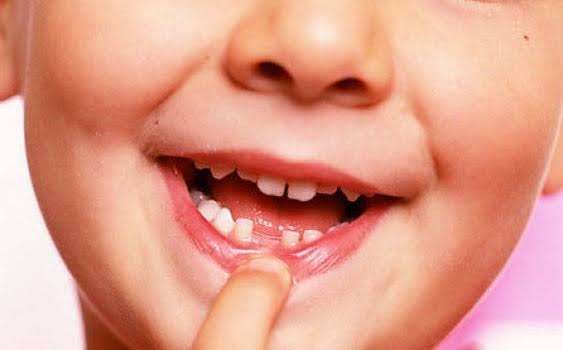
In Izmir, dental check-ups for children should generally begin in the sixth month or at the latest on their first birthday, with the first primary tooth appearing. This initial visit is a crucial medical guidance step aimed at preventing the formation of early childhood decay by educating parents on proper nutrition and dental care habits, and should never be overlooked.
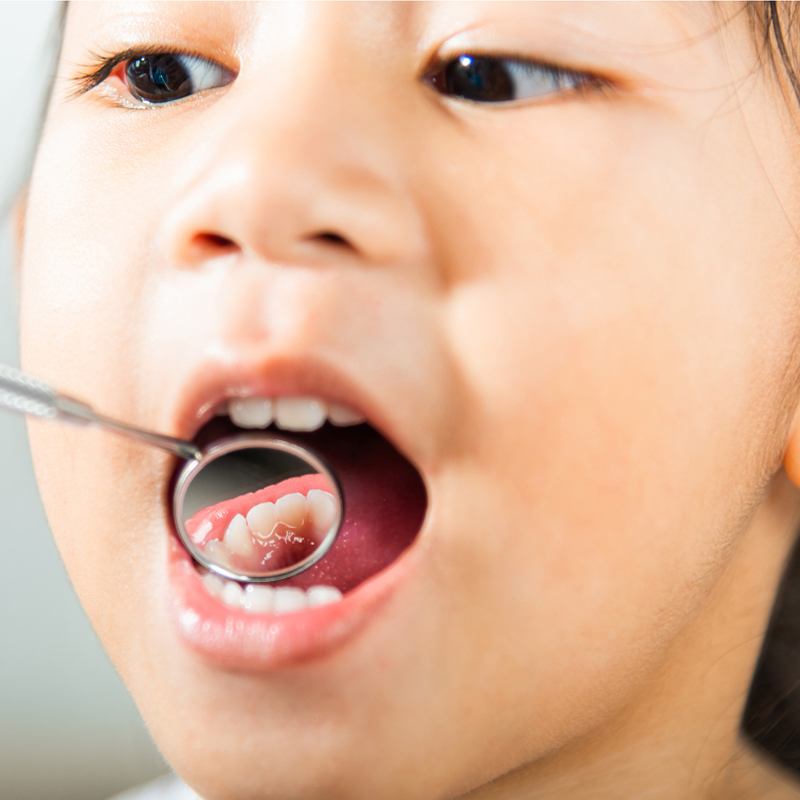
Although there is a tendency in traditional practices for children not to visit the dentist until all their teeth have decayed or a painful situation arises, this does not align with modern preventive medicine understanding. A check-up is not a treatment session; rather, it is entirely a process of guidance and information. While the baby is held in their parent’s lap in a knee-to-knee position, a visual assessment is made by the dentist using only a mirror. The structure of the enamel of the emerging primary teeth and the functional status of the lip and tongue frenum are examined. Guidance is provided to families on the limits of bottle use, and how to clean the teeth after night feedings, laying the healthy foundation for future clinical follow-ups.
How Do Regular Check-Ups Affect the Development of Primary Teeth?
Regular check-ups directly affect the healthy progression of chewing function, speech ability, and jawbone growth by closely monitoring the development of primary teeth. Since primary teeth guide the anatomy for the underlying permanent teeth, maintaining the health of these teeth is the most fundamental biological factor that preserves the overall proportion of the child’s mouth and the alignment of future permanent teeth.
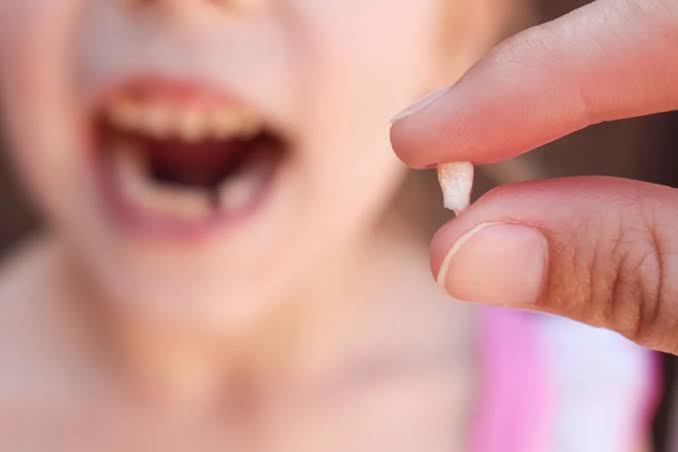
Neglecting the idea that “milk teeth will fall out and be replaced” can lead to serious problems in jaw development. The 20 milk teeth play various roles, such as mechanically grinding the food necessary for a child’s growth, ensuring the correct pronunciation of specific letters during speech (phonetics), and providing growth stimulation to the jaw bones. With clinical check-ups, the health of these teeth is preserved, thereby supporting the child’s overall physical development and digestive system.
| Physiological Function | Problems Experienced in Early Loss |
|---|---|
| Chewing and Digestion | Dietary deficiencies and digestive difficulties due to inadequate grinding of foods. |
| Phonetic (Speech) | Persistent pronunciation disorders, especially for consonants like s, f, v, t in cases of anterior tooth loss. |
| Jaw Development (Mechanical Stimulation) | Skeletal constrictions and asymmetries in the jaw arch due to reduced chewing force. |
| Natural Space Maintainer | Closure of the eruption path for permanent teeth, retention of teeth, or the persistence of dental crowding. |
How Does Early Diagnosis Prevent Tooth Decay?
Early detection prevents microscopic mineral loss on the enamel surface from turning into a deep cavity, ensuring cellular repair of the tissue with protective applications like fluoride and stopping the progression of dental caries. This way, the risk of infection reaching the tooth nerves and forming a destructive abscess is completely eliminated, and the integrity of the natural tissue is safely preserved.
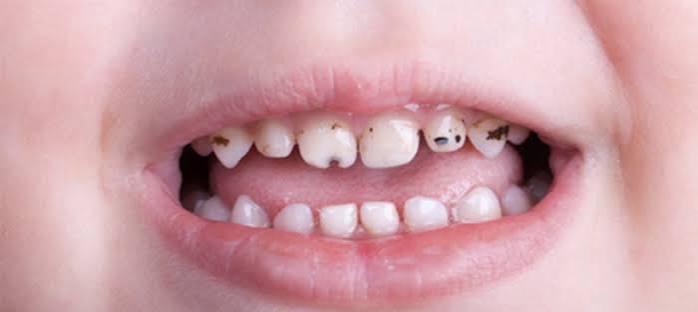
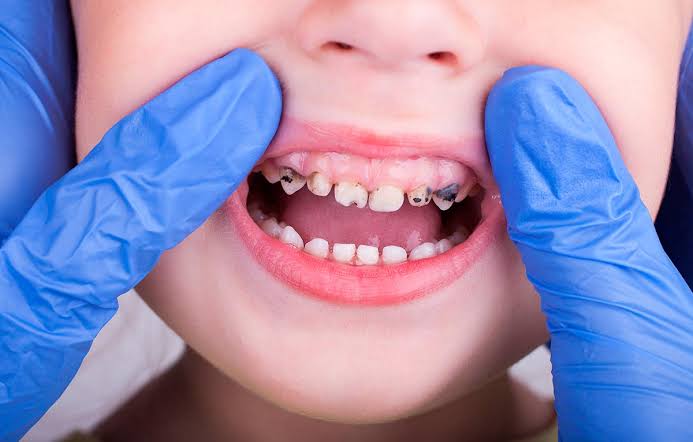
A cavity that starts in an adult’s tooth can take years to progress through the dentin layer and reach the nerve (pulp). However, the cellular structure in baby teeth is completely different. The enamel of a baby tooth is half as thick as that of an adult tooth, and the nerve chamber is very close to the outer surface of the tooth. Combined with a sugary and carbohydrate-rich diet, a slight color change or scratch on the surface can turn into a deep cavity crater within just a few months. The professional examination performed by the dentist every six months allows the detection of cavities while they are still at the stage of “white spot lesion” (demineralization). A tooth caught at this stage can be completely remedied through cellular repair with only mineral supplements, without using any drills (burs).
What Preventive Treatments Are Applied in Pediatric Dentistry (Pedodontics)?
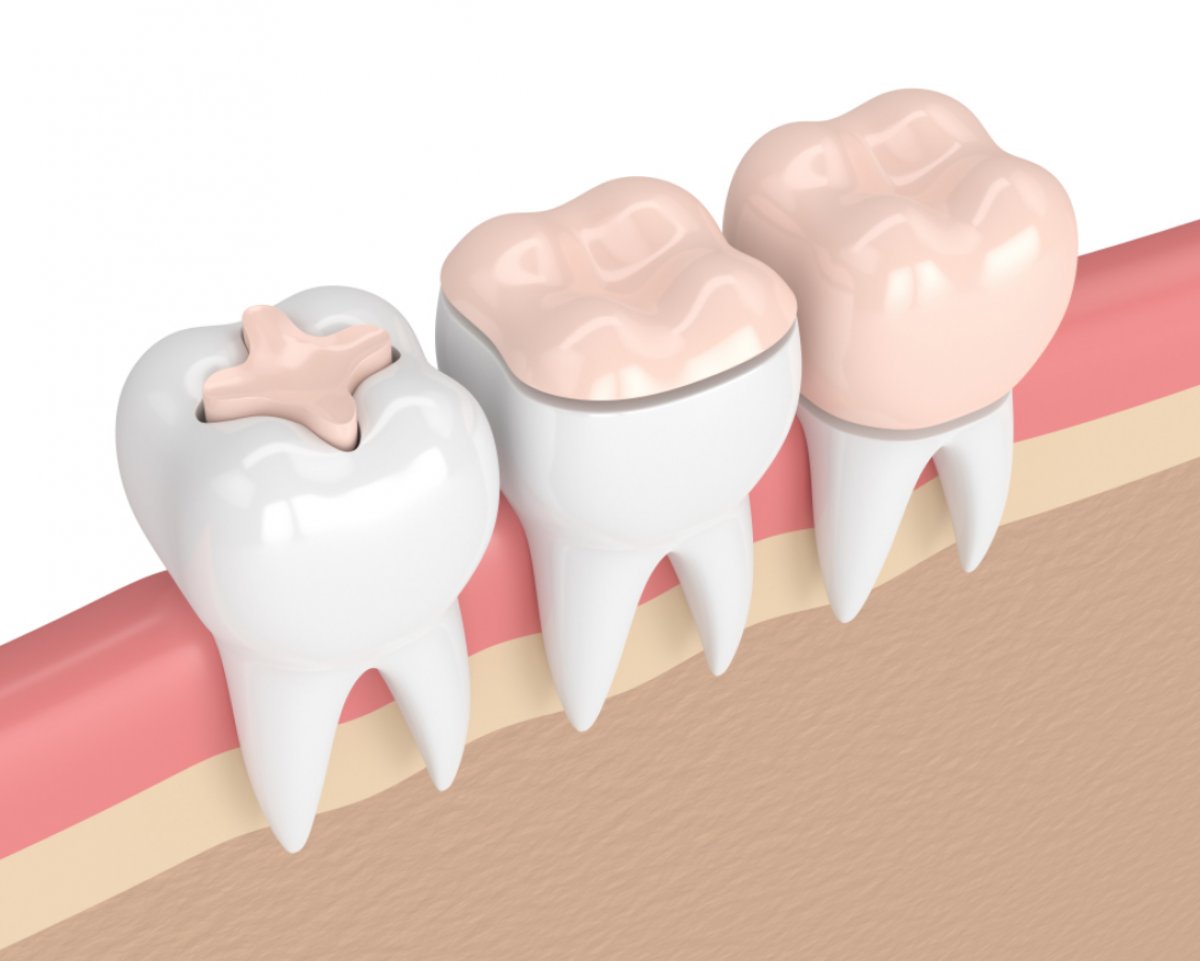
In Pediatric Dentistry (Pedodontics), preventive treatments such as fluoride varnish procedures that chemically strengthen the tooth enamel against acids, and fissure sealants that physically prevent bacterial colonization by filling the deep pits in the chewing surfaces of the back molars are carried out. These procedures are the most fundamental and reliable medical measures that stop the progression of dental caries before they even begin.
In the context of health legislation for 2026, the fundamental principle of medical science is to prevent the onset of disease instead of treating it after it occurs. The application of fissure sealants involves filling the grooves and pits of permanent molars, which usually come in at ages 6 to 12, with a clear or white liquid resin. This process does not require any drilling of the tooth; it merely seals the grooves that are narrow enough to be inaccessible to toothbrush bristles. The application of fluoride varnish is a medical coating applied by drying the teeth and brushing a small amount on them. Fluoride ions combine with the natural crystals of the tooth (forming fluorapatite) to make the enamel more resistant to being dissolved by acids and to greatly increase its resistance to cavities.
How to Overcome Dental Fear (Dental Phobia) Through Regular Visits?
Dental fear can be overcome by regular visits made even when children have no complaints, which allows them to code the clinical environment as a safe and normal play area. Psychological communication techniques like demonstrate-explain-apply used by the dentist help to alleviate the anxiety of the unknown, encouraging the child to develop a positive attitude towards medical interventions and making it much easier for them to comply with treatment processes willingly.
Dental phobia in children often stems from a past painful emergency experience or anxieties unknowingly transmitted by parents. If a child is brought to a clinic for the first time in pain, the initial intervention will inevitably challenge their comfort boundaries, and the child will perceive the clinic as a “threat.” However, a child who visits a clinic every six months without any issues will thrive amidst colorful chairs, stories told by the dentist, and pain-free examinations. Even when a genuine filling is needed in later years, the child will cooperate (adhere) to treatment without any resistance simply because they already trust the clinical environment and the dentist. Regular visits form the most solid structure of this trust bridge.
What Problems Does Early Loss of Primary Teeth Cause in Jaw Development?
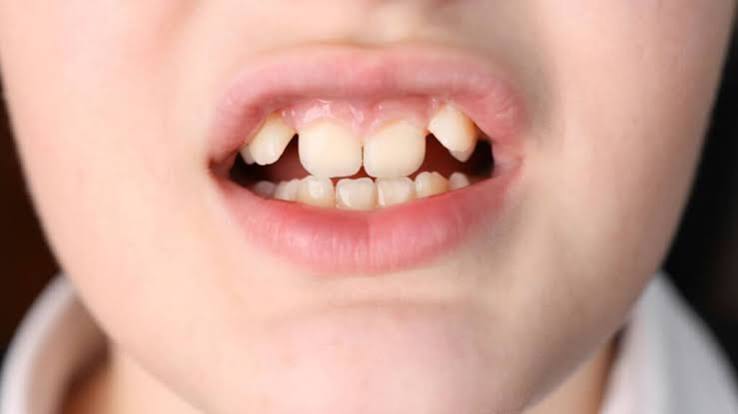
The early loss of primary teeth causes the nearby teeth to shift towards that area, leading to constriction of the jaw arch and closure of the space for the emerging permanent tooth. This can result in the permanent tooth being impacted or erupting in a crooked position, creating serious skeletal and functional development issues that may require extensive orthodontic treatments in the future.
Primary teeth serve as a biological scaffold that maintains the distances between each tooth in the jawbone. For example, if a primary tooth above a permanent tooth that is supposed to erupt at age 10 is extracted due to severe infection or trauma at age 6, the teeth behind the extraction site will shift forward, while those in front will tilt backward over the four years. As a result of these shifts, the gap completely closes. During regular dental check-ups, this risk can be detected in advance. The dentist can apply a simple wire called a “space maintainer” to the area where the tooth was extracted, mechanically preventing this narrowing of the jaw arch and allowing the permanent tooth to emerge healthily.
How to Prevent Bottle Rotting in Infancy?
In infancy, bottle rot can be prevented by completely eliminating the use of bottles containing sugary, honeyed milk or fruit juice while falling asleep at night, and by gently wiping the tooth surfaces with a moist, clean cloth after nighttime feedings. The most effective method to prevent the formation of this damaging bacterial infection is to avoid leaving food particles in the mouth during the night when salivation slows down.
During sleep, the salivation in the human body reaches its lowest level. Saliva is the most important physiological defense against acid inside the mouth. When a baby sleeps with a bottle containing milk or formula, this liquid accumulates around the teeth for hours. Because there is no buffering effect of saliva, the lactose (milk sugar) in the liquid is quickly converted to acid by the bacteria in the oral flora. The enamel of the delicate milk teeth cannot withstand this acid attack and begins to crumble like a wafer. Severe infections that threaten the baby’s nutrition, sleep, and overall health can be easily prevented with regular clinical check-ups and nighttime hygiene training provided to families.
What Benefits Do Fluoride and Sealant Applications Provide?
Fluoride applications strengthen the crystals by forming a chemical bond with the tooth enamel and protect the teeth against acid attacks; sealants, especially for the molars that erupt around the age of six, physically prevent food accumulation by covering the grooved surfaces with a liquid resin. Both methods are reliable medical barriers that halt the formation of cavities.
In childhood, the majority of cavities begin from the chewing surfaces of the teeth. When examined under a microscope, the top surface of primary teeth is filled with valleys and canyons (fissures and pits). Because the enamel of newly erupted primary teeth is not fully matured yet, it is very susceptible to bacterial acids. To eliminate this anatomical weakness, the teeth are covered with fissure sealant materials that may or may not be visible in the mouth. The surface of the tooth is coated with a liquid substance, as if a medical polish has been applied, without any abrasion. Fluoride applications are applied topically (on the surface) and support the minerals that the enamel needs from the outside, repairing the loss of minerals from the enamel that occurs when the child consumes sugary or acidic foods.
| Type of Application | Mechanism of Action | Time and Area of Application |
|---|---|---|
| Fluoride Varnish / Polish | Chemically strengthens the enamel crystals (hydroxyapatite). | Every 6 months on all tooth surfaces, starting from the eruption of the primary teeth. |
| Fissure Sealant | Physically fills in deep pits creating a flat surface. | Applied when permanent molars erupt (at age 6 and 12) on the chewing surfaces. |
How Are Orthodontic Needs in Children Identified at an Early Age?
Orthodontic needs in children are determined by the objective assessment of jaw constrictions or occlusal disorders by a doctor, through regular clinical examinations and panoramic radiological images carried out at the onset of mixed dentition. This early detection allows for the proper guidance of the jaw bones using simple removable appliances, taking advantage of the growth potential, and fully ensures skeletal harmony.
Waiting for all primary teeth to fall out and for the child to reach 12-13 years of age for orthodontic (braces) treatment is an outdated approach that is not accepted in modern skeletal analyses. Jaw bones are extremely soft and amenable to guidance between the ages of 7-10. If during regular check-ups it is diagnosed that the child’s lower jaw is significantly retrusive (retrognathia) or the upper jaw is very narrow, “preventive orthodontics” comes into play. The direction of the jaw bone can be easily manipulated with the help of a simple removable palatal expander. Skeletal disorders that do not self-correct at this age can only be rectified through advanced surgical procedures after bone growth has halted. For this reason, routine follow-ups are essential, akin to sculpting a child’s facial aesthetics.
How are Child Patient Follow-ups Conducted at İzmir Avrupadent Clinics?
Child patient follow-ups at İzmir Avrupadent clinics are conducted according to the standards of current health legislation, through personal files, and are generally carried out professionally at six-month intervals according to the individual risk profile of the child. Variations in jaw development and oral flora are archived with digital data, and necessary preventive interventions are carefully planned in a completely transparent medical communication language.
The expert team providing services in Izmir at the Pediatric Dentistry (Pedodontics) uses digital automation systems to ensure the sustainability of health for patients coming from Bornova, Seferihisar, and all other districts. To address the possibility of parents forgetting their children’s check-up appointments in their busy lives, the system informs families with automatic reminders. The new X-rays and intraoral photos taken of the child visiting the clinic are compared with records from six months prior, tracking the growth. If a slight cavity is detected, the family and child are motivated, and hygiene habits are reviewed. This systematic approach guarantees that treatments continue throughout a lifetime without interruptions.
How are Routine Check-ups Planned for Children with Special Needs?
Routine check-ups for children with special needs are generally scheduled at higher frequencies of three or four months due to an increased risk of complications, depending on the child’s overall systemic condition, medication use, and motor skills. In medical situations where compliance is challenging, the process is managed in a multidisciplinary manner under quiet and calm clinical conditions tailored to the child’s sensory sensitivities.
Children with autism spectrum disorder, cerebral palsy, Down syndrome, or severe cardiovascular disorders are at risk due to challenges in maintaining oral and dental hygiene, motor skills difficulties, or regular use of syrup-form sugar medications. It is often physiologically and psychologically unreasonable for these children to remain motionless in a standard clinical chair and endure long sessions. Therefore, these patients are categorized into the “high-risk category,” and more frequent check-ups are urged to perform preventive interventions (fluoride applications) before any diseases arise. In instances where many urgent interventions are necessary, procedures are planned to ensure the safety and comfort of the children under general anesthesia or sedation in a single session, alongside an anesthesiologist.
Does Home Dental Care Replace Clinical Check-Ups?
While home dental care is a vital necessity for the removal of daily soft bacterial plaque, it can never replace professional clinical check-ups as it cannot detect initial caries hiding between the teeth, tartar formations, and skeletal development anomalies. The two processes are indispensable medical steps that constantly support and complement each other to protect the oral health of children.
Having parents brush their children’s teeth twice a day with fluoridated toothpaste is the most fundamental aspect of fighting cavities. However, the human eye and manual toothbrush alone are not enough. Especially in areas where two teeth contact (contact points), cavities can appear to be completely white from the outside while the inside of the tooth may be decayed. These interproximal cavities can only be detected with special “bite-wing” X-rays that the dentist will take in a clinical setting. Additionally, tartar formed by the accumulation of minerals in the tooth structure cannot be removed by brushing; it can only be safely cleaned using professional cleaning agents applied by a dentist. The belief that “my child brushes very well, there is no need to see a dentist” is merely a medical misconception that delays diagnosis.
How Should Parents Prepare Their Children for Regular Dental Check-Ups?
Parents should present the dental appointment as a daily and ordinary activity while preparing their children for dental check-ups. They must absolutely avoid using scary medical terms about the clinic and only provide information that the teeth will be counted and cleaned, creating a positive expectation. Choosing the appointment time in alignment with the child’s sleep and meal rhythm is also an extremely important detail that supports treatment compliance.