What Are the Advantages of All On Four Implant Treatment? Comprehensive Analysis of Missing Teeth Treatment in Izmir
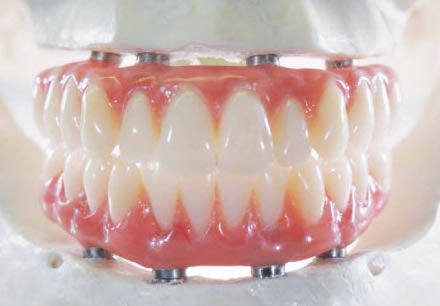
Total edentulism (complete toothlessness) cases, where all teeth are lost in the oral anatomy, represent a fundamental structural change in human physiology that affects chewing, swallowing (deglutition), and speaking (phonation) functions. To restore these tissue losses, the titanium artificial roots strategically placed in the bone architecture come first among the prosthetic and surgical systems applied in modern dentistry. The surgical and prosthetic concept referred to in medical literature as “All On Four” is based on the principle of establishing a mechanical skeleton for a fixed prosthetic block with four implants positioned at specific angles (angulation) in the jawbone.
What Biomechanical Advantages Does All On Four Implant Treatment Offer?
The All On Four implant treatment distributes chewing forces over a wider area by placing the two implants in the front region at a vertical angle of 90 degrees, and the two implants in the back region at angles of 30 to 45 degrees. This angulated placement increases biomechanical resistance by absorbing (dissipating) the torquing forces that may occur in the posterior areas of the prosthesis.
The transfer of occlusal (bite) forces directly to the alveolar bone instead of the mucosa in a toothless arch facilitates the mechanical stimulation of bone cells (osteoblasts), slowing down the resorption (melting) process at the cellular level. The biomechanical operation of All On Four implant treatment involves adapting the principles of physics and engineering to human jaw anatomy. The bone in the anterior region of the human jaw is naturally denser and harder (cortical structure). The first two screws of the concept are positioned at a 90-degree angle to this dense bone tissue. This vertical placement counteracts the anterior shear and cutting forces (horizontal and vertical vectors) of the restoration. The hard structure of the bone increases the compression torque of the screws within the bone, achieving high values of primary (initial) stability.
In the posterior regions, biomechanical conditions show differences. When designing a fixed prosthesis, it is aimed that the supporting columns (implants) extend as far back as possible (anterior-posterior distribution) to counteract the forces. If the implants are only concentrated in the front area and the prosthesis is extended backward without support, this unsupported body creates a “cantilever” effect. Cantilever extensions are exposed to excessive bending (flexion) forces during chewing, which over time can lead to micro-cracks or fractures in the bone around the screws. In the All On Four system, the two titanium artificial roots in the back are placed at an inclination of 30 to 45 degrees. The open placement increases the surface area of contact between the screw and the bone (bone-to-implant contact), while the abutment (connection piece) shifts the contact point further back in the jaw. This reduces the cantilever distance and distributes the hundreds of Newtons of crushing forces generated during chewing over a wider skeletal polygon, creating structural balance. In clinical processes conducted in Izmir, Avrupadent physicians simulate these open calculations through digital software meticulously, preserving the biomechanical limits of the bone.
How Does All On Four Implant Treatment Serve as a Medical Alternative in Jaw Bone Insufficiency?
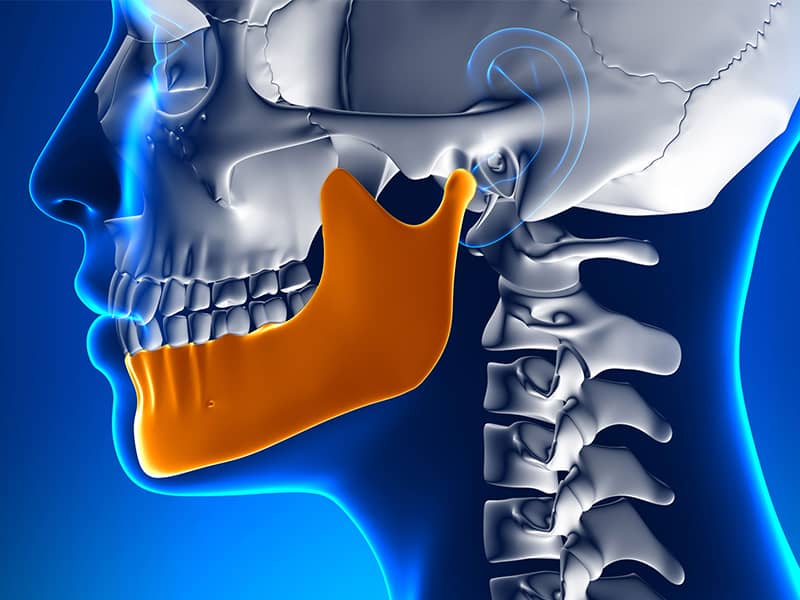
When vertical bone height is lost in the posterior regions, the 30-45 degree open placement applied anatomically bypasses the maxillary sinuses in the upper jaw and the mandibular nerve canal in the lower jaw. This approach structurally limits the need for advanced bone grafting (addition of bone powder) in deficient areas.
According to Wolff’s Law of the human skeletal system, bone tissue that does not bear mechanical loads over time loses its volume and mineral density. Years spent without teeth or prolonged use of movable (palate) dentures lead to vertical shortening and horizontal narrowing of the alveolar crest. In the upper jaw (maxilla), after the loss of tooth roots, the maxillary sinus membrane sags downwards under the effect of gravity (pneumatization). In traditional approaches, to place a vertical implant in the posterior region, it is planned to surgically lift the sinus membrane (Sinus Lifting) and conduct reconstructive operations where particles of bone powder or synthetic graft materials are placed in the resulting void. In the lower jaw (mandible), however, the ‘inferior alveolar nerve’ canal, which carries lip sensation, comes closer to the surface and does not leave enough distance for vertical placement.
The All On Four implant treatment is a medical strategy developed to overcome these physiological limitations. The 30-45 degree rotational angle of the system utilizes the anterior wall of the sinus cavity in the upper jaw, and the mesial area just in front of the mental foramen (nerve exit hole) in the lower jaw. This angling allows the physician to utilize the healthy and voluminous cortical bone in the anterior parts of the jaw without surgically intervening in the more posterior problematic and resorbed bone areas. While the screw progresses in the bone in a horizontal angle, it bypasses anatomical obstacles and structurally minimizes the risk of damaging the sinuses or the nerve bundle. Traditional bone augmentation (grafting) procedures add months to the treatment timeline for the added material to turn into living bone; while the All On Four technique maximizes the existing healthy bone, contributing to reducing these long waiting periods. The surgical decisions at İzmir Avrupadent are shaped according to these volume calculations obtained through three-dimensional tomography (CBCT).
| Anatomical Parameter | All On Four Concept | Traditional Fixed System (6-8 Screws) |
|---|---|---|
| Maxillary Sinus Approach (Upper Jaw) | Open implants do not enter the cavity by being placed from the anterior wall of the sinus. | For vertical placement in the posterior areas, a sinus lifting (membrane elevation) procedure is necessary. |
| Mandibular Nerve Canal (Lower Jaw) | The distance is maintained with careful placement in front of the mental foramen (nerve exit). | To achieve vertical placement over the nerve, nerve repositioning (displacement) is often considered. |
| Use of Graft (Bone Powder) | In most cases, advanced bone reconstruction is not required. | Using dense graft to fill bone defects is a clinical necessity. |
| Timing of Biological Healing | Only the time for osseointegration of the implant is awaited. | Additionally, it is necessary to wait another 4-6 months for the graft to turn into live bone. |
How does All On Four Implant Treatment Shape the Prothetic Rehabilitation Process?
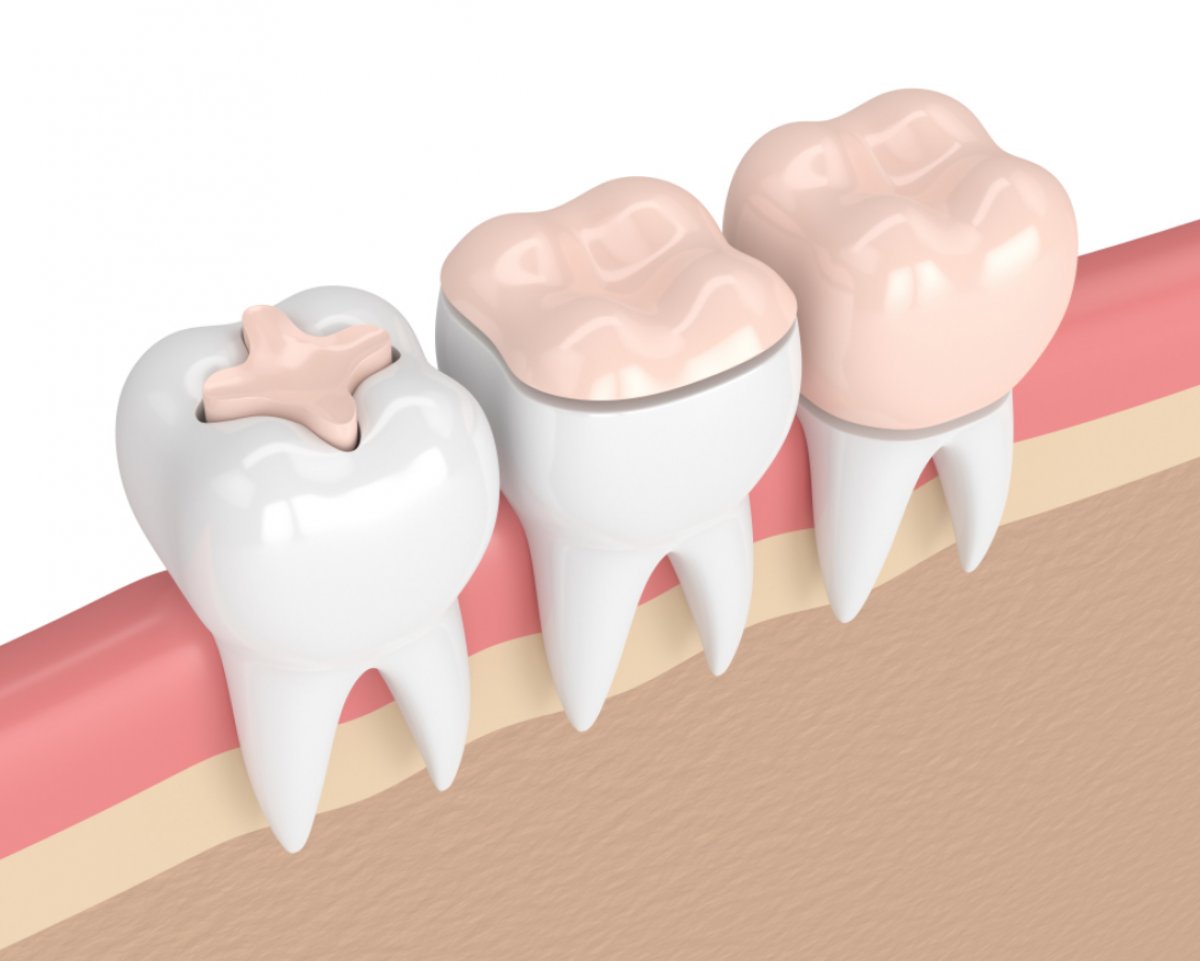
If the primary stability of titanium screws in the bone (mechanical tightening torque) meets the medical criteria on the day of the operation, a fixed temporary acrylic prosthesis is placed over the implants in the same session. When cellular healing is completed, high-mechanical-strength zirconium or metal-supported ceramic definitive prostheses are produced to complete the treatment at a functional level.
The most notable medical feature in the prosthetic planning of All On Four implant therapy is its ability to incorporate the concept of “immediate loading.” If the screws are tightened to the bone with a force of 35 Ncm or more during the surgical procedure (high primary stability), the physician secures a measurement or uses digital laboratory templates to screw an acrylic-based temporary bridge prosthesis into the patient’s mouth. This temporary prosthesis starts to support phonation (speech) and soft food chewing reflexes from the first day of restoration, preventing the patient from being toothless after surgery. At the same time, the four implants, rigidly connected to each other, provide a stable ground for the cells to adhere to the titanium surface by limiting the micro-movements within the bone.
The temporary prosthesis made from acrylic or composite material is not designed with a structural hardness that can withstand chewing (occlusion) pressures for many years. The clinical goal here is to provide the patient with aesthetic mucosal support and minimal function until they pass through the osseointegration phase (cell fusion months). This biological cycle, which lasts an average of two to three months in the lower jaw and three to six months in the upper jaw, is transitioned to a permanent prosthetic stage once confirmed radiologically. The patient’s facial appearance, lip support, smile line, and vertical closure height are re-analyzed. Metal-supported ceramic blocks or hybrid zirconium bridges that mimic natural dental appearance with light translucency are prepared in the dental laboratory (CAD/CAM) to withstand forces coming to the posterior molar regions without bending. The laboratory processes at Izmir Avrupadent maximize mechanical resistance of these final restoration frameworks (bars) to ensure long-term functional maintenance.
What Anatomical Benefits Does All On Four Implant Treatment Bring in Advanced Age Groups?
Although aging slows down the general skeletal metabolism somewhat, it does not create a clinical limitation for surgical procedures. The reduction in the number of screws used in the All On Four treatment and the limitation of the need for bone grafting procedures shortens the duration of the operation and reduces post-operative inflammation in geriatric patients.
The total edentulous (edentulism) condition is a physiological state that is commonly encountered in geriatric (older) individuals in medical practice. Patients who have used tissue-supported removable (denture) prostheses for years experience significant levels of vertical resorption in the alveolar bone. While the overall cellular renewal rate in the body (osteoblast and fibroblast activity) shows a marginal decrease along with the aging physiology, the capacity of bone tissue to adhere to titanium surfaces and ensure structural osseointegration continues to exist. Medical data in the literature reveal that the rates of cellular integration between geriatric individuals with good health and young adult individuals are clinically quite similar.
In geriatric dental surgery, the primary focus when deciding on an operation is not the chronological age of the patient but rather the functional status of internal organs and the systemic reserve that can tolerate surgical stress. It is medically necessary to keep the operation duration for elderly patients as short as possible. Traditional methodologies, which involve 8 implants and extensive grafts, can extend the chair time (the time spent under anesthesia) for hours. The All On Four implant treatment significantly reduces the surgical time by using only four screws and not requiring extensive bone reconstructions. As the volume of tissue incisions and bone drilling procedures decreases, the inflammatory response of the body also diminishes proportionately. In medical evaluations conducted in İzmir, the edema and cellular trauma that patients will experience post-surgery are pulled within the biological tolerance limits of elderly individuals thanks to this technique.
What Clinical Features Does All On Four Implant Treatment Have for Individuals with Systemic Diseases?
In individuals with chronic conditions such as type 2 diabetes, hypertension, or osteoporosis, the All On Four method involves less surgical trauma (minimal invasive), which preserves wound blood supply. When the systemic values are regulated to reference ranges through pharmacological adjustments by the relevant specialists, the risks of inflammation are limited, allowing for a safer operation.
The operations of dentistry applied to a significant anatomical area (full jaw) proceed in an integrated manner with the overall functioning of the organism through the circulatory and immune (connective) systems. In patients with chronic high blood glucose levels due to advancing diabetes (Diabetes Mellitus), thickening of the vascular walls (microangiopathy) occurs. This cellular defect leads to a narrowing of the blood volume that needs to reach the surgical field, leaving the tissue in a state of oxygen deprivation (hypoxia) and preventing the defense cells (leukocytes) from reaching the area. Therefore, before surgery, HbA1c tests, which indicate the patient’s blood sugar levels from the last three months, are requested, and values are expected to be around 7% (regulated).
Anticoagulant (blood thinning) medications used in patients who have undergone cardiovascular bypass, stent, or valve operations and have a history of atrial fibrillation slow down the clotting cascade. When the mucosal flap is opened and an incision is made, drug modifications (bridging therapy) are applied in consultation with a cardiologist to ensure that bleeding can be physiologically stopped (hemostasis). Additionally, in patients receiving intravenous bisphosphonates with a diagnosis of osteoporosis (bone loss), there is a risk of necrosis in the surgical area (Bisphosphonate-Related Jaw Osteonecrosis) due to the drug’s ability to stop bone degradation. In this context, during the treatment processes of Avrupadent, all systemic diseases of the patients are classified according to the ASA (American Society of Anesthesiologists) risk scale and analyzed individually. The minimal invasive nature of the All On Four treatment facilitates medical management by not excessively challenging the limited cellular repair capacity of individuals with systemic diseases.
How Does All On Four Implant Treatment Affect Surgical Trauma and Healing Period?
The use of fewer implants and the absence of advanced surgical procedures such as bone grafting narrow the area of intervention on the mucosa and periosteum. This situation allows for the structural limitation of the physiological edema and inflammatory response that would occur in the tissues after the operation.
Every incision and osteotomy procedure performed on the intraoral tissues (mucosa and bone) initiates an inflammatory response in the body. Inflammation is the process by which the organism sends fluid, blood, and cellular elements to the area to repair the damaged tissue. The clinical signs of this physiological response are local tissue swelling (edema) and, rarely, tiny bruises (ecchymosis) that occur on the outer skin, which increase in parallel with the size of the wound area. In an operation where eight implants are placed using traditional methods and both sinus membranes are elevated to pack bone graft (graft), the flap (gum) is detached from the bone over a very wide area. The more the periosteum is stripped from the bone, the more intense the fluid accumulation (edema) will be in the patient’s facial region after surgery.
The All On Four implant treatment minimizes the physical trauma to the tissue due to the fact that it only involves four osteotomies (holes) per jaw. Thanks to the angled placement, no anatomical structures (sinus, nerve) are touched, thereby not creating additional operational stress. To keep edema under control, which is related to the dilation of the capillaries in the surgical area, outside cold compresses (ice) are applied for the first 48 hours. At the İzmir Avrupadent clinics, patients are advised to modify their dietary habits to prevent tension on the wound lips and to keep the fibrin clot stable (creamy and warm diet in the initial days). This surgical restriction medically supports a faster adaptation of the patient’s daily living functions (speaking, eating).
What Contributions Does Radiological Planning Provide for the All On Four Implant Treatment Process?
Using CBCT (three-dimensional volumetric tomography) data, coordinates for the screws that will enter the jawbone and the angles of inclination between 30-45 degrees are designed through backward planning with software. This radiological simulation minimizes the risk of damage to anatomical structures while ensuring that the densest bone areas are selected for primary stability.
During the clinical examination, the physician observes the surface structure of the oral mucosa (gingiva), but the architecture of the alveolar bone beneath the mucosa can only be understood through advanced radiological investigations. Traditional panoramic radiographs represent the entire jaw form as a two-dimensional curve and involve a certain degree of distortion (15-20%) and do not physiologically show the front-back (bucco-lingual) thickness of the bone.
Cone Beam Computed Tomography (CBCT) systems create a digital clone of the jaw by separating it into millimeter-thin slices with a low radiation dose. The open implant, which is a key component of the All On Four treatment, is a precise surgical protocol that does not tolerate errors. In the backward planning procedure performed on the tomography, the physician identifies the entry point of the screw into the bone, the advancement vector, and the angle at which it intersects the anatomical voids in three-dimensional coordinates. Additionally, by measuring the stiffness of the bone (Hounsfield Units), milling techniques (such as underpreparation in soft bone with minimal drilling) are determined for high stability (target torque: >35 Ncm). When needed, these digital designs are transferred to 3D printers to produce surgical guide plates. Thanks to these technological medical analyses conducted in Izmir, the operation proceeds on the basis of millimeter scientific data rather than the surgeon’s immediate decisions.
What Medical Criteria Does All On Four Implant Treatment Meet in Terms of Aesthetic and Functional Aspects?
The All On Four implant treatment restores not only tooth loss but also the collapses in the facial profile caused by the resorption of bone tissue. During the prosthetic design phase, the vertical dimension of occlusion (VDO) and lip support are restructured, while ‘pink aesthetics’ (gum simulation) is applied at the points where the prosthesis integrates with the mucosa, creating a natural anatomical appearance.
Long-term edentulousness reduces the vertical dimension of the lower third of the face at the skeletal level. As the alveolar bone resorbs, the jaw tip approaches the nose, the lips sink in, and deep folds (marionette lines) form at the corners of the mouth. This condition adds an aged physiology independent of the individual’s chronological age. In the prosthetic (crown) planning of the All On Four system, the primary goal of the doctor is not only to provide the patient with chewing surfaces but to restore the lost Vertical Dimension of Occlusion (VDO) in alignment with the dynamics of the masticatory muscles (masseter and temporalis).
While designing the definitive prosthesis in a laboratory setting (with CAD/CAM systems), gingival simulations (pink aesthetics/gingival porcelain) that closely match the patient’s own mucosal color are added to the upper parts of porcelain or zirconium blocks to cover the tissue openings created by the resorbing bone. This way, despite starting from a point well above the resorbed bone, the prosthesis appears to have natural tooth dimensions from the outside; it transcends the illusion of long and disproportionate white teeth. The pink porcelain sections support the lips from inside, pushing the lip profile (vermilion line) outward and physically compensating for the collapses in the face. In the processes of İzmir Avrupadent, phonetic tests are conducted on the upper jaw (maxilla), examining the airflow escape points, with proper frequencies being maintained for sibilant (“s”, “z”) and fricative (“f”, “v”) sounds by shaping the internal anatomy of the prosthesis according to the patient’s tongue movements on a millimetric scale.
| Design Parameter | Clinical Assessment Purpose | Physiological Contribution to the Patient |
|---|---|---|
| Vertical Dimension of Occlusion (VDO) | Re-establishment of the skeletal distance between the upper and lower jaw. | Normalizes the distance between the chin and nose, prevents muscle spasms. |
| Lip Support | The amount the prosthesis pushes the lip from the inside at the anterior surface. | Structurally eliminates inward collapse of the lips and signs of aging. |
| Pink Aesthetics (Gingival Simulation) | Completion of resorbed bone tissue with porcelain gum tissue. | Prevents disproportionate length of teeth, maintains the natural crown length. |
| Phonetic Compatibility | Control of the tongue’s contact with the back of the prosthesis and airflow paths. | Limits articulation disorders (slurring, sucking sounds). |
Why is All On Four Implant Treatment Preferred Compared to Traditional Methods in Complete Edentulous Cases?
While traditional methods require 6 to 8 implants per jaw and often necessitate advanced bone grafting procedures, the All On Four concept structurally limits the need for grafting with just 4 screws and a simplified placement. This medical distinction reduces the number of surgical interventions, thus shortening the treatment timeline biologically.
The field of dentistry has developed numerous biomechanical protocols for the restoration of total edentulism (complete toothlessness) cases in medical literature. In traditional fixed implant systems, the targeted structure forms vertical columns (6 or 8 implants) at equal intervals along the ridge (jawbone). However, bone resorption does not occur homogeneously in every region of human physiology. Significant bone loss, especially in the posterior regions, necessitates surgical reconstruction of the bone volume for the application of this traditional approach. These operations, where graft materials from autogenous, allogenic, or synthetic sources are integrated into the jaw, impose an extended biological repair process on the organism for months to transform the materials into calcified (hard) living bone.
The All On Four implant treatment is based on the principle of maximizing existing healthy anatomy. By focusing on the anterior region of the jaw where bone volume is thick and preserved, it expands the support area using angled screws that extend to the posterior regions at an angle of 30 to 45 degrees. This angled placement establishes a physical balance where the carrying capacity (Newton resistance) of the four implants is biomechanically equivalent to the resistance of six vertical implants, due to the increased surface area in contact with the bone. This reduction in the number of screws minimizes trauma to the mucosa and periosteum (bone membrane) by decreasing the number of osteotomies (holes) made in the jaw. In clinical applications in Izmir, rather than exposing the patient to extensive bone powder surgeries to overcome anatomical barriers, doctors operationally limit the treatment timeline and surgical stress by integrating engineering vectors into the jaw skeleton.