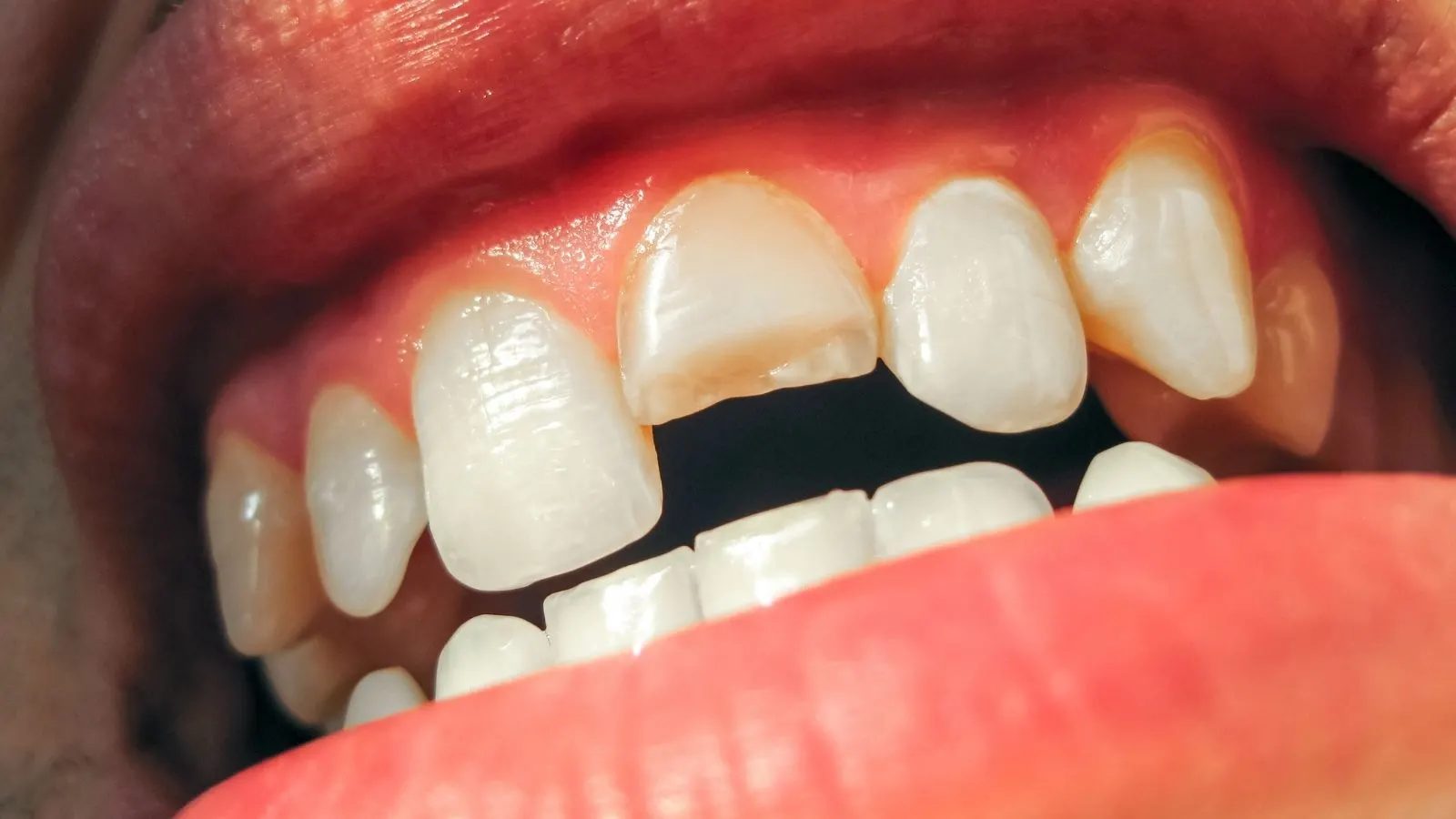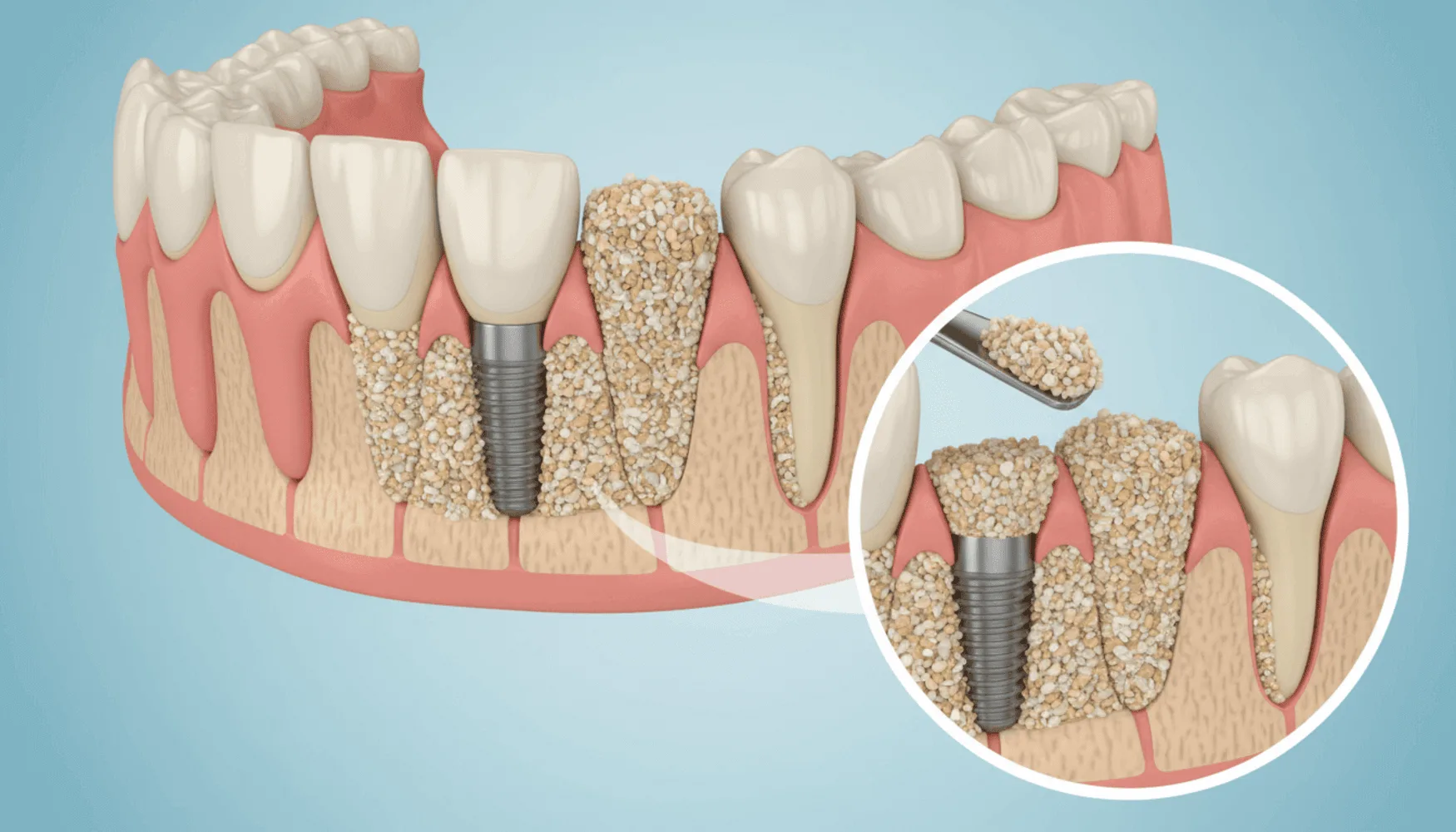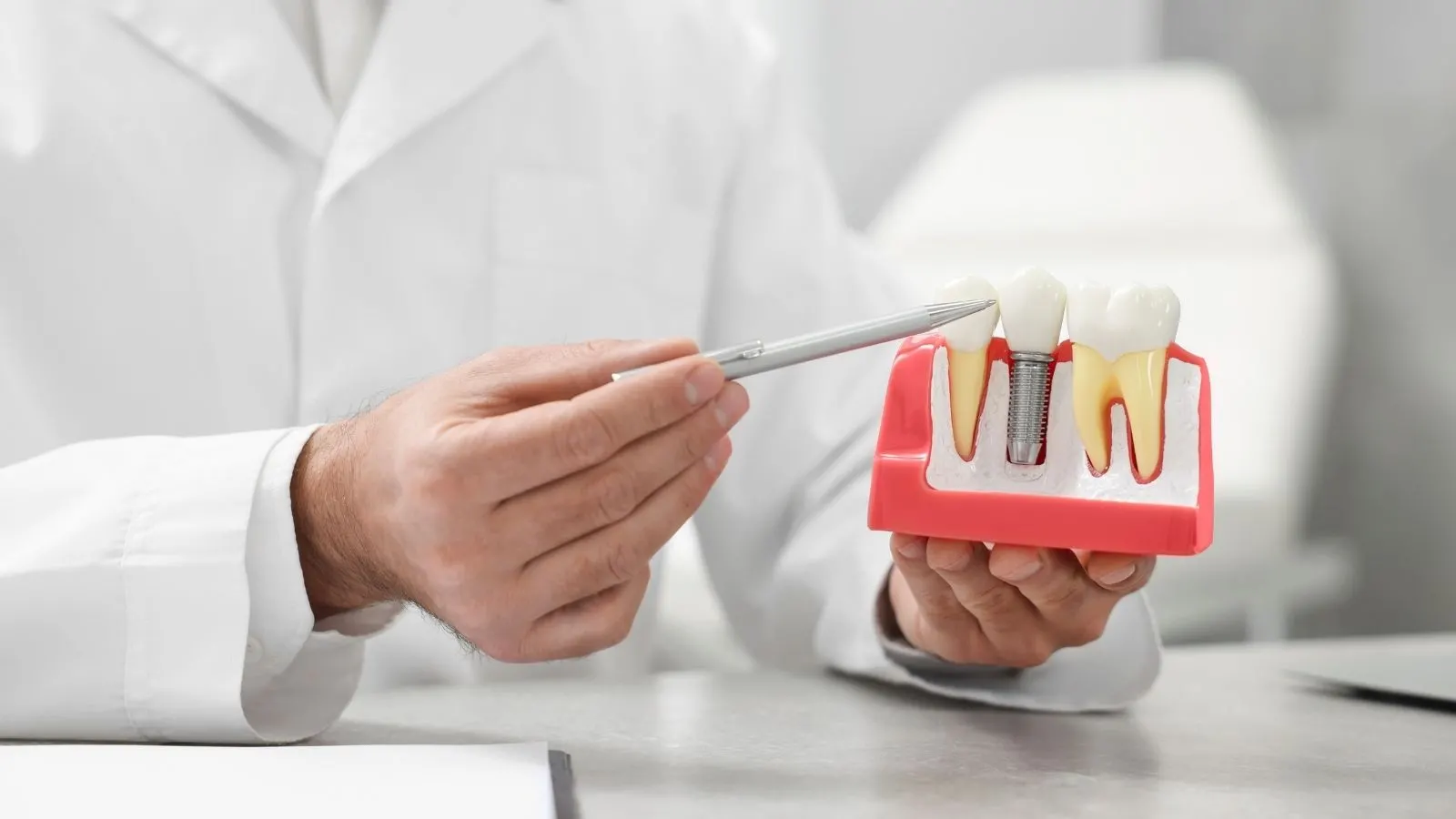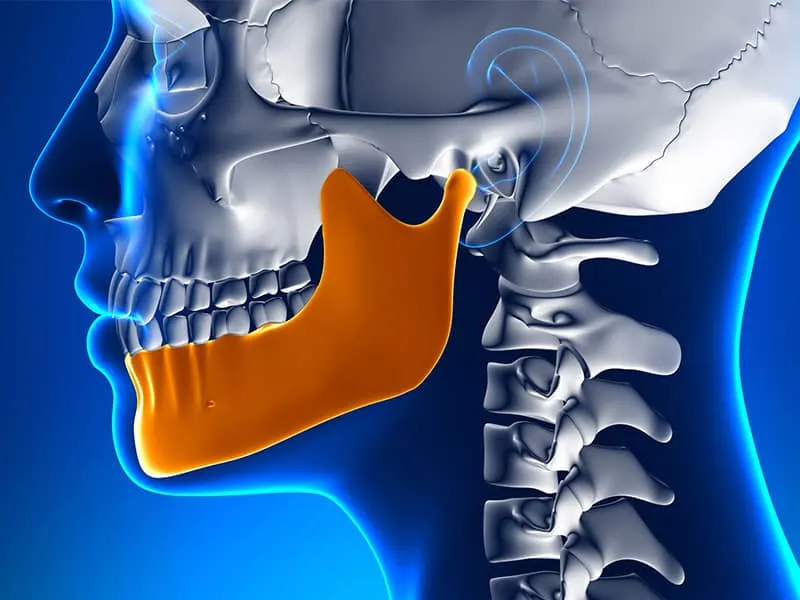

Swelling of the face after a tooth extraction is common; in most people it increases in the first days and then decreases, and the exact duration varies from person to person. Bruising under the eye or on the cheek can also be a normal part of this process. If the swelling grows after a few days, or if fever or severe pain accompanies it, you need to see a dentist.
Is swelling of the face after a tooth extraction normal, and why does it happen?
Yes, it is normal; an extraction is a surgical procedure, and the body sends blood and fluid to the extraction site for healing. When this fluid collects in the tissue, the face swells.
The swelling is especially noticeable after impacted tooth extractions and extractions that require a surgical procedure. After a simple extraction the swelling may be mild or absent. This difference relates to how much tissue the procedure affects.
How long does the swelling last?
In most people the swelling becomes noticeable in the first days after the extraction and then gradually decreases. It would not be right to give an exact number of days; the duration varies from person to person. The difficulty of the extraction, the person’s age, the speed of healing and the care after the extraction affect the duration. For the general course of healing, you can look at our page on the healing process after tooth extraction.
What can be done to reduce the swelling?
On the first day, cold application, keeping the head elevated and resting are the most effective ways of reducing the swelling.
Cold application is done as follows:
- On the first day, cold is applied to the outside of the cheek as the dentist recommends.
- Ice or a cold pack is not placed directly on the skin but wrapped in a thin cloth.
- The application is intermittent, not continuous; the dentist’s advice is followed for duration and frequency.
- After the second day the benefit of cold application decreases; if the dentist recommends a warming application, you act accordingly.
In addition, keeping the head elevated while sleeping, avoiding heavy work and sports on the first day, and using the medications the dentist recommends regularly help keep the swelling under control.
Why does bruising occur after an extraction?
Bruising comes from blood leaking from small vessels into the spaces between tissues during the extraction; because this blood spreads downward with gravity, it can be seen under the eye, on the cheek and even in the neck area. Patients usually notice it like a bruise.
The bruising first looks dark purple, then turns yellow and fades through a greenish color; the duration varies from person to person. It can be more noticeable in people who use blood thinners and in those with sensitive skin. Bruising is usually harmless; however, if hardening or increasing pain accompanies it, let your dentist know.
Stitches and mouth care
If stitches were placed, mouth hygiene is done according to the dentist’s advice; usually the mouth is not rinsed on the first day, and in the following days it is rinsed gently with lukewarm salt water. The extraction site is not cleaned hard with a brush, while normal brushing continues for the other teeth.
If the stitches are not the type that dissolves by itself, they are removed by the dentist after a certain time; do not try to remove them yourself. If a stitch loosens, there is a bad smell in the mouth or bleeding starts again, make a check-up appointment. For eating recommendations, you can look at our article on how to eat after tooth extraction.
Habits that increase swelling
Smoking, drinking with a straw, applying heat, and spitting often or rinsing the mouth forcefully can increase the swelling and healing problems. Smoking disturbs the blood clot and raises the risk of dry socket (alveolitis).
It is also important on the first day to avoid hot drinks and hard foods, not to do heavy sports, and not to touch the extraction site with the tongue or a finger. If the clot is disturbed, dry socket can develop; you can find the signs of this condition on the page inflammation after tooth extraction (alveolitis).
In which signs should you see a dentist?
If the swelling does not decrease but increases as the days pass, if there is fever, or if opening the mouth or swallowing becomes difficult, you need to see a dentist. If you have difficulty breathing, go to an emergency department without losing time.
The following signs also need a check:
- Bleeding that does not stop with pressure,
- Severe pain that increases as the days pass,
- A bad smell and bad taste in the mouth,
- Pus coming from the extraction site.
Avrupadent is a dental health group serving in İzmir with 19 dental clinics; for questions such as when stitches are removed after an extraction, you can also look at our page on how many days later a stitch is removed.
If you have a concern, you can use our contact page to make an appointment at Avrupadent branches; you can have your check-up at our İzmir branches such as Çiğli and Balçova.