
If you are asking whether an implant prevents an MRI, the short answer is this: dental implants generally do not prevent an MRI scan. Implants are mostly made of materials such as titanium or zirconium and do not create a situation requiring that you avoid the magnetic field of the MRI device. Still, the final decision is made by the radiology team that will perform the scan; so you need to give information in advance about your implant, prostheses and other metal parts.
Short answer: dental implants and MRI
Someone with a dental implant can most of the time have an MRI. The problem may come less from the implant itself than from other parts in the mouth and from the area to be scanned.
- Single implants and the crowns on them generally do not cause problems.
- If you use a prosthesis that has magnetic retainers, be sure to mention it. Such parts may need to be removed.
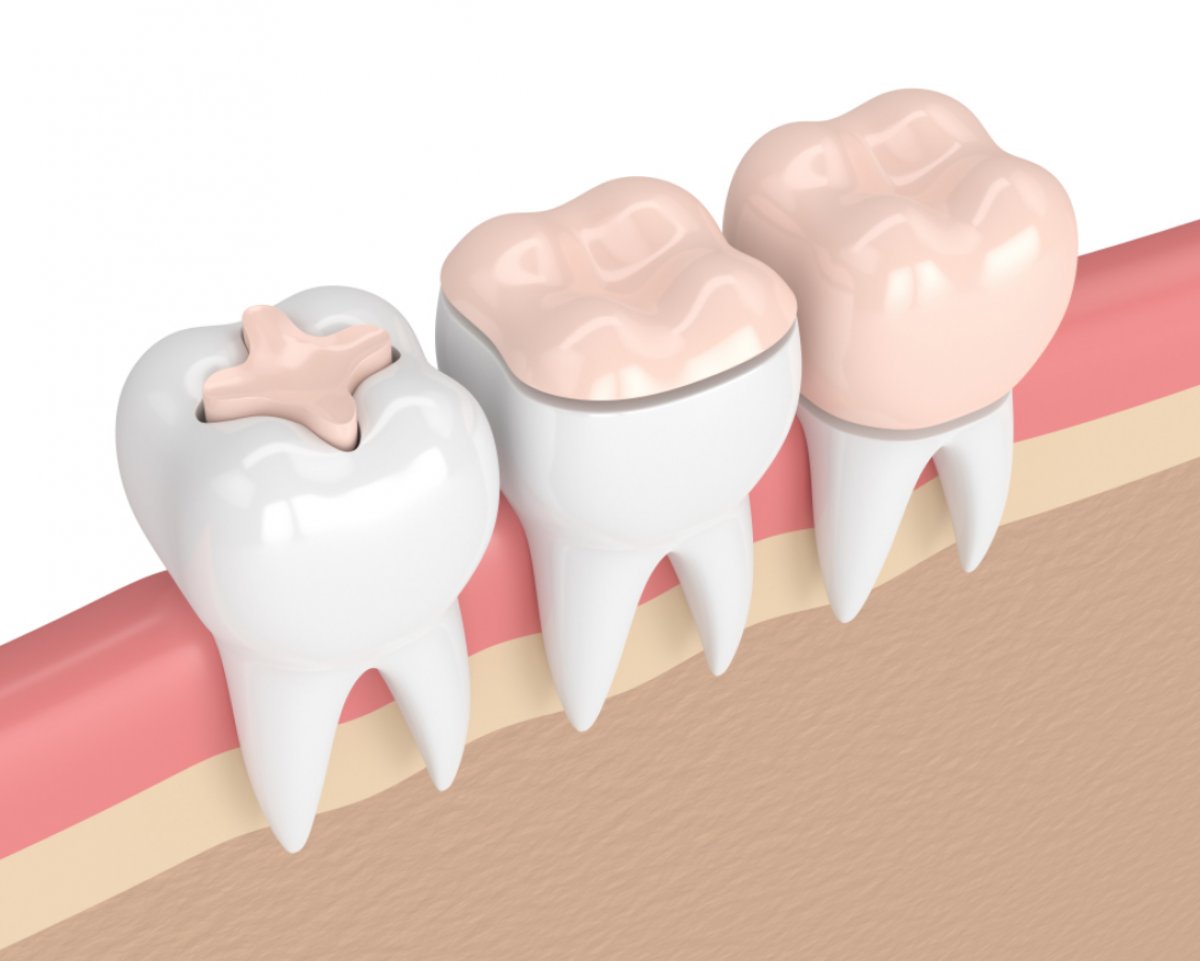
- Other applications that contain metal, such as orthodontic treatment with wires, bridges or old fillings, should also be mentioned to the radiology team.
If you do not know which implant is made of which material, you can contact the clinic where you were treated and ask for information.
Does MRI harm the implant
An MRI device is not a procedure designed to disturb the place of an implant made of non-magnetic materials such as titanium and zirconium in the jawbone. An implant fused with the bone is not expected to move during an MRI.
The point to pay attention to is the structures on top of the implant. If there is an attachment containing a magnet or a removable prosthesis, how it will behave in the magnetic field is evaluated separately. For this reason, saying “I have an implant” may not be enough on its own; it is necessary to describe all the parts in the mouth.
Does an implant distort the MRI image
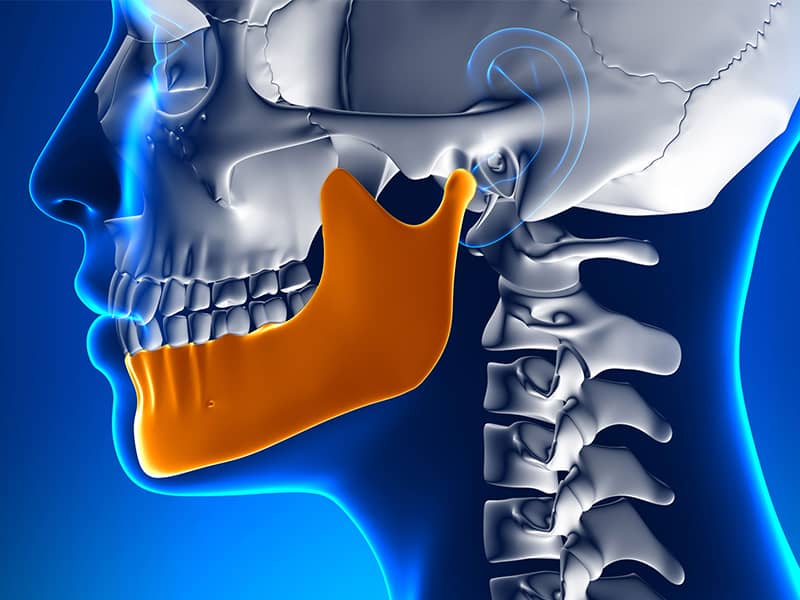
An implant can create distortion around it in the MRI image; this effect is most noticeable in scans of the head, neck, jaw and face area. Metal parts can create dark or distorted areas near the implant in the image.
In scans of areas far from the mouth, such as the brain, knee, spine or abdomen, this effect is generally much smaller. If an area close to your jaw will be imaged, the radiology team can adjust the scan settings accordingly and, if needed, recommend another imaging method.
Informing the dentist and the radiology team before MRI
Yes, it is right to tell the radiology team about your implant before the MRI. A special separate method may not be needed for patients with implants, but the information helps the scanning team make the right decision.
- At the appointment and on the MRI form, state your dental implant, your bridge or prosthesis and, if any, your orthodontic wires.
- If you use a prosthesis with magnets, be sure to say so.
- If you have a card or document given to you by the clinic that placed the implant, keep it with you.
- On points you are not sure about, consult the dentist who placed the implant.
Which imaging is used in implant planning?
Panoramic X-ray and dental tomography are the most used in implant planning; MRI is not routinely the first choice for this purpose. To see the height and width of the jawbone and its distance to structures such as the nerve and sinus, imaging that shows bone detail is needed.
You can read which tests are done during the examination process in the article examinations done before implant treatment. The page on how implant treatment is done is also useful for the general flow of treatment.
The difference between panoramic X-ray, tomography and MRI
These three methods give different information: a panoramic X-ray offers a broad general overview, tomography shows the bone in three dimensions, and MRI is used more for evaluating soft tissues.
- Panoramic X-ray: Shows all the teeth and jaws in a single frame; used for the first evaluation. For details, you can look at the dental X-ray page.
- Dental tomography: Works with X-rays and does not use a magnetic field. It makes it possible to examine the bone structure and implant site in three dimensions. The article 3D jaw and tooth tomography explains this subject.
- MRI: Works with a magnetic field and radio waves; stands out in imaging muscles, nerves, joints and other soft tissues. Your dentist may request it in special situations such as the jaw joint.
It is important to know that tomography and MRI are different technologies; if you have an implant, having a tomography scan is also possible, and the implant site is already planned with this method.
What to do in case of doubt
If you are hesitant about an MRI scan, the right way is to consult both your dentist and the radiology team before the scan. Knowing which material is in your mouth makes the decision easier.
- Ask for implant and prosthesis information from the records of the clinic that placed the implant.
- When booking the MRI appointment, state your implant and prostheses by phone or on the form.
- If you feel discomfort, heating or squeezing in the mouth during the scan, tell the team immediately.
Frequently asked questions
Can you have an MRI with an implant?
In most cases yes, people with dental implants can have an MRI. Still, you need to inform the radiology team about your implant and other metal parts in your mouth.
Does MRI harm the implant?
An implant made of materials such as titanium and zirconium and fused with the bone is not expected to be harmed by MRI. If there are prosthesis parts with magnets, they are evaluated separately.
Does an implant distort the MRI image?
In the MRI image of areas close to the implant, such as the jaw, face and neck, there may be distortion around the implant. In scans of areas far from the mouth, this effect is generally very small.
Do I need to mention the implant before an MRI?
Yes, it is right to report your implant, your prostheses and, if any, your orthodontic wires before the MRI. This information helps the team plan the scan correctly.
Which imaging is used in implant planning?
Panoramic X-ray and dental tomography are generally used in planning. Your dentist decides which imaging is needed after the examination.
Next step
If you have an MRI planned with your implant, or if you would like to find out which imaging is needed before implant treatment, you can talk to our dentist team. For an appointment and information, reach us through our contact page.