How to Care for Full Mouth Implants?
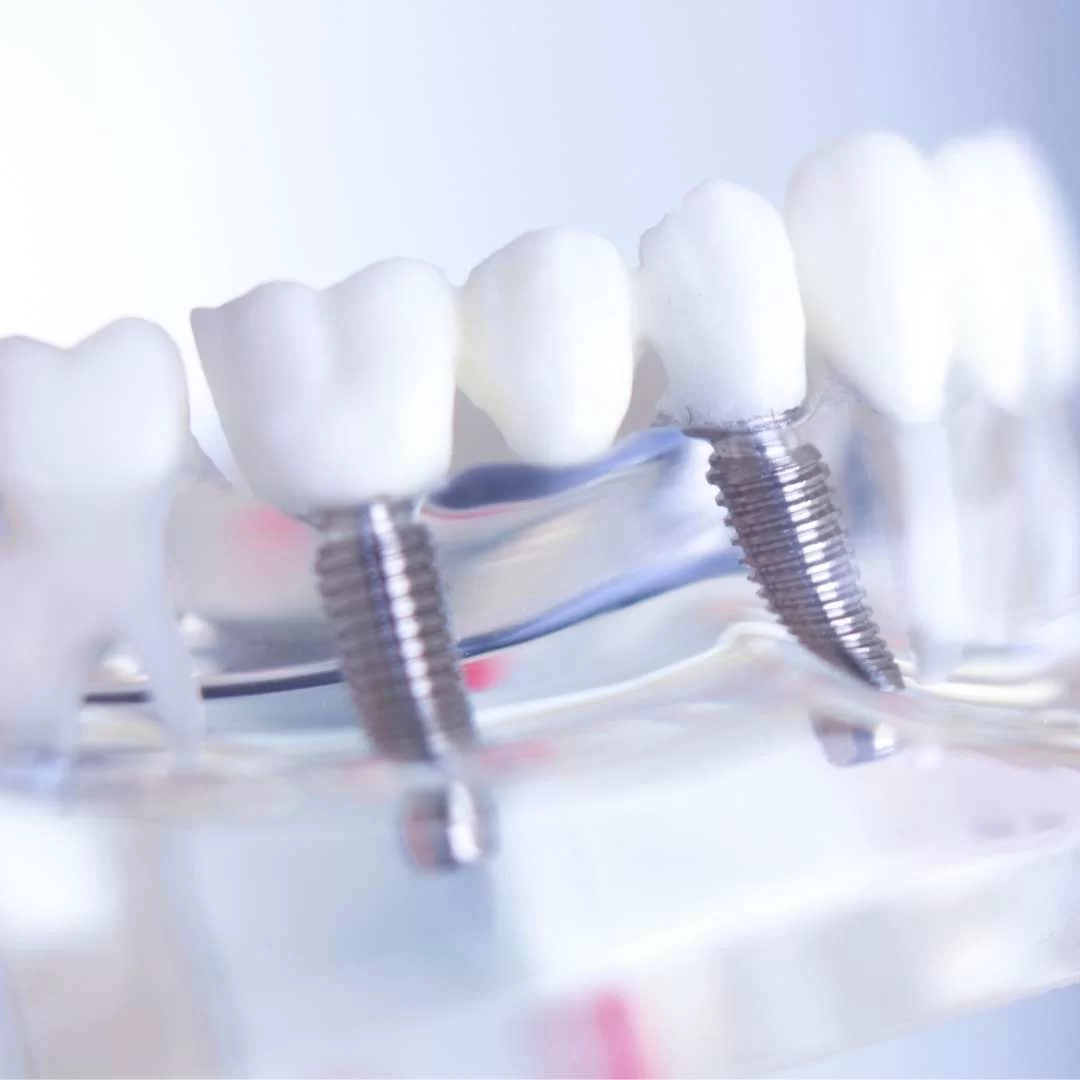
The titanium root-supported restorations applied in the case of total edentulism, where all teeth in the jawbone are lost, are advanced prosthetic systems that biologically reconstruct the chewing mechanism, phonation ability, and structural support of the facial skeleton in compliance with biological norms. With the completion of the surgical phase and the osteointegration (bone healing) process, the most common medical concern for patients is how these inorganic materials will be preserved against the vast microbial ecosystem in the oral cavity.
How to Care for Full Mouth Implants and What Steps Does the Daily Hygiene Routine Include?
The titanium artificial roots placed in the jawbone are inorganic and are not subject to microbial acid erosion (caries). However, the gum mucosa that surrounds these materials and the underlying supporting bone are living biological tissues that respond to bacterial attacks. Millions of microorganisms present in the oral flora, combined with food residues, form a sticky film called “biofilm” (bacterial plaque) on the prosthetic surfaces and the gum line.
This biofilm layer, if not removed from the environment through mechanical cleaning (brushing) within a twenty-four-hour cycle, combines with the calcium and phosphate ions in the tooth, hardening it. This hardened structure is referred to as “dental calculus” (tartar) and cannot be removed by the patient’s efforts alone. In full jaw restorations, the primary medical function of daily hygiene routines is to regularly eliminate the plaque every twelve hours before it has time to turn into dental calculus.
What Medical Tools Are Recommended for Full Jaw Implant Care at Avrupadent Clinics in Izmir?
Corporate medical organizations evaluate the care of full jaw restorations as a separate category from standard dental brushing. Zirconium or metal-supported porcelain bridges that cover the entire jaw are all-in-one structures that are interconnected (splinted). This design provides excellent biomechanics to balance chewing forces while making it impossible to pass dental floss between the teeth using classic methods.
| Medical Tool | Clinical Use Area | Biological Function and Medical Contribution |
|---|---|---|
| Oral Irrigator (Water Flosser) | Narrow and long cavities remaining between the prosthetic body (pontic) and the gum mucosa. | By creating a liquid turbulence, it destroys anaerobic bacteria that thrive in oxygen-free environments, and supports mucosal perfusion. |
| Superfloss Dental Thread | Around the neck (collar) area of the titanium root and the connecting (abutment) parts. | It passes through the prosthetic base with a hard tip, mechanically removing plaque by wrapping the spongy part around the titanium area. |
| Interface Brushes | Wide spaces (embrasures) remaining between two artificial roots or beneath the prosthetic bodies. | Metallic brushes with plastic coating spray the coarse food particles in the area without scratching the porcelain surface. |
What Biological Contributions Does the Water Flosser Offer to the Care Process in Full Jaw Implants?
In complete cleanliness restorations (All-on-4, All-on-6, or traditional 8-unit systems), the design of the prosthetics generally takes the form of a “hygienic body” that minimally touches or sits lightly on the gum tissue without fully engaging the tissue. This design creates an anatomical limitation that prepares the ground for food residues to get trapped in between. The bristles of an ordinary toothbrush cannot physically enter these horizontal tunnels.
The organic waste accumulating at these critical points ferments with the oral fluid, resulting in the release of acidic and toxic byproducts. Oral flushing devices create micro-vortices (turbulences) in these enclosed cavities with pulsatile water waves they emit. Not only does this system remove waste but it also carries a substantial amount of oxygen to the area. Since a significant portion of the bacteria that cause gum diseases exist in an oxygen-avoiding (anaerobic) form, this flushing action disrupts their cellular integrity and limits their proliferation.
How Should Interdental Brushes and Superfloss Be Used Under Prosthetic Bodies?
One of the most common mistakes encountered in dental clinics is that patients assume they have completed the cleaning of their full denture prostheses by brushing only the visible front surfaces. However, bacterial plaque organizes much more rapidly on the inner surfaces facing the tongue and the surface where the gum and the prosthesis meet. Superfloss dental threads are designed specifically as a medical tool for this architectural challenge.
When using the Superfloss thread, the three sections of the fishing line are pushed towards the other side of the gum tissue level (on the horizontal axis). When the thread is pulled from the opposing side, the thick, sponge-like fibrous titanium material reaches the neck area. The patient lightly stretches the thread from right to left, wiping around the titanium like a wrapping cloth. In the use of interface brushes, the brush’s diameter (ISO number) must fit perfectly into the gap. While a very thin brush disc cannot be obtained, forcibly pushing a very thick brush prepares the ground for tears and bleeding in the gum mucosa.
Why Does Toothbrush Selection Have Clinical Significance in Maintaining Full Jaw Implants?
While natural teeth are held to the jawbone by flexible fibers, the gum tissue that covers them (keratinized tissue) is very tightly constructed on the tooth. In titanium artificial roots, however, this mucosal connection is shaped as a much more delicate biological seal (gasket). If the patient uses hard brushes and applies strong pressure horizontally on the gum, this biological seal will gradually detach over time and be pulled away in a downward direction.
When the gum tissue is removed, the metallic gray surface of titanium is exposed to the oral environment. This porous titanium surface is much more suitable for plaque retention since it is not as porous as porcelain or zirconium. To prevent retraction, round-ended (flat-trim) brushes should be preferred, and the brushing process should be performed using the “Suction Technique” (one-way direct from gum tissue to tooth) or the “Modified Bass Technique” (slight vibration at a 45-degree angle forming the gum tissue). If spiral brushes are used, models with a pressure sensor should be selected to keep the force applied to the tissue within medical limits.
How Does Peri-Implantitis (Inflammation) Develop When Care for Full Jaw Implants Is Neglected?
Peri-implantitis is the most insidious and destructive physiological process that threatens the biological lifespan of artificial root systems. When the gum becomes inflamed around natural teeth, the tissue swells, turns red, and bleeds during brushing, providing an “alarm” to the patient. However, since the vascularization around the artificial roots is not as rich as that of natural teeth, inflammation often progresses quietly, without acute symptoms such as bleeding or pain.
- Peri-Mucositis (Initial Stage): Plaque accumulation affects only the soft tissue (gum). There is no melting in the bone yet. In this stage, the situation can be completely reversed with professional cleaning and increased oral hygiene.
- Bacterial Invasion: When the gums are weakened, bacteria begin to progress towards the jawbone through the titanium threads.
- Bone Resorption (Peri-Implantitis): While the body’s immune system fights bacteria, it also harms its own bone cells (through osteoclastic activity). The titanium material that erodes loses its stability and starts to wobble. When bone loss exceeds a certain limit, the removal of the material from the mouth becomes a medical necessity.
How Do Toothpaste and Chemical Rinses Affect Titanium Materials?
Many of the toothpastes marketed in the oral care industry as “instant whiteners” or “stain removers” contain hard inorganic particles such as carbonate, silica, or aluminum oxide. These particles physically scrape away stains on natural enamel surfaces like sandpaper. However, when these coarse particles come into contact with laboratory-fired zirconium or porcelain surfaces, they can exceed the smooth glaze layer on the prosthesis.
The surface layer of the prosthesis now has a porous microscopic base and absorbs food dyes and tea-coffee stains much more rapidly than before. This cleaning action can increase the rate at which the prosthesis becomes dirty in the long run. Mouthwashes (especially those based on chlorhexidine) are used only to limit bacterial load during the healing phase following surgical operations. Due to the potential long-term use affecting taste receptors and causing brown discoloration on the prosthesis, they should be evaluated not as part of a daily routine, but during the medical periods prescribed by the doctor.
Why Are Professional Doctor Checks an Indispensable Part of the Maintenance Cycle for Full Jaw Implants?
Complete dental restorations are engineering marvels that create balance in chewing activity and eliminate occlusal height from zero. However, the cumulative force applied by jaw muscles over the years can lead to wear of the prostheses or minor deviations in the jaw joint. The human body is mobile; the assumption that “once installed, it will remain the same for a lifetime” cannot be reconciled with biological realities.
Doctor visits are structural check-ups of the system. The dentist enters the areas of the sulcus (gum pockets) that cannot be reached by the hospital’s home devices with special teflon or carbon cleaners that do not touch the titanium surface and removes hardened microbial deposits using cavitation (sound wave) methods. Simultaneously, the closing of the jaw is tested with colored heating sheets; if excessive weight is applied to one corner of the prosthesis, that area is ground to a micron level to normalize the force distribution. These professional interventions prevent fatigue fractures in titanium connecting screws.
How Do Maintenance Practices for Movable (Overdenture) Full Jaw Implants Differ from Fixed Prostheses?
The movable prostheses applied in full jaw restorations are primarily planned to provide anatomical lip support, especially in elderly patients or in cases of severe bone loss. The greatest medical advantage of these systems is their cleanability capacity. While getting to the dark areas under fixed bridges requires special skills, the movable prosthesis offers a form that can be washed in every direction in the palm of the patient when taken out of the mouth.
When using the prosthesis, it is essential to avoid harsh brush impacts to protect the nylon or Teflon retaining seals (O-rings/locator parts) inside. For cleaning the prosthesis, non-granular liquid soaps and special cleaning tablets for dentures should be used instead of abrasive pastes. The metal heads that are fixed to the jawbone inside the mouth (attachments) should be brushed twice a day, just like natural teeth, to help cleanse the gum tissue in that area of any infection.
How Do Smoking and Dietary Habits Affect the Maintenance Performance of Full Jaw Implants?
The oral flora is directly influenced by the individual’s systemic habits and regional diet. Smoking reduces the oxygen levels in the mouth, creating an excellent breeding ground for bacteria that thrive in an “anaerobic” environment, leading to bone loss. Furthermore, due to the vasoconstrictor effect of nicotine, even if the gums of smokers become inflamed, they do not bleed; this leads to the misconception that their “gums are healthy” and may cause them to relax their brushing routine.
Nutritional habits also leave traces in the surface anatomy of the material. Highly acidic beverages can prepare the surface for erosion by microscopically disrupting the ion balance in the porcelain’s glaze. Foods high in carbohydrates and starch adhere more easily to the areas under the prosthesis. Medical organizations adopt a strategy of limiting the control period for individuals with these lifestyle factors to every three or four months, to mitigate subtle microbial attacks before they begin.