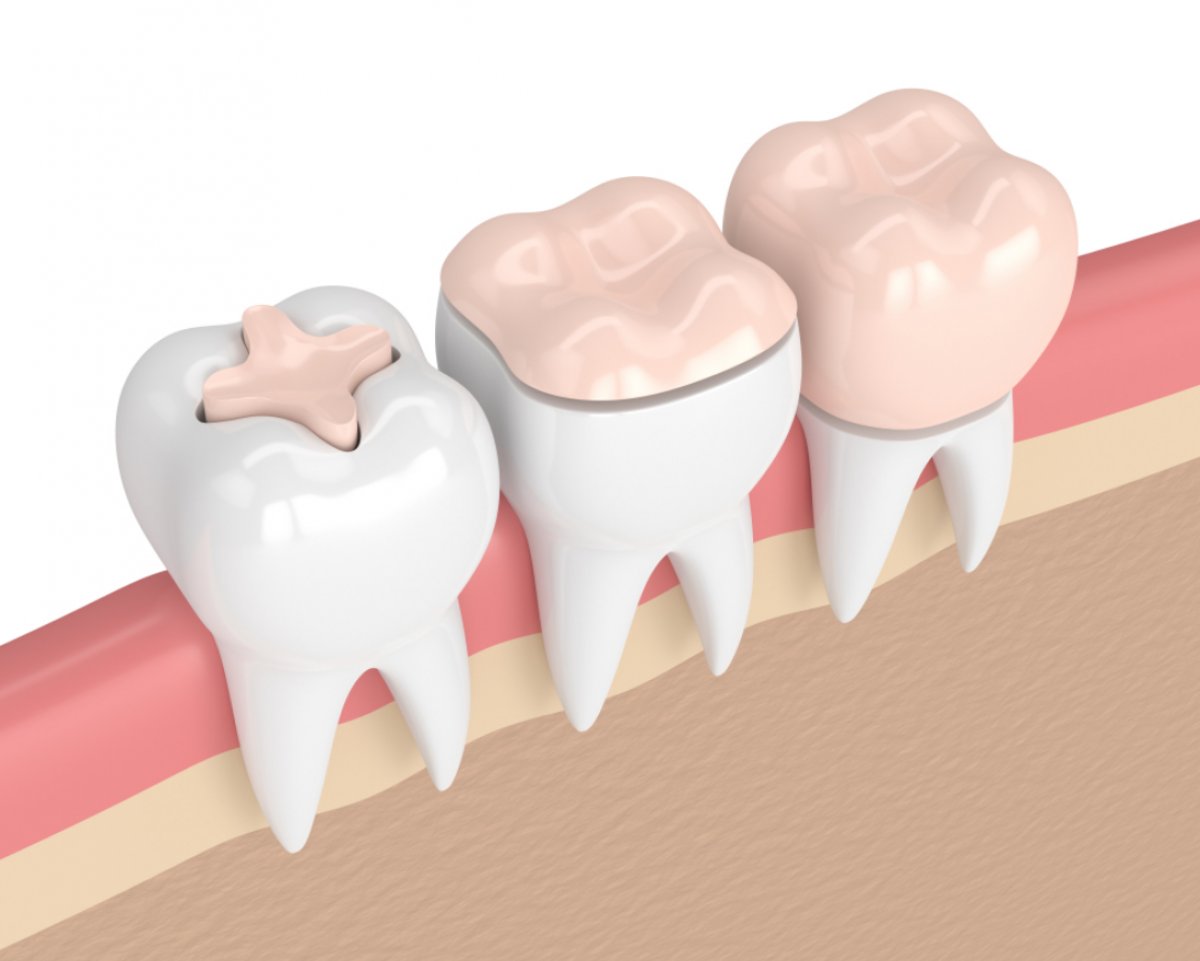
A faulty dental filling manifests itself over time with certain symptoms. Sudden pain felt while chewing, excessive sensitivity of the filling to hot and cold foods, and hard particles felt at the tooth edges due to cracks or voids in the filling are among these symptoms. Such symptoms indicate that the filling is damaged or displaced. A person encountering such a situation should not waste time and should immediately consult a dentist to prevent the formation of more serious dental issues. Early detection of a faulty filling is important for maintaining health.
How Does Tooth Sensitivity Indicate a Problem with Fillings?
Sensitivity following a dental filling may be a sign of potential problems experienced in the filling, and this is a situation that should be taken seriously for dental health. One of the most common causes of sensitivity is temporary irritation of the nerves in the tooth during the filling procedure. This irritation can lead to sensitivity when the tooth’s nerves come into contact with hot, cold, or sweet foods and drinks. Additionally, various problems that can occur in the filling may also cause sensitivity.
Possible causes of sensitivity include:
-
\t
- Nerve irritation
- Incorrect bite adjustment
- Deterioration of the filling over time
- Reduction of composite fillings
\t
\t
\t
Understanding whether tooth sensitivity stems from the filling is important for dental health. Sometimes sensitivity may manifest as a temporary condition, while at other times it may require re-evaluation of the filling. Particularly, fillings that have errors in bite adjustment or have deteriorated over time may cause continuous sensitivity in the tooth.
Can Changes Observed in the Filling or Tooth Surface Indicate Problems?
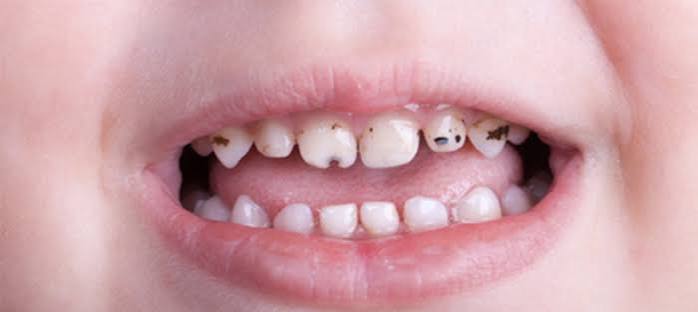
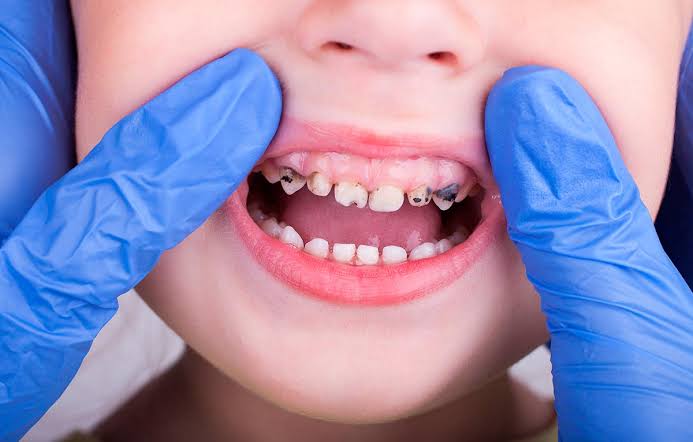
Changes visible on the tooth surface, either in the filling or around it, can be indicators of underlying issues. Especially differences in color may show that the filling or tooth has suffered damage and the risk of decay has increased over time. Staining observed on filled teeth can indicate weakening of the surrounding structure and that the tooth has started to decay. Over time, these damages allow bacteria to penetrate more easily into the filling and tooth structure. In this case, certain structural and functional changes around the tooth filling can be observed:
- Color change
- Cracks
- Rough edges
- Staining
If these types of changes are not noticed in time and intervened, the decaying process of the tooth can accelerate and the risk of infection increases. Especially cracks on the filling surface can allow bacteria to reach the tooth’s nerve tissue, which may result in tooth pain. Rough or sharp edges on the filling can promote plaque buildup, leading to gum inflammation and gum recession. Such issues on the filling or tooth surface can threaten the health of the tooth as well as being aesthetically displeasing.
How Does Pain During Chewing Play a Role in Identifying a Faulty Filling?
Pain felt while chewing may indicate an issue with a dental filling. An incorrect filling can lead to discomfort by applying pressure incorrectly on the tooth. This situation is usually related to the filling being too high or improperly shaped. A problematic filling can cause excessive pressure on the tooth and lead to structural damage. Additionally, a loosening or cracking of the filling can allow harmful bacteria to enter the tooth, potentially causing secondary infections. When these secondary infections reach the nerves of the tooth, the pain during chewing can become more intense.
Symptoms may include:
- Sharp pain while chewing
- Extreme sensitivity to hot or cold foods
- Flecks or pits felt around the filling
- Visible cracks or gaps in the filling
Another indication that a dental filling is not working properly is an increasing feeling of discomfort around the filling. This discomfort can be intensified by the involvement of nerve tissue beneath the filling. In such cases, it is essential to consult a dentist to protect the tooth’s health and prevent more significant problems. If an incorrect filling is not addressed in time, it can lead to serious consequences, including tooth loss.
How is Bad Breath or Unpleasant Taste Related to a Faulty Filling?
A faulty dental filling can manifest as bad breath or an unpleasant taste in the mouth. This may arise from various causes, each potentially negatively impacting dental health. Bacteria accumulating around the filling or the formation of cavities can disrupt oral hygiene and lead to changes in odor and taste. In particular, looseness or cracks in the dental filling create an ideal environment for bacterial accumulation, which over time becomes the primary source of bad odor. The potential impacts of these issues are as follows:
- Bacterial buildup
- Unpleasant odor
- Unpleasant taste
- Metallic taste
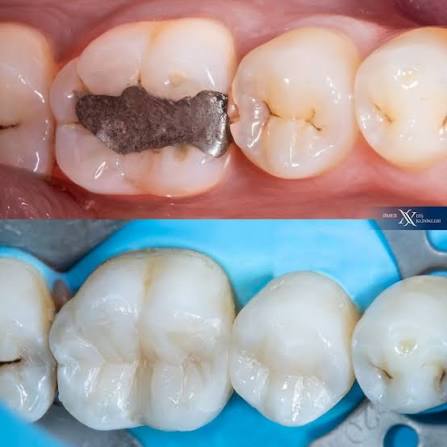
Additionally, in cases where amalgam fillings are used, metal ions may be released over time, leaving a persistent metallic taste in the mouth. These taste changes can become more pronounced, particularly due to galvanic reactions, and can leave an unpleasant sensation in the mouth. The formation of secondary cavities is another cause of bad breath, as bacteria that progress into the interior of the tooth contribute to bad odor.
Bad breath or unpleasant taste not only affects social life but also indicates a serious issue for a person’s overall oral health. The appearance of these symptoms suggests that the filling may need to be replaced or treated.
Why is it Important to Address a Faulty Dental Filling Quickly?
Rapid treatment of a faulty dental filling is crucial for dental and overall health. A damaged filling leaves the tooth defenseless against external factors, which can lead to various complications. When a filling cracks or becomes loose, bacteria can easily seep into the tooth, increasing the risk of serious decay. If bacteria reach the tooth nerve, the likelihood of infection rises, making intervention necessary. The problems that may arise if a faulty filling is not treated include:
- Tooth decay
- Nerve infection
- Need for root canal treatment
- Risk of tooth extraction
- Infection that can spread to surrounding tissues
- Tooth fracture
- Tooth loss
To prevent these problems, the condition of the filling should be continuously monitored and any signs of damage should be reported to a dentist. Timely interventions will help preserve not just the filling but the entire tooth structure. By maintaining the healthy tooth structure, more costly and difficult treatments that may arise in the future can be avoided.