How is aesthetic restoration planned for worn teeth?
Loss of tissue in the oral cavity, teeth, and jaw structure over time can lead not only to visual discord but also to complex clinical situations directly affecting jaw closure relationships, phonetic functions, and joint health. The abrasion of the hard tissues of the teeth by mechanical or chemical factors leads to the thinning of the enamel layer and exposure of the underlying yellowish dentin tissue. This situation causes individuals to feel sensitivity in their daily lives and can result in skeletal collapse in the lower part of the face due to the shortening of tooth heights. In prosthetic dentistry, Aesthetic Dentistry disciplines adopt a biomechanical approach that balances masticatory forces while restoring the anatomical form of worn teeth.
The strategy to be followed in the restoration of worn teeth requires a multifaceted clinical assessment rather than random material selection. The dentist determines the fundamental cause of wear by thoroughly questioning the patient’s tooth grinding habits, dietary habits, and acid exposure history. Current Esthetic Dentistry protocols, digital workflows, and three-dimensional scanning systems allow for the precise measurement of the vertical dimension lost by the patient. These comprehensive processes followed under Avrupadent clinical standards prioritize the preservation of tooth roots and surrounding bone tissue during the replacement of worn tissues.
What Physical and Chemical Reasons Cause Wear in Teeth?
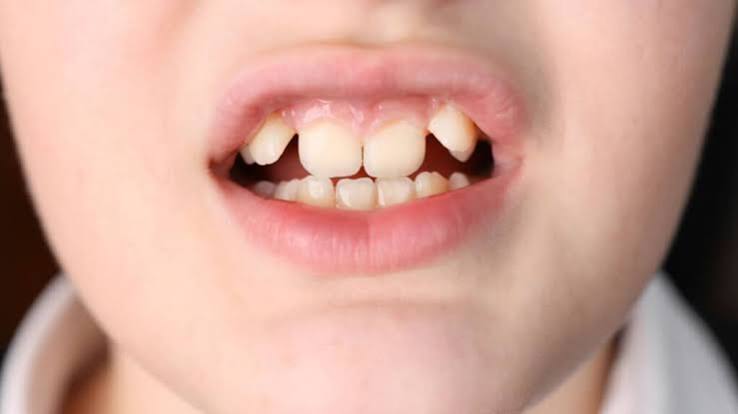
The loss of dental tissue is examined in various categories according to its etiological causes in the medical literature. Attrition typically occurs as a result of tooth grinding and clenching activities performed either during the day or at night without awareness, leading to the mutual abrasion of the biting and chewing surfaces of the upper and lower teeth. In this process, the incisal edges of the teeth shorten in a uniform line. Abrasion, on the other hand, is a mechanical tissue loss caused by using incompatible, hard-bristled toothbrushes with excessive pressure through horizontal movements or the introduction of inappropriate devices between the teeth.
In cases of erosion, without mechanical abrasion, it is the acidic foods, carbonated beverages, or systemic discomforts such as reflux that cause stomach acids to come into contact with the mouth environment and dissolve the crystal structure of the enamel. Acid softens the enamel; the softened enamel layer can easily detach and disappear even from light brushing or chewing pressure. Correctly diagnosing the source of wear constitutes the first and most critical step in restorative planning; because no filling or covering done without stopping the source can offer long-term success.
How Does Vertical Dimension Loss (VDO) Affect the Jaw Joint and Facial Aesthetics?
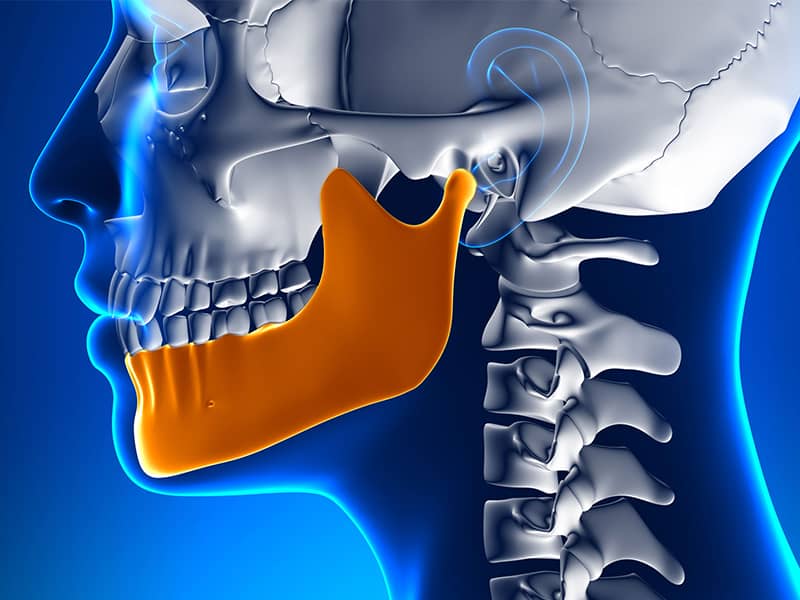
The lower third of the human face is supported by the length of the teeth and the height of the jaw closure (vertical dimension). As a result of years of wear, when the teeth have shortened by a few millimeters, the lower jaw moves upward and forward. This skeletal approach weakens the natural cushion mechanism that supports the lips from within. The lips thin out, deep creases (marionette lines) form at the edges of the mouth, and the face takes on a look that appears older than it actually is.
Functionally, the reduction of the vertical dimension forces the temporomandibular joint (TMJ) and the chewing muscles (masseter and temporal muscles) to work in a compromised position. The muscles must contract more than normal with each closure, setting the stage for chronic headaches, neck tensions, and displacements of the joint discs. When planning aesthetic restorations on worn teeth, the prosthetic restoration of this lost vertical dimension is a fundamental medical goal that balances facial aesthetics and brings the musculoskeletal system back to its physiological position.
| Anatomical Area | Impact of Vertical Dimension Loss | Restorative Correction Objective |
|---|---|---|
| Temporomandibular Joint (TMJ) | Excess pressure on the joint disc causes sounds and muscle spasms. | Relieving the joint by increasing the closure height. |
| Facial Profile | lips are inwardly collapsed, the chin tip approaches the nose, creating an aged appearance. | Increasing lip support to balance the vertical proportion of the face. |
| Tooth Structure | Enamel erodes, exposing dentin, leading to sensitivity and fractures. | Reproducing the lost volume with biocompatible ceramics. |
What Prosthetic and Conservative Options Are Considered in Treating Worn Teeth?
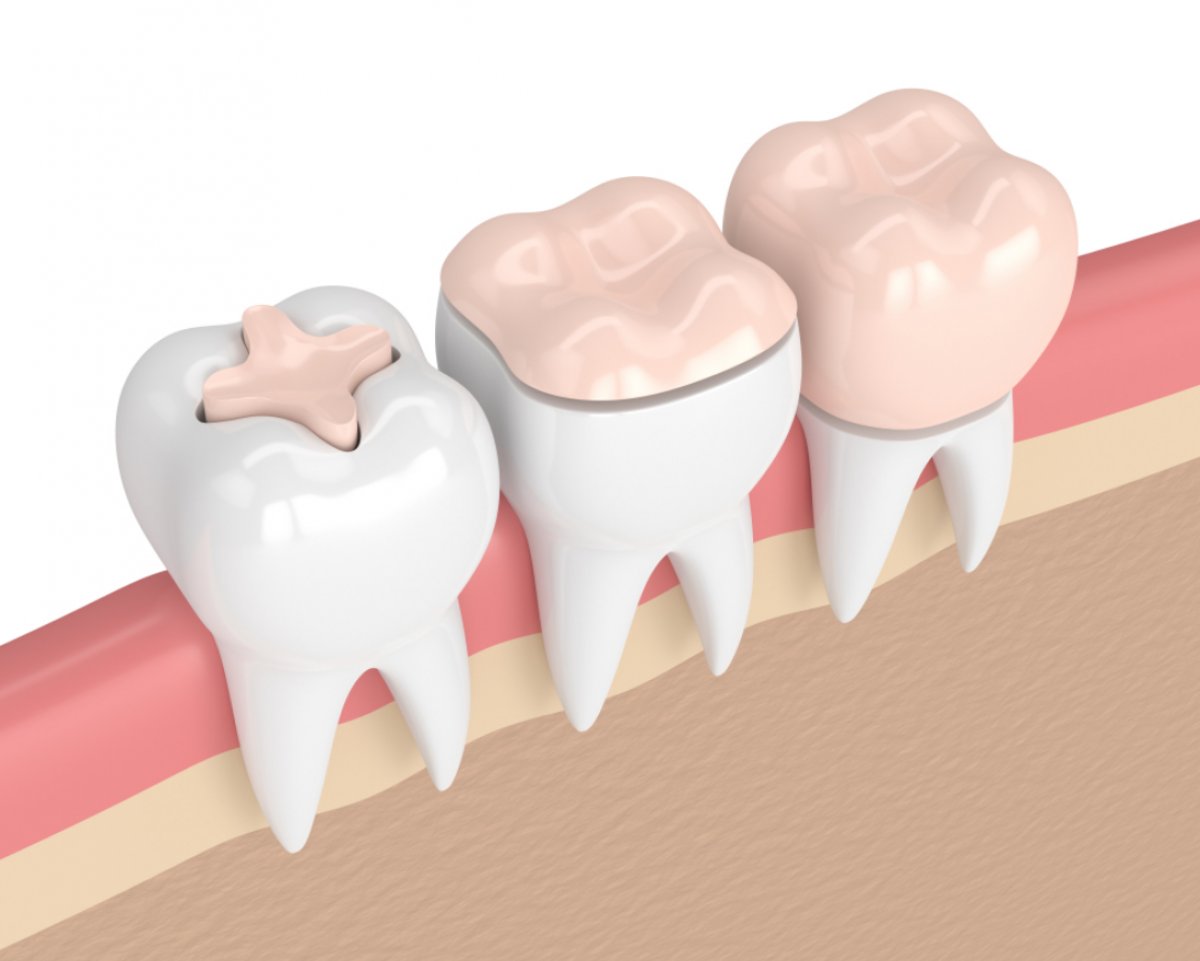
In restorative dentistry, the extent of wear determines the boundaries of the method to be applied. In cases of mild and moderate wear, composite resins or thin ceramic materials are preferred, with minimal material removed from the tooth structure (or occasionally not touching it at all). In severe cases involving extensive wear across all teeth, it may be necessary to cover the occlusal surfaces of all teeth with porcelain crowns or occlusal veneers to increase vertical dimension.
The dentist simulates how the new tooth heights will conform to jaw movements by examining the patient’s occlusion models in a laboratory environment using devices called articulators. In these comprehensive rehabilitation approaches, a multidisciplinary strategy is employed to simultaneously restore both the aesthetic form of the teeth and chewing efficiency. The aim is to provide a long-lasting function by blending the quality of the materials with the patient’s chewing mechanics.
What Steps are Taken in Composite Additions (Direct Bonding) for Wear Cases?
In cases of mild and moderate attrition or erosion, it is a priority from a preventive dentistry perspective to nourish the areas affected by wear through direct composite bonding applications instead of cutting all teeth with crowns. In this method, no over-reduction of the enamel is performed; only microscopic pores are created on the surface with the help of acid. The dentist adds layers of composite resins particularly to the incisal edges of the anterior teeth and to the chewing surfaces of the posterior teeth.
Direct addition techniques provide cost advantages for the patient while allowing the vertical dimension to be tested in a single session or short appointments. Since composite materials closely match the tooth’s own elasticity modulus, they absorb chewing forces well. However, if the source of wear, which is the teeth grinding problem, is not brought under control, wear may occur over time on the composite additions; therefore, the treatment process is supported by protective night plates.
How Are Full Ceramic and Zirconium Crowns Positioned on Worn Teeth?
In advanced wear cases where the enamel layer of the teeth has completely eroded, exposing dentin surfaces that peak sensitivity and fracture risk, composite fillings may be insufficient in terms of mechanical resistance. In such extensive cases, crown restorations that provide full protection around the tooth are planned. Due to its high fracture resistance, zirconium dioxide offers a robust infrastructure against the intense chewing forces in the posterior region.
When crowns are placed, the previously calculated amount of increase in vertical dimension is reflected in the model during the laboratory phase. When the newly produced zirconium or full ceramic crowns are bonded to the tooth, the lower jaw reaches its ideal physiological position. This position not only relaxes the jaw joint but also eliminates the sunken expression in the patient’s facial profile, giving a more dynamic aesthetic appearance.
How Is Restorative Planning Done for Individuals with Jaw Clenching (Bruxism) Habit?
Bruxism, which is the most common cause behind tooth wear, is the critical parameter that directly guides treatment planning. Any restorations done without addressing or controlling the teeth grinding issue are at risk of fracturing or eroding under high mechanical stress in a short time. Therefore, dentists tend to opt for materials that prioritize both aesthetics and strength for bruxism patients.
During the planning phase, the occlusal plane is redesigned to balance the activity of the chewing muscles. Hard-surfaced and wear-resistant materials like zirconium are preferred. After treatment, to protect ceramic structures during teeth grinding at night, personalized transparent night protection plates (splints) are prepared for the patient. This multidisciplinary approach is a fundamental rule that supports the use of restorative investments for many years without damage.
How are Digital Dentistry and CAD/CAM Systems Used in Erosion Cases?
The rehabilitation of lost dentures requires high precision as it involves mathematically calculating the original vertical dimension and tooth forms. Traditional measuring methods may struggle to fully capture the intricacies of lost and precise teeth. Digital scanners, however, can transfer all information to the screen with precision below a millimeter.
On the software, the original forms of the teeth prior to loss are reflected virtually on the screen, referencing the patient’s facial photographs and youth photographs (if available). The porcelain crowns or occlusal veneers produced through this virtual model are processed in CAD/CAM milling devices and applied to the patient. Digital workflows reduce the time spent in the clinic while increasing the fitting ratio during trials, facilitating the solution of loss cases.
What Protocols Are Followed for Restorations of Lost Teeth in Avrupadent Clinics?
In corporate medical service standards, the dynamics of the patient’s jaw closure and joint health are always prioritized over aesthetic goals. The process begins with identifying the source of loss (acid erosion, bruxism, etc.), and after necessary precautions are taken, restorative phases are initiated.
Throughout the treatment duration, the patient’s phonetic (speech) and aesthetic compatibility is tested using temporary restorations. This controlled clinical workflow secures both the functional health and natural aesthetics of lost teeth in the long term.
What Are the Frequently Asked Questions?
1. Why do dental abrasions increase over time?
When the enamel layer erodes and exposes the underlying soft dentin tissue, the process accelerates because dentin wears down faster than enamel.
2. Do abraded teeth cause aesthetic restorations to hurt?
Procedures are performed under local anesthesia and according to tissue-preserving principles, so discomfort is not felt during the operation; however, there may be temporary sensitivity after the procedure.
3. How is vertical dimension loss experienced?
As the teeth shorten and the jaws come closer together, the lips become sunken, and the increase of wrinkles around the mouth creates an aged appearance.
4. Can restorations be made without treating bruxism (teeth grinding)?
Restorations made without controlling the source of teeth grinding are likely to break under high pressure; therefore, treatment must be supported by protective measures such as night guards.
5. How long do composite bonds last on abraded teeth?
As long as proper occlusal balancing is performed and a night guard is used, composite additions can serve for many years, and worn areas can be easily repaired in the clinic.
6. Why are zirconium crowns preferred on abraded teeth?
Due to their high fracture resistance and mechanical strength against abrasion, they provide a solid foundation for posterior and anterior teeth that experience severe material loss.
7. How can teeth affected by acid erosion be prevented?
Consumption of acidic beverages should be limited, health issues such as reflux should be treated, and instead of brushing immediately after acid exposure, the mouth should be rinsed with water.
8. Is it necessary to cut teeth in bite treatments?
In every case, it is not necessary to cut teeth; in mild and moderate cases, composite fillings or thin occlusal veneers can be planned without touching the dental tissue.
9. Does increasing vertical dimension affect speech?
In the first days, there may be slight differences in speech due to the change in vertical dimension, but the tongue and lips quickly adapt to this new height.
10. Why is digital scanning advantageous for worn teeth?
By accurately capturing the anatomy of precise and worn surfaces, it allows for the millimeter calculation of vertical dimension in the laboratory and facilitates compatible production.
11. How is sensitivity addressed in worn teeth?
Sealing the dentin tubules remaining in the cavity with composite, bonding, or porcelain restorations eliminates hot and cold sensitivity.
12. Is it mandatory to use a night guard after treatment?
Especially for individuals with teeth grinding habits, using a night guard is important to protect the longevity of new ceramic or composite structures.
13. What determines the cost of bite treatment?
The cost is shaped according to the prevalence of substance loss, the method to be applied (whether composite bonding or full jaw crown rehabilitation), and the materials used.
14. How are bite cases handled according to Avrupadent standards?
By prioritizing jaw joint health and occlusal dynamics, worn teeth are rehabilitated with digital measurements and personalized prosthetic plans.
15. How should maintenance be after restorations are done?
Daily brushing and careful use of dental floss should be observed; periodic check-ups recommended by the dentist should not be neglected, and polishing and occlusion checks should be performed regularly.