What Are the Implant Options for Multiple Tooth Loss?
Tooth losses that occur consecutively or in different areas within the mouth are anatomical issues that directly affect not only aesthetic appearance but also the function of chewing, which is the beginning of the digestive system, and speech phonetics. In modern dentistry, implant treatments using titanium screws that are placed in the bone are applied to address such multiple tooth loss. In health institutions located in Izmir, different implant configurations can be planned based on the structure of patients’ jawbones and their overall medical histories within the framework of medical procedures.
What is Implant Treatment for Multiple Tooth Loss?
Implant treatment for multiple tooth loss; is the process of placing biocompatible titanium materials surgically into the jawbone as artificial roots, aiming to fill the gaps in the jawbone, restore chewing dynamics, and support surrounding tissues. This process aims to repair each lost tooth or large toothless areas.
These materials made from titanium alloys exhibit a high biocompatibility with the human body. After being placed into the jawbone, they interact with bone cells called osteoblasts, facilitating structural integration (osseointegration). The treatment applied in cases of multiple tooth loss not only replicates the visible portion (crown) of the teeth but also simulates the root structure, providing a functional stimulus to the jawbone. This physiological stimulus is one of the most significant medical factors that slow down the bone resorption process that may occur after tooth extraction.
What Implant Methods Are Preferred for Multiple Tooth Loss?
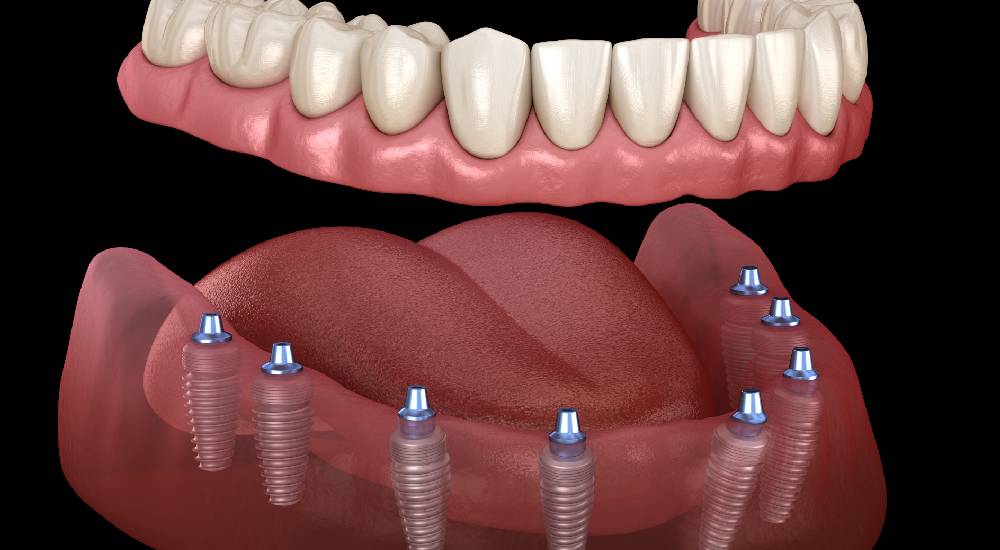
The preferred implant methods for multiple tooth loss; Depending on the number of missing teeth and the anatomy of the jawbone, each tooth may receive a separate individual implant, the combination of cantilever implants with a bridge prosthesis, or hybrid prosthetic systems that are fixed on four to six implants in cases of complete edentulism.
When planning, the critical data regarding how many teeth the patient has lost in succession is established. Doctors select the most biologically appropriate method among these options based on the volume of the soft tissues and bone in the mouth. A table explaining the fundamental dynamics of these options is presented below:
| Treatment Option | Application Status | Biomechanical Feature |
|---|---|---|
| Individual (Single) Implants | Multiple losses located at independent points or where the bone volume is quite favorable. | The goal is to carry the chewing load independently, similarly to the natural structure of each tooth. |
| Implant-Supported Bridges | Areas where three or more adjacent teeth are missing, but two implants can provide sufficient support. | Transfer of the chewing force is supported by implants positioned at strategic points to the body prosthesis in between. |
| Full Mouth Systems | Total edentulous cases where all teeth in the lower or upper jaw are lost. | The transportation of a full jaw fixed prosthesis is planned with 4 to 6 screws placed in the hardest anterior regions of the bone. |
Is It Necessary to Place a Separate Implant for Each Missing Tooth?
In cases where multiple adjacent teeth are missing, placing a separate implant for each gap is not biomechanically necessary; typically, bridges can be built over the implants placed at the starting and ending points of the edentulous area to fill in the gaps with a bridge body.
For medical requirements, it is mandatory to leave a certain distance (usually at least 3 millimeters) between two implants. If three consecutive teeth are missing, instead of placing three screws side by side, one implant can be placed in the regions of the first and third teeth, and a three-unit bridge prosthesis can be prepared over these two supports, which reduces surgical trauma and allows for the preservation of blood flow in the gum. Having excessive titanium material within the bone can negatively affect the bone nourishment in the area, so doctors establish a balance that ensures maximum transport capacity with minimal surgical area.
In Which Situations Is Implant-Supported Bridge Application Planned?
The implant-supported bridge application; is planned as a medical necessity in situations where it is undesirable to reduce natural teeth to make a traditional bridge, where there are at least three or more adjacent tooth gaps, and where the existing jaw bone only allows for the placement of implants at certain points.
This application operates on a principle similar to traditional dental-supported bridges; however, the supporting legs are not natural teeth but artificial roots embedded in the bone. It is especially commonly used in cases of missing posterior teeth (molar area). This method helps to fill the edentulous region while eliminating the necessity for the patient to use a removable (hooked) prosthesis. When designing the prosthesis, special hygiene distances are left to prevent food accumulation under the body, ensuring the preservation of tissue health.
What Imaging Techniques Are Used Before Multiple Implant Planning in Izmir?
In the medical processes in Izmir before multiple implant planning; beyond two-dimensional panoramic radiographs, three-dimensional Dental Volumetric Tomography (CBCT) systems showing sections of the jawbone from every angle and intraoral scanners are utilized.
Placing multiple implants in the same session requires extremely precise engineering and medical anatomy knowledge. Three-dimensional tomographs allow the physician to measure bone density millimetrically. The route of the main nerve canal that provides lip sensation in the lower jaw (mandibular canal) and the level of sagging of the sinus cavities in the upper jaw are mapped digitally thanks to these devices. In planning according to Avrupadent standards, these digital data are processed to simulate the diameter, length, and entry angles of screws in a virtual environment before the operation, minimizing the risks of complications during surgery.
How is Multiple Implant Applied in Cases of Jawbone Insufficiency?
In cases where the height or width of the jawbone is insufficient, multiple implant application; is performed after increasing the bone volume (augmentation) by adding biological or synthetic bone grafts (bone powder) and protective membranes to the relevant area.
When tooth loss is not treated for many years, the jawbone undergoes a physiological resorption process due to the lack of chewing force. For multiple implant surgeries, the bone must be thick enough to surround the titanium screw. During the operation, sterilized xenografts (biological bone powders) or alloplastic materials produced in a laboratory environment are placed in areas where sufficient bone is not available. In cases where augmentation is performed, the process of placing a prosthesis on the implants is planned to take a few months longer than normal cases, as bone cells need to synthesize this new structure.
Why is there a need for Sinus Lifting (Sinus Floor Elevation) Procedure?
The sinus lifting procedure; is necessary due to the loss of the large molars located in the back regions of the upper jaw, which causes the maxillary sinuses with air cavities to sag downward and completely eliminate the vertical bone distance where the implant will be placed.
In human anatomy, there are sinus cavities located directly behind the cheeks in the upper jaw. The roots of the teeth are adjacent to these cavities. When a tooth is extracted and the area remains vacant for a long time, the sinus membrane expands downward due to the effect of gravity. The bone thickness in the area can sometimes decrease to as low as 1-2 millimeters. In the sinus lifting procedure, under local anesthesia, the sinus membrane is carefully pushed upwards with special tools, and bone powder is placed in the opened space. This procedure, which can be performed with two different medical techniques, open and closed, is an important preparatory stage for multiple implant cases in the upper jaw.
What Are the Characteristics of Implant Treatment Compared to Removable (Partial) Dentures?
The main feature of implant treatment compared to removable dentures; is that the prosthesis is anchored to artificial roots within the jawbone, preventing pressure on oral tissues, displacement, and the need for wide plastic pallets that would obstruct the patient’s sense of taste.
In cases where many teeth are missing, patients often have to use clasp (partial) dentures or complete palatal dentures. However, removable dentures can lead to irritation of the tissues over time and a faster resorption of the existing bone. The table below compares the characteristics of fixed implant-supported systems with removable dentures based on medical data:
| Criteria | Multiple Implant-Supported Fixed Prosthesis | Removable (Partial/Complete) Palatal Denture |
|---|---|---|
| Chewing Force | Transfers pressure directly to the jawbone, providing a strong chewing function. | Due to the pressure on the gums, difficulties may arise with hard foods. |
| Anatomical Comfort | Since the palate is left open, the sense of taste and warmth remain normal. | Acrylic materials covering the palate area may somewhat reduce the sense of taste. |
| Tissue Integrity | Stimulates bone tissue and helps preserve its physiological volume. | The movable pressure applied by the prosthesis can accelerate bone resorption over time. |
| Functional Stability | There is no risk of dislocation during speaking, sneezing, or eating. | If bone loss has progressed, tissue compatibility may decrease and mobility can occur. |
Which Superstructure (Crown) Materials Are Used in Multiple Implant Treatment?
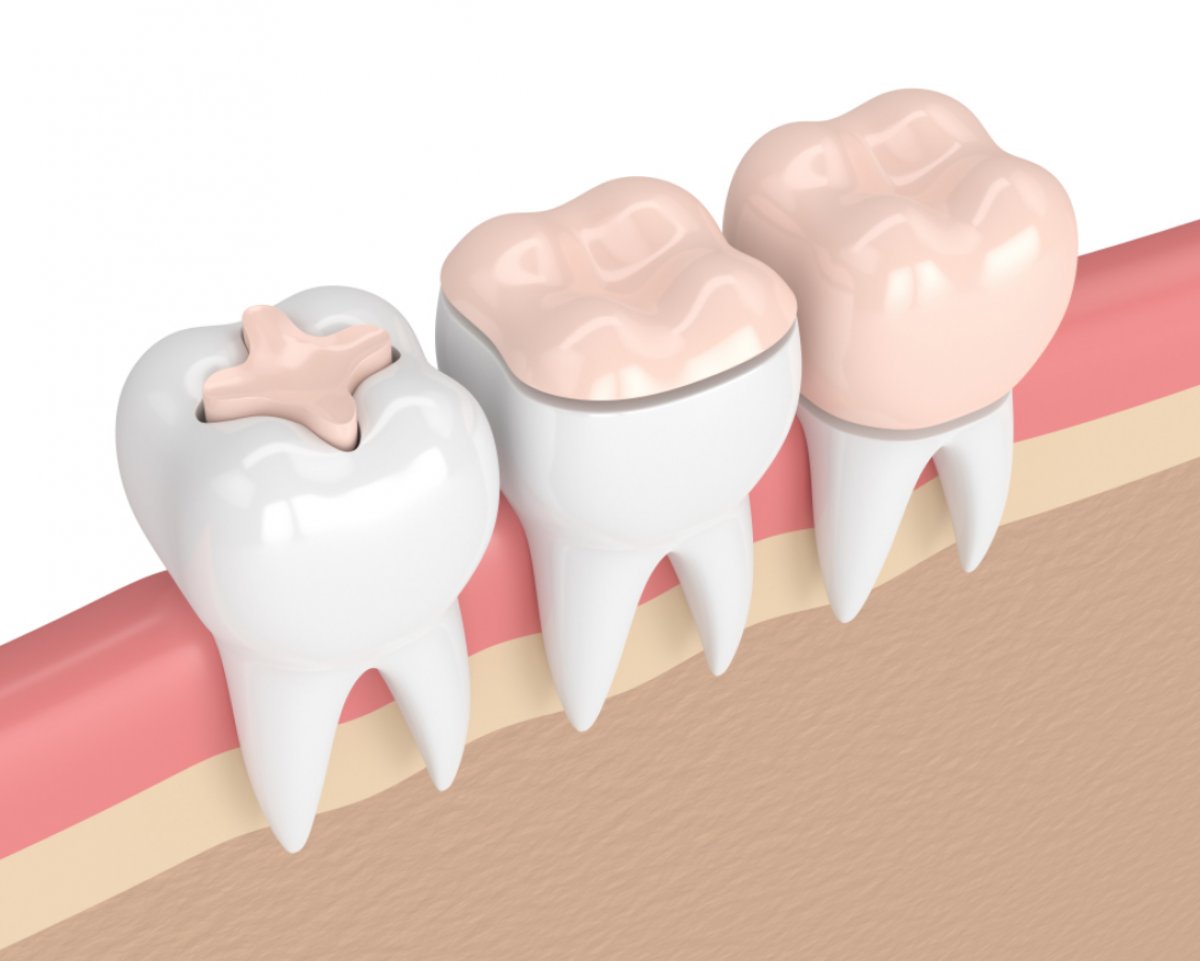
In multiple implant treatments, the choice of superstructure material is based on the intensity of the chewing force of the patient and whether the area requires aesthetic expectations; porcelain with metal support, monolithic zirconia, or zirconia-supported porcelain veneers are preferred accordingly.
After the implanted titanium screws complete the osseointegration (bone healing) process, the prosthesis phase that will function in the mouth is transitioned to.
- Metal Supported Porcelains: Contains a strong chromium-cobalt or nickel-chromium alloy in the inner part. The outer surface is covered with aesthetic porcelain. Especially in the posterior jaw areas, for long bridges covering multiple teeth, it is planned tightly due to its high biomechanical resistance.
- Zirconia Supported Prostheses: Uses a white zirconium material that eliminates the gray reflection of metal. Especially in the frontal area (smile line) deficiencies, it is preferred in aesthetic medical applications due to its similarity to natural teeth in light permeability and its superior biological compatibility with the gum.
What Are the Sensations During the Multiple Implant Operation?
During the multiple implant operation; due to the local anesthesia protocols applied to the relevant area completely blocking nerve transmission, patients do not feel pain or discomfort, and only perceive the physical pressure in the jaw tissues and the slight vibrations of the surgical devices throughout the operation.
In the context of the principles of surgical medicine, the procedure for placing multiple implants is managed using local anesthesia methods typically used in routine tooth extractions or root canal treatments. After the anesthetic solution is injected into the area, the processes of incising the gum and preparing the sockets are completed without tissue sensitivity. In extensive surgeries where the patient’s anxiety level (dental phobia) is high or multiple implants are planned in a single session, conscious sedation or general anesthesia methods may be considered a medical option by mutual agreement between the physician and the patient.
How Do Chronic Diseases Affect the Application of Multiple Implants?
Chronic systemic diseases such as diabetes, hypertension, or osteoporosis; they directly affect tissue healing, bleeding profiles, and the biological integration rate of the implant with the jawbone, so in these cases, the treatment process is planned in consultation with the relevant medical doctor and by monitoring laboratory values.
For example, it is essential for patients with diabetes (diabetes mellitus) that the HbA1c level is within a certain reference range; otherwise, wound healing may be delayed and the risk of infection may increase. A detailed risk analysis should be conducted because the response of the jawbone to surgical trauma may vary in patients using bisphosphonate drugs due to osteoporosis. The medication dosages for individuals using anticoagulants should be adjusted under medical supervision before the procedure to manage potential bleeding risks.
What Should Be Considered During the Healing Period After Implant Treatment?
During the recovery period after surgical procedures; within the first 24 hours, there should be no rinsing or suction to avoid disturbing the clot in the wound area, soft foods should be consumed, prescribed antibiotics and mouthwashes must be used completely, and completely avoid products containing tobacco that hinder cell renewal.
In tissues where multiple implants are placed, the occurrence of mild edema (swelling) after surgery is a physiological process. The medical steps to manage this situation are as follows:
- Application of Cold Compress: The ice compress applied intermittently from the jaw area on the day of the operation constricts capillaries and limits potential edema.
- Avoiding Thermal Effects: For the first few days, avoid hot beverages (tea, coffee, hot soup) and hot baths; opt for light and nourishing foods.
- Protecting Stitch Areas: Avoid chewing hard, crusty foods that could create pressure on stitches in the surgical area, and protect that area from trauma until the healing process is complete (approximately 7-10 days).
How Should the Care of Prostheses Placed on Multiple Implants Be?
The care of multiple implants and the bridge prostheses placed on them; should not be limited to surface brushing; devices such as interdental brushes, special dental threads (superfloss), and mouth rinsing systems should be included in the daily routine to remove bacterial plaque that may form in the neck areas where the prostheses connect to the bone.
Although titanium implants are structurally strong, the surrounding gum and bone tissue are extremely sensitive to bacterial infections. An infection known as “peri-implantitis,” which develops due to inadequate oral hygiene, can lead to the resorption of the surrounding bone and cause treatment failure. The likelihood of food debris remaining under bridge prosthetics that connect multiple teeth is particularly higher. Therefore, performing mechanical cleaning with appropriate products at least twice a day and adopting professional oral hygiene habits are medically necessary.