How is Implant Treatment Planned for Single Tooth Loss?
Technological advancements in oral and dental health have enabled the use of various methods to address tooth loss. Among these methods, the frequently preferred implant treatment aims to help individuals regain their chewing, speaking, and aesthetic functions. Clinics and health institutions in Izmir manage this process by thoroughly examining individuals’ anatomical structures.
What is Implant Treatment for Single Tooth Loss?
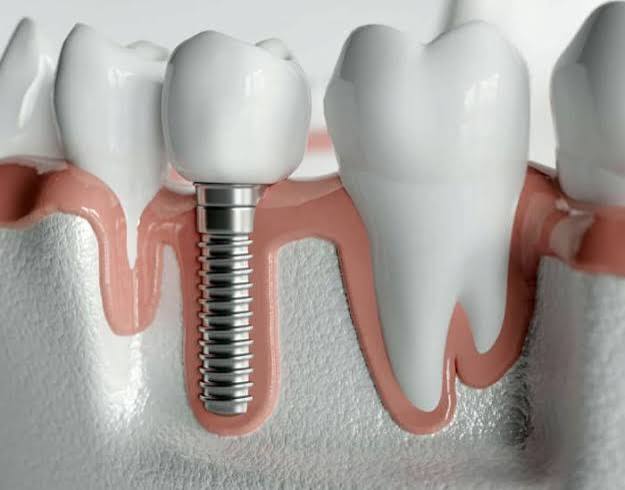
Implant treatment for single tooth loss; is a procedure to fill the gap by placing a titanium artificial root into the jawbone in place of the lost tooth, with a porcelain or zirconium crown added on top of this root. This procedure aims to repair only the toothless area without interfering with adjacent teeth.
The implant is designed to structurally mimic the natural tooth root. These screws, made from titanium material, are high-quality products with high biocompatibility (tissue compatibility). Due to the low likelihood of being perceived as a foreign substance by the body, they have the ability to integrate with tissues. The main goal of the treatment is to replace the lost functions and structurally support the defect in the jawbone. According to health standards, the bone structure and gingival tissue of each individual must be evaluated in detail for this treatment.
How Does the Examination Process for Implant Treatment Work?
The examination process; consists of the steps of taking the patient’s general health history, performing an intraoral clinical examination, and measuring the jawbone millimetrically with radiological imaging. At this stage, the patient’s chronic ailments and the medications they use are recorded in detail.
In order to make a healthy plan, the current condition of the gums is first examined. The height, thickness, and density of the bone in the area where the implant will be placed are the most important factors determining the course of the treatment. The informative forms and detailed anamnesis (medical history) collection processes applied within Avrupadent play a significant role in determining how biologically suitable the individual is for this treatment. If the patient has chronic conditions such as diabetes, hypertension, or osteoporosis, the planning of the process is carried out with a consultation (exchange of ideas) with the patient’s doctor.
What Stages Does the Planning of a Single Tooth Implant in Izmir Include?
Implant planning stages in Izmir; consist of evaluation and radiological imaging, surgical placement phase, waiting period for osseointegration (bone bonding), and finally, prosthetic (superstructure) application. This process incorporates different timeframes that vary from person to person.
These stages are meticulously conducted within the framework of medical guidelines. The table below presents details of the general implant treatment stages for informational purposes:
| Stage Name | Operation Detail | Basic Purpose |
|---|---|---|
| 1. Clinical and Radiological Examination | Conduct a three-dimensional bone analysis using panoramic X-rays or 3D tomography. | Identify bone quality, nerve pathways, and sinus cavities. |
| 2. Surgical Process (Implant Placement) | Placement of the titanium screw into the corresponding jawbone socket under local anesthesia. | To take the first step for the integration of the artificial tooth root into the jaw structure. |
| 3. Waiting (Healing) Process | The expected period for the implant to biologically integrate with the bone cells. | Ensure stability against the chewing forces that will act on the screw. |
| 4. Prosthetic (Crown) Stage | Placement of the healing abutments, taking measurements, and securing the prepared crown onto the tooth. | Complete the functional and anatomical appearance of the tooth. |
What Tests and Imaging Are Required in the Single Tooth Implant Process?
The desired visuals in this process; are dental volumetric tomography (CBCT) examinations that show bone volume and quality in three dimensions, in addition to standard panoramic X-rays. If deemed necessary, blood tests related to the patient’s general anesthesia or bleeding profile may be requested.
Classic two-dimensional X-rays may not always accurately reflect the thickness of the jawbone. With the help of tomography, the physician examines the jawbone in millimeter slices in a computer environment. Especially, the distance to the main nerve trunk (mandibular canal) located in the lower jaw or the sinuses located in the upper jaw can be clearly identified. To determine the patient’s suitability for a surgical operation, blood sugar (HbA1c) or clotting tests may be requested at the physician’s discretion.
How is Implant Application Done in Cases of Insufficient Jawbone?
The application of implants in cases where the jawbone is insufficient; is performed with the addition of bone powder (graft) and protective barriers called membranes to increase the volume of the bone (augmentation). Once the bone structure reaches the desired density, the implant phase is initiated.
After tooth extraction, prolonged empty spaces in that area or reasons such as gum diseases can lead to resorption of the jawbone. In cases where the jawbone is not sufficiently wide or long, direct implant placement is not biomechanically appropriate. In such cases, biological bone grafts obtained from different animals such as cattle and horses or synthetic bone powders are used. This procedure increases the amount of bone. When augmentation is performed, the healing process may take a few months longer according to standard procedures.
Does Implant Tooth Damage Other Healthy Teeth?
Implant treatment is a completely independent procedure that does not harm adjacent teeth. Unlike traditional methods, in implant application, support is not taken from the healthy teeth on either side of the missing tooth, and no grinding or cutting procedures are performed on these teeth.
In traditional bridge prosthetics, the healthy teeth on both sides of the gap need to be reduced by certain amounts to fill the place of the missing tooth. In implant application, only the bone in the toothless area is intervened. This feature helps protect the natural tooth tissue in the mouth. Additionally, the implant placed in the gap stimulates the bone tissue in that area through the chewing forces transmitted to the jawbone and contributes to preventing bone resorption.
How Long Does Single Tooth Implant Treatment Take?
Treatment duration; varies from the first day the surgical procedure is performed to the expected 2 to 6-month period for osseointegration and then to an average prosthesis fabrication phase lasting 1-2 weeks.
This process may vary depending on the person’s age, bone quality, and the bone graft procedures applied. Below are the main factors affecting the duration listed as items:
-
\t
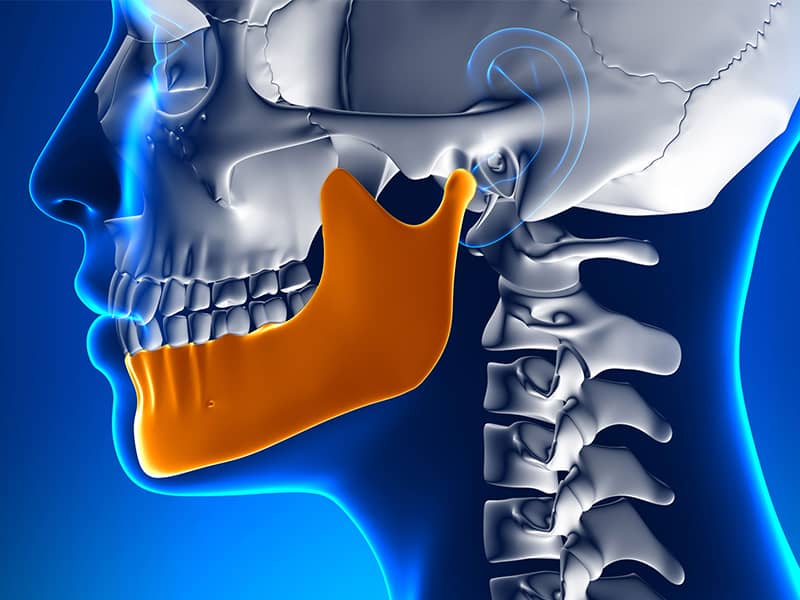
- Quality and Density of Bone: The upper jawbone (maxilla) has a more porous structure compared to the lower jawbone (mandibula). Therefore, the healing period for implants placed in the upper jaw may be longer than that of the lower jaw.
- Additional Surgical Procedures: When sinus lifting (elevation of the sinus floor) or advanced bone graft applications are performed, extra months may be added to the waiting time.
- Individual Improvement Capacity: Since systemic factors such as metabolism speed, smoking, and diabetes directly affect cell regeneration, treatment durations may be extended.
\t
In Which Situation is Implant Treatment Not Applied?
Implant treatment; is not applied to individuals who have recently received radiation therapy in the head and neck area, in severe uncontrolled diabetes patients, in young individuals whose bone development is not completed, and in cases with active severe gum disease.
Additionally, in patients using medications that affect bone metabolism systemically (such as bisphosphonate-type drugs), very detailed medical evaluations should be conducted before the procedure. For individuals with bruxism (teeth grinding) issues, the use of protective night guards may be planned after the implant is placed to maintain the success of the treatment. In pregnant individuals, non-emergency surgical procedures of this type are generally postponed until after childbirth.
What Are the Differences Between Traditional Bridges and Implants in Single Tooth Deficiency?
The main difference between traditional bridges and implants; is that bridges require the reduction of neighboring teeth for support, whereas implants are placed as artificial roots into the jawbone, creating an independent structure without touching neighboring teeth.
The table prepared for informational purposes below compares the structural and functional features of these two treatment methods:
| Feature | Single Tooth Implant | Traditional Bridge Prosthesis |
|---|---|---|
| Effect on Neighboring Teeth | No interference is made with neighboring teeth; natural structures are preserved. | The neighboring teeth to the gap are reduced (shaved) to hold the prosthesis. |
| Effect on Bone Resorption | It transmits chewing force to the bone, slowing down bone resorption in the area. | Due to the absence of roots in the gap area, resorption in the jawbone can be observed over time. |
| Cleaning and Care | Can be brushed individually like natural teeth, and standard dental floss can be used. | Special bridge sub-threads or inter-dental brushes are required for cleaning beneath the body. |
| Independence | It occupies a position in the mouth as a completely independent unit. | It exists in the mouth as a block connected to other teeth. |
What Methods Are Used for Implant Planning Within Avrupadent?
In Avrupadent practices for implant planning; adhering closely to sterilization and disinfection standards, three-dimensional digital tomography and computer-assisted measurement software are used to create surgical templates specific to the anatomical structure.
In accordance with health regulations, data obtained by digitally scanning the patient’s mouth with intraoral scanners is transferred to a computer environment. This data is combined with tomographic images. The position, angle, and depth of the implant within the bone are virtually planned in a digital environment. Subsequently, templates called surgical guides can be produced. These templates allow the artificial tooth root to be precisely placed at the planned point and angle during the operation. The entire process is carried out in compliance with the hygiene chain established by health institutions, and the patient is informed in detail.
What is Felt During the Implant Operation?
During the operation; since local anesthesia is administered to the patient, no pain or ache is felt in the area, only a slight pressure and vibration sensation is perceived while the doctor is working. The area remains numb throughout the operation.
Due to medical procedures, it is similar to methods used in routine treatments such as tooth extraction, filling, or root canal treatment. After the anesthesia solution is given to the gum with a needle, the nerve transmission in the area is temporarily halted. During the placement of the titanium screw into the bone, a drill (special tools) is used. As there are no nerve tissues in the jawbone, pain is not felt during procedures done inside the bone. The sensation that patients feel during the operation is merely the perception of pressure in the surrounding tissues.
What Should Be Considered During the Healing Process After Single Tooth Implant Treatment?
During the healing process; it is necessary to regularly use the medications prescribed by the doctor to protect the operation site from infection, avoid hot foods/drinks for the first 24 hours, and refrain from smoking.
The medical considerations to be observed after the surgery can be listed as follows:
- Ice Compress: To minimize swelling (edema) in the operation area, cold compress should be applied intermittently from the outside of the cheek during the first hours of the day the procedure was performed.
- Nutrition Plan: Nothing should be eaten until the numbness subsides (to prevent accidentally biting the lip or cheek). During the first few days of healing, warm and soft foods (soup, yogurt, puree) should be consumed.
- Oral Hygiene: During the first 24 hours, strong rinsing or gargling should be avoided. The area of the suture should be gently cleaned while the other teeth are brushed routinely, avoiding hard brushing on that area.
- Smoking: Tobacco products significantly slow down wound healing by lowering oxygen levels in the blood and jeopardize the risk of osseointegration with the implant. Therefore, tobacco products should be avoided during the healing period.
What is the Integration of Titanium Screw with Jawbone (Osseointegration)?
Osseointegration; is the biological term for the process by which the implant surface made from titanium material is entirely enveloped by cells called osteoblasts that make up the jawbone, creating a stable and structural bond.
Discovered in the 1950s, this biological event forms the basis of implantology. Titanium is one of the rare elements that is accepted without reacting with bone tissue. After the implant is placed in the bone, blood cells coalesce on the screw’s porous surface and gradually transform into bone-forming cells. This bone integration occurs at a microscopic level. It is a physiological necessity for this integration to be completed for the attachment of the superstructure known as the tooth (crown). Once integration is complete, the titanium screw can tolerate biting pressure like a natural tooth root.
What Types of Porcelain Can be Made on a Single Tooth Implant?
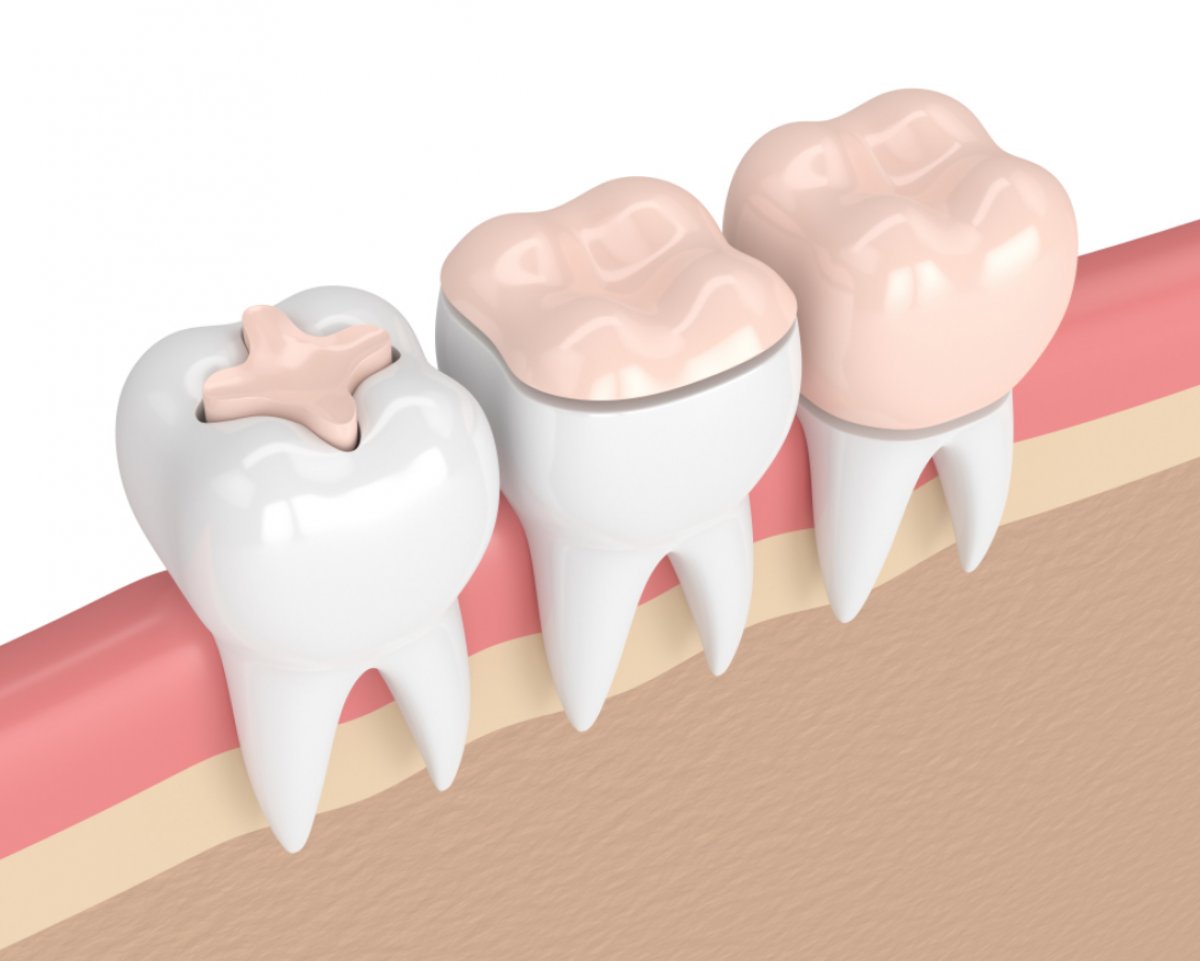
On the implant; based on aesthetic expectations and biting forces, metal-supported porcelain crowns or zirconia-based crowns with light permeability that closely resemble natural teeth can be applied.
Crown selection is determined by the evaluation of the dentist and the individual’s oral anatomy:
- Zirconia Crowns: Zirconia, a white-colored alloy, shows high biological compatibility with the gum tissue. It is frequently preferred for aesthetic purposes in cases of tooth deficiencies in the anterior region due to its light permeability in the smile line.
- Metal-Backed Porcelains: It has a gray metal skeleton inside. It is commonly planned in the back molar region, where the chewing force is felt most intensely, due to the support it provides.
How Should Implant Dental Care and Cleaning Be Done?
Implant dental care: should involve brushing with fluoride toothpaste at least twice a day, and regularly using dental floss and interdental brushes to prevent plaque accumulation around the implant.
Although implant teeth do not decay, the surrounding gum tissue can be susceptible to infection (peri-implantitis). If proper and regular oral care is not maintained, accumulating bacteria can lead to gum inflammation and eventually cause bone resorption surrounding the implant. It is extremely critical to keep clean the area where the tooth crown connects with the gum, not just the upper part of the tooth. The use of an oral irrigator is recommended by dentists as a helpful tool for cleaning food residues in hard-to-reach areas that the toothbrush cannot access.
Is There an Age Limit for Implant Treatment?
For implant treatment: it is required that the bone growth process has been completed. Therefore, it is generally not applied before the ages of 16-17 in girls and 18 in boys; there is no upper age limit as long as the patient’s general health condition is appropriate.
In individuals at the stage of growth and development, the jawbone continues to elongate and change shape. If an implant is placed while development is ongoing, it may not adapt to the bone growth, leading to displacement and potential aesthetic and functional losses. In older individuals, what is important is not the age but the volume of the bone and the stability of systemic health (heart, diabetes, blood pressure). In clinical assessments in Izmir, planning is done based on the radiological data of each adult patient whose overall body health is deemed sufficient.
Why Are Post-Implant Dental Check-Ups Important?
Dental check-ups; It is crucial for the radiological monitoring of the implant’s condition within the bone, checking the health of the surrounding gum tissues, and providing professional cleaning in areas where the patient’s hygiene is inadequate.The treatment process does not end with the placement of the prosthesis. Medical procedures require the patient to see their doctor at 6-month intervals during the first year and annually thereafter. During check-up sessions, radiographs are taken to measure any resorption (melting) at the bone level. Additionally, height discrepancies that may occur during chewing (occlusal trauma) are addressed with minor adjustments on the prosthesis. Regular follow-ups ensure that potential problems are detected at an early stage.
What Alternatives Exist Beyond Implants for Single Tooth Loss?
Alternatives to implants; Fixed bridge prostheses prepared by taking support from neighboring teeth or if there are multiple deficiencies and a removable solution is considered, partial (sectional) removable prostheses.The choice of treatment is entirely based on the patient’s medical history, the condition of the oral tissues, and anatomical realities. If the patient does not wish to undergo surgical procedures or if the placement of an implant is deemed risky due to systemic diseases, then fixed bridge prostheses are the most commonly used medical alternative. However, for bridge treatment, the adjacent teeth must be healthy and have sufficient root support.
General Assessment and Medical Responsibility Information
Even the loss of a single tooth in the mouth can lead to the tilting of other teeth towards the gap, elongation of opposing teeth, and disruption of the overall closure dynamics over time. Implants are at the forefront of medical procedures aimed at restoring deficiencies while preserving tissue in modern dentistry. All these practices carried out by Avrupadent are conducted in accordance with current health and sterilization procedures, and the treatment plan is created based on individualized anatomical data.
Alternatives to implants; Fixed bridge prostheses prepared by taking support from neighboring teeth or if there are multiple deficiencies and a removable solution is considered, partial (sectional) removable prostheses.
The choice of treatment is entirely based on the patient’s medical history, the condition of the oral tissues, and anatomical realities. If the patient does not wish to undergo surgical procedures or if the placement of an implant is deemed risky due to systemic diseases, then fixed bridge prostheses are the most commonly used medical alternative. However, for bridge treatment, the adjacent teeth must be healthy and have sufficient root support.
General Assessment and Medical Responsibility Information
Even the loss of a single tooth in the mouth can lead to the tilting of other teeth towards the gap, elongation of opposing teeth, and disruption of the overall closure dynamics over time. Implants are at the forefront of medical procedures aimed at restoring deficiencies while preserving tissue in modern dentistry. All these practices carried out by Avrupadent are conducted in accordance with current health and sterilization procedures, and the treatment plan is created based on individualized anatomical data.