In which situations can aesthetic filling applications be preferred?
Repairing material losses caused by fractures, trauma, or wear occurring in the oral, dental, and jaw system forms the main working area of restorative dentistry. In previous years, while gray-colored metal alloy (amalgam) fillings were used for the purpose of preserving the functional integrity of teeth, recent advancements in material science and manufacturing technology in modern dentistry disciplines have brought resin composites or porcelain systems that match the color of teeth to the forefront. Modern Aesthetic Dentistry approaches rely on biomimetic principles aimed at mimicking the optical properties and mechanical flexibility of natural tooth enamel. In this context, aesthetic filling applications serve to maintain tissue integrity while preserving the original form and color of the tooth.
Anatomical and structural problems encountered when individuals apply to clinics restrict the implementation of the same restorative protocol in every case. The doctor selects the most suitable material by analyzing the patient’s chewing forces, the position of the tooth, and the volume of material loss in the tissue. According to the evaluations observed in the clinical processes of Avrupadent, the patient’s oral hygiene habits and occlusal (bite) dynamics form the foundational stones of this planning.
How Are Aesthetic Filling Applications Planned According to Anatomical Needs?
The fundamental rule in restorative dentistry is to preserve healthy dental tissue as much as possible and only to remove the pathological or damaged part. Aesthetic fillings (composite resins or porcelain inlay/onlay systems) do not require the creation of wide cavities in the tooth because they can bond chemically and micromechanically with the natural structure of the tooth. While traditional metal fillings necessitate the preparation of cavities in certain geometric forms for mechanical retention of the tooth, composite systems allow the material to lock onto the tooth at a microscopic level through acid etching and bonding agents.
This anatomical compatibility is effective in maintaining the resistance against the chewing forces acting on the tooth. Composite resins exhibit elasticity close to the tooth’s flexural modulus, distributing the loads evenly to the root structure. The dentist will determine which type of filling (direct composite or lab-produced porcelain filling) to use by examining the patient’s jaw occlusion and the tooth’s location within the mouth. These tissue-friendly approaches serve as preventive medical measures that limit the risk of tooth fractures in the long term.
Why Are Composite Fillings Preferred After Cleaning Tooth Cavities?
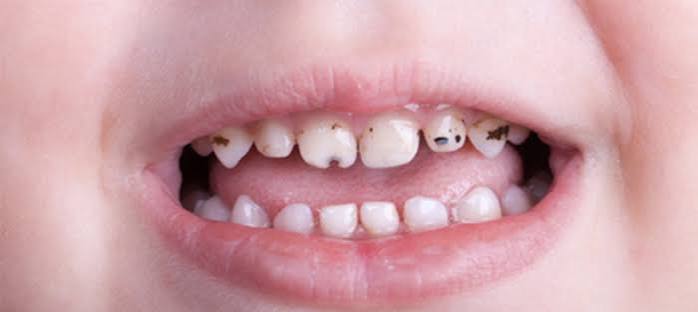
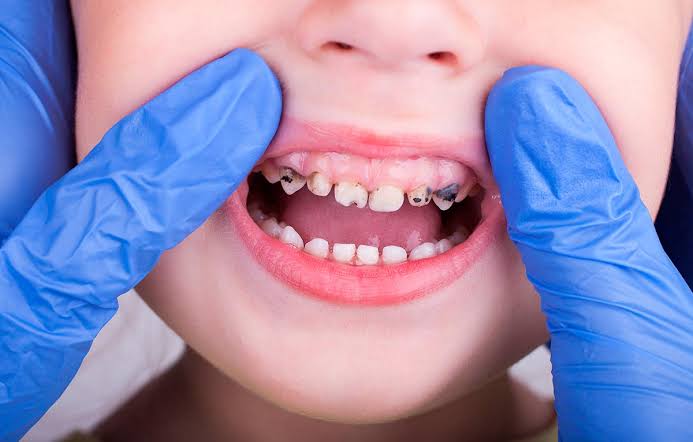
Cleaning tissues that have softened and lost enamel resistance due to bacterial infections (caries) with diamond drills leaves certain cavities inside the tooth. The biggest advantage of using aesthetic resin composites to fill these cavities is that the material can reflect the optical refraction and color tone of the tooth enamel. Particularly in restorations made in the anterior area or small molars, the existence of the filling is undetectable from the outside.
Composite resins are formed by the combination of inorganic filler particles and an organic polymer matrix. These materials, which are placed in layers on the tooth by the dentist and polymerized (hardened) with special blue light sources for each layer, reach full hardness at the moment they are placed, unlike traditional fillings. This allows the patient to return to their normal functions immediately after the treatment session. In European dental practices, the adequacy of direct composite application is clinically tested by examining the thickness of the remaining walls after cavity cleaning.
How Are Direct Restorative Approaches Applied to Anterior Tooth Fractures?
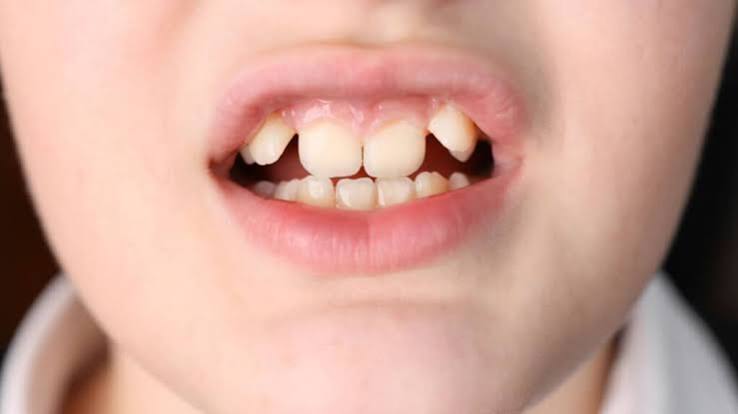
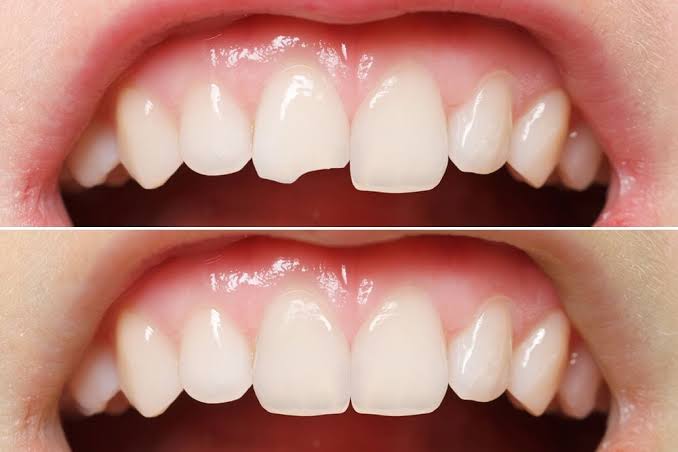
Front teeth are the most vulnerable anatomical structures against traumatic events such as impacts, falls, or hard object abrasions. Tissue loss occurring at the incisal edges creates an aesthetically displeasing appearance and prepares the ground for sensitivity development by exposing the underlying dentin layer. For the repair of such fractures, direct aesthetic filling (bonding) applications that do not require a laboratory phase are frequently preferred.
During the procedure, the physician disguises the sharp edges of the fracture line by slightly beveling them (using marginal modification) to hide the line where the material meets the tooth. Next, opaque composites mimicking the dentin color are placed in the inner parts, while transparent composites imitating the enamel color are applied to the outer surface to simulate the three-dimensional depth of the natural tooth. At the end of the procedure, sensitive polishing processes are performed to smooth the filling surface; this way, food stains are prevented, and the original shine of the tooth is restored.
| Clinical Problem | Role of Aesthetic Filling Procedure |
|---|---|
| Fractures of the Anterior Incisor Edge | The natural shape of the missing piece is recreated using composite layering techniques. |
| Enamel Cracks and Surface Chips | Preventing discolorations by supporting weakened areas with adhesive resins. |
| Cervical Area Abrasions | Covering the root surfaces exposed due to hard brushing with the tooth color. |
What Advantages Does This Method Offer in Closing Gaps Between Teeth?
In cases where the gingival contours are inconsistent with the external dimensions due to the broadness of the gingiva, gaps (diastemas) may remain between the teeth. Especially the gaps between the upper central incisors can cause individuals to experience aesthetic concerns in their social lives. For those who do not want to deal with the time costs of orthodontic treatments, the composite bonding method is a commonly preferred prosthetic solution for closing these gaps.
During the procedure, no abrasion is made on the tooth enamel; only the surfaces looking at the gap are roughened. The dentist uses transparent matrix bands to add composite symmetrically to both teeth. While making this addition, the width-height ratio of the two teeth is balanced according to the golden ratio, and care is taken not to crush the periodontal papilla (the triangular tissue between the two teeth). This application, completed in a single session, facilitates the achievement of a proportional smile line in a short time.
What Materials Are Used for Repairing Worn or Abraded Tooth Surfaces?
Over time, factors such as aging, acid erosion, or bruxism (teeth grinding) can cause the incisal edges and occlusal surfaces of the teeth to wear down, leading to the loss of substance. This situation can result in the shortening of the teeth and the sinking in the lower third of the surface. The composite materials used for repairing worn surfaces should be selected from nano-hybrid structures that have high abrasion resistance against chewing forces.
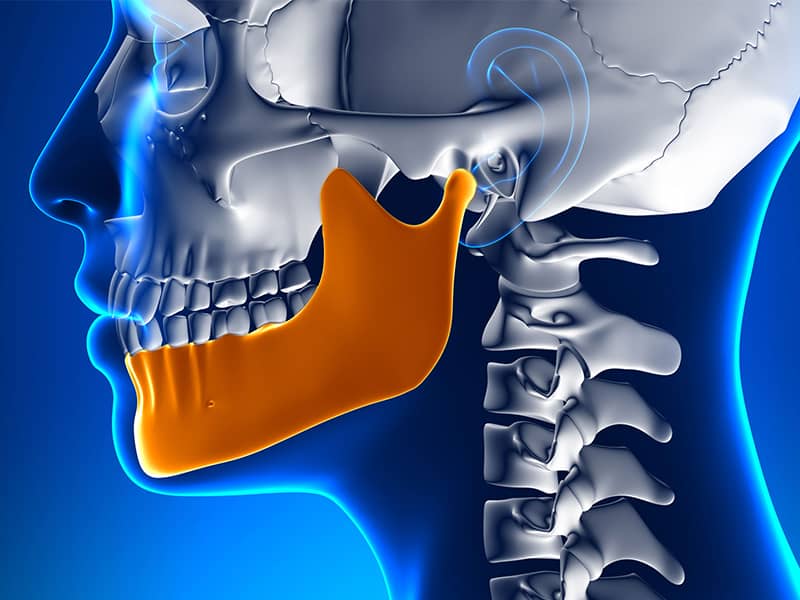
The dentist replaces the volume lost from the tooth in layers after cleaning the affected areas with special solutions. The shapes of the back molars are reshaped to their original forms. This not only enhances the chewing efficiency for the patient but also supports the accurate closing position of the temporomandibular joint (TMJ). These restoration procedures, supported by proper polishing processes, ensure that the teeth remain functional for many years.
Why Are White Fillings Chosen for Replacing Old Amalgam Fillings?
In past years, gray amalgam fillings were commonly used in back teeth due to their durability, consisting of a mixture of metals including mercury, silver, and tin. These fillings may change volume over the years due to contact with oral fluids, can seep from their edges, and most importantly, can stain the tooth root and enamel walls gray/black, creating an unsightly appearance. Nowadays, patients request the replacement of these old fillings to achieve a more natural appearance and to avoid materials containing metal.
When amalgam fillings are removed, any hidden cavities that may have formed underneath are cleaned. Then, the empty cavity is filled by layering with tooth-colored composite resins. Since composites bond to the tooth adhesively, they support the weakened thin walls from the inside, unlike amalgam, and limit the risk of fracture. This transformation modernizes the aesthetics inside the mouth and ensures the patient can smile without the metal color.
Inlays and Onlays: In Which Significant Tooth Losses Are They Planned?
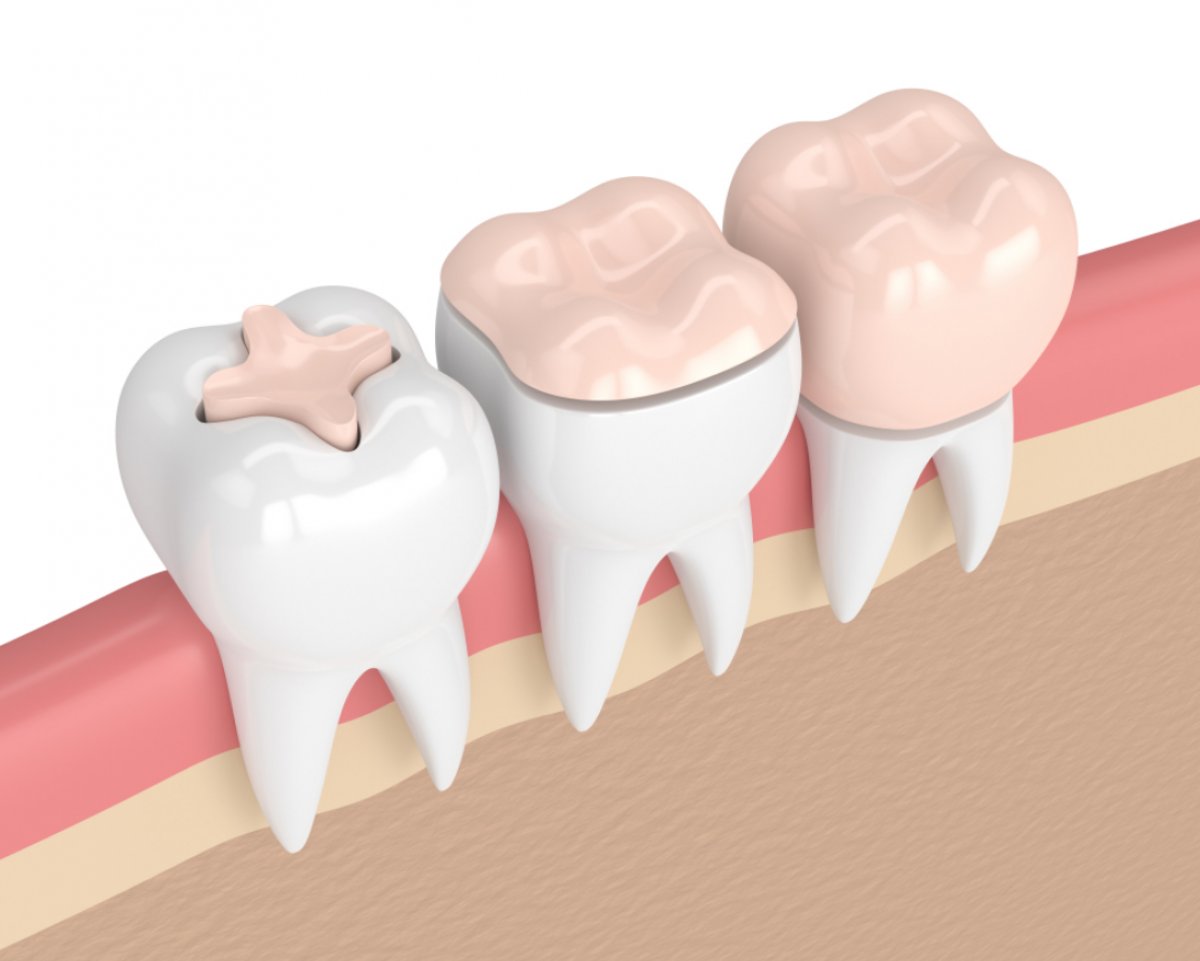
In situations where direct composite fillings are volumetrically insufficient, the risk of polymerization shrinkage may increase, leading to micro gaps at the filling margins. In moderate-size cases of tooth loss that are significant yet do not require complete tooth preparation, porcelain or composite laboratory fillings called “inlays” and “onlays” (indirect restorations) come into play. These fillings are made from special blocks produced in the laboratory after measuring the patient’s mouth and are cemented onto the tooth.
Inlay fillings repair the area between the peaks (cusps) of the tooth, while onlay fillings are extended restorations that encompass one or more cusps. Because they are pressed at high temperatures in the laboratory, these fillings have extremely high wear resistance and edge fit precision. In their clinics, these indications are meticulously assessed to achieve the highest mechanical strength with minimal intervention to the tooth.
How Do Direct Addition Techniques Work in Correcting Tooth Height Discrepancies?
In smile aesthetics, the lengths of the upper front teeth should follow the curve of the lower lip during smiling (smile arc) in a harmonious manner. When the lateral incisors are shorter compared to the central incisors, or when due to trauma, one tooth appears shorter than another, aesthetic ratios can be disrupted. Direct composite additions offer a functional solution to eliminate these asymmetries.
The dentist analyzes the patient’s facial proportions and lip posture to plan how much addition is needed to the short tooth’s incisal edge. After the tooth surface is polished, resin material in a color matching the enamel is added to that area to extend it. During this process, it is meticulously tested to ensure that the lower teeth do not collide with this addition while chewing (occlusal control). Teeth that achieve a symmetrical length ratio create a more balanced and aesthetic expression on the face.
What are the Optical and Biomechanical Properties of Composite Resin Materials?
Thanks to advancements in dental material science, modern nano-hybrid composites have a high surface gloss and polishing capacity due to the micro-ceramic fillers within them. Optically, these materials are produced in different opacity levels; thus, opaque colors covering the deep dentin layer can be used alongside translucent enamel colors that reflect the light on the tooth surface. This multilayer structure prevents the filling from appearing like an artificial patch.
From a biomechanical perspective, the elasticity modulus of composites is quite close to that of dentin tissue. While hard and rigid filling materials exert force on the tooth during chewing, composite resins flex with the tooth, absorbing occlusal stress. Quality resin materials selected according to Avrupadent standards exhibit resistance to food stains while maintaining color stability over time and support the aesthetic expectations of patients.
What Protocols Are Followed for These Treatments at Avrupadent?
In institutional medical service standards, it is essential to create a personalized treatment plan tailored to each patient’s jaw structure and arch volume. The process begins with the doctor conducting an intraoral examination and, if necessary, determining the depth of the tooth structure using X-rays. Then, the composite shades that most closely match the patient’s natural tooth enamel color are identified. Isolating the work area from saliva is the most critical protocol determining the longevity of the filling; therefore, isolation procedures are adhered to.
After the cleaned cavity is acid-etched and bonded, composite resins are placed in layers and hardened with light. In the final stage, diamond-tipped finishing burs and silicone polishing wheels are used to achieve a smooth surface that matches the glide of tooth enamel. This meticulous protocol chain not only extends the lifespan of the filling but also ensures the health of the gum tissue.
What Are the Frequently Asked Questions?
1. What is the main difference between aesthetic filling and classic amalgam filling?
Aesthetic fillings match the color of the teeth and chemically bond to the tooth using an adhesion method, supporting weak walls; amalgam fillings, on the other hand, are gray in color and are mechanically pressed into the tooth, lacking aesthetic appeal.
2. Do composite fillings change color over time?
Current nano-hybrid composites have a high ability to retain polish; however, depending on the consumption of strong tea, coffee, or tobacco, slight discolorations may occur on the surface over the years, which can be resolved with polishing.
3. Can aesthetic fillings be noticeable in cracks of anterior teeth?
With layering techniques and accurate color selection used in bonding applications, the boundaries where the filling combines with the natural tooth enamel are optically hidden, making it very difficult to notice from the outside.
4. Will there be sensitivity to hot and cold in the teeth after the procedure?
A short-term mild sensitivity after deep cleaning is a physiological adaptation process; however, this condition usually resolves on its own within a few days.
5. Can the gaps between teeth be permanently closed with aesthetic fillings?
Composite bondings used in diastema closure procedures maintain their shape for many years as long as oral hygiene is observed and they are not subjected to stress from hard objects.
6. How are inlay and onlay fillings different from regular fillings?
Inlay and onlay fillings are indirect restorations that are produced by pressing porcelain or composite blocks in the laboratory for significant material losses, featuring much higher edge fit and resistance compared to regular fillings.
7. How many sessions does the aesthetic filling application take?
Direct composite fillings and bonding procedures are usually completed in a single session (approximately within 30 to 60 minutes); laboratory-produced inlay fillings may take several sessions.
8. Is it harmful to change old black fillings to white?
It is not harmful; on the contrary, it allows for the cleaning of hidden cavities that may have formed beneath the amalgam and reduces the risk of fracture by internally supporting the tooth with adhesion.
9. Can aesthetic fillings be preferred for children?
Yes, composite fillings in the color of the tooth can be safely applied for children’s aesthetic and functional needs after cleaning the cavities in both primary and permanent teeth.
10. Can composite fillings be done for those who have a tooth-grinding habit?
In bruxism patients, composite fillings may wear down or break due to excessive pressure; it is recommended to use a night guard (splint) after treatment to protect the fillings in these patients.
11. What should be considered to extend the lifespan of a composite filling?
Regularly brushing teeth, using dental floss, not breaking hard-shelled foods with front teeth, and visiting the dentist for polishing every six months helps extend the lifespan of the filling.
12. Is it unsafe to perform aesthetic filling during pregnancy?
In cases requiring acute pain or emergency cavity treatment, aesthetic filling procedures can be safely performed under local anesthesia during weeks approved by the obstetrician.
13. Does the bonding procedure damage the tooth enamel?
In bonding applications, no abrasion is made on the tooth; only a light acid etching is applied to the enamel surface to ensure the retention of the material, preserving the tissue.
14. If the cavity is very deep, is root canal treatment required instead of filling?
If the decay has progressed to the nerve (pulp) chamber of the tooth and caused severe inflammation or nerve damage, performing root canal treatment before filling is biologically necessary.
15. How is color matching of fillings ensured according to Avrupadent standards?
Under natural daylight simulation lamps and using special color scales, nano-hybrid composite layers that match the tone of the patient’s dental enamel are meticulously selected.