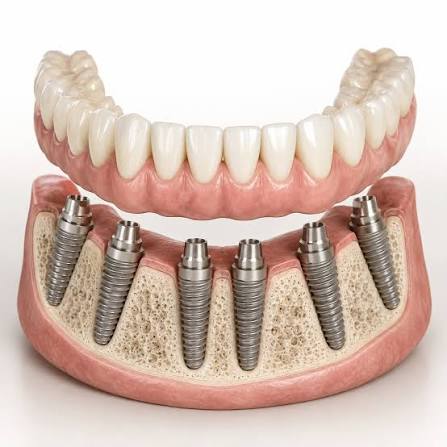
Izmir Full Mouth Implant
The loss of all teeth in the jawbone not only disrupts the initial phase of the digestive mechanism but also creates a progressive physiological condition that leads to volumetric losses in the bone tissue. Modern prosthetic approaches focus on fixing titanium materials to the jawbone to limit the resorption (dissolution) caused by the pressure exerted by movable dentures (plates) on the tissues. The Izmir full mouth implant applications, which include clinical research processes of many hospitals, involve detailed procedures in which the fields of surgical and prosthetic sciences progress in coordination.
What is Izmir Full Mouth Implant Treatment and How is Surgical Planning Done?
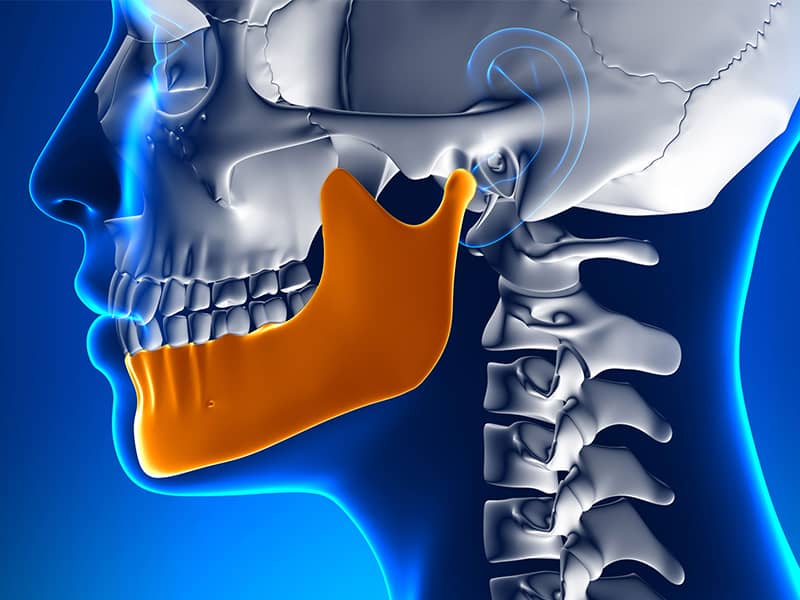
In anatomical charts where all dentition is absent (total edentulism), the inability of the masticatory force to transmit to the bone accelerates osteoclastic (bone-resorbing) cell activities. Over time, significant shrinkage occurs in the vertical and horizontal dimensions of the jawbone. In jaw surgery, the goal is to strategically place titanium screws, which will take over the functions of the lost tooth roots, into the bone at specific points. This placement plan is organized in digital environments by specialized physicians according to the width of the patient’s jaw arch, bone density, and the occlusal (bite) relationships with the opposing jaw.
The radiological data obtained before the operation allows for the precise calculation of the diameter, length, and mechanical axis of the titanium roots at a millimetric level. By identifying the locations of nerve canals and air cavities (sinuses), surgical boundaries are determined. These structural calculations are crucial for constructing a masticatory system that will remain stable in the long term.
What Steps Are Followed in the Implant Procedures for Complete Edentulism at Avrupadent Clinics?
The multidisciplinary service approach aims to minimize the margin of error in medical procedures. It is not just about placing the screw into the bone; the porcelain or zirconium tooth that the screw will support must also align with the patient’s lip support, smile line, and speech phonetics. Therefore, a medical approach known as “backward planning” is followed during the clinical planning process.
- Data Collection: Digital measurements are taken using intraoral (oral cavity) scanners, the patient’s facial photographs and dental tomography are uploaded to the system.
- Virtual Planning: Using specialized software, the form of the prosthesis is designed, and implants are virtually placed in the most optimal bone area to support this prosthesis.
- Surgical Guide Production: Templates (guides) are produced using 3D printers to minimize deviations during the surgical intervention of the physician.
- Prosthetic Phase: Once biological adaptation (osseointegration) is completed, permanent teeth are produced in accordance with the planned design and fixed to the jaw.
How Do Implant Applications Progress in Complete Toothlessness with Insufficient Jaw Bone?
The jawbone has a dynamic structure that renews itself under mechanical function; otherwise, it erodes. Patients using removable dentures often complain that their prostheses have loosened over the years. The medical reason for this situation is the continuous erosion of the underlying bone. When there is no minimum tissue thickness left to support titanium roots, the surgical area is reinforced with biomaterials.
In advanced surgical methods, inorganic xenografts processed in a laboratory or autogenous grafts obtained from the hospital’s own tissue are applied. If there is a vertical distance deficiency in the posterior areas of the upper jaw, bone powder is injected into the base of the air cavities through a sinus lifting (sinus elevation) procedure. These operations require an average cellular maturation process of four to eight months to synthesize new bone tissue by activating the body’s biological repair mechanisms.
What is the Medical Role of the All-On-4 and All-On-6 Systems in Complete Edentulism?
In traditional complete jaw restorations, it is anticipated that eight to ten titanium screws are placed for each arch, along with intensive bone powder surgery performed in the posterior areas. The concept of open implant placement developed against the restrictions of anatomical cavities (sinuses and nerve canals) reduces the extent of surgical intervention while limiting anatomical risks.
The physiological basis of this system takes advantage of the structural density and hardness of the bone (cortical bone) in the anterior jaw regions. When the screws are placed vertically and at an angle, a biomechanical bridge is formed between them, which achieves a very high level of initial stability (primary stability). This resistance provides the surgeon with the flexibility to attach a temporary fixed tooth to the patient later in the day of the surgical procedure. Thus, the individual can regain their functions without spending months without teeth during the biological healing process.
What Radiological and Systemic Tests Should Be Conducted Before Surgery?
Surgical procedures performed in dental clinics are not independent of the body’s general systemic circulation. The healing rate of tissues and the defense mechanism against infections are directly related to the patient’s blood count. Especially in cases of complete tooth loss, the patient’s metabolic condition is mapped in detail before implant applications in complete edentulous situations in Izmir.
| Test / Imaging Type | Medical Rationale and Purpose |
|---|---|
| 3D Dental Tomography (CBCT) | To create an operational map by measuring bone thickness, vertical height, and nerve anatomy in a virtual environment. |
| Coagulation Tests (PT, INR) | To ensure that bleeding control during surgery can be maintained at medical standards for patients using blood thinners. |
| Hemoglobin A1c (HbA1c) | To assess the wound healing potential by monitoring the average blood sugar levels of diabetic individuals over the last three months. |
| Bone Density Measurement | Determining the quality class of bone by modifying the medical approach in cases of advanced degree osteoporosis. |
How Are the Conditions Experienced by the Patient During the Operation Controlled?
Due to being a comprehensive surgery, it is expected that patients experience psychological anxiety; however, the jawbone tissue does not have a dense network of nerve fibers within itself. The areas that transmit the sensation of sensitivity are mostly the periosteum (bone membrane) and the mucosa of the gums. Modern anesthetics used in dentistry temporarily interrupt the transmission of external stimuli to the brain by numbing the entire relevant area.
The only physiological perception the patient feels during the operation is the slight vibration of the cooling systems used by the physician under pressure. Once the effects of the local anesthetic begin to wear off at the end of the session, mild regional warmth and tissue seepage can be expected with the activation of the body’s repair mechanisms. At this stage, the physician initiates a pharmacological protocol for post-operative analgesic support.
How Long Does the Bone Integration (Osteointegration) Phase Last After Implant Operation in Complete Toothlessness?
Titanium, as it is not perceived as a foreign body by the organism and shows biological compatibility, is a revolutionary material in medicine. After the surgical procedure, micro-level cellular mobility begins within the bone. Osteoblast cells, which ensure bone repair, migrate into the special grooves (channels) on the surface of the titanium screw and construct new mineral tissue.
The lower jawbone (mandible) is structurally a much more compact (dense) tissue; therefore, the organization of cells and the stabilization of the material occurs more quickly. The upper jaw (maxilla), on the other hand, has a more calcareous (spongy) structure due to its proximity to the respiratory and sinus cavities. It is necessary to keep the medical timeline longer in order for full cellular engagement in the upper jaw to ensure that the system remains resistant to chewing forces when a prosthesis is installed in the future.
Can Implants be Applied in Complete Edentulousness in Older Patients in Izmir?
In geriatric (elderly) dental practices, the determining factor is not the chronological age of the patient, but rather their physiological age and tissue regeneration capacity. Although cellular metabolism may slow down somewhat with advancing age, the osteointegration process can still be successfully completed. Many elderly patients who experience complete edentulism turn to these fixed prosthetic solutions to overcome the retention issues created by removable dentures and palatal sore spots.
When conducting clinical evaluations in elderly patients, the diseases present in the individual’s medical profile are taken into consideration. For instance, in patients diagnosed with osteoporosis and using intravenous medication, the treatment protocol is reorganized in consultation with relevant medical specialists. Aging does not, in itself, create a contraindication; obtaining chewing comfort again, within medical precautions, is supported medically.
Can Individuals with Chronic Systemic Diseases Undergo Implants in Complete Edentulism?
Complete edentulism restorations require multiple implant placements, and the systemic inflammatory response that the body will produce is proportional to this. Chronic discomfort can play a limiting role during the healing phase. Therefore, in equipped clinical organizations in the Izmir region, the patient’s medical history is meticulously archived, and pre-operative blood testing processes are managed.
- Diabetic Control: In patients without controlled blood sugar, protein synthesis is impaired. When the HbA1c value is brought below targeted levels, routine surgery can be performed with minimized risk of infection.
- Cardiovascular Conditions: The use of anticoagulants is optimized according to INR values under medical supervision to manage bleeding potential during procedures.
- Hypertension Management: As anxiety during operations and the anesthetic agents used can cause blood pressure fluctuations, vital signs are monitored throughout the procedure.
What Medical Rules Should Be Followed During the Recovery Period After Surgery?
The success of the adaptation of a material surgically placed in the body is closely related to the care the patient will show after the operation. Local sensitivities that may occur after the anesthesia wears off are physiological signs that tissues have begun to heal. To prevent the opening of suture lines and the disruption of clotting, it is advised to avoid habits that create pressure, such as intense coughing, gargling, and using straws, for the first few days.
The chewing function has not yet settled, so the dietary regimen is revised. Hot soups, acidic drinks, and coarse foods can irritate the wound area; therefore, it is recommended to consume pureed foods at room temperature. The area where the healing begins or stitches are located should be cleaned with special antiseptic mouthwashes recommended by the physician and protected from mechanical brush impacts. According to the standard protocol, a clinical visit is conducted within an average of ten days for the purpose of removing stitches.
What materials are used in Fixed Prosthesis (Crown) Applications?
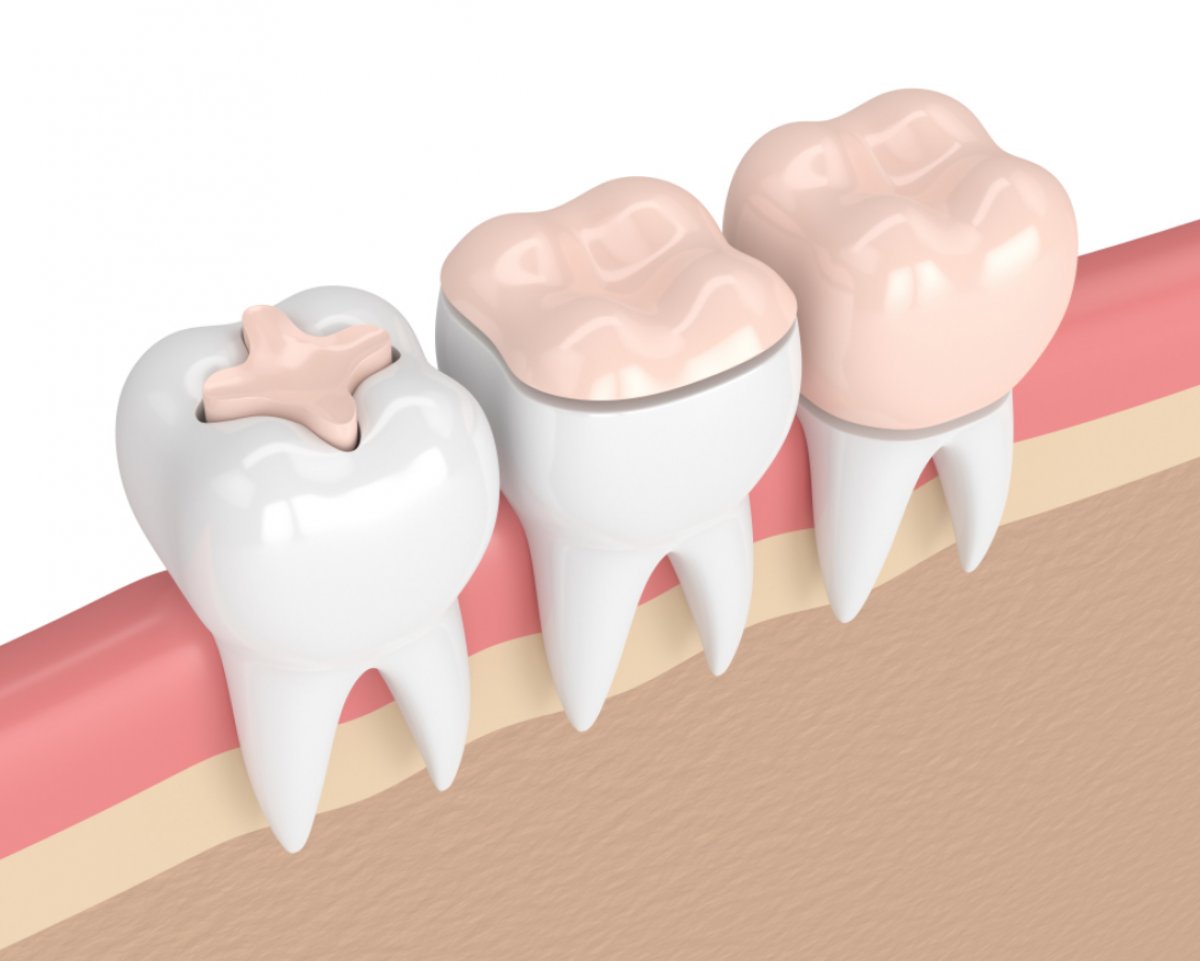
While titanium materials perform the root function in the jawbone, the visible part from the outside that serves its function is the prosthetic structure. In cases of complete edentulism, the prosthesis structure is designed not only to support the lip but also to simulate the lost gum tissue (with pink porcelain) to restore the hollows in the cheeks.
The production material of the prosthesis is selected according to the patient’s jaw pressure. Classic metal-supported porcelains remain stable for many years due to their resistance to wear in patients with high chewing force. Zirconium dioxide (ZrO2) frameworks are highlighted in aesthetic expectations, especially in cases where high aesthetics are required, due to their biocompatibility and color resembling natural tooth enamel. In hybrid prostheses applied in All-on-4 systems, acrylic or composite tooth arrangements are made over titanium bars to optimize load distribution.
How Does the Use of Tobacco Products Affect the Complete Dental Implant Healing Timeline?
Biological compatibility (osteointegration) requires the presence of defense cells and growth factors that reach the surgical site through the blood. Carbon monoxide found in cigarette smoke reduces the blood’s oxygen-carrying capacity, while nicotine restricts the blood flow to the wound by constricting blood vessel walls (vasoconstriction). The mechanism for repairing tissue is significantly hindered due to the deprived cells of oxygen.
In extensive surgeries such as complete dental implant treatment in Izmir, the need for tissue healing is much greater due to the multiple screws placed into the bone. Not only during the operation period, but also during the long term use of the prosthesis, consumption of tobacco is one of the primary risk factors that can lead to inflammation of the gum tissue around the titanium (peri-implantitis). Expert practitioners see limiting these habits in the weeks prior to the operation and during the biological waiting period as an integral part of medical planning.