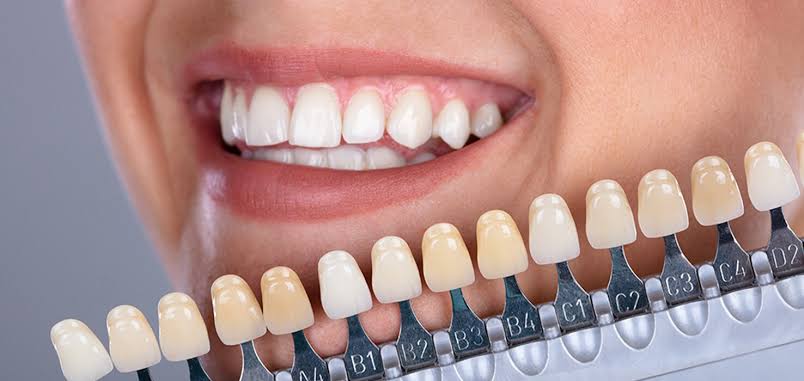
What Are the Common Procedures in Aesthetic Dentistry?
Medical procedures that affect the anatomy of the mouth and jaw support not only the basic functions of chewing and speaking but also contribute to the structuring of visual proportions that relate to the overall facial appearance. The alignment of teeth and the frame of the gums supporting the lower third of the face show a tendency to experience shape changes over time due to genetic factors, dietary habits, trauma, or stress. Managing these changes within medical limits and adapting teeth to their natural anatomical structures are among the fundamental areas of study in Aesthetic Dentistry disciplines.
The diversification of clinical approaches and advancements in material technologies provide physicians with the ability to work with tissue-preserving (minimally invasive) principles. Glass-ceramic structures frequently preferred in anterior aesthetics help mimic the optical behaviors of tooth enamel due to their light transmission properties, while resin-based composite materials allow for one-visit conservative treatments. As adopted in the clinical protocols of Avrupadent, since each individual’s anatomical requirements vary, the selection of applicable methods is shaped around a personalized plan after a detailed clinical examination.
What Needs are Addressed by Aesthetic Dentistry Applications?
The aesthetic expectations of individuals are directly related to the structural changes that the oral tissues are exposed to. Along with the aging process, the transparent enamel tissue that forms the outer layer of the teeth begins to wear at a microscopic level, and the color of the underlying yellowish dentin tissue becomes more pronounced. This biological change can lead to the perception of teeth as being more matte and darker optically. Aesthetic planning aims to manage these color changes and to restore the natural reflections present in the young tissue of the tooth.
Additionally, conditions such as remaining small due to facial proportions based on genetic coding, the presence of gaps that create shadows between teeth, or excessive coverage of the teeth by the gum tissue are among the factors that require the reconstruction of the smile profile. Doctors combine treatment approaches that encompass multiple disciplines by observing these anatomical conditions. Sometimes expectations can be met with just a small touch, while in some cases, ceramic restorations and gum contouring may need to be included in the process simultaneously.
In Which Situations Are Porcelain Laminate (Leaf Porcelain) Procedures Considered?
Porcelain laminates, a product of glass-ceramic technologies, stand out as a tissue-friendly restorative option in dentistry. Unlike traditional crown approaches that require significant reduction of the whole tooth, laminates are designed to only cover the front (facial) surface that comes into contact with the lips. During the preparation stage, a very thin layer (ranging from 0.3 to 0.7 millimeters) of enamel is removed, creating a necessary base for adhesive cements to form a strong chemical bond with laboratory-produced ceramic veneers.
The material composition of porcelain laminates possesses an optical depth similar to the abrasion and reflection properties of natural tooth enamel. Due to these properties, they tend to exhibit a profile closely resembling a natural tooth when viewed from the outside. This method, frequently preferred for correcting asymmetries in the anterior area, masking resistant discolorations (such as tetracycline stains) that do not respond to whitening procedures, and extending tooth lengths, holds an important place in Aesthetic Dentistry clinical practice.
| Porcelain Laminate Feature | Clinical Significance | Expected Clinical Outcome |
|---|---|---|
| Minimal Preparation (Prep) | Very little reduction of dental tissue is performed. | It helps in maintaining the vitality of the tooth. |
| Light Permeability (Translucency) | The reflection and breakage of the ceramic in the work. | A deep appearance similar to natural enamel is targeted. |
| Porcelain Surface | A structure resistant to staining with a non-porous build. | Limits the adherence of pigments like tea and coffee on the surface. |
What is the Role of Zirconium Crowns in Aesthetic Processes?
Traditional metal-supported porcelain crowns have been able to cause reflections or purplish streaks, especially at the gum junction areas, due to their opaque gray metal infrastructures. Zirconium dioxide-based crowns have been developed to eliminate these visual disadvantages; they are white and made of highly biocompatible, crystallized materials. Zirconium crowns, applied by encircling the tooth 360 degrees, serve a functional role in restoring teeth that have undergone root canal treatment, changed color, or experienced significant material loss.
Zirconium blocks produced with modern milling (CAD/CAM) technologies are adapted millimetrically to the patient’s measurements via computer-aided design software. The opaque (less light-transmitting) structure of zirconium provides an advantage to clinicians in masking underlying dark or discolored tooth roots. The translucent porcelain layers processed on top help achieve a form that is compatible with natural teeth on the dental surface. This balance makes zirconium one of the priority choices in cases where both functional and aesthetic expectations are intense.
Which Methods Are Used for Composite Bonding Applications?
Composite bonding procedures, which do not require laboratory stages and can usually be completed in a single clinical session, are among the practical applications of conservative dentistry. In this method, without any abrasion of the dental tissue (or with very limited intervention), it is possible to close gaps between teeth (diastema), repair broken incisors, or modify tooth shapes. The used nano-hybrid composite materials contain close values to the structural flexibility of tooth enamel.
During the procedure, the practitioner layers transparent, semi-transparent, and opaque composite materials to mimic the different color transitions in the cervical (neck), middle, and incisal areas of the tooth. The detailed polishing step applied after the shaping phase helps the composite surface achieve a shine and smoothness close to natural enamel. Since bonding materials are softer compared to ceramics, they may show minor abrasions over time; however, their ease of repair within the same session is one of the prominent clinical features of this application.
What Types of Staining Are Planned for Tooth Whitening (Bleaching) Procedures?
Whitening procedures that aim to lighten a healthy tooth’s natural shade by several tones using only chemical methods, without restorative materials, are a method considered for individuals with good oral hygiene. Color molecules that have penetrated into the inner layers of the tooth, which cannot be eliminated by daily brushing or clinical surface cleaning (polishing), are broken down by a chemical reaction known as oxidation. The active oxygen ions in whitening gels penetrate through the enamel pores and convert color pigments into colorless compounds.
Office-type whitening applied under the supervision of a physician in a clinical setting employs highly concentrated gels activated by light or laser sources to support quick results. In contrast, at-home whitening methods involve a gradual whitening process using lower concentration gels applied within custom-made trays for the patient. Structural discolorations such as gray/brown stains caused by the use of tetracycline (antibiotic) or fluorosis can be more resistant to standard whitening procedures, leading physicians to prefer alternative aesthetic plans in these cases.
How Does Pink Aesthetics (Gum Shaping) Affect the Appearance of Teeth?
In the aesthetic perception of a table, the frame’s role is equivalent to the role of the gum tissue in the aesthetic appearance of the teeth, representing that balance. Even if the teeth are anatomically in correct dimensions, in cases where the gum tissue (gingiva) excessively extends over the teeth (gummy smile), the teeth are perceived as square and short in form. Additionally, differences in the heights of the gum tissue peaks (zenith) of adjacent teeth create an uneven appearance in the smile line.
To address these types of gum irregularities, small surgical procedures known as gingivectomy and gingivoplasty are planned. The use of diode laser systems today limits the amount of bleeding during tissue cutting, providing the dentist with a clearer working area and aiding the healing of tissue in a more comfortable manner. Optimizing the gum borders in this way before transitioning to porcelain laminate or crown applications supports the restorations to sit proportionally to the facial lines.
How Are Aesthetic Processes Involved with Orthodontic Alignment Using Clear Aligners?
The presence of gaps, misalignments, or spacing issues in the teeth are structural conditions frequently encountered in the planning of Aesthetic Dentistry. In cases of severe gaps, placing porcelain laminates on the existing positions of the teeth may require excessive grinding of the tooth or might violate the biological spacing of prosthetic limits. To manage this condition, orthodontic tooth movements are utilized prior to restorative procedures.
Transparent plate systems (aligner treatments) developed for adult patients who want to avoid the visual disadvantages of traditional metal brackets gradually shift the teeth into the ideal arch form. When the teeth are positioned correctly, if there are still color or shape irregularities present, composite bonding or thin porcelain laminates can be applied with much more minimal interventions. The approach between these disciplines aims to preserve the original texture of the tooth.
When Are Inlays and Onlays Preferred?
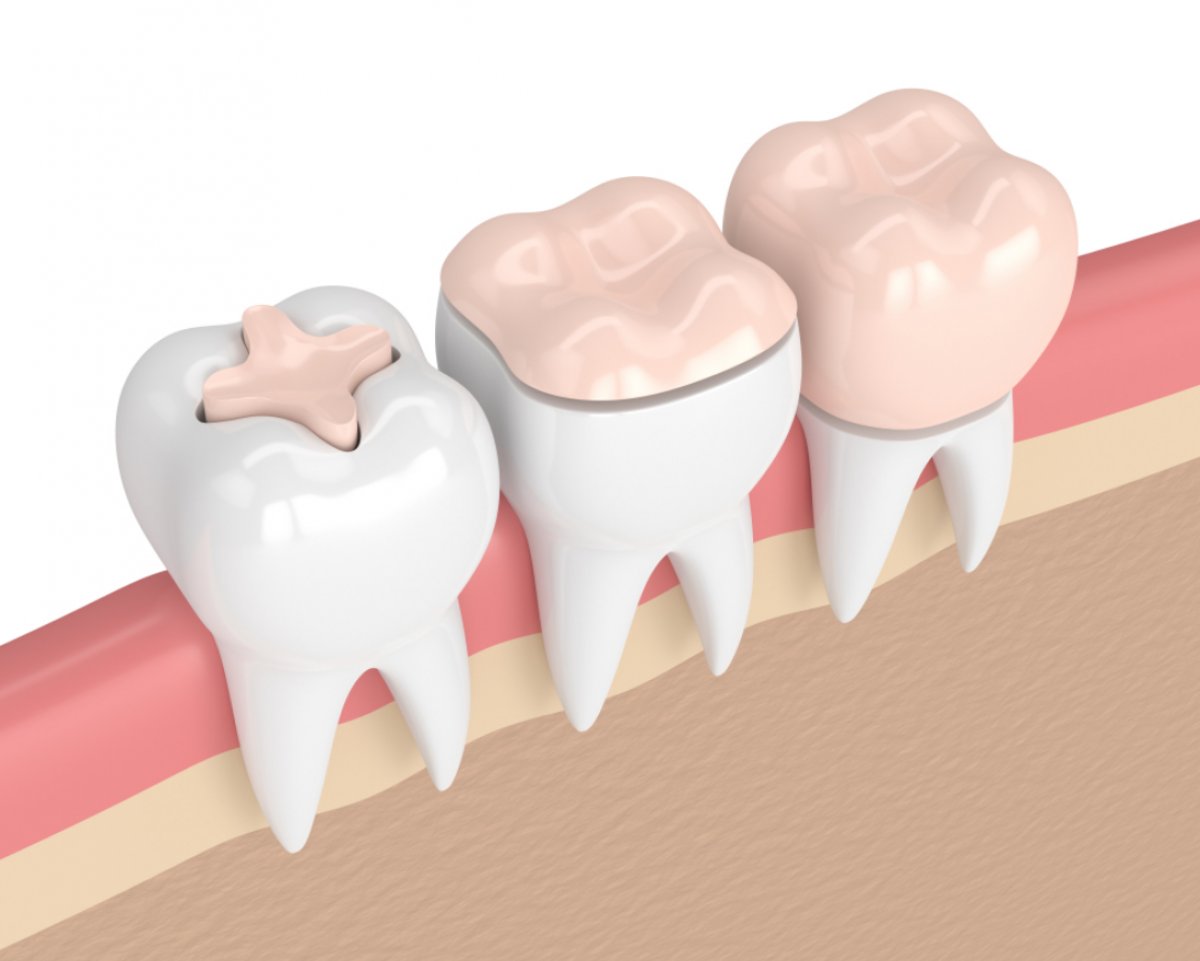
Loss of tissue that occurs due to deep grooves, fractures, or overextensions on the back teeth weakens the mechanical resistance of the tooth. Traditional composite fillings can exhibit wear or marginal leakage over time when applied to large cavities due to chewing forces. On the other hand, full crown restorations, which require cutting into the healthy walls of the tooth, imply an additional intervention. Inlay and onlay restorations are intermediate solutions positioned between these two methods.
After the measurement is taken, these fillings produced from glass ceramics (e.g., E-Max) or composite blocks using CAD/CAM systems or precise laboratory casting methods fit into the missing area of the tooth like a puzzle piece. Since they are chemically bonded to the tooth with adhesive cements, they support the remaining thin walls of the tooth and help strengthen the tooth against fractures. Moreover, thanks to their ceramic structures, they offer a resistant occlusal (chewing) surface against color changes.
How Are Avrupadent Processes Organized in Aesthetic Design?
Meeting aesthetic expectations in the provision of corporate healthcare services requires a general respect for the individual’s facial anatomy, lip dynamics, and jaw functions. When creating an aesthetic treatment plan in Avrupadent clinics, the existing health status of the intraoral tissues is evaluated as a primary criterion. A healthy periodontal support tissue and gums without inflammation lay the groundwork for the restorations to be applied.
Including digital design software in the process allows patients to monitor treatment stages and establishes a realistic basis for expectations. It is supported to create a customized treatment schedule for each patient, considering the biocompatibility and optical properties of the materials to be used.
What are the Frequently Asked Questions?
1. Do aesthetic dentistry applications only cover front teeth?
No, although aesthetic arrangements primarily focus on front teeth, back teeth treatments such as inlay/onlay ceramic fillings or zirconium crowns are included in this scope as they provide form and color harmony.
2. Can porcelain laminates be applied to every tooth?
When the alignment, enamel thickness, and occlusion relationships of the teeth are suitable, they can be planned; however, alternative methods may be considered in cases of severely crooked teeth or heavy teeth grinding.
3. Is anesthesia necessary for the composite bonding procedure?
In bonding procedures, anesthesia (injection) is generally not required if no significant removal of tooth tissue is done or if only minimal intervention is made.
4. Should zirconium or porcelain laminate be preferred?
This depends on the loss of substance in the tooth; if only changes are desired on the front surface of healthy teeth, laminate is preferred, but if a robust support that covers the tooth all around is needed, zirconium is recommended.
5. Will there be any scars after the gum shaping (pink aesthetics) procedure?
Procedures for contouring the gums performed with laser-like devices generally tend to leave no noticeable marks or asymmetry in the mouth after the tissue healing is complete.
6. How long does the office-type teeth whitening procedure take?
Office-type whitening sessions performed by a dentist in a clinical setting generally take about 45 minutes to 1 hour, depending on the concentration of the material used.
7. Do aesthetic dental treatments cause bad breath?
Biocompatible restorations made according to the rules do not cause odor; bad breath usually results from inadequate cleaning of plaque accumulating at the borders of the restorations.
8. Can gaps between teeth (diastema) be closed only with orthodontics?
Depending on the width of the gaps and the jaw closure, they can also be optically closed in a short time with composite bonding or porcelain laminates as an alternative to orthodontics.
9. Can aesthetic applications be done on implants and prostheses?
Yes, zirconium or full ceramic crown pieces placed on the implant can be aesthetically designed to match the form and color of the neighboring natural teeth.
10. What is the difference between inlays/onlays and composite fillings?
Composite fillings are shaped directly by the dentist in the clinic, while inlay/onlay restorations are made in a laboratory from porcelain using measurements taken from the tooth.
11. How should coffee consumption be after aesthetic treatments?
Porcelain surfaces are resistant to staining since they do not absorb liquids, but it is recommended to rinse the mouth with water after consuming beverages to protect composite fillings or cements.
12. Is there an age limit for zirconium crowns?
It is generally advisable to plan fixed crown applications after skeletal maturity (18-20 years) to wait for the completion of jawbone development and dental eruption processes.
13. Can teeth whitening be done during transparent aligner treatment?
In some cases, whitening gels can be applied under the control of a dentist inside the transparent aligners; however, for sensitivity management, it is more commonly preferred to perform whitening after the aligner treatment is completed.
14. Do porcelain laminates break?
When bonded with appropriate chemical agents (adhesive resins) to the tooth enamel, their bond strength is quite high, and separation is not expected unless subjected to mechanical trauma.
15. How is the aesthetic treatment plan determined in Europadent clinics?
By analyzing the patient’s facial proportions, lip lines, and existing bone and gum support through radiological and digital measurements, a clinical roadmap that aligns with the individual’s desires is established.