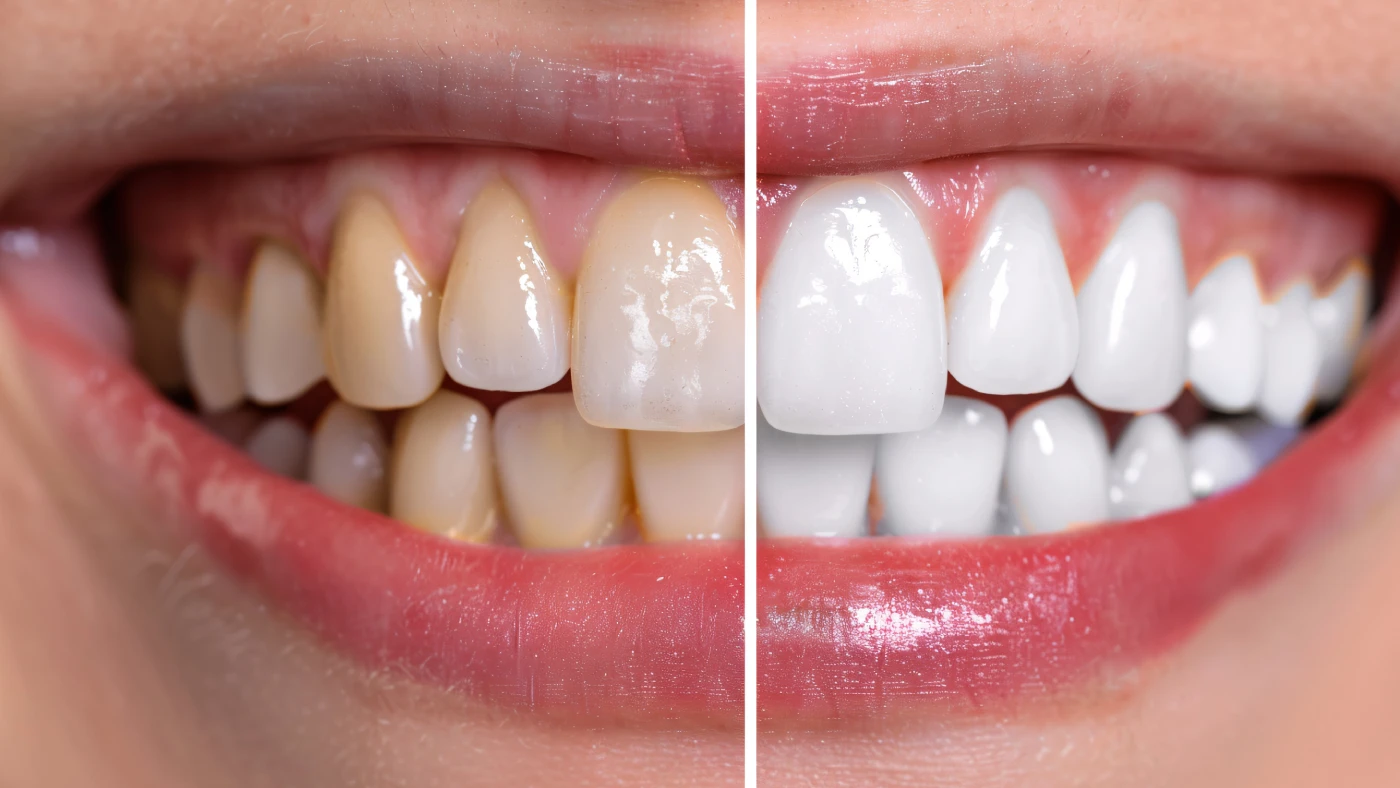
The natural color of our teeth can yellow over time due to various reasons, losing their brightness or becoming stained. Nowadays, many people resort to different methods to achieve a brighter and whiter smile. One of these methods is laser teeth whitening. Laser teeth whitening is a professional treatment aimed at rapidly lightening stains on the tooth surface and within the enamel layer, using a special gel combined with laser light. Since it is performed under the supervision of a dentist, it is considered a reliable and effective option.
What is Laser Teeth Whitening?
Laser teeth whitening is the process of activating a high-concentration whitening gel applied to the teeth with laser light, resulting in whiter teeth in a shorter time and more intense manner.
Laser technology aids in speeding up the chemical process by supplying heat or light energy to the whitening gel. In normal teeth whitening treatments, the desired effect is achieved by oxidizing the stains in the tooth enamel with peroxide-containing gels. The laser light accelerates the interaction of this gel more rapidly, and often aims to achieve a few shades lighter in just one session. The basic principle of this application is to achieve a more effective result by hastening the activation of peroxide molecules with high energy.
Today, laser teeth whitening is often preferred due to its comfort and speed. While traditional methods may require patients to wait for results through several sessions or weeks of using at-home trays, laser whitening can typically yield results close to the desired whiteness with just a single clinical appointment. The single session is completed in a short duration of about 30 to 60 minutes, which is also advantageous for those with a busy work schedule or time constraints.
The whitening gels used during laser teeth whitening typically contain a high concentration (25-40%) of hydrogen peroxide or similar active ingredients. Therefore, it is essential for the treatment to be conducted under the supervision of a dentist. The dentist checks the health of the patient’s teeth and gums and applies the necessary protective materials. Depending on the type of laser used in the treatment, different wavelengths and techniques come into play. For instance, some lasers only work by heating the gel, while certain types of lasers (such as KTP lasers) can directly interact with stained molecules.
To ensure that the laser light does not damage the teeth, the protocols determined by the dentist are meticulously followed. The dentist ensures that the gel is applied at the correct thickness and protects the gums with special barriers. This prevents the gel from coming into contact with the gums, lips, or cheeks. Additionally, it is avoided to hold the laser on the teeth for extended periods or at high temperatures. The goal is to provide sufficient energy to the whitening gel to accelerate the oxidation of stains while not exposing the dental pulp (nerve tissue) to excessive heat.
How is Laser Teeth Whitening Done?
Laser teeth whitening is a controlled procedure carried out in the dentist’s office.
Before the application, it is necessary for the teeth and gums to be healthy. The dentist checks for problems such as decay, cracks, or infections in the gums. If there are any active issues, they are treated first. After ensuring a healthy oral environment, an appointment is scheduled to proceed with the whitening procedure. The details of the application generally consist of the following steps:
-
\t
- Protection of the gums
Protective materials are applied specifically to the gums, lips, and cheeks. These protectors are usually special resins or barrier gels that harden with light. The aim is to safely protect soft tissues that may be exposed to the tooth whitening gel. A small plastic mouth opener is also used to keep the mouth open for an extended period during the procedure.
- Eye Protection
It is crucial for everyone to wear protective eyewear as laser light can harm the eyes. The dentist provides the patient with protective goggles to ensure their use throughout the procedure.
- Application of Whitening Gel
After taking preventive measures, a high concentration whitening gel is applied to the tooth surfaces. This gel typically contains hydrogen peroxide or carbamide peroxide and is formulated to interact with the laser light.
- Laser Activation
Laser light is used to activate the gel applied to the teeth. Depending on the wavelength of the laser, the molecules in the gel quickly release oxygen. This oxygen penetrates the tooth enamel, breaking apart stained or discolored areas and lightening the tooth’s color. The practitioner applies the laser light to the teeth in short intervals. After sufficient light has been provided to each area, the heat or energy level of the gel on the surface is checked. If necessary, the gel can be cleaned and reapplied for several rounds.
- Short Duration of the Procedure
One of the biggest advantages of laser tooth whitening is the potential to complete the process in a single session. In some cases, as long as the discoloration is not very deep, the procedure can conclude within a range of 30 to 60 minutes. If there are darker stains, the gel can be refreshed multiple times during the session, and additional laser application can help achieve the desired tone.
- Post-Procedure Evaluation and Cleaning
At the end of the whitening procedure, protective barriers and the retractor are removed. Any remaining gel residues on the teeth are completely cleaned, and any irritation on the gums is examined. If necessary, fluoride or sensitivity-reducing products are applied. After the treatment, the patient can usually see the results immediately in the mirror.
Does Laser Teeth Whitening Cause Damage?
When done correctly, laser teeth whitening generally does not cause damage and is considered quite safe.
However, like any medical or cosmetic intervention, this treatment may have some temporary side effects or points to pay attention to. Among the most common complaints are mild tooth sensitivity and gum irritation. Since the whitening gel is of high concentration, it can create a temporary tingling sensation in areas close to the tooth nerve tissue. Similarly, if a small amount of gel comes into contact with the gums, lips, or tongue surface, short-term irritation may occur. However, thanks to the protective barriers applied by the dentist, this risk is kept to a minimum.
The most important safety measure in laser teeth whitening is the control of heat. While the laser quickly activates the gel, it can also emit heat. Since excessive heating of the dental pulp can lead to unwanted effects, the power of the laser used by the dentist, the duration of application, and the thickness of the gel are carefully adjusted. Modern laser devices are typically designed to control heat increases through pulsed light or intermittent application protocols. Additionally, the gel formulation chosen by the dentist contains substances that will help protect the teeth.
It is quite rare to cause lasting damage to the tooth enamel. Scientific research shows that professional whitening procedures, even with rapid activation through lasers, do not cause long-term wear on the enamel. After the procedure, minimal levels of pore increase or short-term mineral loss may be detectable in the enamel structure. However, with the help of fluoride-containing products suggested by the dentist and considering the oral environment, this change usually reverses quickly. Therefore, laser tooth whitening does not create lasting degradation on the teeth.
Still, some individuals may experience sensitivity after the procedure, which can last a few days or even up to a week. It is recommended to avoid very hot or very cold beverages during this period. If there is mild pain or sensitivity, comfort can be provided with the pain-relief or sensitivity-reducing gels deemed appropriate by the dentist. It is normal to see mild whitening or irritation in the gums, which will heal in a short period. To avoid problems in the long run, it is sufficient to follow the dentist’s recommendations after the procedure.
What to Pay Attention to After Laser Teeth Whitening?
Things to pay attention to after the laser teeth whitening procedure help to maintain the obtained result for a longer time and reduce the likelihood of sensitivity.
When your teeth have lightened due to the effect of the whitening gel and laser, the tooth enamel may become temporarily more permeable. This situation can especially make the teeth more sensitive to coloring substances during the first 24 to 48 hours. Therefore, it is crucial to act according to the dentist’s suggestions. Recommended precautions generally include:
-
\t
- Avoid colored foods and drinks
In the early days, staying away from highly pigmented foods is beneficial. Drinks like coffee, tea, red wine, and cola, or foods with intense colors like beet and carrot juice can cause quick staining of the teeth. Immediately after the procedure, teeth are more vulnerable, so the risk of staining increases. If you want to consume such drinks, using a straw or rinsing your mouth with water right afterward can be helpful.
- Be Careful with Hot and Cold Contact
A few days after whitening, there may be sensitivity related to temperature in the teeth. Drinking very cold water, eating ice cream, or consuming excessively hot tea or coffee can increase discomfort. Depending on the degree of sensitivity, opting for warm drinks may help reduce pain.
- Regular and Gentle Oral Care
It is important to brush teeth at least twice a day with a soft bristle toothbrush and a sensitivity-reducing toothpaste. Dental floss or interdental brushes should be used to clean between the teeth, and alcohol-free products should be preferred when using mouthwash. This way, both discoloration is prevented and any potential sensitivity on the tooth surface is resolved more quickly.
- Fluoride or Sensitivity-Reducing Treatments
After the whitening procedure, fluoride gel recommended by the dentist or sensitivity-reducing products containing potassium nitrate support the remineralization of the enamel surface. This, in turn, reduces sensitivity and the potential for staining.
- Periodic Check-ups
Regular dental check-ups should not be neglected to maintain the effectiveness of the laser teeth whitening procedure and to catch potential problems early. The dentist checks whether re-yellowing has occurred on the teeth. In some cases, minor touch-up treatments may be necessary.
Who Is Suitable for Laser Teeth Whitening?
Laser teeth whitening is suitable for adults who have aesthetic concerns about their teeth and possess a healthy oral structure.
The examination performed by the dentist before the procedure serves as a guide to determine whether the person is suitable for treatment. Although this process is generally safe, in some cases, it may be more appropriate to postpone or evaluate other approaches. The question of who should not be recommended or in which situations caution should be exercised is often a point of curiosity.
Generally, the following groups are suitable candidates for laser teeth whitening:
- Those with Stains on Their Teeth
Individuals whose teeth have discoloration due to tobacco, coffee, tea, or certain medications can achieve noticeable whitening after laser teeth whitening. Particularly, effective results can be obtained in deep stains that have penetrated the enamel as well as superficial stains.
- Those with Time Constraints
For those wishing to achieve quick results, having a busy work schedule, or wanting whiter teeth just before a special event, laser teeth whitening is quite ideal. The possibility of several shades of lightening in a single session creates an appealing option in this regard.
- Those Who Have Previously Tried Different Methods and Did Not Achieve Satisfactory Results
Those who have not achieved the desired outcome with home kits, whitening toothpaste, or other office-type lightening methods can benefit from the rapid and intense activation provided by laser technology.
On the other hand, some individuals may need to postpone laser teeth whitening or conduct a thorough evaluation:
- Pregnant and Nursing Women
Laser teeth whitening is not recommended during pregnancy or breastfeeding. Caution is always taken regarding the use of medications and chemicals during this period. Therefore, most dentists prefer not to recommend laser teeth whitening during this time until more research is obtained.
- Children and Adolescents
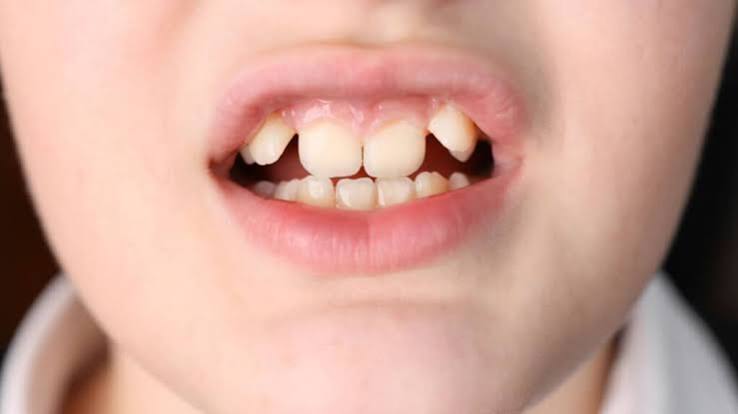
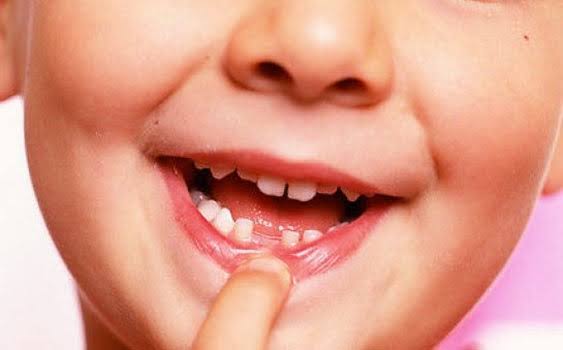
Dentists generally prefer to wait until at least 14 years of age for the eruption of all permanent teeth and the maturation of enamel tissue. In younger children, this procedure is not performed even if there are aesthetic concerns. This way, safer and more balanced results can be achieved after growth and development are completed.
- Those with Active Problems in the Mouth
If there is tooth decay, gum disease, or cracks in the teeth, these issues should first be addressed. Otherwise, the inner layer of the tooth may be directly exposed to the whitening gel, which could increase pain or sensitivity issues.
- Those with Excessive Anterior Area Restorations
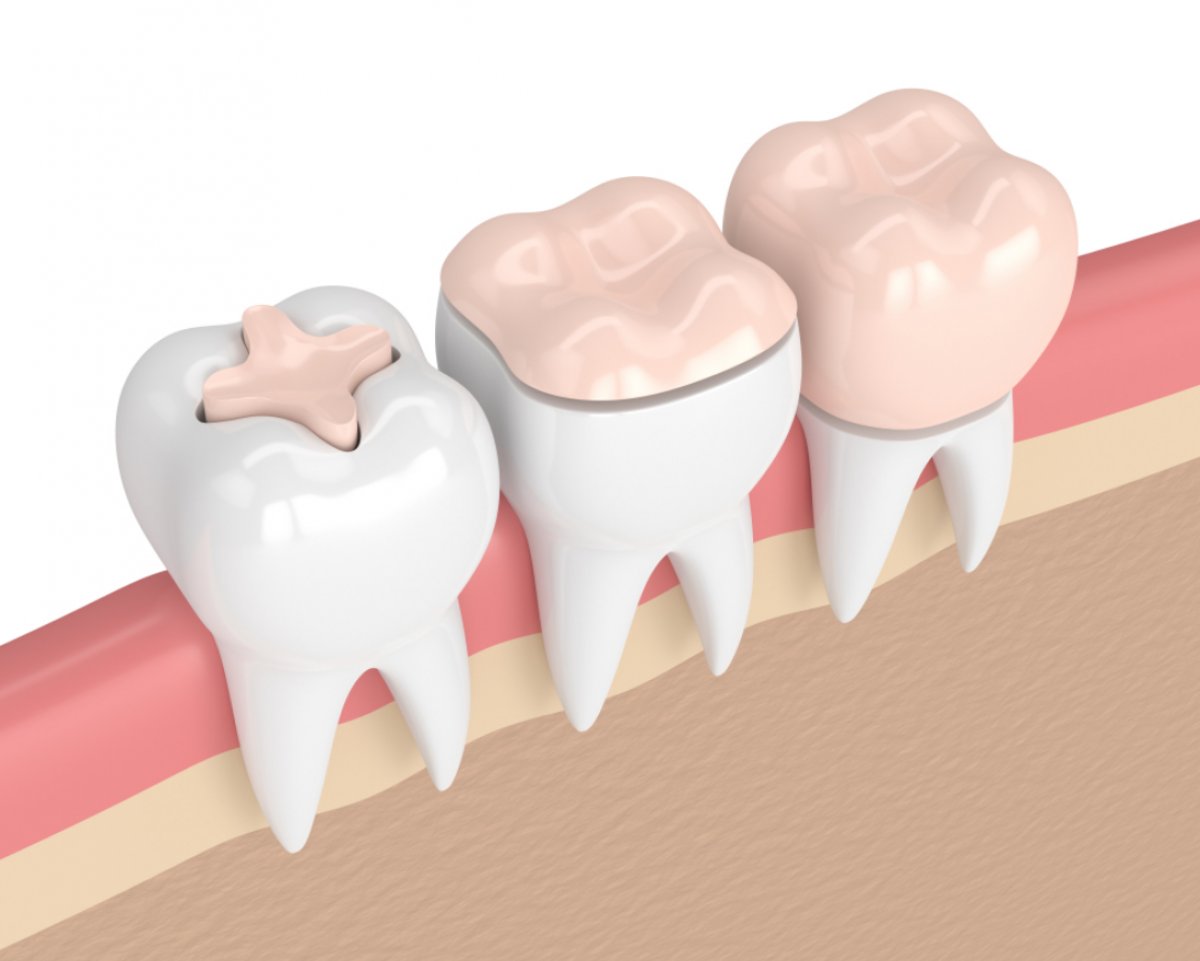
If there are large fillings, crowns, or aesthetic veneers on the teeth, whitening only affects the natural tooth surfaces. Therefore, since existing fillings or crowns do not change color, color mismatches may occur after the procedure. In this case, your dentist may suggest different treatment plans or consider adjusting the color of the restorations.