When is Implant Treatment Preferred for Missing Teeth?
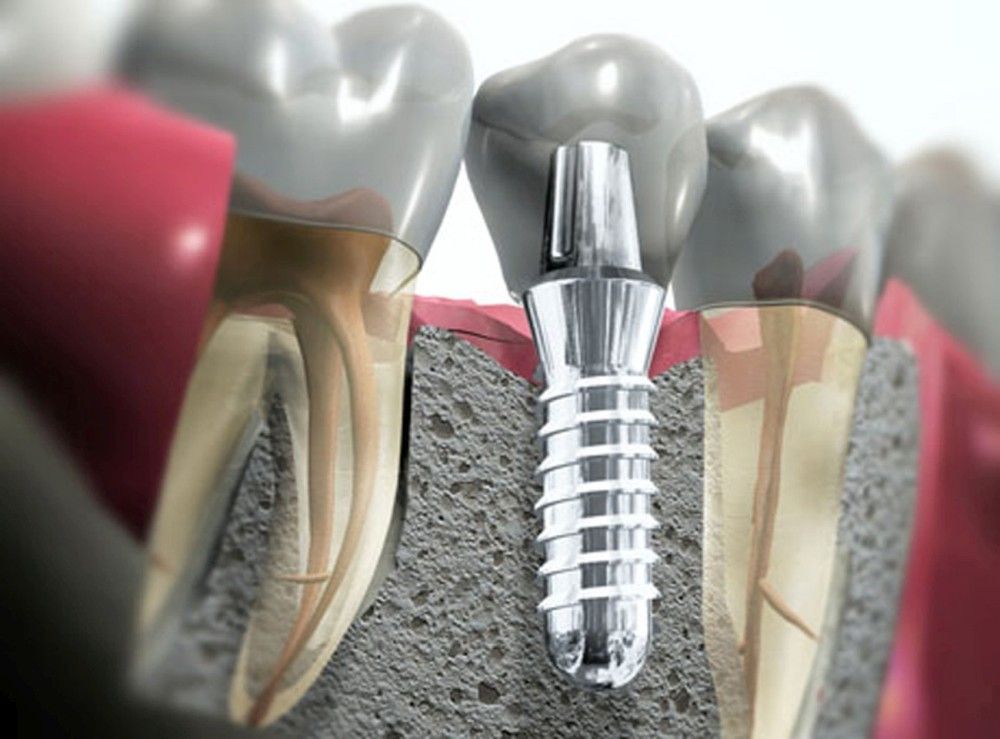
The procedures of implantology are preferred when it is necessary to reconstruct lost anatomical functions and tissue supports at the cellular level in medical compensation for gaps in the oral cavity. When one or more teeth are lost, a clinical scenario where the chewing mechanism is interrupted, adjacent tissues begin to move into the void, and physiological damage in the jawbone starts is common. To overcome this scenario and restore the chewing process, which is the first phase of the digestive system, to anatomical norms, titanium root forms are considered as a medical option by physicians.
The timing of the application varies depending on the patient’s systemic medical data, the status of the local bone tissue, and the reason for the tooth loss. Sometimes, this procedure is planned during the surgical session when the tooth is extracted from its alveolar socket, while at other times, a cellular waiting period of several months to alleviate an acute inflammation in the area becomes a medical necessity. Timing and preference criteria are based on the principle of maintaining the shape of other healthy teeth and transmitting the chewing pressure evenly to the jawbone. In this context, medical measurements concerning which stages and reasons surgical decisions are made in cases of missing teeth will be addressed in detail.
How Long After Tooth Loss Should Implantology Be Started?
Placement of titanium screws after tooth loss can be planned during the early period of 4-8 weeks for expected soft tissue repair or in the late period of 3-6 months when bone healing is complete, according to medical evaluations, during the same session the tooth was extracted. The choice of time frame is determined by the bone volume at the extraction site and the presence of infection.
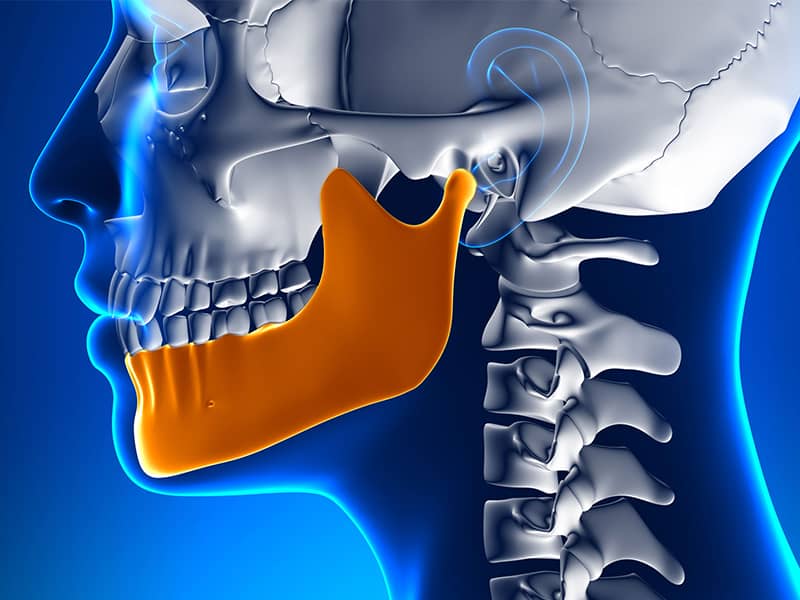
Early period planning aims to reduce volumetric decreases (resorption) that may develop due to tooth loss in the jawbone. When a tooth is extracted, mechanical stimulants that go to the bone tissue in that area during chewing are interrupted. This lack of stimulation leads to the withdrawal of bone cells over time and the thinning of the jaw crest. The implantology procedures applied in the first months of edentulousness help to counteract this anatomical resorption.
However, if extraction has been performed due to a large abscess, cyst, or acute infection in the tooth, immediate intervention poses a medical risk. Placing titanium material into a site with a dense bacterial flora jeopardizes the tissue integration process. In such clinical situations, doctors expect the extraction socket to heal with its own cellular structure. The table below classifies post-extraction timing protocols and medical indications:
| Timing Protocol | Waiting Period | Reason for Application (Medical Indication) |
|---|---|---|
| Immediate (Same Day) Application | Same session as extraction | In situations where there is no acute infection, and the bone walls are thick and anatomically intact. |
| Early Period Application | Between 4 and 8 weeks | When soft tissue (gum) healing is complete and the surgical incision area is expected to close. |
| Delayed (Standard) Application | Between 3 to 6 months | In the presence of acute abscess or cyst, for the cessation of infection and to complete the structural repair of the bone. |
| Advanced Period (Late) Application | Longer than 6 months | Procedure applied after supporting the loss of teeth lost years ago with bone powder (graft). |
In Which Types of Tooth Loss is Implantology Prioritized?
This procedure is primarily evaluated to protect the enamel of adjacent healthy teeth in cases of singular tooth loss, to support the possibility of bridge construction in the back region of free-ended edentulous areas, and to resolve the mobility issue of removable prostheses in completely edentulous jaws. In all three cases, the goal is to establish the dynamic of chewing through medical methods.
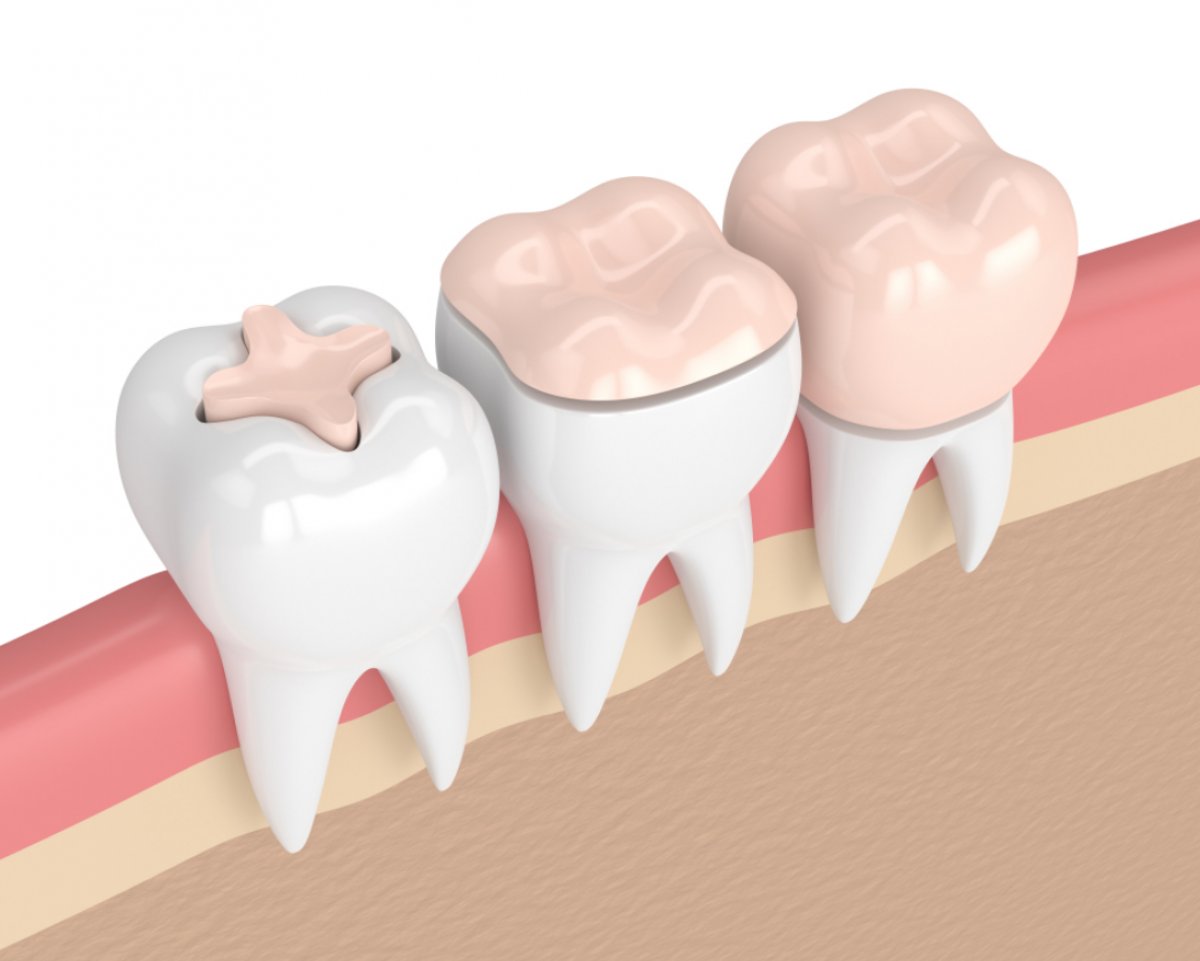
When traditional bridge prostheses, which are the conventional approach in single tooth deficiencies, are applied, the enamel of the healthy teeth on both sides of the edentulous gap is trimmed down. This is generally an undesirable situation in contemporary dental practices. When a titanium implant is used, the gap is rehabilitated as a single unit without causing any physiological harm to the neighboring teeth.
When multiple molar teeth are lost in the farthest back areas of the jaw, traditional methods can only accommodate removable dentures because there is no longer a back support to attach a bridge prosthesis. At this point, titanium roots come into play, serving as a new support function in the back area, allowing for the creation of fixed bridges. In cases where all teeth are lost, a few strategically placed implants in the jaw ensure the tight retention of removable dentures or transition to a completely fixed prosthesis design.
When Does Bone Resorption Start Affecting Implant Treatment?
When bone resorption in the jaw starts, it is not considered a medical emergency; however, to compensate for vertical and horizontal volume loss, additional surgical procedures such as adding bone graft (powder) to the planning or elevating the sinus floor are included. With these advanced surgical techniques, the resorbed tissues are supported at the cellular level, making them suitable for material placement.
Bone resorption (loss) is an unavoidable physiological reaction in individuals who have been edentulous for many years. A decrease in the width or height of the bone below certain millimeters forces a standard-sized titanium screw to anatomically fit into that region. However, in modern dental practices, a reduction in bone volume does not create an impossibility. Missing areas can be filled using autogenous graft materials obtained from the hospital’s own jaw, synthetic materials, or allografts sourced from others.
In general, an additional biological healing phase of about 4 to 6 months is expected for the bone powders applied to integrate and harden with the patient’s own tissue. When there is an extension of edentulousness in the upper jaw, the maxillary sinuses with air spaces sag downwards. With a procedure called sinus lifting, this membrane is pushed upwards and supported by the newly created space with grafts. Therefore, although the resorption process may extend the duration of procedures, it continues the feasibility of the operation in accordance with medical protocols.
When Can Implantology Be Applied for Early Age Tooth Loss?
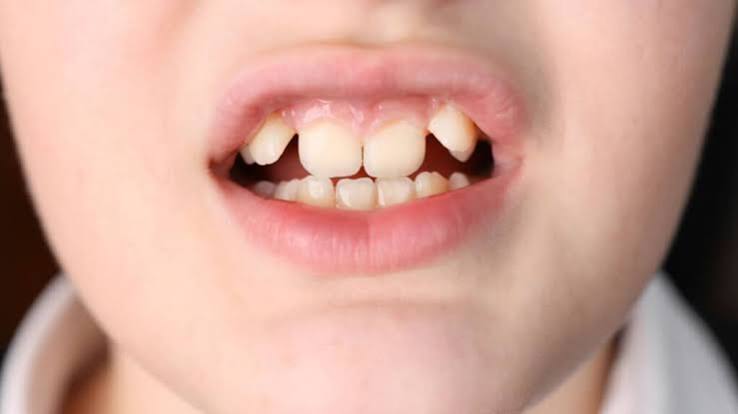
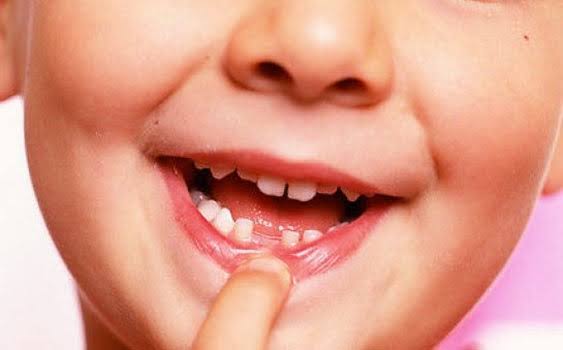
In early ages, especially during childhood and adolescence, tooth loss is medically postponed until the jaw skeleton completes its growth and development process (usually around age 18). During the period until development is complete, tooth gaps are supported with space maintainers, orthodontic appliances, or temporary dentures.
The jawbone continues to grow vertically and horizontally throughout the adolescence period. Titanium structures do not move with the bone like natural teeth; they remain stable by bonding to the bone in their positioned location. If a screw is placed in the jawbone during development, the jawbone will grow in the following years as the child grows, but since the screw will stay in the same place, it will be positioned lower than the level of other teeth (submerged).
To avoid this anatomical mismatch, doctors test whether the patient has completed their growth by examining hand and wrist X-rays or cephalometric X-rays radiologically. When it is determined that the ossification activities have stabilized, a permanent surgical procedure is performed. In this waiting phase, to prevent the adjacent teeth from shifting into the gap, passive movable retainers are used to keep the chewing system under protection.
Why Does Implantology Come to the Fore When Difficulties Are Experienced with Removable Prostheses?
In cases where removable prostheses (dentures) displace during speech, cause bruising while eating, and do not provide sufficient chewing force, implantology procedures come to the agenda to fix these prostheses to the jawbone or to increase their stabilization. This approach refers to a transition from a tissue-supported system to a bone-supported system.
Classic movable dentures hold on solely through saliva, vacuum effect, and the surface shape of the jawbone. Since the tongue movements are very active in the lower jaw, it is anatomically quite difficult for the prosthesis to remain fixed on a resorbed lower jawbone. Patients often complain that their prostheses move while chewing and that they develop sores on their gums.
Two or four titanium screws placed in the jaw are locked into special sockets (locking systems or bar systems) embedded in the inner part of the movable prosthesis. Thus, although the patient can remove the prosthesis for cleaning, the likelihood of the prosthesis moving while chewing or speaking in the mouth is eliminated. This medical solution, which enhances the quality of life and the initial efficiency of the digestive system, is frequently recommended by doctors for individuals who cannot adapt to classic dentures.
At What Stage is Implantology Preferred for Aesthetic Expectations in Anterior Jaw Losses?
In the case of anterior tooth (front tooth) losses, which are the focal point of aesthetic expectations, procedures are preferred in the early stage simultaneously with or immediately after tooth extraction to prevent the loss of the triangular protrusions (papillae) in the gum tissue and to maintain the gum level. Timing is extremely critical in these areas, as the loss of soft tissue can lead to aesthetic asymmetries.
In the anterior area, following the loss of a tooth within the smile line, not only bone tissue but also surrounding gum tissue begins to rapidly recede. When the gum recedes, the length of the porcelain crown to be placed later appears anatomically longer compared to neighboring teeth. To manage this undesirable aesthetic situation, doctors extract the problematic tooth in the anterior area using atraumatic (without damaging the tissue) techniques and position the screw into the bone within the same session.
Immediately after this procedure, a temporary prosthesis (crown) is placed that does not put stress on the area but shapes the gums. The temporary prosthesis supports the soft tissue to help maintain the natural form of the gums. Once the cellular integration of the jawbone is complete, a lasting aesthetic result is achieved with materials that are very close to natural enamel, such as zirconium. As seen in the medical plans of clinics like Avrupadent, the symmetry of the anterior region is created from scratch using digital measurements based on radiological data.
When Can Implantology Be Applied Once Systemic Health Issues Are Controlled?
When systemic health issues such as diabetes, hypertension, or clotting disorders are brought under control (regulated) with medical follow-ups and medication adjustments, surgical procedures can be performed with the written consultation approval of the relevant physician. A period during which blood values are stable should be preferred to prevent disruption of cellular wound healing.
Performing a surgical incision in the presence of uncontrolled diabetes carries serious infection risks due to the slow functioning of the defense cells in that area. When the HbA1c value, which indicates blood sugar levels, is drawn into reference ranges, the surgical risk for individuals with diabetes becomes medically comparable to that of healthy individuals, and treatment can begin.
In patients with cardiovascular diseases using anticoagulant medications, dose adjustments are made by the prescribing cardiologist or internal medicine specialist to control bleeding during the operation. With these adjustments made under physician supervision a few days prior to the operation, when bleeding parameters (such as INR values) reach the limits, medical intervention can be safely planned. Stabilization of systemic conditions is one of the main factors determining the timing of the operation.
At What Stage Do Implantology Intervene Alongside Orthodontic Treatments?
In cases where orthodontic treatments (braces or clear aligners) are applied, the placement of titanium screws typically occurs towards the end of the active orthodontic process, when the teeth are being moved to their new positions or immediately after it finishes. Since titanium roots, which remain fixed within the bone, cannot be moved by braces, it is expected that the anatomical positions will be clarified.
If there is a missing tooth in the mouth of an individual undergoing orthodontic treatment, the gap can be expanded, narrowed, or completely closed by shifting adjacent teeth using orthodontic forces. If the treatment plan has decided to place a porcelain tooth in that gap, the orthodontist will align the roots of the neighboring teeth to create the necessary millimetric space for the surgical procedure.
Once the area is clarified and the tooth movement process is completed, the jaw surgery phase begins. In some exceptional medical situations (for example, in orthodontic cases requiring significant force), a screw placed in the jawbone can be used as an “orthodontic anchorage” (support point) and may be placed at the beginning of the process, with braces receiving support from a temporary tooth placed directly on this screw. Both scenarios are subject to the multidisciplinary planning protocols of dental practitioners.
Why Is Implantology Sought in Cases of Unilateral Impairment of Chewing Function?
In cases where chewing function is performed unilaterally due to tooth loss in either the right or left jaw, implantology is sought to prevent discomfort in the temporomandibular joint (TMJ) and muscle asymmetries. This treatment re-establishes a balanced bilateral chewing dynamic by making the vacant area functional.
Individuals who lose molars on one side are forced to perform the chewing process with the other side that still has teeth. Unilateral chewing that lasts for months or years can lead to excessive development of the chewing muscles (masseter muscle) in that area, causing an asymmetrical appearance on the face. More importantly, the uneven loads on the temporomandibular joint (jaw joint) can lead to displacements of the joint disk, clicking sounds when opening and closing the mouth, and chronic headaches.
The table below summarizes the anatomical consequences of unilateral chewing and the contributions of surgical rehabilitation:
| Physiological Effect Area | Results of Unilateral Chewing | Contribution of Surgical Intervention |
|---|---|---|
| Muscle System | Muscle hypertrophy (excessive growth) and asymmetry on the side where chewing occurs. | Normalization over time of the ratio imbalance of muscles with the distribution of the load to both sides. |
| Jaw Joint (TMJ) | Pressure in the joint, disk dislocation, chronic pain, and limitation. | Biomechanical relief of intra-articular structures by redistributing pressure. |
| Other Natural Teeth | Rapid enamel wear and sensitivity in the continuously working teeth in the area. | Reduced risk of fractures due to excessive loading by distributing force throughout the jaw. |
What Medical Data Determines the Timing Decision in Implantology Applications?
The timing decision in implantology applications is determined by doctors based on a combination of bone density values obtained from radiological tomography, soft tissue healing capacity, and systemic medical condition (such as blood tests). As a result of analyzing this data, the urgency of the case or waiting period is established within the framework of medical standards.
In determining the timing for a decision, it is not only about when the tooth was extracted; the cellular response of the alveolar bone in that area after the extraction is also fundamental. If the bone walls are thick and the anatomy has proper nourishment, the waiting period is kept short. In clinical settings like Avrupadent, where medical procedures are frequently observed, when the digital scan results indicate the adequacy of the bone, medical planning takes shape directly.
On the other hand, the patient’s oral flora, the treatment status of existing periodontal diseases, and the overall hygiene level also delay the timing. Entering into surgery in the presence of active periodontitis violates medical rules; primarily, it is a condition that the gums must attain a healthy structure. Therefore, the answer to the question of “when” is not found in the calendar but rather at the point where the patient’s individual cellular physiology has reached stability to endure a surgical intervention.
Frequently Asked Questions (FAQ)
1. Can implantology be performed immediately after tooth extraction?
If there are no cysts or acute infections around the root of the extracted tooth and the bone thickness is adequate for surgical planning, immediate placement of a screw into the jawbone can be ensured within the same session.
2. Does the passage of years after extraction prevent implantology?
The passage of years alone does not pose an obstacle. However, during that time, the jawbone in that area may have lost volume. In this case, through advanced radiological examinations, the area can be made suitable for medical structure by adding bone powder (graft).
3. Why isn’t implantology performed immediately for those under 18?
The growth of the jawbones continues actively during childhood and adolescence. Since the titanium pieces placed cannot move with the bone, waiting until growth stops is a medical necessity to prevent anatomical symmetry from being disturbed.
4. Can implantology be performed while undergoing orthodontic (braces) treatment?
If the width of the planned area has been clarified by the orthodontist, it can be done correctly in the final stages of the treatment. Additionally, in some cases, it can be used during the early stages of the process to create a temporary anchorage point to support the braces.
5. When can implantology be done if tooth loss occurs during pregnancy?
During pregnancy, non-emergency surgical procedures and X-rays are generally postponed until after delivery. When a tooth is lost, the area is left clean, and a procedure is planned with the gynecologist’s approval during an appropriate phase of the postpartum and breastfeeding period.
6. When is implantology planned for individuals with weakened jawbones?
In clinical cases where bone volume is diminished, direct placement is not performed. First, synthetic or natural bone grafts are applied to create volume, and it is expected to take an average of 4-6 months for this graft to turn into the patient’s own bone.
7. When does implantology come into play if baby teeth haven’t fallen out?
In some individuals, baby teeth remain in the mouth until adulthood because there is no permanent tooth coming from below. When this baby tooth must be extracted due to structural weakness, if the individual is over 18, surgical intervention is immediately considered as a permanent solution.
8. How is the decision for implantology made when dentures become loose?
Because the jawbone erodes over the years, existing plate dentures lose their retention when this occurs. A radiological tomography of the hospital is taken, and the stability of the existing or new prosthesis is medically increased with a small number of screws placed in strategically dense areas of the bone.
9. At what stage is implantology preferred for tooth fractures caused by accidents?
If irreparable fractures occur in the tooth root due to trauma or accidents, and there is no severe bruising or bone fracture in the surrounding tissues, extraction can be performed in a short time, with medical root placement planned in the same session.
10. How long should one wait for aesthetics in anterior tooth loss?
To prevent the collapse of the gums and the loss of papillae in the anterior area, surgical intervention is usually performed the same day without waiting, and a temporary plastic tooth that does not exert pressure is added to preserve the soft tissue form.
11. When is implantology evaluated in patients undergoing chemotherapy?
In patients receiving chemotherapy or radiotherapy to the head and neck region, cellular healing mechanisms are suppressed. After the treatments are completed, dental treatments are considered at a later date when approved by the oncology specialist and when blood values have returned to normal.
12. When does the process begin for teeth lost due to gum diseases?
Bacterial tissues in the place of teeth that have fallen out or been extracted due to periodontitis need to be cleaned. After healthy, non-inflammatory, and non-bleeding tissue healing is observed in the relevant area (usually after a few months), surgery is planned.
13. Why is implantology preferred over bridges in cases of missing single teeth?
In bridge applications, the completely healthy teeth next to the gap must be trimmed to size. Current medical approaches focus on preserving the original tissue, preferring to intervene directly on the gap to avoid damaging neighboring teeth.
14. How long after the removal of jaw cysts can implantology be performed?
Cyst surgeries create a large cavity within the bone. The physician fills this cavity with bone powder. The process of cellular repair and solidification of the related cavity may take 3 to 8 months, depending on the size; once this healing is confirmed, the procedure can proceed.
15. How does wound healing in diabetic patients affect the timing of implantology?
In diabetic patients, unstable blood sugar levels slow down wound healing. The surgical procedure is planned after the HbA1c level falls within the safe reference ranges determined by the doctors. Additionally, the expected cellular integration period after the screw is placed into the bone may be slightly longer than standard.