When Should the First Visit to the Pediatric Dentist Be Made?
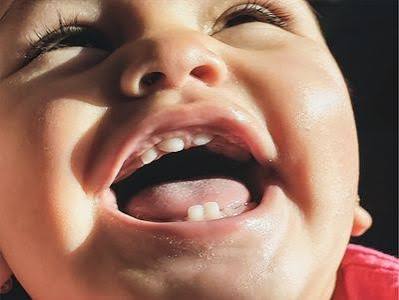
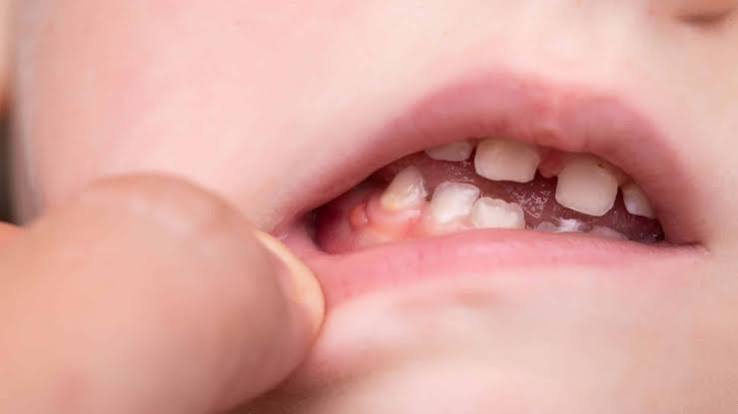
The first visit to the pediatric dentist should be made when the baby’s first milk tooth appears in the mouth (usually around the 6th month) or at the latest by the child’s first birthday. The main aim of this early visit is to assess the baby’s oral development before any tooth decay or disease occurs, and to initiate preventive health measures by teaching parents proper nutrition and hygiene habits.
In our society, there is a common misconception of delaying clinical visits until all the milk teeth are lost or until visible signs of decay/pain occur. Medical literature and current pediatric approaches show that interventions made after problems arise are more challenging for both children’s psychology and also complicate treatment processes. An early age examination establishes a relationship with the pediatric dentist’s chair that is merely for familiarization and play. The foundations for a healthy jaw and facial development are laid during this stage.
Why Is It Important for Babies in Izmir to Have Early Familiarization with the Dentist?
Early familiarization of babies with the dentist in Izmir helps them get used to the clinical environment, the doctor’s presence, and medical instruments without experiencing any pain or intervention, which prevents the fear of dentists (dental phobia) that may develop in the future, and is very important in terms of providing parents with training on preventive oral health appropriate for Izmir’s nutrition culture.
Fear often arises from the unknown or past negative experiences. If a child is brought to a dental clinic for the first time with severe pain, the medical intervention will engrave in the child’s memory “dentist = difficulty”. The philosophy of preventive dentistry adopted at Izmir Avrupadent clinics aims to break this negative cycle. For a baby brought to the clinic around the age of 1, the dentist’s chair is merely a new playground filled with colorful lights and mirrors. This positive conditioning makes it extraordinarily easier for the child to adapt to preventive treatments such as routine fluoride or fissure sealant applied during growth stages.
| Evaluation Criteria | Early Period (0-1 Year) Diagnosis | Late Period (Based on Complaints) Diagnosis |
|---|---|---|
| Child Psychology | The clinical environment is coded as a safe space, compliance is high. | Defense mechanisms are activated due to pain and anxiety, fear develops. |
| Need for Medical Intervention | Only information, brushing training, and preventive follow-up are needed. | Procedures such as root treatment, fillings, or extractions are required. |
| Parental Awareness | Unhealthy eating habits are corrected before they start. | After cavities form, efforts are made to repair the damage. |
What to Expect for Babies and Parents During the First Examination?
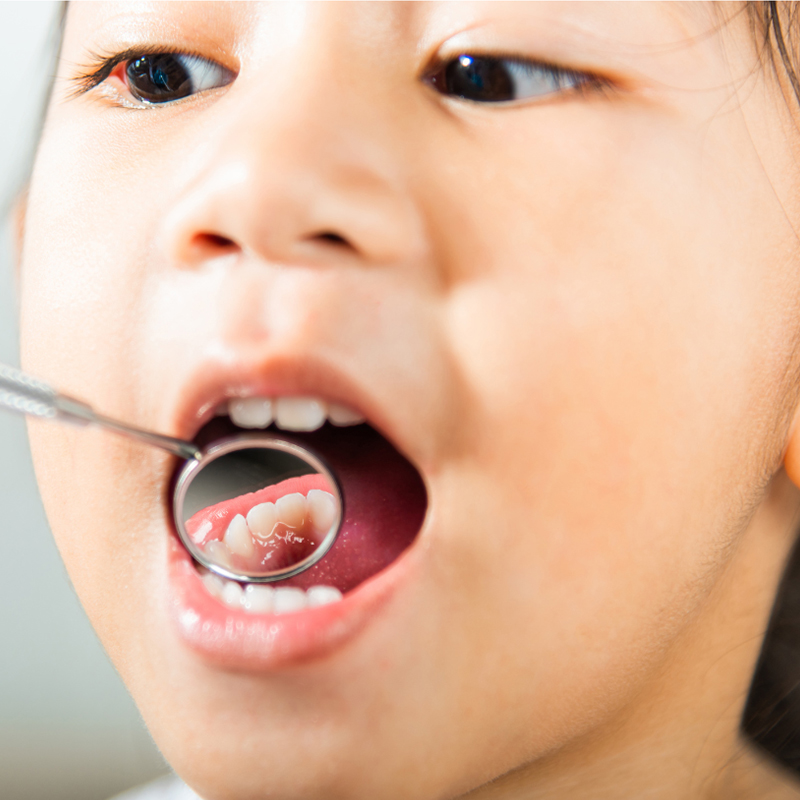
In the initial examination, the baby and parents sit securely knee-to-knee without scaring the child with medical instruments, allowing the oral cavity to be examined only with the help of a mirror, assessing the gum tissues, the frenulum of the tongue, and the developmental status of existing primary teeth, followed by a one-on-one hygiene education given to the family.
In the 1-year-old examinations of babies, the traditional dental chair is not always used. The doctor and the parent sit knee-to-knee, with the baby’s head resting on the doctor’s knee while in the parent’s lap. This way, the baby feels safe during the examination without losing eye contact with their mother or father. In this brief visual examination, the doctor checks whether the lip and tongue ties are short enough to affect sucking or future speech functions, the structure of the palate, and the enamel quality of the erupting teeth. A significant part of the clinical process is spent answering the parent’s questions and practically demonstrating how to clean the baby’s teeth at home using various materials.
How to Prevent Early Childhood Caries (Bottle)
Early childhood caries is prevented by completely avoiding harmful habits such as the baby’s habit of drinking milk, formula, or fruit juice from a bottle while falling asleep at night, cleaning teeth with a damp gauze or finger brush after feeding, and applying sugary liquids to the nipple for the baby.
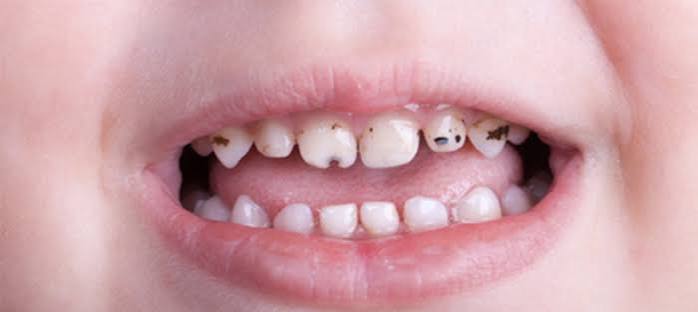
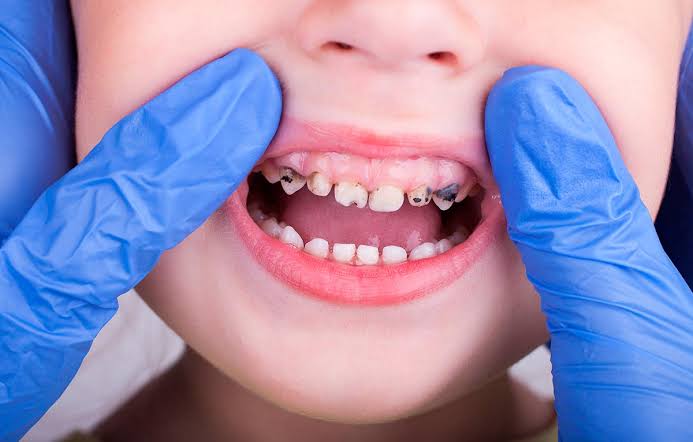
During sleep, the salivary secretion in the human body decreases to a minimum level. Saliva is the most important physiological barrier that washes away food remnants in the mouth and balances acidity. When a baby sleeps with milk (containing lactose/sugar) or sweetened liquids in its mouth throughout the night, these fluids stay around the teeth for hours. Since saliva does not have a washing effect, bacteria quickly convert this sugar into acid, leading to brown and brittle cavities, especially starting from the upper front teeth and rapidly affecting all milk teeth. It is crucial for families to ensure that the baby drinks water after night feedings and, if possible, to mechanically wipe away any milk residues from the tooth surfaces, as this is the strongest medical defense against this common disease.
- Night Feeding: After the age of 1, night feedings should be gradually reduced and concluded.
- Pacifier Use: Pacifiers should never be dipped in honey, molasses, or jam to calm the baby.
- Mechanical Cleaning: With the emergence of the first tooth, the tooth surfaces should be wiped with a clean (moistened) gauze after each feeding.
- Bottle Contents: Bottles should only be used for breast milk, formula, or water; sugary drinks should not be put in bottles.
What is the Physiological Role of Milk Teeth in Jaw and Facial Development?
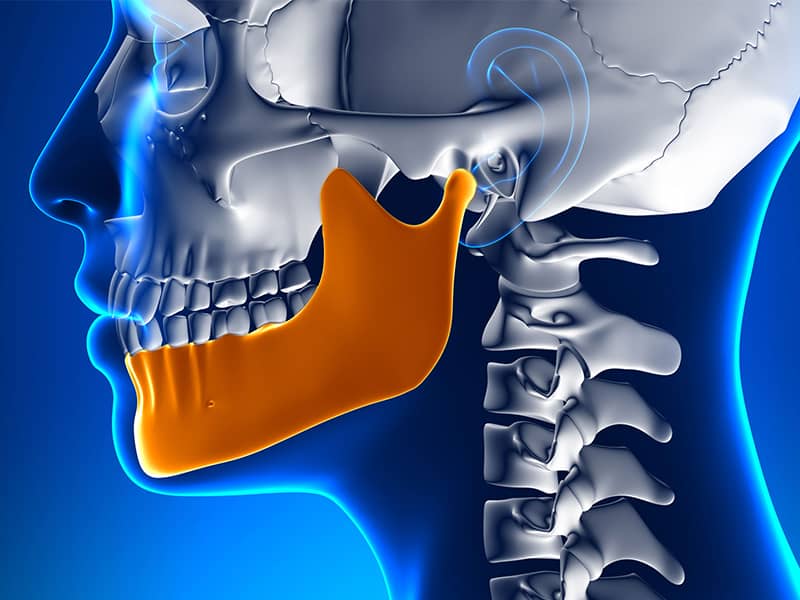
The physiological role of milk teeth in jaw and facial development is to initiate digestion by biting and chewing the necessary nutrients for the baby’s growth, to stimulate the chewing muscles and promote the three-dimensional growth (expansion) of the jawbone, to ensure accurate pronunciation of letters (phonetics) while learning to speak, and to anatomically guide the permanent teeth that will come in.
The 20 milk teeth are not temporary and insignificant structures as believed. The arrangement of milk teeth determines the child’s facial height and skeletal proportions. As milk teeth perform the function of chewing, they send mechanical stress (stimulus) to the jawbones. This stimulus helps to ensure the functioning of bone cells (osteoblasts) and aids in the growth of the jaw. In children who have lost milk teeth early due to loss of function, the jaw arch cannot expand sufficiently. Additionally, in children who lose their front teeth early due to decay or trauma, the pronunciation of sounds (such as s, f, v, t, d) that occur when the tongue contacts the teeth is disrupted, which can lead to speech disorders (slurring).
How is Dental Brushing Education Provided in İzmir Avrupadent Clinics for Children?
In İzmir Avrupadent clinics, dental brushing education for children is provided in a practical manner (through models) for parents to select toothbrushes suitable for their children’s age and motor skills, properly adjust the amount of toothpaste (a smear or the size of a pea), and to make brushing a fun family routine done together with parents rather than just a chore.
The hand and motor skills of young children have not sufficiently developed to use toothbrushes to clean all surfaces of their teeth. Therefore, until around the average age of 7-8 (when the child can tie their own shoelaces), the action of brushing should be done under the control and assistance of parents. In European clinics, doctors demonstrate to parents how to access their child’s teeth. For example, the use of fluoride toothpaste in children aged 0-3 should only be a ” smear ” (a film as thin as a grain of rice) applied to the toothbrush. In the 3-6 age range, this amount is increased to the size of a “pea”. It is practically explained that the brushing process should last for two minutes either by timing with a timer or using an hourglass.
How Do Feeding Habits in Infancy Affect Dental Health?
Feeding habits in infancy can significantly influence dental health; the regular consumption of carbohydrates (sugars and starches) in a sticky form, spread out between meals, keeps the acid level in the oral flora constantly high, leading to rapid erosion of the enamel of milk teeth (demineralization). In contrast, regular meals and high water intake support the protective effect of saliva on the teeth.
The bacteria that produce acid in the oral flora (streptococcus mutans) utilize the sugars they obtain from food to produce lactic acid. If a child continuously carries a biscuit, sugar, or fruit juice throughout the day, the pH level inside the mouth remains constantly acidic. The mouth needs about 20-30 minutes to wash away and balance this acid. Frequent snacking does not provide this recovery opportunity for the mouth. Therefore, it is important to consume water immediately after eating sugary or carbohydrate-rich foods or to rinse the mouth. Particularly, foods like cheese and yogurt that help maintain (buffer) the acid balance and are rich in calcium are among the most effective dietary arrangements to prevent the formation of cavities.
Why is Fluoride and Fissure Sealant Used in Pediatric Dentistry (Pedodontics) Practices?
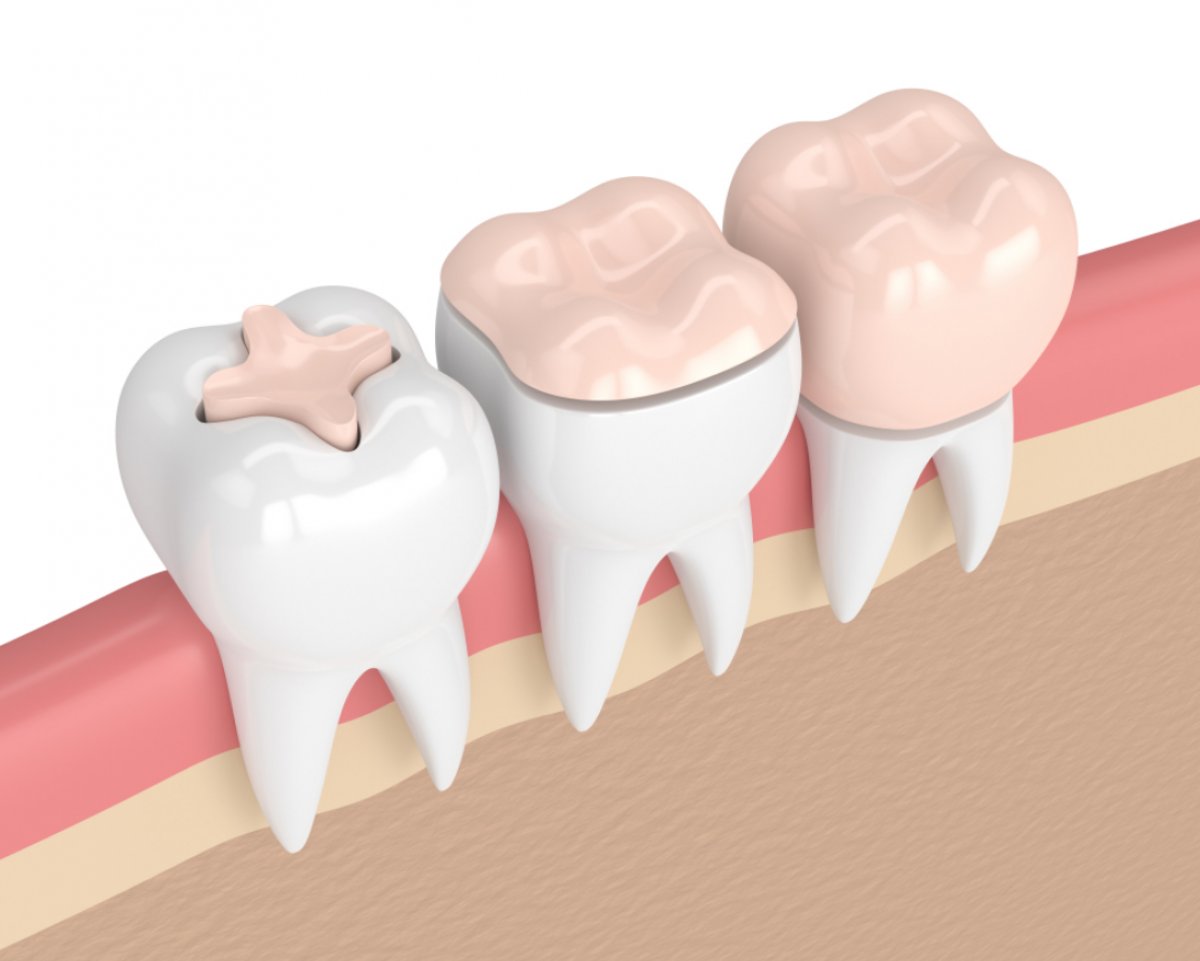
Pediatric Dentistry (Pedodontics) practices use fluoride and fissure sealant to chemically strengthen children’s tooth enamel against decay acids (fluoride) and to prevent food and bacteria accumulation by sealing the deep grooves on chewing surfaces that toothbrushes cannot reach with a physical barrier (fissure sealant). These are among the most reliable and effective preventive medical procedures.
Preventive dentistry aims to prevent the formation of diseases rather than treating them after they occur. Fluoride treatments are applied to the tooth surface in the form of special varnishes or gels by a dentist. Fluoride ions combine with the enamel of the tooth (forming fluorapatite crystals), making the enamel much more resistant to demineralization and enabling the cellular repair of small initial cavities (remineralization). Sealants are liquid, nail polish-like dental materials applied to the chewing surfaces of the first permanent molars around the age of 6, where there are grooves. These materials fill in the pits, smooth the surface, and increase the effectiveness of brushing while protecting the most cavity-prone areas.
| Application Feature | Fluoride Varnish / Gel Application | Sealant Application |
|---|---|---|
| Protective feature | Chemical support (strengthens enamel structure against acids). | Physical barrier (prevents bacteria entry by closing grooves). |
| Application Area | Applied to all surfaces of all teeth (front and back). | Only applied to the grooves of the chewing surfaces of the back (molar) teeth. |
| Clinical Procedure Process | Teeth are dried and applied in a polishing form with a small brush. | Grooves are cleaned, liquid resin is applied and cured with blue light. |
How to Manage Discomfort Experienced During the First Tooth Eruption Phase?
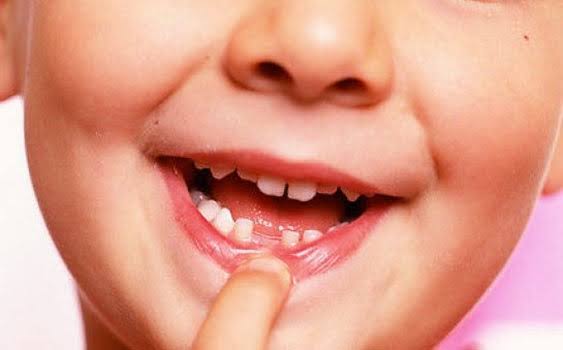
Discomfort experienced during the initial teething phase can be managed safely with non-pharmacological methods: gently massaging the baby’s gums with a clean and cool finger, using teething toys containing chilled (not frozen) water, and gently wiping the area around the lips, which may become irritated due to increased drooling, with a clean cloth.
The teething (eruption) process creates a physiological inflammation in the baby’s oral mucosa. It is very normal to observe tension, sensitivity, slight redness, and an increase in saliva (salivation) as the tooth attempts to penetrate through the gum. During this period, babies often bring any hard object they can reach to their mouths to apply pressure to the area and relieve the itching sensation. Parents should store quality teething toys, filled only with water and free of chemical gels, in the lower shelf of the refrigerator and offer them to the baby, benefiting from the soothing and cooling effect. In cases of severe discomfort, fever, or diarrhea, random use of oral gels should be avoided, and medical support should be sought with a doctor’s advice.
What Should Be the Limits of Pacifier and Bottle Use?
While limits on pacifier and bottle use may be acceptable in the early years to soothe the baby’s natural sucking reflex, they should definitely be gradually discontinued by the age of 2 to 2.5 years to prevent permanent physical deformities affecting skeletal jaw development (palatal arches).
Sucking habits apply continuous vertical mechanical force on the upper palate (maxilla). This habit, which lasts for many years (up to 3-4 years), causes the upper jaw to narrow in a “V” shape (narrow palate) and pushes the upper front teeth outward like a fan. This results in an open bite, where even if the lower and upper teeth touch at the back, there remains a gap in the front. As the child grows, the sippy cups should replace the bottle, followed by regular cups. Dipping the pacifier in sugar, honey, or molasses to soothe the baby during pacifier use has been strictly prohibited by medical guidelines as it leads to severe and rapid acid secretions in the mouth.
How Do Regular Clinic Check-Ups Positively Affect Child Psychology (Dental Phobia)?
Regular clinical check-ups condition children’s psychology; by coding the clinical environment (sounds, lights, tools) as a reliable routine without associating it with pain or difficult procedures, managing the child’s anxiety through play techniques (Tell-Show-Do) by the dentist, and developing the child’s awareness of their own body (oral health).
Dental phobia (dentist fear) that develops during childhood is a strong psychological barrier that causes individuals to avoid dental treatments even in adulthood, leading to small issues turning into major surgical operations. During routine Pediatric Dentistry (Pedodontics) visits conducted every 6 months, children usually undergo completely comfortable processes such as counting their teeth, a little cleaning with a toothbrush, or applying a fruit-flavored fluoride protective gel. These painless visits allow the child to subconsciously define the clinical environment as “safe.” In later years, even when a small filling is needed, the child can easily complete the process without any psychological trauma since they already trust the dentist and the environment.
How Do Cavities in Baby Teeth Affect Permanent Teeth?
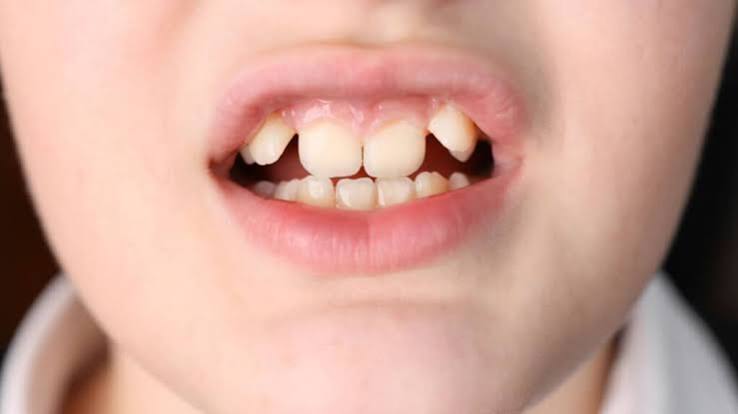
Cavities in baby teeth, if left untreated, can progress to the root tip, causing an abscess (infection), which disrupts the enamel calcification of the developing permanent tooth in the bone socket just beneath the baby tooth, leading to brown structural stains (Turner’s tooth) on the permanent tooth, or can change the eruption direction of the permanent tooth due to the pressure of the infection.
When the anatomy of the primary tooth root is examined, the roots of the primary teeth and the buds (follicles) of the permanent teeth are extremely close neighbors. When bacterial toxins leak from the nerve canal of the primary tooth, causing an abscess inside the bone, this acidic and disease-laden fluid directly contacts the underlying permanent tooth. If the enamel layer of the permanent tooth is exposed to this acid during its developmental stage (when it is not yet mature), its structure deteriorates. Years later, when that permanent tooth erupts, it shows signs of deformation, yellow/brown pits, or weak enamel areas. Therefore, the primary tooth fillings or root canal treatments (amputation) applied to primary teeth primarily aim to protect the underlying real and permanent tooth from such destructive infections while keeping that tooth in the mouth.
What Medical Precautions Are Taken If the Primary Tooth Is Lost Early (Extracted)?
If a primary tooth needs to be extracted (lost) before the time the permanent tooth is set to erupt due to infection or trauma, special medical devices (wires) called fixed or removable “space maintainers” are applied to the area to prevent the neighboring teeth from shifting into the gap and to keep the pathway for the upcoming permanent tooth open.
The presence of primary teeth serves a biological role in maintaining the spacing allocated for each tooth in the dental arch. For example, if a primary tooth that needs to erupt by age 11 is extracted at age 6, over the 5-year gap until its eruption, the teeth behind the extraction site will move forward, and the teeth in front will tilt backward; the opposing tooth will stretch toward that gap. As a result, that gap completely closes, and when the time comes, the permanent tooth that is supposed to erupt remains either buried inside the jawbone or erupts from the cheek or palate side (ectopic). Space maintainers consist of a simple metal band attached to the neighboring tooth and a wire extension to preserve the space; they do not cause any discomfort to the child but serve as a unique protective measure that prevents the need for severe orthodontic (braces) treatment later during adolescence.
What is the Medical Importance of Early Intervention in Trauma Situations?
Early intervention in trauma situations; the preservation of the vitality of teeth that are broken, displaced, or completely knocked out (avulsed) due to falls, blows, or sports accidents, the repair of surrounding bone tissue, and the reattachment of the displaced tooth to its original position within the first hour by reaching the clinic under proper storage conditions is critically important from a medical perspective.
Childhood is the period of highest physical mobility. The most commonly affected areas in accidents that occur at school, in parks, or at home are the upper front teeth. If a tooth is broken and the broken piece can be found, it can be restored to its original form with special adhesives when delivered cleanly (preferably in cold milk) to a doctor. However, if the tooth has completely dislodged from its socket along with its root, the parent must be aware. The tooth should never be held by its root (it should only be held by the crown) and should not be shaken. To prevent the living cells (ligaments) in the tooth root from dying, the tooth must be placed in a child’s own saliva or milk and taken urgently to the clinic. The doctor will immediately place the tooth back into its socket and initiate the healing process by securing it to adjacent teeth (by splinting).
How is the Initial Examination Process Planned for Children with Special Needs?
The initial examination process for children with special needs (those with mental, physical, or emotional developmental differences); involves learning in detail from the family about the child’s medical history, medications taken, and sensitivities (such as light, sound, etc.), tested through short and solely introductory-focused appointments for cooperation (adaptation). In necessary medical situations, procedures are planned with a multidisciplinary approach under safe operating room conditions, using general anesthesia or conscious sedation.