
Which Age Group Does Pediatric Dentistry Focus On?
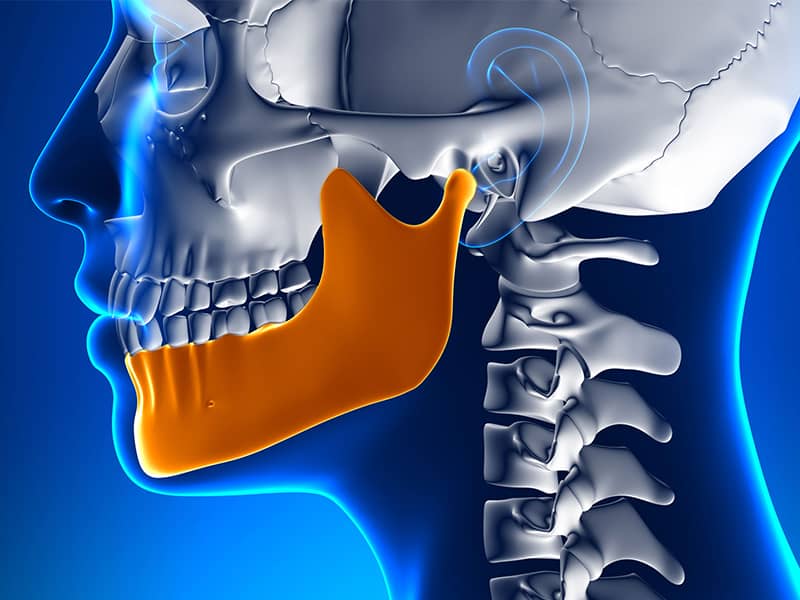
Pediatric dentistry concerns the development of the mouth, teeth, and jaw-facial structure of individuals generally aged between 0 and 15, covering the period from birth to the end of adolescence. This specialty includes all preventative and therapeutic procedures applied from the first appearance of primary teeth in the mouth until the completion of the mixed dentition period, when all permanent teeth take their places in the jawbone.
The fastest phase of growth and development in human life is undoubtedly during childhood and adolescence. The anatomy of the mouth and jaw also reflects this rapid change. While an adult’s oral structure is largely static (stationary), the mouth of an individual aged 0-15 is a dynamic ecosystem that continuously changes, growing, and replacing lost teeth. The treatment needs, cellular responses, and bone flexibilities of the tissues in this age group are based on physiological rules that differ entirely from those of adults.
When Should Dental Check-Ups Start in Infancy?
In infancy, dental check-ups should begin with the first appearance of a primary tooth in the baby’s mouth, typically around the sixth month or no later than the child’s first birthday. This initial visit made early on is the most important preventive healthcare step, providing parents with nutrition and hygiene education to prevent tooth decay and objectively assessing the baby’s jaw development.
Traditional practices aim to take children to the dentist only when they complain of tooth pain or when a problem is visibly apparent. However, current pediatric medical literature is based on “preventive dentistry,” which targets taking precautions before disease occurs. The first examination at the age of one is more of a consultation session directed at the family rather than a medical intervention on the baby. The harms of getting babies used to sleeping with a bottle, the correct toothbrushes to be used, and the tissue cleaning that should be done after nighttime feeding are explained to the family. This early visit ensures that the baby feels safe in clinical settings in the following years, preventing the development of dental anxiety.
Why is the Development of Primary Teeth Important in Early Childhood?
The development of primary teeth during early childhood (ages 2-6) is extremely important for supporting the child’s digestion by chewing solid foods healthily, enabling correct pronunciation of sounds while learning to speak (phonetics), and guiding the permanent teeth developing inside the jawbone to emerge correctly.
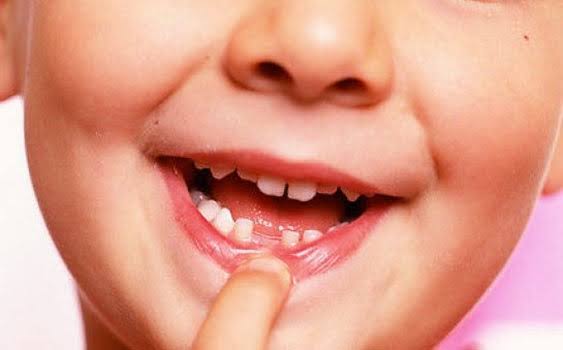
This age group is a period where the child gets acquainted with the social environment, develops speech skills, and establishes feeding habits. Primary teeth, which total 20, take their place in the child’s mouth and provide the necessary mechanical stimulation (chewing pressure) for the three-dimensional growth of the jawbones. Ignoring the loss or early extraction of primary teeth with the mindset of “they will fall out anyway” negatively affects the child’s growth and development. A child missing front teeth cannot pronounce certain letters (s, f, v, t). A child missing back teeth experiences nutritional deficiencies as they cannot chew adequately. Additionally, primary teeth serve as a biological framework that preserves the space for the permanent teeth waiting in bud form beneath them.
| Age Group | Priority Medical and Developmental Functions |
|---|---|
| 0 – 2 Years (Infancy) | This is the teething phase; facilitates the transition to solid food, develops the sucking reflex. |
| 2 – 6 Years (Preschool) | Supports speech articulation, provides stimulation for mechanical growth of the jaw bones. |
| 6 – 12 Years (Mixed Dentition) | Creates a pathway for the permanent teeth, maintains the spaces below. |
What Preventive Treatments Are Applied in School-Aged Children?
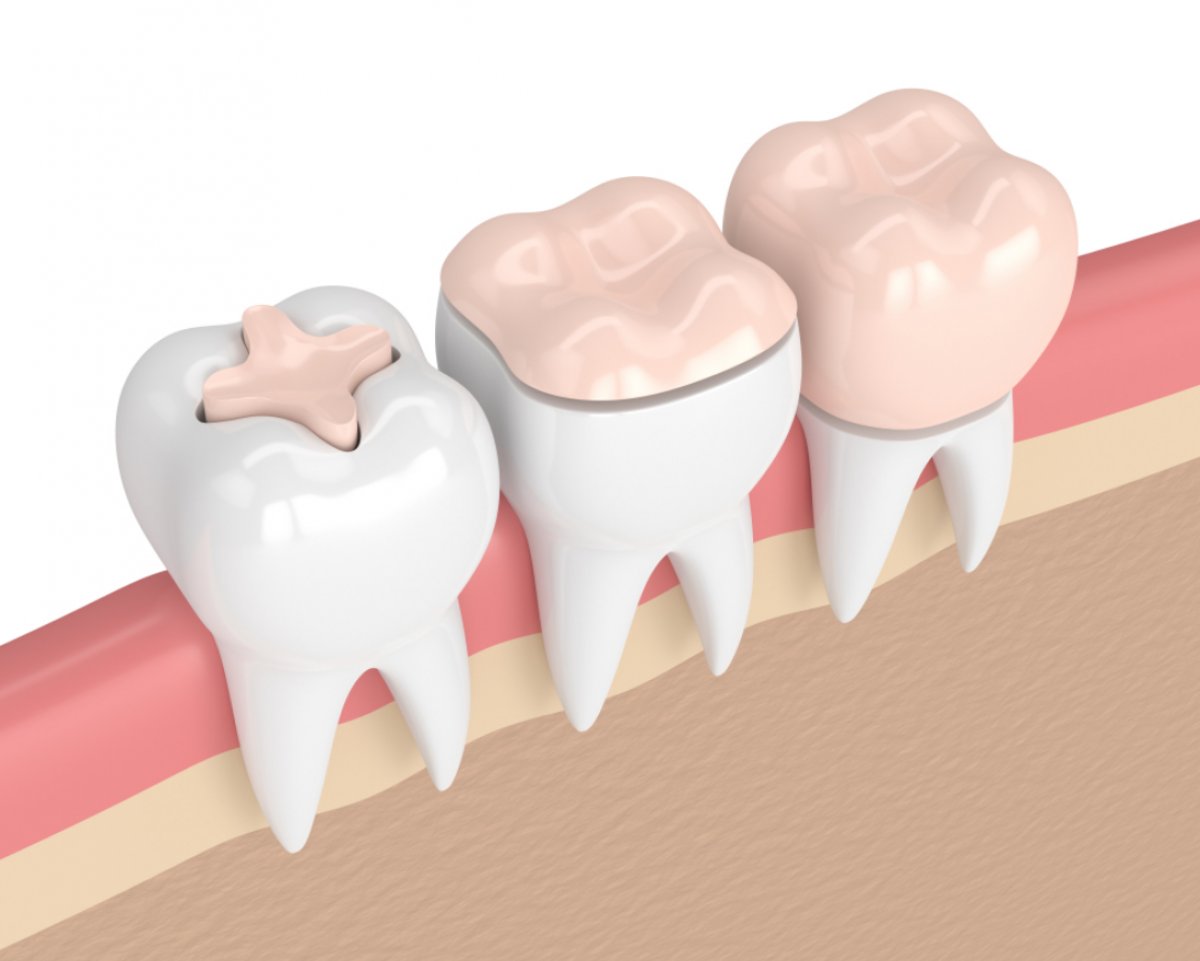
In school-aged children (6-12 years); surface fluoride varnish applications that chemically strengthen tooth enamel against bacterial acids and preventive treatments such as sealants that physically prevent bacterial accumulation by covering the fissured chewing surfaces of newly erupted permanent molars with flowable resins are applied.
At this stage, the concept of “mixed dentition” enters children’s lives. Around the age of 6, the first permanent molar (the 6-year molar) erupts right after the primary molars. Parents may often neglect the care of this tooth, mistaking it for a milk tooth. The enamel of newly erupted permanent teeth is not yet fully hardened and matured. Therefore, they are very vulnerable to acid attacks. Within the framework of the current Pediatric Dentistry (Pedodontics) approaches applied in İzmir, these teeth are placed under invisible protection in the mouth. Fissure sealants create a flat surface by filling the anatomical grooves that are so narrow that toothbrush bristles cannot reach. Fluoride varnishes applied at six-month intervals serve as a chemical shield against cavities by strengthening the enamel’s calcium structure (forming fluoroapatite).
What Physiological Changes Are Encountered During the Mixed Dentition Period?
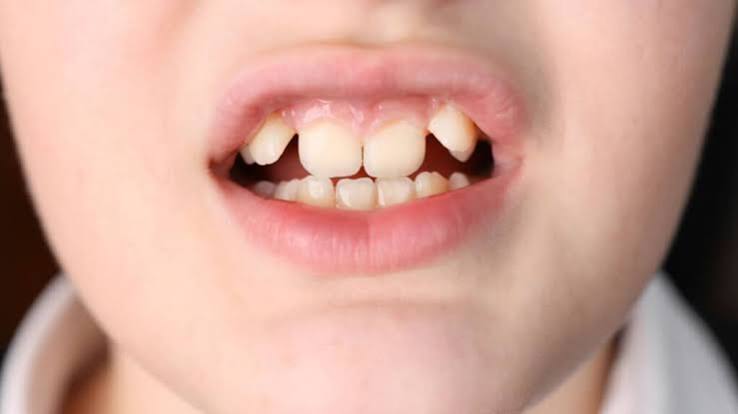
During the mixed dentition period (ages 6-12), since both the deciduous teeth that are being loosened and shed and the newly erupting permanent teeth are present in the mouth at the same time, mild redness around the gums, temporary aesthetic flaws, and natural anatomical adaptation processes such as the permanent teeth erupting behind or in front of the milk tooth can be observed.
This age group is a period when parents often panic and rush to the clinic. Especially in the lower front tooth area, permanent teeth typically start to emerge from behind without waiting for the baby teeth to fall out. A double row of teeth appears in the child’s mouth. This situation is often physiological; due to the pressure exerted by the permanent tooth and the pushing force of the tongue, the baby tooth in front gradually falls out, and the permanent tooth progresses toward its own path (forward). Additionally, at this stage, because the jaw has not yet fully developed, the permanent teeth may initially appear large and disproportionate. This period, known as the ‘ugly duckling stage,’ is a temporary aesthetic mismatch that will self-correct as the jawbone gradually expands.
How to Manage Oral and Dental Health during Adolescence?
During adolescence (ages 12-15), oral and dental health is managed by increasing mechanical brushing discipline to prevent severe gum infections (puberty gingivitis) that may develop due to hormonal fluctuations, diagnosing the orthodontic (braces) treatment needs in jaw curves, and radiologically monitoring the developing wisdom teeth.
Puberty is a period in human physiology where bone growth accelerates and sex hormones (estrogen, progesterone, testosterone) peak in the bloodstream. This hormonal increase makes the gums highly sensitive to bacterial plaque. Even a very slight accumulation of plaque, which wouldn’t cause issues during a normal period, can lead to excessive gum inflammation, redness, and bleeding while brushing in an individual going through puberty. During this stage, the dentist provides medical motivation for the adolescent to take responsibility for their body. Increasing the frequency of tooth brushing and using interdental cleaners become a necessity during this period. Additionally, since skeletal growth has not yet been completed, this age range offers the greatest bone flexibility for orthodontic treatment.
| Physiological Change / Risk | Cause | Medical Management and Solution |
|---|---|---|
| Puberty Gingivitis | The increase in hormone levels makes the gums overly sensitive to plaque. | Regular professional tooth cleaning and frequent home plaque control. |
| Orthodontic Needs | Manifestation of skeletal discrepancies with the emergence of all permanent teeth. | Utilizing growth potential for braces or clear aligner treatments. |
| Wisdom Tooth Development | The third molars begin to form within the jawbone. | Monitoring the eruption path with panoramic X-rays (to check if the tooth will be impacted). |
How is the Approach Determined According to Age Groups at İzmir Avrupadent Clinics?
At İzmir Avrupadent clinics, the approach according to age groups is carefully evaluated by assessing the cognitive (understanding), emotional, and motor development stages of the baby, child, or adolescent. Psychological orientation techniques suitable for each age’s communication capacity (such as play therapy, tell-show-do, etc.) and the specific protective medical needs for that age are objectively determined and fully individualized.
In clinical practice, a patient who is 3 years old is not approached in the same way as a patient who is 13 years old. In these specially equipped clinics in İzmir, the clinical environment for the younger age group is transformed into a playground. Medical instruments are never referred to by their actual names (like needle, drill, pliers); instead, the water-sucking device is referred to as “elephant trunk” and the air-sucking tool as “electric vacuum cleaner” to create abstraction. The tell-show-do technique is used to explain the procedure in a language the child can understand, demonstrating it on their finger, and only after the child is convinced is it applied to the tooth. For the adolescent age group, the mode of communication completely changes. Procedures are explained to the patient with the respect given to an adult, based on scientific reasons that are narrated logically. This age-specific (individualized) approach is the strongest medical communication tool that ensures treatments proceed without trauma.
What Situations Are Observed During the Teething Process in Babies?
During the teething process in babies, the observable physiological and temporary regional reactions include slight redness and swelling of the gum in the area where the tooth is emerging, a notable increase in drooling, the desire to bite by putting their hands or hard objects in their mouths, decreased appetite, disruption of sleep patterns, and rarely, a slight increase in body temperature (fever).
Teething (exemption) is a biological inflammatory process that attempts to push a tooth through the mucosa of the gum from the inside by tearing it. This tension in the tissue causes a feeling of discomfort and sensitivity in the baby. Excessive stimulation of the salivary glands can result in small rashes around the mouth. To ease this stage, gentle massage of the gums with a clean and cold finger is recommended, along with the provision of cooled (not frozen) water-filled teething toys from the bottom shelf of the refrigerator. Cold helps to constrict blood vessels and provides regional relief. Conditions such as high and persistent fever or severe diarrhea are often not directly related to tooth extraction but may originate from another concurrent systemic infection, so it is essential to consult a physician.
How Do Cavities in Baby Teeth Affect Permanent Teeth?
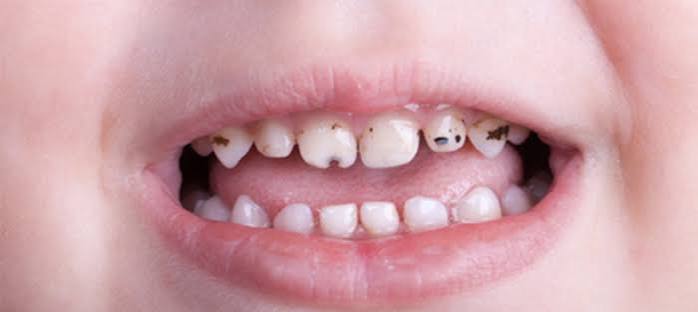
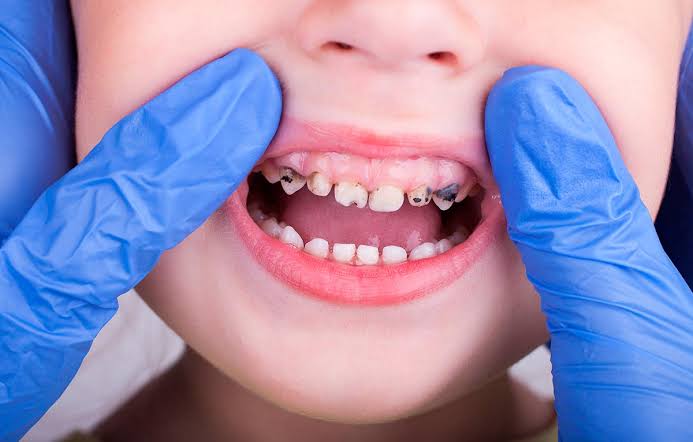
If cavities in baby teeth are not treated, the abscess (chronic infection) caused by bacteria progressing towards the root tip disrupts the calcification (mineralization) process of the permanent tooth bud forming just below the jawbone, leading to structural enamel defects, yellow/brown discoloration (Turner’s tooth), or deviations in the eruption (emergence) direction of the permanent tooth, causing direct and permanent damage.
In the anatomy of primary teeth, the roots of the milk teeth are adjacent to the buds (follicles) of the permanent teeth, separated by a millimeter of bone barrier. When an acidic and bacterial inflammation from the milk tooth leaks into the bone, the hardening permanent tooth enamel, which is in the process of hardening at that exact moment, gets exposed to this acidic attack. Years later, when that permanent tooth enters the oral cavity, it exhibits developmental lesions on its surface. Therefore, saying “whatever happens, a new one will come in its place” and not intervening in the decay of the milk tooth actually harms the permanent tooth that will replace it. Specialists in Pedodontics apply specific root canal treatments (amputation) for milk teeth to prevent such infections, cleaning the infection while also ensuring the healthy development of the underlying permanent tooth seed.
What Ages Do Treatments for Children with Special Needs Cover?
Treatment for children with special needs (those with mental, physical, or developmental differences) begins from infancy, just like typically developing children, and continues until around the age of 15. During this process, if necessary, cases experiencing dental anxiety or motor control difficulties are safely managed under general anesthesia or conscious sedation in fully equipped surgical conditions.
Autism spectrum disorder, cerebral palsy, Down syndrome, or severe systemic diseases require high-level medical coordination in dental practices for individuals with these conditions. The incidence of tooth decay is higher due to their often special diets, the use of liquid medications (containing sugar), or difficulties in oral care. Since remaining still in the dental chair and cooperating is usually not possible, procedures are not performed awake in the clinic. In a hospital environment, children are safely sedated under the supervision of specialist anesthesiologists; all extractions, fillings, root canal treatments, and fluoride applications are completed painlessly and without disturbance in a single session, preventing the treatment from becoming a psychological trauma.
| Method | Medical Content and Application Type | Preferred Patient Profile |
|---|---|---|
| Behavioral Guidance | Play therapy, desensitization (conditioning), and short sessions. | Patients with mild anxiety who can communicate and cooperate. |
| Conscious Sedation | Providing relaxation with nitrous oxide (laughing gas) or oral medications (the patient is aware). | Patients with moderate anxiety and gag reflex, but somewhat able to communicate. |
| General Anesthesia | Complete deep sedation under the control of an anesthesia specialist in the operating room. | Non-cooperative patients with severe mental or physical limitations that are responsive or have widespread decay. |
When Are Orthodontic Needs Evaluated in Children?
Orthodontic (braces) needs in children are generally evaluated around the age of 6-7, when the first permanent molars and incisors are visible in the mouth, with the help of panoramic X-rays and detailed clinical examinations; this early skeletal diagnosis allows for the easy resolution of potential jaw constrictions or developmental deviations by utilizing growth potential.
Waiting for the complete eruption of all permanent teeth and for the child to reach 12-13 years for orthodontic evaluation means that many skeletal anomalies will be significantly delayed in treatment. The jawbones are extremely flexible at ages 7-8 and are in an active growth phase. If a child is found to have an upper jaw constriction, the jaw can be easily expanded with simple removable appliances (palatal expanders) that are placed inside the mouth at these ages. In cases where the lower jaw is very prominent (prognathism) or very recessed (retrognathism), orthopedic devices that guide the jaw in the correct direction are used. Skeletal problems identified after growth is completed often can only be corrected with major surgical operations (orthognathic surgery). Therefore, pediatric dentists follow skeletal development like a guide during regular examinations in childhood, opening the way for early orthodontic interventions.
What Methods Are Used in Case of Early Tooth Loss?
In the case of early loss of a primary tooth, protective passive appliances called ‘space maintainers’ are used to prevent the tilting of adjacent teeth to the space and to maintain the anatomical path for the underlying permanent tooth.
The most critical physiological function of primary teeth is to act as a “natural reservist (area) protector” for the permanent teeth that will come in their place. If a primary molar is extracted 3-4 years earlier than its time due to severe decay or trauma, the adjacent teeth tend to shift forward. As a result of this shift, the gap completely closes. When the time comes for the permanent tooth to erupt, it may remain buried within the jawbone if it cannot find a way out or it might erupt in a convoluted manner from the gum or cheek. Space maintainers consist of a simple metal band shaped to the neighboring tooth and a wire extension that protects that gap. It does not hinder the child’s speech or eating. When the underlying permanent tooth is visible in the arch, the space maintainer can be removed by the dentist within seconds.
How Does the Role of Parents in Their Children’s Oral Care Change with Age?
The role of parents in their children’s oral care changes from taking complete responsibility for brushing and cleaning in infancy, to physically supporting the child’s brushing efforts and completing neglected areas during the preschool years, and then transferring the entire process to the child during adolescence while only transitioning to a supervisory and motivational role, gradually adapting according to the individual’s increasing motor skills with age.
Children’s hand muscles and fine motor skills can only effectively use a toothbrush with the correct grip in every region of the mouth (especially on the chewing surfaces and inner sides of the back teeth) at around 7-8 years of age, which is when they can tie their own shoelaces and their writing skills develop. Until this age, no matter how eager the child is to brush independently, the plaque control will be insufficient. From the first tooth eruption to 3 years of age, parents should perform the brushing process themselves with a fluoride toothpaste the size of a grain of rice. Between the ages of 3-6, children can finish brushing themselves with a pea-sized amount of toothpaste under parental supervision. In adolescence, parents transition to a guidance role, organizing only routine dental check-ups and monitoring whether the dental floss is being used. The lifelong maintenance of oral health is dependent on parents consciously managing this developmental transition.