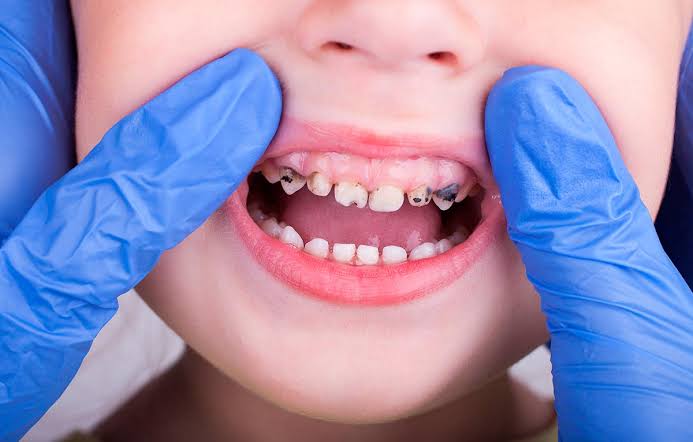

Pain in filled teeth is a common problem experienced by many people. Discomfort felt after a dental filling can arise from numerous different reasons, and this situation is usually caused by sensitivity in the area where the filling has been placed. Conditions such as pressure from a high filling, allergic reactions, cracked or leaking fillings are among the main causes of pain. Additionally, galvanic shock resulting from the interaction of different metals in the mouth or pain reflected from other areas can also lead to discomfort in filled teeth. These reasons require accurate diagnosis.
How Does Pulpitis Contribute to Pain in Filled Teeth?
Pulpitis is one of the fundamental factors causing pain in filled teeth and arises from inflammation occurring in the pulp located at the center of the tooth. Several main factors can lead to pulpitis after a filling; these factors can cause irritation and infection in the pulp during or after the filling process.
Factors contributing to the formation of pulpitis after filling include:
-
\t
- Irritation due to thermal effects
- Chemical effects of filling materials
- Mechanical trauma
- Bacterial leakage
\t
\t
\t
These factors can lead to inflammation in the pulp, causing prolonged and severe pain in the tooth. Especially after filling, pulpitis resulting from irritation due to heat, chemical components, or pressure can often be reversible; however, in some cases, the inflammation can cause permanent damage. In the case of bacterial leakage, microorganisms can reach the pulp, preparing the ground for more serious infections, and if left untreated, more complicated procedures such as root canal treatment may be required.
Can High Bite Cause Pain in a Newly Filled Tooth?
A high filling in a tooth can cause pressure and pain. If the filling is higher than the surrounding teeth, the balance of closure is disturbed, leading to discomfort. In such a case:
- Discomfort while eating or chewing
- Excess pressure on the filling
- Inflammation in the tissues around the tooth
- Movement or sensitivity in the tooth
If these types of closure issues are not properly addressed, they can negatively impact the health of the tooth and gum. To resolve closure problems, the height of the filling can be adjusted to bring the teeth to their natural closure position. Typically, this procedure can be performed with a simple intervention, and it is expected that the pain will largely subside afterwards. Reducing the pressure on the tooth also helps in the healing of the surrounding tissues and contributes to the long-term preservation of dental health.
What is Galvanic Shock and How Does It Affect Filled Teeth?
Galvanic shock is an electrical phenomenon that occurs when different metals are used together in the mouth. It arises from the combination of materials, such as amalgam gold or other metal-containing substances, used in dental fillings, and the interaction between these metals can cause electric current to flow. This process facilitates the ion transfer between these metals and creates an electric current, which can lead to sudden pain or discomfort in the filled tooth. A patient experiencing galvanic shock may notice the following symptoms:
- Sudden pain sensation
- Tingling or burning sensation
- Metallic or salty taste
- Burning sensation in the mouth
- Increased sensitivity
Galvanic shock not only creates an immediate discomfort but can also lead to the erosion and damage of metal fillings used in the long term. This situation can cause the dental structure to deteriorate and decrease the effectiveness of the filling materials. It is important for the patient to consult a dentist to alleviate this discomfort. The dentist may suggest replacing one of the fillings or applying a protective coating to reduce galvanic shock. These interventions minimize the interaction between metallic surfaces in the mouth, preventing electric currents and increasing the patient’s comfort.
How Do Allergic Reactions to Filling Materials Cause Tooth Pain?
Allergic reactions to dental filling materials can lead to tooth pain in individuals with sensitive constitutions. This pain arises as the immune system reacts to certain components present in the filling material and can manifest in various forms. Especially metals like mercury in amalgam fillings can interact with oral tissues causing inflammation and sensitivity. Symptoms that may occur in such reactions include:
-
\t
- Burning sensation
- Pain
- Sores inside the mouth or around the lips
- Swelling in the gums
- White spots (Lichen Planus)
- Feeling of electrical current (Galvanic shock)
\t
\t
\t
\t
\t
Although these symptoms are rare, it is important to consult a dentist without delay if you experience prolonged discomfort after a filling. Allergic reactions can not only cause inflammation inside the mouth but can also lead to inflammation of the nerves located within the tooth. Inflammation of the tooth nerves can cause persistent sensitivity in the filled tooth and ongoing pain. A galvanic reaction can stem from electrical currents created by different metals in the mouth and may be felt as a sudden sharp pain. Therefore, if pain or other symptoms develop after a filling, you should promptly see a dentist. As a result of the dentist’s evaluation, the filling material causing the allergic reaction may be replaced with a more compatible alternative.
When Should You Consult a Dentist for Pain in a Filled Tooth?
While pain or sensitivity in a filled tooth can sometimes be temporary, in some cases, it may indicate a serious problem requiring consultation with a dentist. If you feel prolonged or significant pain after the filling, it may indicate underlying health issues. It is important to consult a dentist in the following situations:
-
\t
- Persistent or severe pain
- Pain felt during biting or chewing
- Extreme sensitivity to hot and cold
- Visible cracks or gaps around the filling
- Swelling and fever in the gum area or jaw
- Allergic signs such as itching or irritation inside the mouth
\t
\t
\t
\t
\t
The presence of one or more of these symptoms may indicate that the filling is incompatible or that there is a risk of an underlying infection. Especially if sensitivity to hot and cold persists for a long time, it could mean that the dental nerve tissue has been damaged. High fillings that prevent proper closure of the tooth can cause discomfort while chewing and lead to more serious issues. Similarly, gaps or cracks around the filling can allow bacteria to seep into the tooth, paving the way for infection. These types of situations can be resolved with early intervention and can prevent the need for more complex treatments in the future. Abnormal symptoms occurring after filling should not be ignored and a dentist should be consulted.