Why is personalized planning important in aesthetic dental treatments?
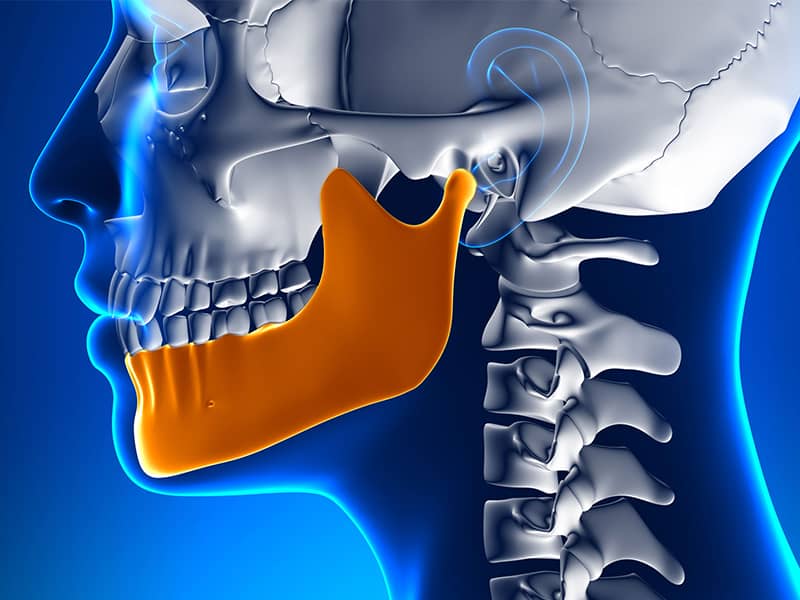
The structure of the mouth and teeth is a complex anatomical system that contains individual biometric data as unique as fingerprints. The skull structures of individuals, the working angles of chewing muscles, the light reflection indices of dental enamels, and the elastic capacities of lip movements all depend on distinct physiological mechanisms. These differences render the use of uniform (factory-made) templates medically inadequate in the disciplines of dentistry. Restorations that do not align with the individual’s anatomical realities and are not integrated with facial contours and jaw mechanics can not only create an unnatural impression from the outside but can also lay the groundwork for discomfort in the temporomandibular joint (TMJ) and periodontal tissue incompatibilities in the long term.
Current clinical approaches in the field of Aesthetic Dentistry require that every intervention centers not only on the visual expectations of the individual but also on their biological and structural tolerances. The “personalized planning” concept is the process of deciding which material a restoration will be made of, what the millimeter dimensions of the teeth will be, and how the levels of pink gum tissue will be aligned based on the patient’s own macro-esthetic (overall face) and micro-esthetic (tooth structure) data. In the clinical standards of Avrupadent, this process is carried out through a multidisciplinary examination, digital imaging, and the integration of the patient’s phonetic (sound) and functional (chewing) characteristics. In this detailed guide we have prepared, the medical justifications for personalized planning, the effects of facial anatomy on tooth form, the nuances of color analysis, and how these processes are managed in a clinical setting are analyzed in depth with objective and scientific measurements.
What is Personalized Planning and Why is it Necessary?
In dental practice, the perception of aesthetics shapes within the framework of mathematical proportions and biological limits. The idea of “one ideal tooth form that fits everyone” has lost its validity in modern medical approaches. For example, in a patient with long, oval-shaped anterior teeth that appear quite natural and aesthetic, applying these to another patient with a shorter facial profile disrupts the vertical dimension of the face, resulting in an aesthetic undesirable outcome. The unique nature of an individual’s facial shape, jaw closure relationship, and even the lip position during speech necessitates that the planning be tailored (tailor-made) to the individual, just like a custom-fit garment.
At the same time, the capacity of biological tissues varies from person to person. The marginal (step) limits applicable to a patient with a thin gum biotype are different from those of a patient with thick fibrotic gums. If personal measurements are not taken into account and a porcelain material of standard thickness is applied, medical reactions such as tenderness, recession, or infection due to pressure in their gums may occur. Personalized planning is not just a visual design process but rather a preventive medical protocol that supports the maintenance of tissue health.
What Aspects Affect Facial Anatomy Tooth Design?
Human faces are categorized according to specific skeletal forms. The overall shape of a person’s teeth often functions as a symmetrical model opposite to the oval structure of the face. The general contour of the facial skeleton is examined by the dentist using digital photo analyses, and the convexity levels of new restorations to be created are determined based on these analyses. If the angles of the teeth (incisal embrasures) and their surface forms clash with the overall face, it results in a perception that is alien to the individual’s own teeth.
For example, in a patient with a square facial form who has angular and pronounced jaw muscles, designing the teeth with very rounded contours and oval shapes undermines anatomical harmony. In such faces, having slightly flatter cutting edges and angled lateral contours of the teeth supports the existing character of the face. For individuals with a triangular facial structure, having the areas of the teeth that connect to the gums (collum) slightly widening towards the cutting edges maintains geometric balance. The guidance of facial anatomy serves to outline the limits of dental design.
| Facial Geometry | Compatible Prosthetic Tooth Shape | Medical and Visual Purpose |
|---|---|---|
| Square and Broad Contoured Face | Teeth with flat cutting edges, pronounced angles, and broad surfaces. | Supporting a robust jaw structure while balancing the horizontal/vertical facial ratio. |
| Oval and Soft Contoured Face | Rounded edges, soft transitions, and oval-shaped teeth. | Creating a symmetrical harmony without conflicting with the natural and curved lines of the face. |
| Rectangular (Long) Face | Forms that emphasize horizontal width while restricting vertical size. | Offering a broader expression by balancing the perception of excessive length of the face with optical illusion. |
How is Biological Compatibility and Gum Health Incorporated into Planning?
Aesthetic Dentistry plans focusing only on the shape of white porcelains neglect the biological integrity. The health, thickness, and level of the gums that encircle the teeth like a frame vary from individual to individual. In some individuals, the gums are quite thick, well-vascularized, and resilient (thick biotype), while in others, they are thin, transparent, and sensitive to trauma (thin biotype). When a thick zirconium substructure is applied to a patient with a thin biotype, there is a risk of bruising or recession in the gum tissue.
In the planning phase, the dentist measures the biological width of the patient by performing periodontal (gum) probing. The boundary where the porcelain restoration will rest on the tooth (the collar area) is designed in a way that does not violate this biological distance. Additionally, if there are any asymmetries at the peak points of adjacent teeth, they are leveled with personalized pink aesthetic (gingivoplasty) procedures. All these microscopic tissue analyses contribute to the sustainability of the medical health underlying the aesthetic appearance.
What is the Relationship of the Smile Arc with Individual Characteristics?
Each individual’s degree of movement of the lip muscles and the shape adopted by the lower lip while smiling is unique to them. In an ideal design, the imaginary arc that connects the incisal edges of the upper tooth arrangement should perfectly follow the inner border of the lower lip. If an individual’s lower lip draws a very deep curve while smiling, and the teeth are designed in a perfectly horizontal line, the resulting appearance is referred to as “reverse smile esthetics.” This condition gives the individual an unhappy, aged, and lifeless expression.
In personalized planning, dentists map this arc by taking photos of the patient with a full smile in a digital studio environment. The upper central incisors are generally kept longer, while the lateral incisors are left slightly shorter, and the canine teeth are adjusted to the level that captures the curve of the lip again. The measurement of the smile arc in this way, according to the individual’s own lip dynamics, ensures that the design transitions from a factory-made appearance to achieving an organic wholeness.
Why Is Skin Undertone and Eye White Considered as References in Color Selection?
Evaluating tooth color solely as a “whiteness” degree is misleading from both medical and aesthetic perspectives. Color is an optical perception formed by the reflection of light and is in continuous interaction with the colors of the surrounding tissues (skin, lips, eyes). Individuals can have warm (yellow/peach) or cool (pink/blue) undertones in their skin structures. A monoblock white porcelain designed in very light (bleach) tones in a dark-skinned individual gives the impression of an artificial object that shines in the dark due to the extreme contrast with their skin color. Using warmer and more saturated tones in these patients supports medical harmony.
The eye white is the largest other natural white area on the human face. In aesthetic planning, it is a rule that the brightness (value) of the selected dental porcelain or zirconium material should not exceed the brightness of the eye white. If the teeth are whiter than the eyes, the focus of the person across shifts solely to the teeth, leading to a departure from the natural look. Therefore, dentists specifically calibrate the color scale according to the patient’s skin pigmentation and eye brightness.
Where Do Functional Analyses Fit into Aesthetic Planning?
Meeting visual expectations will lead to failure in a short time if the chewing function does not operate healthily. The jaw movements of individuals, the contact points of teeth (occlusion and articulation) during speaking or swallowing, are unique like fingerprints. Excessively elongating the height of the front teeth for aesthetic reasons may limit the movement of the patient’s lower jaw forward or to the right or left. This situation can disrupt the jaw function referred to as ‘anterior guidance’, eventually causing pain in the temporomandibular joint (TMJ).
For this reason, individual-specific planning is performed by obtaining closure records with digital intraoral scanners. The doctor examines whether the patient has parafunctional habits such as bruxism (teeth grinding). In a patient who grinds their teeth, full ceramics or monolithic zirconia with much higher fracture resistance are included in the planning instead of fine-structured feldspathic laminates. The analysis of functional dynamics is a fundamental medical protective shield determining the longevity of porcelain restorations.
How do Gender and Age Characteristics Reflect on Tooth Form?
The dental anatomy contains detailed morphological clues that reveal an individual’s gender identity and biological age. In female patients, tooth forms are generally planned as “feminine.” In these forms, the upper central incisors are slightly longer than the lateral teeth, the spaces between the teeth (embrasures) are broader, and the tooth corners have a soft, oval turn. In “masculine” designs applied to male patients, the lengths of the teeth are kept closer together, the incisal edges are flat, and the tooth corners are designed to have sharp angles.
The age factor also reflects the natural wear process of the teeth. In young individuals, the tips of the enamel are wavy (with mamelons) and quite transparent (with blue/gray reflections). Years of chewing activities wear down these transparent tips and lead to a shorter length of the teeth, resulting in a flat, yellowish appearance. When planning for a patient of middle or advanced age, tooth lengths are extended slightly within functional tolerances, and glass ceramic powders are added to the incisal edges to restore the youthful translucency to the tooth. These fine details of the individual profile ensure the personalization of the restoration.
Why Are Lip Dynamics and Phonetic Sounds Unique to the Individual?
The smallest alteration in form or contour that will be made in the anterior region of the teeth changes the contact point of the tongue and lips with the teeth (phonetic boundaries). For example, during the production of the sounds “F” and “V” (labiodental), the lower lip must slightly touch the point where the wet and dry outline of the lip meets. If the teeth are designed excessively long for aesthetic reasons, the lips will touch the teeth while producing these sounds, leading to speech disorders.
Similarly, when the “S” sound is produced, there must be a 1-1.5 millimeter air tunnel between the upper and lower teeth. If the porcelains are constructed too thick, air flow is disrupted and a lisping speech emerges. In personalized planning sessions, the dentist asks the patient to read specific words aloud after applying temporary teeth (mock-up). This way, it is tested whether the new tooth design will experience a conflict in lip dynamics and phonetic function based on the patient’s own anatomical features.
How Do Digital Technologies Support the Personalization Process?Digital technologies support by allowing the dentist to virtually shape each tooth according to the surface proportions measured at a micron level, using 3D intraoral scans and clinical face photographs combined in software, as well as enabling special mathematical analyses for the patient.
In past dental practices, the form of restorations was largely dependent on the technician’s manual craftsmanship and vision in the laboratory. Today, CAD/CAM (Computer-Aided Design and Manufacturing) technologies have eliminated the margin of trial and error in the planning phase. Optical measurements taken from the patient within seconds provide a detailed working area on the screen. The software detects the midline of the patient’s face, the line passing through the pupils, and aligns the design applied to the tooth in accordance with these references under virtual guidance.In digital libraries, there are thousands of different dental forms available. The dentist can select the most suitable form based on the patient’s age and gender characteristics, and using a computer mouse, adjust this form according to the patient’s gum levels—whether by stretching, narrowing, or extending. Once all these virtual transactions are completed, the data is sent to milling machines (CAM) or three-dimensional (3D) printers to ensure that the design transforms into a physical object. Digital flow forms the most sensitive and measurable foundation of the personalization process.
How is Planning Corrected with Prototype Applications (Mock-Up)?
The prototype (mock-up) application involves transferring custom-designed dental forms for the individual to the mouth with a temporary material, without making any alterations to the tooth. This way, the patient can see in the mirror how the planned design fits their face and can request changes on the spot if necessary.Aesthetic Dentistry mock-up rehearsal is the most important step in establishing communication between the patient’s aesthetic expectations and what is medically feasible. The personalized design, created in the virtual environment according to the patient’s facial features, is transformed into a physical silicone mold in the laboratory. During the clinical appointment, a temporary acrylic-based material in the shade of the teeth is filled into this mold and placed over the patient’s existing teeth.
When the material freezes within a few minutes, it is removed from the mouth. This way, the patient has the opportunity to see how long their teeth will be, how their lips will be supported, and what expression they will create when smiling, all before any permanent intervention is made. If the patient finds the dental corners too sharp or too long, the physician instantly makes adjustments on the temporary material, and the design is finalized with the patient’s approval before moving to laboratory production.
How Does Material Selection Change According to the Hospital’s Practices?
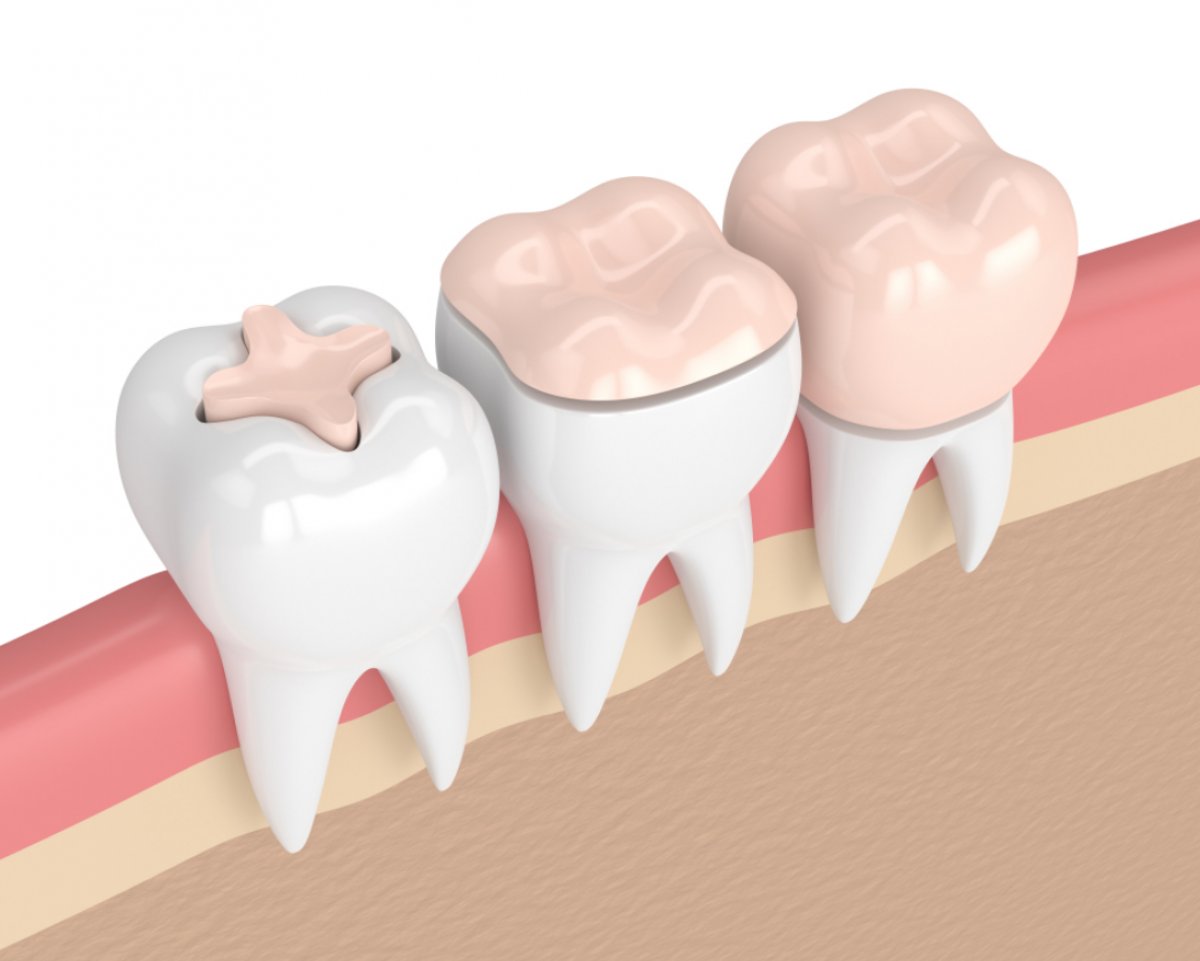
Material selection is personalized based on the hospital’s bite force, dental grinding habits, and aesthetic expectations. In individuals with very strong chewing muscles, high-resistance zirconia is planned, while high-translucency glass ceramics are selected for anterior teeth where protective aesthetics are prioritized.Personalized planning encompasses not only the size and shape of the tooth but also the chemical material from which the restoration will be made. The light reflection capacity and fracture resistance (breaking resistance) of each material differ from one another. If an aesthetic restoration is to be made in the patient’s anterior region, but the patient has issues such as sleep apnea or stress-induced bruxism (teeth grinding), applying only aesthetically high yet fragile thin laminates poses a medical risk. For patients of this profile, more durable lithium disilicate or zirconium-supported restorations are chosen to ensure that the material’s thickness meets the required biomechanical resistance.
On the other hand, in an individual who has a balanced bite and only complains of minor color and shape asymmetries, composite bonding techniques can be applied without touching the tooth, or very thin porcelain veneers (leaf porcelain) can be used to ensure maximum tissue preservation. Additionally, the natural tooth color underneath is an important biological factor that determines the opacity or transparency of the material.
Patient Profile and Habits Suitable Material Selection Planning Rationale Bruxism (Teeth Grinding) / Strong Muscle Structure Monolithic Zirconium or Thick Lithium Disilicate Increasing the fracture resistance of the restoration against high occlusal (chewing) forces. Cases Requiring Minimal Wear on Anterior Teeth Feldspathic Porcelain or Thin Glass Ceramic Laminate Shaping the tooth at a minimal level while mimicking the light transmission of natural enamel. Dark Colored Substructure (Canal-Treated Tooth) Opaque Zirconium Substructure Crown Providing aesthetic whiteness by blocking the reflection of the underlying dark gray/black dentin.
How is the Patient-Specific Approach Applied at Avrupadent Standards?
The patient-specific approach in Avrupadent clinical processes is implemented by taking digital scans from the first examination of the patient, analyzing the systemic health and gum biotype, and then forming a unique, predictable medical map for that patient through the joint consultation of periodontology, prosthetics, and aesthetic specialists.A comprehensive medical quality standard requires respect for the unique physiological characteristics of each individual. In European dental treatment processes, the process initiated by a patient with aesthetic demands begins with stabilizing the overall oral health indices (bleeding, plaque, periodontal pockets). Indeed, no restoration built on an unhealthy foundation can serve personalized objectives for a long time. The existing dental copy of the patient is transferred to a virtual environment without any volumetric errors using digital optical scanners (intraoral scanner).
In this context, the physician integrates the patient’s lip dynamics, facial midline, and chewing movements into software through clinical photographs. A multidisciplinary evaluation is carried out to ensure that the prepared design meets the patient’s social expectations while not violating biological limits (for example, biological width). Mock-up trials, laboratory firing techniques, and material quality are optimized to respond to the individual’s unique anatomical needs, ensuring the accuracy and long-term functional stability.
What are the Frequently Asked Questions?
1. Are my aesthetic requests considered when determining my tooth shape?
Yes, the design process is shaped around your aesthetic vision; however, your physician will analyze the biological compatibility of these requests with your chewing mechanics and facial skeletal ratios before presenting you with a roadmap that complies with medical standards.
2. Is the same white color from the catalog applied to everyone?
No, tooth color is specially chosen according to your skin’s undertone and the whiteness of your sclera. Applying the same opaque white color to everyone creates an artificial contrast on the face, increasing the perception of the restoration as a prosthesis.
3. Can a personalized plan be made without digital analysis?
Good results can be achieved with a vision of traditional medicine; however, digital analyses minimize measurement errors and allow facial lines to be calculated to the millimeter on a computer screen, thus personalizing based on objective data.
4. Will I experience pain in my teeth during the mock-up process?
The mock-up procedure is entirely a comfortable and painless step that involves placing and removing only a temporary material layer on the tooth enamel without any grinding or anesthesia.
5. Does having a square face shape change my dental design?
Yes, if you have a square and strong jawline, having very round and oval teeth designed will create a visual contradiction with your face; therefore, a slightly flatter and more defined tooth design is planned for angular faces.
6. Does having an anterior gum structure affect the treatment?
Individuals with an anterior gum biotype require more precise design of porcelain margins; metal-supported structures may have a gray reflection on thin tissues, so light-transmitting zirconium or full ceramics must be used for these patients.
7. Why do dental designs differ between male and female patients?
Dental morphology contains gender characteristics; longer incisors and rounded molars create a feminine expression in female patients, while more evenly sized and angulated teeth support masculine facial features in male patients.
8. What should be considered when selecting porcelain material?
The material is selected on an individual basis according to the patient’s dental clenching habits, the intensity of jaw closing forces, material loss in teeth, and the tooth’s position in the oral cavity (aesthetic front area or force field back area).
9. What problems can arise from making tooth lengths very long?
Even if it is aesthetically motivated, if the range of motion of the lips exceeds the limits of flexibility, the lower lip can touch the teeth, leading to speech disorders (such as a lisp in the sounds ‘F’ and ‘V’) and functional locking in lower jaw movements.
10. How does age progression reflect on the details of the design?
As age progresses, the transparent parts of the enamel wear down; in personalized plans, this worn-down portion can be added back to the tooth, and the cutting edges can be given a transparent finish with ceramic to provide the patient a more dynamic perception of youth.
11. Why is gum alignment (pink aesthetics) personalized?
The thickness of each individual’s gum and the level of the gum (zenith points) differ; asymmetrical or overly visible gums are aligned individually with lasers to balance only that person’s lip curve according to their facial ratios.
12. How can one revert to the previous mistake when renewing my old prosthesis?
The structure, color, and incompatibility of the old prosthesis are analyzed to identify the source of the error; then, by measuring the lip dynamics and facial reference points again, an independent new design process tailored from scratch is implemented.
13. Is lip filling or muscle movements included in the planning?
Yes, the thickness of the lips and their resting position affect their external appearance. If there are lip asymmetries, the dental design addresses this situation using optical illusions or through multidisciplinary approaches.
14. Does a personalized treatment process take longer than standard practices?
Thanks to digital measuring and design analyses, the process progresses quite rapidly; however, conducting personalized mock-up trials for the patient and processing materials in the lab with personal details (color, texture) requires a few days of careful scheduling.
15. What is the guarantee of a personalized approach under Avrupadent standards?
Recording all stages from initial inspection to laboratory production with three-dimensional digital data, testing the hospital’s expectations physically with a mock-up, and adhering to functional limits using biocompatible materials are the guarantees of this system.
In past dental practices, the form of restorations was largely dependent on the technician’s manual craftsmanship and vision in the laboratory. Today, CAD/CAM (Computer-Aided Design and Manufacturing) technologies have eliminated the margin of trial and error in the planning phase. Optical measurements taken from the patient within seconds provide a detailed working area on the screen. The software detects the midline of the patient’s face, the line passing through the pupils, and aligns the design applied to the tooth in accordance with these references under virtual guidance.
In digital libraries, there are thousands of different dental forms available. The dentist can select the most suitable form based on the patient’s age and gender characteristics, and using a computer mouse, adjust this form according to the patient’s gum levels—whether by stretching, narrowing, or extending. Once all these virtual transactions are completed, the data is sent to milling machines (CAM) or three-dimensional (3D) printers to ensure that the design transforms into a physical object. Digital flow forms the most sensitive and measurable foundation of the personalization process.
How is Planning Corrected with Prototype Applications (Mock-Up)?
Aesthetic Dentistry mock-up rehearsal is the most important step in establishing communication between the patient’s aesthetic expectations and what is medically feasible. The personalized design, created in the virtual environment according to the patient’s facial features, is transformed into a physical silicone mold in the laboratory. During the clinical appointment, a temporary acrylic-based material in the shade of the teeth is filled into this mold and placed over the patient’s existing teeth.
When the material freezes within a few minutes, it is removed from the mouth. This way, the patient has the opportunity to see how long their teeth will be, how their lips will be supported, and what expression they will create when smiling, all before any permanent intervention is made. If the patient finds the dental corners too sharp or too long, the physician instantly makes adjustments on the temporary material, and the design is finalized with the patient’s approval before moving to laboratory production.
How Does Material Selection Change According to the Hospital’s Practices?
Personalized planning encompasses not only the size and shape of the tooth but also the chemical material from which the restoration will be made. The light reflection capacity and fracture resistance (breaking resistance) of each material differ from one another. If an aesthetic restoration is to be made in the patient’s anterior region, but the patient has issues such as sleep apnea or stress-induced bruxism (teeth grinding), applying only aesthetically high yet fragile thin laminates poses a medical risk. For patients of this profile, more durable lithium disilicate or zirconium-supported restorations are chosen to ensure that the material’s thickness meets the required biomechanical resistance.
On the other hand, in an individual who has a balanced bite and only complains of minor color and shape asymmetries, composite bonding techniques can be applied without touching the tooth, or very thin porcelain veneers (leaf porcelain) can be used to ensure maximum tissue preservation. Additionally, the natural tooth color underneath is an important biological factor that determines the opacity or transparency of the material.
| Patient Profile and Habits | Suitable Material Selection | Planning Rationale |
|---|---|---|
| Bruxism (Teeth Grinding) / Strong Muscle Structure | Monolithic Zirconium or Thick Lithium Disilicate | Increasing the fracture resistance of the restoration against high occlusal (chewing) forces. |
| Cases Requiring Minimal Wear on Anterior Teeth | Feldspathic Porcelain or Thin Glass Ceramic Laminate | Shaping the tooth at a minimal level while mimicking the light transmission of natural enamel. |
| Dark Colored Substructure (Canal-Treated Tooth) | Opaque Zirconium Substructure Crown | Providing aesthetic whiteness by blocking the reflection of the underlying dark gray/black dentin. |
How is the Patient-Specific Approach Applied at Avrupadent Standards?
A comprehensive medical quality standard requires respect for the unique physiological characteristics of each individual. In European dental treatment processes, the process initiated by a patient with aesthetic demands begins with stabilizing the overall oral health indices (bleeding, plaque, periodontal pockets). Indeed, no restoration built on an unhealthy foundation can serve personalized objectives for a long time. The existing dental copy of the patient is transferred to a virtual environment without any volumetric errors using digital optical scanners (intraoral scanner).
In this context, the physician integrates the patient’s lip dynamics, facial midline, and chewing movements into software through clinical photographs. A multidisciplinary evaluation is carried out to ensure that the prepared design meets the patient’s social expectations while not violating biological limits (for example, biological width). Mock-up trials, laboratory firing techniques, and material quality are optimized to respond to the individual’s unique anatomical needs, ensuring the accuracy and long-term functional stability.
What are the Frequently Asked Questions?
1. Are my aesthetic requests considered when determining my tooth shape?
Yes, the design process is shaped around your aesthetic vision; however, your physician will analyze the biological compatibility of these requests with your chewing mechanics and facial skeletal ratios before presenting you with a roadmap that complies with medical standards.
2. Is the same white color from the catalog applied to everyone?
No, tooth color is specially chosen according to your skin’s undertone and the whiteness of your sclera. Applying the same opaque white color to everyone creates an artificial contrast on the face, increasing the perception of the restoration as a prosthesis.
3. Can a personalized plan be made without digital analysis?
Good results can be achieved with a vision of traditional medicine; however, digital analyses minimize measurement errors and allow facial lines to be calculated to the millimeter on a computer screen, thus personalizing based on objective data.
4. Will I experience pain in my teeth during the mock-up process?
The mock-up procedure is entirely a comfortable and painless step that involves placing and removing only a temporary material layer on the tooth enamel without any grinding or anesthesia.
5. Does having a square face shape change my dental design?
Yes, if you have a square and strong jawline, having very round and oval teeth designed will create a visual contradiction with your face; therefore, a slightly flatter and more defined tooth design is planned for angular faces.
6. Does having an anterior gum structure affect the treatment?
Individuals with an anterior gum biotype require more precise design of porcelain margins; metal-supported structures may have a gray reflection on thin tissues, so light-transmitting zirconium or full ceramics must be used for these patients.
7. Why do dental designs differ between male and female patients?
Dental morphology contains gender characteristics; longer incisors and rounded molars create a feminine expression in female patients, while more evenly sized and angulated teeth support masculine facial features in male patients.
8. What should be considered when selecting porcelain material?
The material is selected on an individual basis according to the patient’s dental clenching habits, the intensity of jaw closing forces, material loss in teeth, and the tooth’s position in the oral cavity (aesthetic front area or force field back area).
9. What problems can arise from making tooth lengths very long?
Even if it is aesthetically motivated, if the range of motion of the lips exceeds the limits of flexibility, the lower lip can touch the teeth, leading to speech disorders (such as a lisp in the sounds ‘F’ and ‘V’) and functional locking in lower jaw movements.
10. How does age progression reflect on the details of the design?
As age progresses, the transparent parts of the enamel wear down; in personalized plans, this worn-down portion can be added back to the tooth, and the cutting edges can be given a transparent finish with ceramic to provide the patient a more dynamic perception of youth.
11. Why is gum alignment (pink aesthetics) personalized?
The thickness of each individual’s gum and the level of the gum (zenith points) differ; asymmetrical or overly visible gums are aligned individually with lasers to balance only that person’s lip curve according to their facial ratios.
12. How can one revert to the previous mistake when renewing my old prosthesis?
The structure, color, and incompatibility of the old prosthesis are analyzed to identify the source of the error; then, by measuring the lip dynamics and facial reference points again, an independent new design process tailored from scratch is implemented.
13. Is lip filling or muscle movements included in the planning?
Yes, the thickness of the lips and their resting position affect their external appearance. If there are lip asymmetries, the dental design addresses this situation using optical illusions or through multidisciplinary approaches.
14. Does a personalized treatment process take longer than standard practices?
Thanks to digital measuring and design analyses, the process progresses quite rapidly; however, conducting personalized mock-up trials for the patient and processing materials in the lab with personal details (color, texture) requires a few days of careful scheduling.
15. What is the guarantee of a personalized approach under Avrupadent standards?
Recording all stages from initial inspection to laboratory production with three-dimensional digital data, testing the hospital’s expectations physically with a mock-up, and adhering to functional limits using biocompatible materials are the guarantees of this system.