
When is dental filling done in children in Izmir?
In Izmir, dental filling for children is done without delay when the decay in the tooth enamel has reached an irreparable level and has progressed to the dentin layer, creating a small cavity. Cleaning the decayed tissue with a drill and filling it with biocompatible materials prevents the infection from reaching the nerves.
One of the most commonly performed restorative procedures in pediatric dentistry, dental filling is often regarded by parents as the last step when a tooth is broken or if the child is experiencing severe pain. However, the correct timing in preventive dentistry is the moderate stage where the tooth is perforated but the nerve chamber has not yet become infected. Since milk teeth have a much thinner enamel layer compared to adult teeth, a small visible color change on the surface may indicate extensive damage underneath. Therefore, cavities detected during the clinical examination by the dentist should be restored immediately before the infection spreads to the bone. In the clinical processes that protect children’s oral health in the Izmir location, determining the timing of fillings is meticulously planned according to the children’s age group, the depth of the decay, and how long the tooth will remain in the mouth.
In which situations should milk teeth be filled?
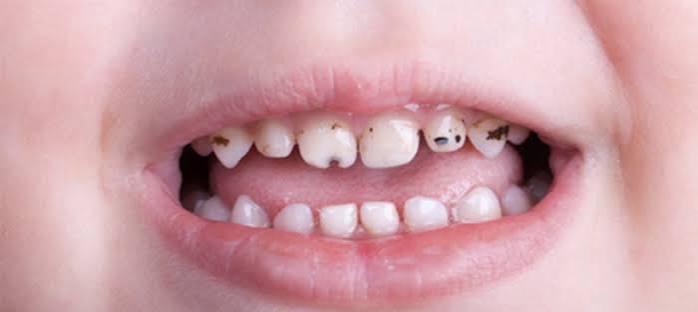
Situations in which filling is necessary for milk teeth include: the progression of cavities that penetrate the enamel layer and create a cavity in the dentin tissue, the onset of leaks caused by sweet or cold foods, visible loss of material leading to food trapping between teeth, and lesions that threaten the physical integrity when they cannot be stopped with early diagnosis.
Having a large cavity in the upper part of a tooth is not a requirement to understand whether a filling is needed. Areas between two adjacent teeth (interdental spaces) may look innocuous from the outside, but they can completely erode the enamel underneath. When a child crumples their face while eating sugary foods or dental floss gets stuck in that area and breaks, it clearly indicates the presence of a cavity that has reached the dentin layer and the need for a filling. The dentist preserves the healthy dental tissue by cleaning the decayed and softened infected tissue with special hand instruments or small drills and restores the form of the tooth by filling that void.
| Cavity Stage | Clinical Signs and Observations | Treatment Approach Applied |
|---|---|---|
| Enamel Level (Initial) | Mat white spots, no sensitivity. | No filling required; remineralization is achieved with Fluoride Varnishes. |
| Dentin Level (Moderate) | Brown cavities, immediate seepage when sweet. | Ideal timing; Cleaning of the cavity and Glass Ionomer / Composite Filling. |
| Pulp Level (Deep) | Throbbing pain that wakes from sleep, abscess. | Filling is insufficient; Amputation (Canal) and Crown coverage are required. |
What Types of Fillings Are Preferred for Baby Teeth?
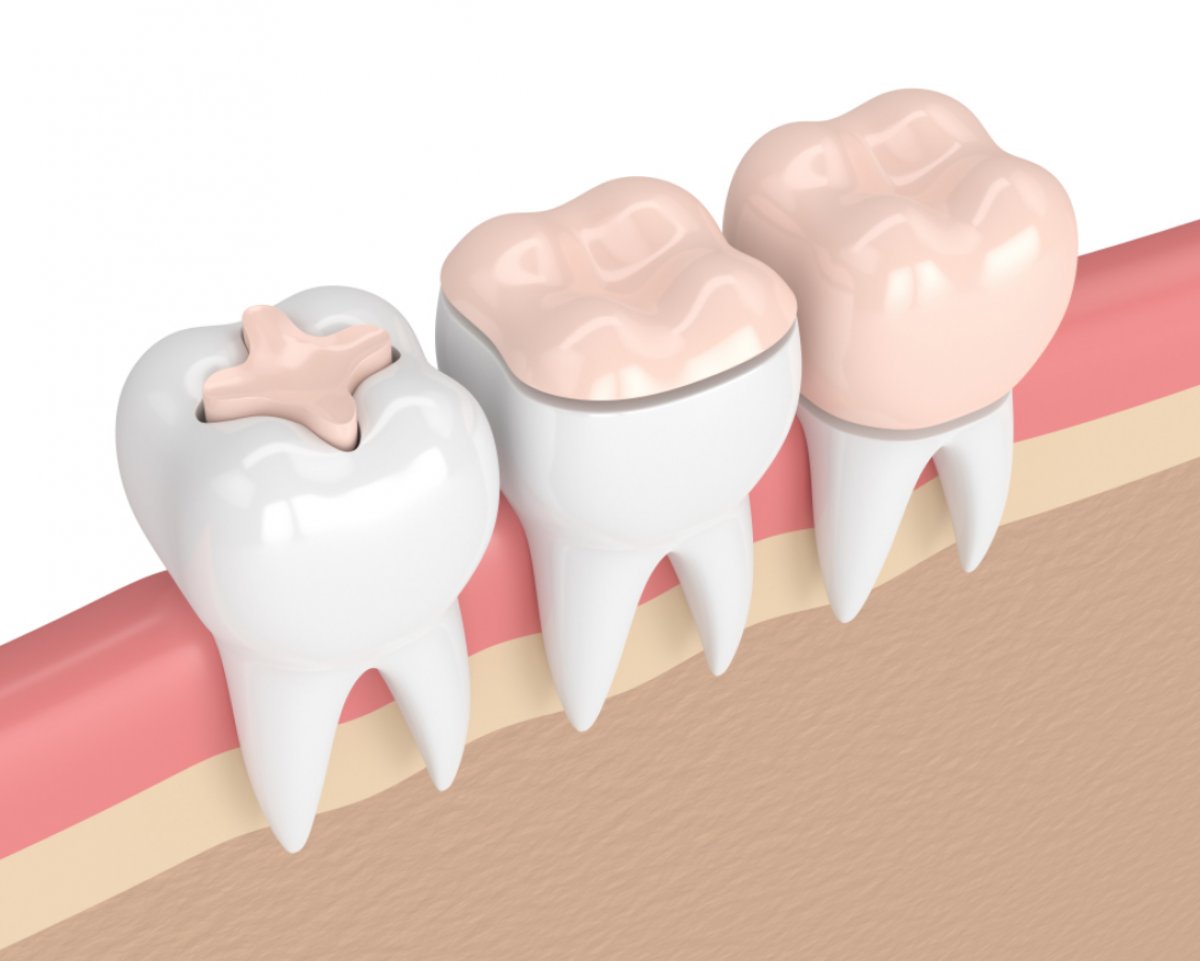
Preferred filling types for primary teeth include glass ionomer cements that are tolerant to moisture and chemically bond to the tooth while continuously releasing fluoride to nourish the enamel, as well as colored or tooth-colored composite resin materials providing aesthetic appearance. These materials ensure full compliance with the child’s growth phase and chewing dynamics.
There are chemical and application differences between the materials used for adult dental fillings and those applied to children’s teeth. The inability of children to fully control their movements and remain still for long periods in the clinic sometimes complicates the placement of moisture-sensitive composite fillings. At this point, “glass ionomer cements” are indispensable in pediatric dentistry. These special materials create a strong bond even to the moist surface of the tooth and continue to protect the surrounding dental tissue from decay by slowly releasing fluoride ions.
What Stages Does Tooth Filling Procedure in Children Involve?
The tooth filling procedure in children begins with the dentist playfully introducing the instruments during the acclimation phase, continues with cleaning and disinfecting the decayed tissue using specialized hand tools and is completed by placing the biocompatible filling material into the cavity, which is then hardened within seconds using a special blue light.
Success is achieved through communication appropriate to child psychology. The doctor explains the tools to the young patient using metaphors that won’t scare them (for example, referring to the water syringe as a “water gun”). If necessary, local anesthesia is applied regionally, and the softened decayed tissue is completely removed. The cleaned cavity is purified with acid gels to ensure that the filling material bonds to the tooth at a microscopic level. After placing the filling paste, it is immediately hardened using polymerization light, and the child’s bite (occlusion) is checked to adjust heights. These controlled and fast steps allow the child to complete the process without fatigue.
What Alternative Methods Can Be Applied Instead of Fillings in Young Children?
Alternative methods applied instead of fillings in young children include silver diamine fluoride (SDF) applications that stop decay in age groups too young to allow the use of drills (burs), protective fluoride varnishes that strengthen the enamel surface, and chemical cessation solutions that halt the progression of decay.
Not every child can always comply with a standard filling session. It can be particularly challenging to establish cooperation with children in the 2-3 age group. If the decay is not too deep yet or if the child cannot sit still in the chair for a long time, dentists resort to minimal invasive (least intrusive) alternatives. One such method is Silver Diamine Fluoride (SDF), a medical liquid that is dripped onto the decayed tissue, instantly neutralizing bacteria and turning the decay black (stopping it). This method is a very practical temporary or permanent stopping solution that completely eliminates surgical stress in young children, as it does not require drilling.
Do Filled Baby Teeth Remain in the Mouth Until They Fall Out?
The fillings for milk teeth are designed to remain in the mouth until the permanent teeth below develop and it’s time for them to erupt, naturally dissolving the roots and staying until the tooth loosens and falls out on its own. A quality milk tooth filling made with the right material effectively supports the biological life of that tooth until the end.
One of the biggest hesitations for parents is the thought, “Why should we fill a tooth that will fall out in a few months anyway?” However, the back molars of milk teeth must remain in the mouth until the age of 11-12. A filled milk tooth allows the child to comfortably eat on that side, promotes the development of chewing muscles, and supports the growth of the jawbone. As the permanent tooth underneath erupts, it dissolves the root of the milk tooth, causing the milk tooth to loosen and fall out. The materials used for the filling are selected to be biocompatible, ensuring that they do not interfere with this natural dissolution process, and therefore, the filled tooth eventually hands over its place to the permanent tooth just like a healthy tooth.
How Are Filling Processes Managed for Children at İzmir Avrupadent Clinics?
At the İzmir Avrupadent clinics, filling processes for children are managed by specialists in Pediatric Dentistry using behavior guidance techniques appropriate to the child’s anxiety level, alongside transparent medical information, and in compliance with 2026 health regulations under fully sterile clinical conditions.
Our expert team, serving in the İzmir location, aims to encode the clinical experience of child patients as a positive memory. The Tell-Show-Do method is applied to the child sitting in the chair before the procedure to alleviate the fear of the unknown. Every detail, from the waiting room to the treatment room, is designed according to child psychology. After analyzing the size of the cavity with digital X-rays, the most protective filling material is selected, and the procedure is completed in a comfortable manner. Families are kept informed at every stage through transparent communication, making them an active part of the process.
What Rules Should Be Followed at Home After Filling?
Rules to be followed at home after filling include: if local anesthesia was applied, avoid giving food until the numbness passes (approximately 2 hours) to prevent the child from biting their cheek or lip, avoid very hard foods on the first day, and maintain regular brushing with fluoride toothpaste twice a day.
In children receiving local anesthesia, numbness in the cheek and lip can last for several hours. Due to curiosity about this strange sensation, children may bite the numbed areas with their teeth, potentially causing serious tissue injuries (lacerations). Therefore, the child should be fed only with liquid foods until the anesthesia effect completely wears off, and parents should carefully supervise to prevent the child from biting their cheeks. After filling, the tooth can immediately resume its function; however, routines for home mechanical brushing and the use of dental floss should not be disrupted in any way to extend the lifespan of the filling.
What Factors Affect the Success of Filling in Pediatric Dentistry?
Pediatric Dentistry (Pedodontics) factors affecting the success of fillings; the complete cleaning of the carious tissue at a microscopic level, the selection of suitable bonding agents in moisture-sensitive environments, and the child’s regular oral hygiene habits that they will maintain at home after treatment.