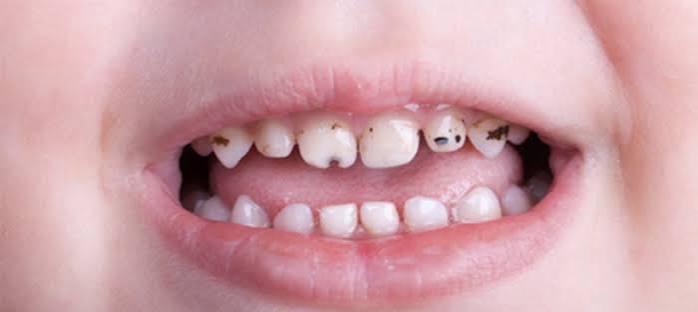
What Causes Tooth Decay in Children?
Tooth decay in children occurs when cariogenic (decay-causing) bacteria present in the oral flora ferment the sugary and carbohydrate-rich foods consumed, producing lactic acid. Over time, this acid demineralizes the calcium and phosphate minerals in the tooth enamel (demineralization), and due to insufficient oral hygiene, this destructive process surpasses the cellular repair (remineralization) rate.
Tooth decay is an infectious and microbial tissue disease that arises not from a single cause but from the simultaneous coming together of multiple factors. For decay to occur, it is a medical necessity for four main elements to intersect in the same environment: the anatomical structure of the tooth, decay-causing bacteria (especially Streptococcus mutans), fermentable carbohydrates (nutrition), and time. If any one of these factors is eliminated, the biochemical process of decay halts. In childhood, the fact that eating habits are typically high in sugars, the enamel of milk teeth is much more susceptible to acids, and children’s motor skills are not sufficiently developed for effective mechanical cleaning renders this age group the most vulnerable population to dental disease. Understanding the biological foundations of the causes of the disease is a vital part of preventive dental measures.
How Does the Tooth Decay Process Begin Biologically?
The process of tooth decay begins biologically with the bacteria in the mouth digesting the sugars from food residues and releasing acids; these acids lower the pH level in the mouth below 5.5, dissolving the protective inorganic crystal structure of the tooth enamel and creating microscopic pores (holes) in the enamel, allowing bacteria to penetrate deeper layers of the tooth.
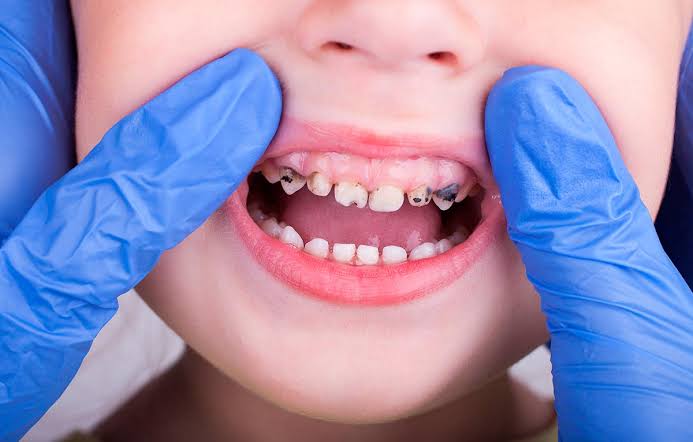
The human mouth hosts millions of bacteria due to its natural flora. A significant portion of these bacteria is harmless; however, some specific types require carbohydrates to survive and produce energy. When a child consumes cookies, chocolate, or fruit juice, these foods become an excellent energy source for the bacteria on the tooth surface. When bacteria metabolize these foods, they release acids as a byproduct. A healthy enamel surface is smooth and hard. However, when acid production begins, calcium and phosphate ions from within the enamel are dissolved and interact with the saliva. This situation is called demineralization (mineral loss). Before a visible cavity forms, white spots resembling a frosty surface (initial lesions) appear on the tooth surface. If intervention does not occur at this stage, the weakened enamel layer physically cracks, leaving behind the brown or black cavities we all know.
Why Are Milk Teeth More Susceptible to Decay?
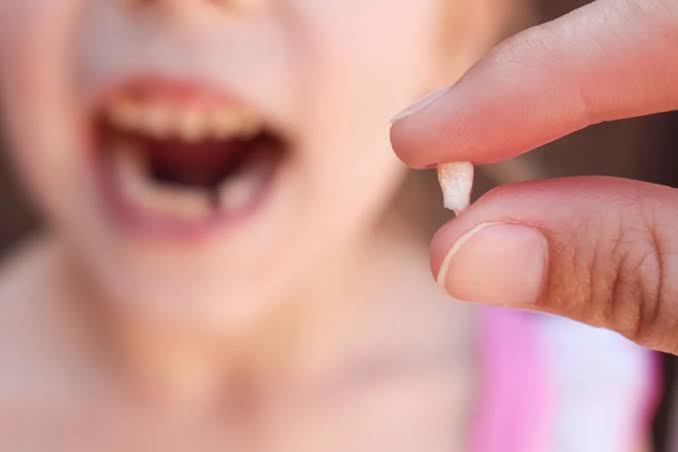
The anatomical structure of milk teeth, having enamel and dentin protective hard tissue layers that are significantly thinner compared to permanent teeth, a higher organic (water and protein) content, and lower mineral densities, makes them much more susceptible to decay; acids can quickly penetrate this weak tissue.
Many parents cannot understand why their children’s teeth decay so quickly despite brushing. The fundamental truth behind this situation is the microscopic anatomy of milk teeth. The enamel of an adult’s teeth is like a thick, strong shield. For an adult, the process of acid penetrating the enamel and reaching the underlying layers can sometimes take years. However, in milk teeth, the enamel layer is extremely thin, and the nerve (pulp) chamber is much wider in relation to the tooth’s surface. This anatomical disadvantage allows bacteria entering from the tooth’s outer surface to reach the nerves within just a few months, leading to abscess formation in the tooth. The rate of decay in milk teeth is so aggressive that a tiny color change, unnoticed by the eye, can rapidly turn into an infection that destroys half of the tooth.
| Anatomical/Biological Criteria | Milk Teeth | Permanent Teeth |
|---|---|---|
| Enamel Thickness | Very thin (Average 1 mm or less). | Thick and dense (Average 2-2.5 mm). |
| Mineral Density | Lower, dissolves easily in acids. | Higher, more resistant to acids. |
| Pulp (Nerve Chamber) Volume | Wide; decay reaches the nerve very quickly. | Smaller and deeper. |
| Rate of Decay | Aggressive and very fast (Takes months). | Slower and chronic (Takes years). |
How Do Children’s Eating Habits Trigger Cavity Formation?
Children’s eating habits; the frequent consumption of foods containing refined sugars and processed carbohydrates provides a constant fuel supply to the bacteria in the oral flora, especially prolonging the acid production duration of foods that form on teeth (like cookies, crackers, and caramel), and preventing the oral pH balance from recovering, directly triggering cavity formation.
The role of nutrition in the etiology of cavities is related not just to “what is eaten” but primarily to “how frequently it is eaten.” When a sugary food is consumed, the bacteria in the mouth instantly begin to produce acid, and this acid release continues for about 20 to 30 minutes. At the end of this period, saliva buffers (neutralizes) the acid, making the environment safe again. If a child eats a significant amount of chocolate once a day and brushes their teeth afterward, the enamel only gets exposed to a single acid attack. However, if the same child sips on a pack of crackers or juice throughout the day, there is no opportunity for saliva to clean the mouth of the cavity. The teeth remain under a continuous acid bath from morning until evening. Sticky foods enter the grooves (fissures) of the chewing surfaces of the teeth, continuing acid production for days. This frequency and form error in eating habits is the greatest driving force behind cavities.
What Is the Effect of Cavity Flow and Nighttime Feeding on Cavities?
Saliva is the most important protector that mechanically washes away food residues in the mouth and biochemically balances acids; however, since saliva flow nearly comes to a halt during sleep at night, night-time bottle feeding or breastfeeding leads to natural sugars in milk remaining on the teeth for hours, causing extremely damaging cavities.
In human physiology, saliva acts like an organic medicine that fights against cavities through the calcium, phosphate, and bicarbonate ions it contains. The salivary glands, which are active during the daytime, produce more saliva along with the chewing action, helping to protect the teeth. However, when we fall asleep, the autonomic nervous system reduces saliva production to a minimum. The mouth dries up and becomes defenseless. If a baby or child is given milk, formula, honey water, or fruit juice just before going to sleep without cleaning their teeth, the sugars in the liquid accumulate around the teeth throughout the night. Since there is no saliva to wash away, bacteria convert the sugars into acid overnight. This clinical picture is referred to in the medical literature as “Bottle Tooth Decay” or “Early Childhood Caries” and is generally characterized by brown discolorations starting from the necks of the upper front teeth.
How Does Lack of Oral Hygiene Strengthen Bacterial Plaque (Biofilm)?
The lack of oral hygiene causes bacteria to settle on the transparent pellicle film that adheres to the tooth surface, maturing and turning into a sticky and thick bacterial plaque (biofilm). This unbrushed organized microbial layer traps acids against the tooth enamel, physically preventing the salivary remineralization effect from reaching the tooth, thereby extraordinarily strengthening the bacterial plaque.
Dental plaque (biofilm) is a living structure that creates its own ecosystem on the surfaces of teeth. Just hours after brushing, bacteria begin to re-adhere to the surface. Within the first 24 hours, this plaque is soft and can be easily distributed. However, when brushing is neglected, the plaque layer matures, thickens, and adds new microorganism colonies on top of itself, becoming an extremely resistant shield. The bacteria underneath a thickened plaque layer produce much stronger lactic acids by modifying their metabolism in an oxygen-free environment (anaerobic). Moreover, because this thick plaque layer prevents the diffusion of saliva into the tooth enamel, lactic acid cannot be neutralized. The tooth enamel effectively becomes trapped beneath the plaque and begins to dissolve from within. Effective brushing and interface cleansing are the only physical forces that can mechanically disrupt this biofilm and prevent bacteria from organizing.
How is Transfer of Oral Bacteria from Mother to Baby Achieved?
The transfer of oral bacteria from mother to baby occurs despite babies being born with a completely sterile (bacteria-free) oral flora; it happens when parents use the same spoon as the baby, cool hot food by blowing on it, or kiss the baby on the lips, allowing the bacteria from the adult’s oral cavity, namely Streptococcus mutans (cavity-forming), to contaminate the baby’s oral flora (vertical transmission).
A little-known but medically proven fact in society is that tooth decay is an infectious, microbial disease. When a baby is born, there are no bacteria in their mouth that cause decay. These bacteria are transmitted to the baby through saliva from the baby’s social environment (usually the mother, father, or caregivers). If the mother has active decay or significant plaque buildup in her mouth, the bacterial load in her saliva is very high. A mother who feeds her baby by controlling the warmth of the baby’s food in her mouth plants millions of cariogenic bacteria into the newborn’s defenseless mouth flora. As the first teeth emerge, these bacteria adhere to the hard surfaces of the teeth and colonize them. Therefore, it is critical for parents to pay attention to their oral hygiene and avoid saliva contact, as it is a crucial preventive measure to protect the child’s health.
How Does Fluoride Deficiency Lead to Weakening of Tooth Enamel?
Fluoride deficiency reduces the chemical resistance of enamel by preventing the conversion of hydroxyapatite crystals, which make up the basic structure of enamel, into acid-resistant fluorapatite crystals, leading to much faster dissolution (erosion) of the tooth surface and structural weakening, which easily results in cavities.
Fluoride is a mineral found in nature and is the most powerful chemical weapon against tooth decay in dentistry. When tooth enamel comes into contact with acids, it loses its calcium and begins to dissolve. However, if fluoride is present, this mineral enters the crystal structure of the enamel and replaces the calcium. Enamel combined with fluoride (fluorapatite) is significantly harder than normal enamel and is much more resistant to dissolution in acid. Additionally, fluoride penetrates the cell walls of bacteria, slowing down their acid-producing enzymes (metabolism). In modern medical approaches, fluoride-containing toothpaste suitable for the age of children or fluoride varnishes applied by the dentist are meant to create this chemical shield. Insufficient fluoride exposure means that the natural weakening of the enamel is left unaddressed, making it susceptible to the acid attack.
| Enamel Crystal Structure | Acid Dissolution pH Level | Resistance to Decay |
|---|---|---|
| Hydroxyapatite (Fluoride-Free Natural Enamel) | Begins to dissolve (dissolution) when it falls below pH 5.5. | Low resistance, rapidly deteriorates with daily sugar consumption. |
| Fluorapatite (Fluoride-Reinforced Enamel) | Does not dissolve until it falls below pH 4.5 (more resistant in acid). | High resistance, forms a strong shield against bacterial acids. |
How is Cavity Risk Assessed in İzmir Avrupadent Clinics?
Izmir Avrupadent clinics assess the risk of caries through a detailed analysis of the child’s dietary habits, inquiry about oral hygiene practices at home, clinical observation of the dental structure, and objective medical tests to analyze early-stage lesions (white spots) on existing teeth in accordance with the 2026 health regulations and quality standards, thus deriving a personalized (individualized) risk profile for the individual.
In the clinical processes operating in Izmir, not every child is accepted in the same standard risk group. The formation of caries is a result; the main focus is to identify the risk factors leading to this outcome (Caries Management by Risk Assessment – CAMBRA philosophy). The physician will want the family to describe the child’s daily diet (especially the frequency of packaged food and snacks). During examination, even if the child does not feel pain yet, the dulling of the enamel surface, signs of acid erosion, and plaque retention rates are examined. The risk score is increased for children with systemic diseases (for instance, those using asthma syrup). For any child classified as low, medium, or high risk of caries, a specific clinical follow-up period (3 months, 4 months, or 6 months) and a special prescription for toothpaste/mouth rinse to be applied at home are created. This approach focuses on preventing the development of disease rather than treatment (predictive medicine).
What Mistakes Cause Bottle Caries (Early Childhood Caries)?
Bottle caries occurs due to critical nutritional and hygiene mistakes, such as infants consuming milk, formula, or sugary waters from a bottle while being put to sleep at night, offering a pacifier dipped in sweet substances like jam, and parents neglecting to clean the teeth with a wet cloth or finger brush after nighttime feeding once the teeth have erupted.
Early childhood caries are the most dramatic and rapidly progressing type of infection that can occur in a baby’s mouth. The disease typically starts with yellowish bands where the gums of the upper front teeth meet, followed by brown discoloration leading to the teeth breaking and crumbling. During the day, the baby may suck their thumb to protect the teeth; however, this sucking stops during sleep. Mothers often find it harmless to put their babies to sleep with a bottle, believing that the calcium in milk is good for the teeth. However, the lactose in the milk ferments on the teeth throughout the night. The acid attack continues until morning. The lower front teeth, due to their anatomical position being under the tongue and closer to the salivary glands, are somewhat protected from this acid bath, while the upper teeth are completely destroyed. Gently wiping the teeth without waking the child is the easiest way to remedy this destructive mistake.
What Hygiene Measures Should Be Taken at Home to Prevent Caries?
To prevent the formation of caries at home; starting from the emergence of the first tooth, toothbrush twice a day under parental supervision with fluoride toothpaste appropriate for the child’s age (the size of a grain of rice or pea), and using suitable dental floss every evening to clean food debris that accumulates in the areas where the teeth begin to touch must be meticulously applied.
Brushing teeth is not just a ritual; it’s the only physical force capable of removing bacterial plaque from the biofilm. One of the biggest mistakes parents often make is leaving the responsibility of brushing to a child in the preschool age (3-6 years). A child’s fine motor skills are not developed enough to reach the chewing surfaces or inner surfaces of the back molars with the toothbrush at the correct angle. At this age, children can brush, but the process should always be completed by mom or dad guiding them. Additionally, it is physically impossible for the bristles of the toothbrush to access the contact points where the teeth touch each other. The bacteria hiding in these areas create invisible cavities (caries that start between two teeth). Only regular use of special children’s dental threads or floss can eliminate the bacteria behind these closed doors.
How Do Preventive Pediatric Dentistry (Pedodontics) Practices Stop Cavities?
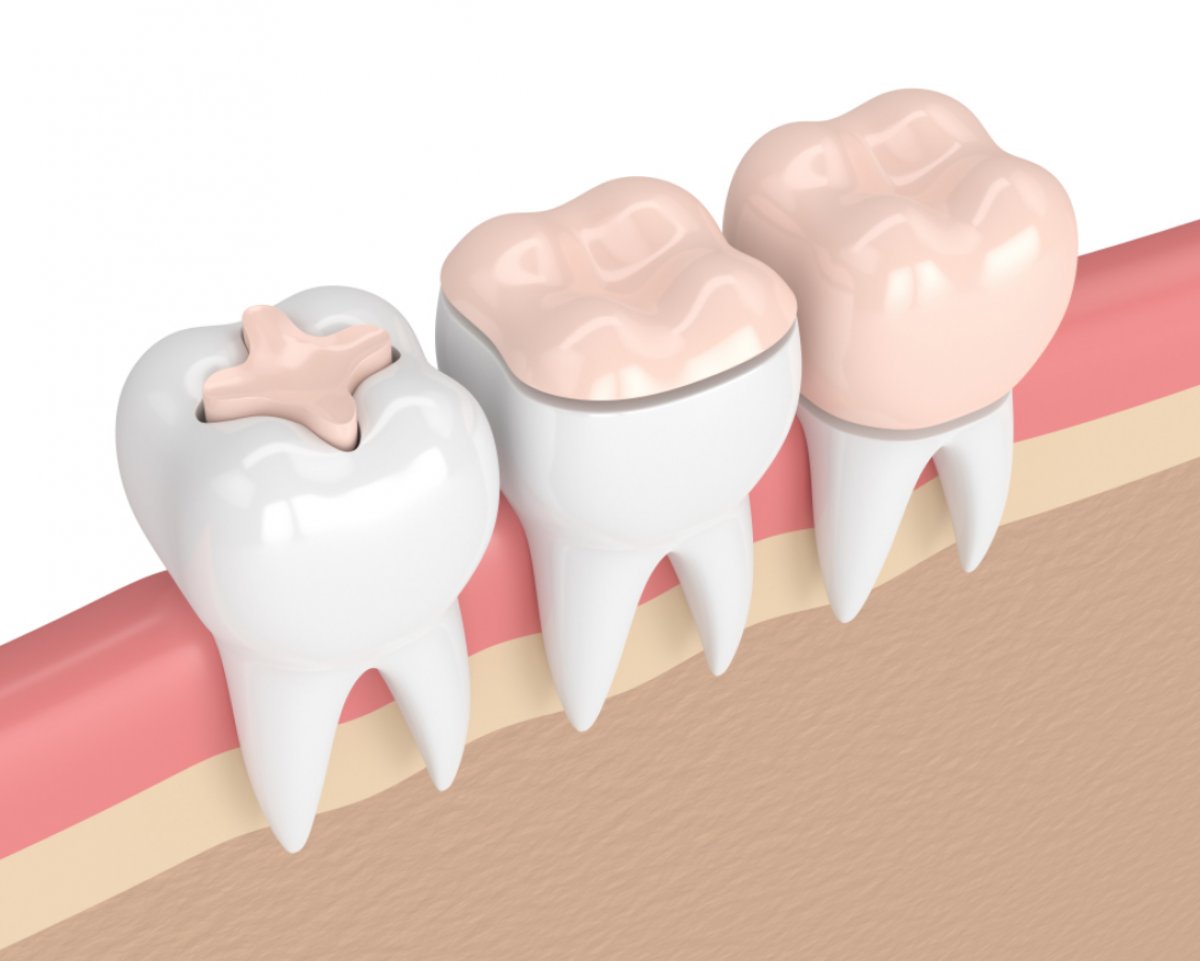
Preventive Pediatric Dentistry (Pedodontics) practices stop cavities by chemically saturating enamel crystals with professional fluoride varnishes against acids and completely sealing deep anatomical grooves in the back molars with a liquid resin called sealant, thus eliminating the physical areas where bacteria could thrive.
Protective dentistry deals with identifying the physiological weaknesses of a disease and covering them. The newly erupted permanent molars at ages 6 and 12 are the teeth that experience the most chewing pressure in the mouth but are also the ones that harbor the most bacteria due to their deep grooves (fissures). The pits are so narrow that a toothbrush’s bristle cannot fit into them. Dentists fill these pits with a thin resin without using any drill (milling) or anesthetic, turning the surface into a smooth area. This prevents food from getting trapped in those indentations. Another preventive measure, the application of fluoride varnish, replenishes the missing minerals in enamel, cellularly freezing the initial teething white spots that have started to form and allowing the tooth to repair itself before it cavitates.
What Points Should Be Considered When Teaching Children How to Brush Their Teeth?
When providing tooth brushing education for children, attention should be paid to demonstrating gentle circular scrubbing techniques from gum to tooth (modified bass), ensuring that brushing is done under parental supervision (up to about 7-8 years old), and presenting the process not as a requirement, punishment, or medical pressure but rather as a fun game routine.
Education aims to internalize the correct brushing habits. If a child is taught to brush very hard horizontally, they may face issues like gum recession and enamel wear later on. In European practices, dentists demonstrate to parents how they can reach their child’s teeth through practical models. It is encouraged that the child enjoys the taste of toothpaste (but does not swallow it). Since children’s perception of time is weak, they cannot understand the concept of “two minutes.” Therefore, playing a favorite two-minute song or using an hourglass during brushing makes the process more tangible. Additionally, allowing the child to choose their toothbrush (color, cartoon character on it) is a powerful pedagogical approach that helps them own this routine.
How Does Frequent Snacking Disrupt the Oral Acid Balance?
Frequent snacking disrupts the oral acid balance by causing the decay-causing bacteria in the mouth to immediately produce lactic acid with every new carbohydrate (sugar) intake, pulling the mouth’s pH level down from a safe limit of 7.0 to a dangerous level below 5.5; this constant eating doesn’t allow time for saliva to neutralize this acid and repair the teeth.
The frequency of consumption of certain foods from the perspective of dental health can also cause a biochemical disaster. There is a table in the medical literature known as the “Stephan Curve.” According to this table, when sugary food enters the mouth, the pH level drops sharply within minutes (becomes acidic) and the dental enamel starts to dissolve. The saliva from the salivary glands takes about 30 to 40 minutes to buffer the acid and return the pH to a safe neutral level. If a child consumes only three main food items throughout the day, the dental enamel will face acid attacks three times during that day. However, if the same child snacks throughout the day every half hour with biscuits, juice, or crackers (grazing), the saliva’s pH will never recover. The teeth remain in a continuous pool of acid from morning to evening, significantly accelerating the formation of cavities.
Why Do Regular Clinical Check-ups Matter So Much in the Fight Against Cavities?
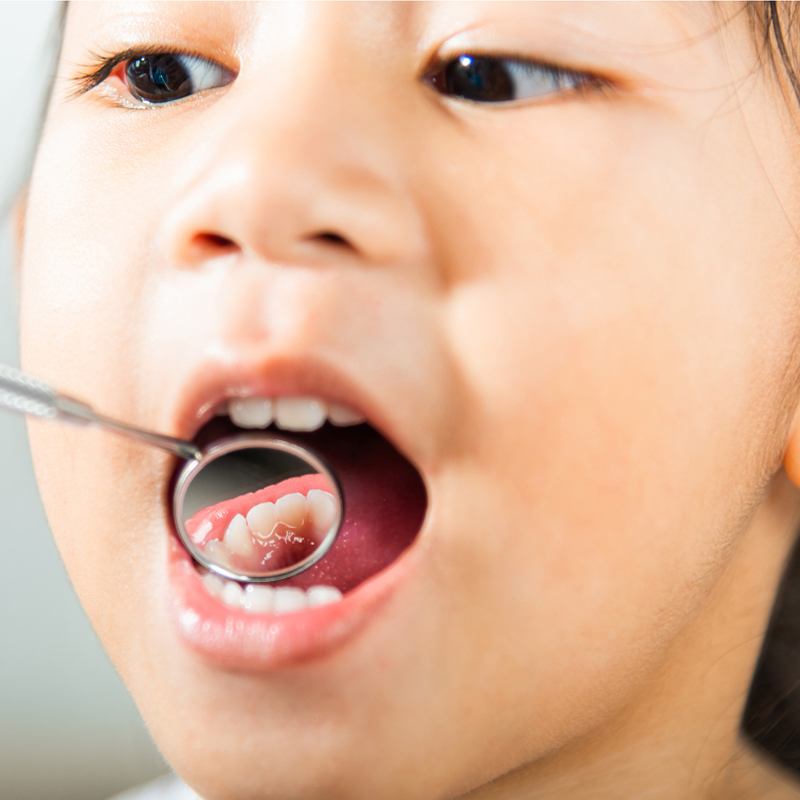
Regular clinical check-ups are vital in pediatric dentistry to diagnose microscopic mineral losses (cavities) hidden between the teeth before they turn into deep infections and abscesses, allowing for their cessation with fluoride supplements or simple measures without any surgical procedure (drilling).