Izmir Implant Center: Dental Implant Treatment
Tooth losses are a multifaceted health condition that can lead to functional chewing difficulties and aesthetic concerns. Among the prosthetic approaches that replace lost teeth in modern dentistry practices, implant applications are highlighted. Patients searching for the Izmir implant center can access services that comply with modern medical standards thanks to the evolving technological infrastructure and clinical equipment.
What is a Dental Implant and How is it Applied to the Jawbone?
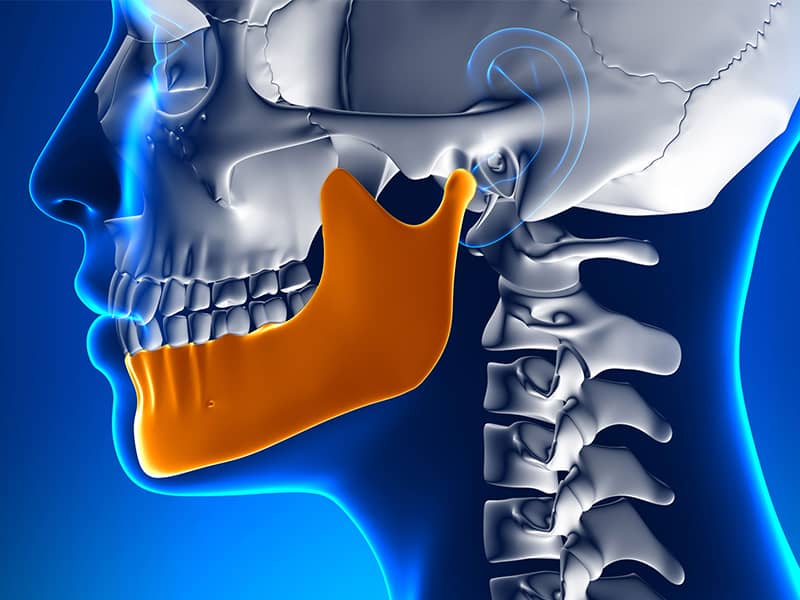
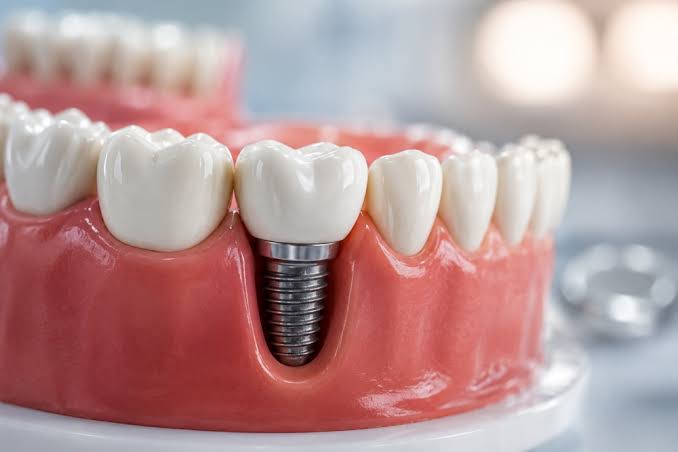
In regions where tooth loss occurs, anatomical changes occur over time. Bone tissue tends to experience volumetric loss when it is not subjected to chewing forces. Titanium screws simulate the natural tooth root and transmit a mechanical stimulus to the jawbone, contributing to the preservation of bone density. The titanium element has been preferred in the medical field for many years due to its biocompatibility (non-reactive with the human body) in orthopedics and dentistry.
The biological integration process known as osseointegration occurs at the microscopic level. The special grooves and perforated areas on the implant surface allow the jawbone cells (osteoblasts) to encase the screw. The clinical procedures applied focus solely on the area with tooth deficiency without any physical intervention on adjacent healthy teeth.
What Medical Criteria Should be Considered When Choosing an Implant Center in Izmir?
Providing suitable physical conditions in health services is crucial for minimizing the risk of complications. In the surgical procedure of implant application, infection control is as critical as the clinician’s planning. For example, in the clinical protocols of Avrupadent, which operates throughout Izmir, patients’ medical histories are recorded in detail, and sterilization standards are implemented according to international dental norms.
| Clinical Equipment / Process | Medical Significance |
|---|---|
| 3D Dental Tomography (CBCT) | Forms the basis of surgical planning by showing the anatomical structure of the jawbone, its height, width, and the position of nerve canals in millimeter precision. |
| Autoclave Sterilization Unit | Ensures the removal of microorganisms from the hand tools and surgical sets under high pressure and heat. It is central to infection control. |
| Internationally Certified Materials | The implant’s manufacturer, product information, barcode system, and biocompatibility certificates must be transparently presented to the patient. |
| Multidisciplinary Approach | Evaluation of the surgical procedure and prosthesis (superstructure) by experienced physicians in their respective fields positively influences clinical longevity. |
What are the Stages of Implant Treatment and How Long Does the Process Take?
The timeline of implant treatment is shaped according to the physiological structure of the patient, bone quality, and the healing speed of the anchoring system. The procedures applied in today’s dentistry generally consist of four main phases:
-
\t
- Medical History and Radiological Planning: The general health status of the patient is examined. The dimensions of the jawbone are calculated through panoramic X-ray and 3D tomography. The angle and size of the screw to be used are simulated in a digital environment.
- Surgical Placement Phase: Local anesthesia is applied to the relevant area. A socket is prepared in the jawbone suitable for the diameter of the implant, and a titanium screw is placed. If necessary, the gum tissue is sutured in the appropriate position.
- Osteointegration (Healing) Phase: It is expected that the titanium material will be enveloped by the patient’s bone structure. During this waiting period, temporary prostheses may be applied by the physician to address aesthetic concerns.
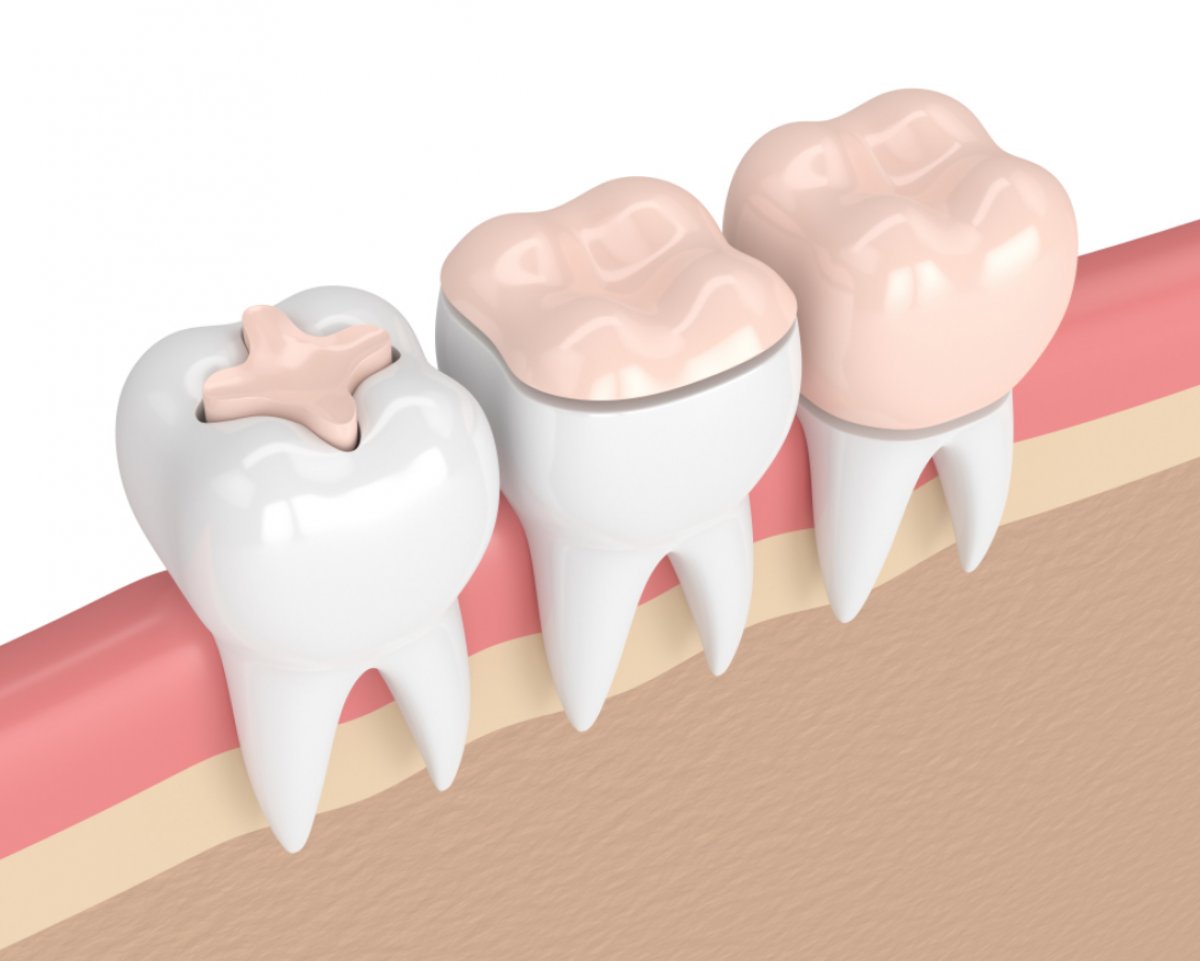
- Prosthetic (Superstructure) Phase: Once healing is complete, the gum tissue over the implant is shaped and measurements are taken. Zirconium or porcelain crowns, prepared in the laboratory according to the patient’s dental structure, are fixed onto the implant to provide chewing function.
\t
\t
\t
How is Sensitivity or Pain Managed During the Implant Operation?
Although there are psychological concerns regarding surgical procedures within society, the jawbone tissue does not have dense nerve networks within itself. The majority of sensitivity comes from the gum tissue and the surrounding soft tissues. Local anesthetic substances numb these tissues, providing the physician with a comfortable working area while offering the patient a pleasant surgical process.
To minimize swelling (edema) and increase comfort during the healing period, it is recommended to follow the clinical protocols suggested by the physician:
- Application of Cold Compress: Applying intermittent ice externally within the first twenty-four hours following the operation narrows the vessels, limiting the amount of edema.
- Regular Use of Medications: In order to minimize the risk of infection, antibiotics and pain relievers should be used at prescribed times to alleviate existing discomfort.
- Avoiding Thermal Effects: For the first few days, one should avoid excessively hot or cold beverages and consume food in liquid and soft forms.
How is Graft (Bone Powder) Application Performed in Cases with Insufficient Jawbone?
The long-term retention rate of the implant clinically depends on a healthy surrounding and a thick bone wall. When adequate bone quality is not found in tomographic analyses, “advanced surgical techniques” are applied. These materials serve as a scaffold by attracting the body’s own bone cells to that area and, over time, the patient’s own bone replaces it.
All-On-4 and All-On-6 Implant Systems Who Can Be Planned For?
In traditional complete jaw implant treatments, placing eight to ten implants in each jaw and performing extensive bone grafting procedures may be required. However, in the All-On-4 system, implants are placed in the anterior regions, which are anatomically denser, while ignoring bone loss in the posterior areas. This biomechanical adjustment allows for avoiding anatomical limitations such as nerve canals and sinus cavities.
The treatment process is as follows:
- The necessary tooth extractions and implant placements are performed in the same session.
- A temporary bridge prepared in the laboratory is fixed to the patient a few hours after the surgical operation.
- At the end of the clinical healing period (3-6 months), permanent prostheses made from durable materials are fitted.
This method is part of the clinical planning for individuals who have difficulty using a denture (removable prosthesis) and want to regain functional chewing capacity in a short time.
Can Diabetic, Hypertensive, and Heart Patients Receive Implant Treatment?
According to the Ministry of Health’s medical protocols, a comprehensive anamnesis (health history) is taken from every individual to undergo surgical procedures. Systemic diseases are factors that directly affect the body’s healing capacity. For this reason, in European-style centers with extensive capacity, patients’ blood tests and doctor reports are archived with great care.
| Type of Disease | Medical Approach and Pre-Operative Process |
|---|---|
| Diabetes (Sugar) | Uncontrolled diabetes delays tissue healing and increases susceptibility to infection. Routine surgery can be performed when blood sugar levels are brought within medical references. |
| Hypertension | During the operation, the patient’s pulse is monitored against local anesthetics that contain vasoconstrictors. It is requested that blood pressure medications be taken as scheduled. |
| Cardiovascular Disorders | Patients on anticoagulants (blood thinners) have their medications adjusted under doctor’s supervision several days before the surgery based on clotting values (INR). |
| Osteoporosis (Bone Loss) | Individuals using bisphosphonate group medications are at risk for jawbone necrosis, so the dosage and type of medication are evaluated by the dentist and relevant specialty doctor. |
What Are the Differences Between Domestic Implants and Imported Implant Brands?
Brands produced in countries like Switzerland, Germany, and the USA have been the subject of thousands of scientific articles and clinical follow-up data, as they have been part of the dental industry for decades. These brands have also made significant investments in special surface conditioning processes like SLA and SLActive to shorten the osteointegration (bone bonding) process.
Local brands produced in Turkey have made significant advancements in production technologies in recent times and have been introduced for clinical use with CE certification and approvals from the Ministry of Health. They fall within more affordable budget ranges due to the absence of logistics and customs costs. The retention lifespan of an implant in the mouth depends more on the surgical experience of the doctor, the sterilization chain, and the hospital’s post-operative care habits than on the brand.
What Criteria Determine Implant Prices in Izmir?
Since each individual’s oral anatomy, bone thickness, and aesthetic expectations are different, it is not possible to create a standard cost table for medical procedures. Applying for a consultation at an Izmir implant center, getting examined through a panoramic X-ray, and obtaining detailed breakdowns of the quality of materials to be used and procedures to be applied are the most rational steps in terms of budget planning.
Clinical parameters affecting the cost can be listed as follows:
- Surgical Size of the Case: The cost structure of procedures that include membrane and graft materials, compared to cases that end with only the placement of the implant, is different.
- Prosthetic Material Selection: The translucency and aesthetic properties of the tooth prepared in the laboratory to be placed on the implant (such as monolithic zirconium or e.max) also change the laboratory costs.
- Clinical Equipment: Advanced technological infrastructures, such as producing three-dimensional surgical guide plates digitally for use in the operation, can be included in the planning.
What is the Lifespan of Implants and How Should the Maintenance Procedures Be?
The primary reason for implant failures in dental literature is an infection of the tissues surrounding the implant, termed “peri-implantitis.” This condition arises from the accumulation of dental plaque around the prosthesis and the failure to clean it. Additionally, the use of tobacco products is an important risk factor that prepares the ground for bone resorption due to its detrimental effect on blood circulation.
The mechanical cleaning methods you apply to your natural teeth are also applicable to your prostheses.
- At least twice a day, plaque elimination should be performed with a fluoride toothpaste and a medium-hard toothbrush using circular motions.
- Areas between the implant and adjacent natural teeth are blind spots that traditional brushes cannot reach. These sections should be cleaned daily with dental floss or an appropriate size interdental brush.
- Patients with large bridge prostheses like All-on-4 have a high impact using devices called “water flossers” to remove food residues trapped beneath the body.
- Having a professional tartar cleaning performed by a specialist every 6 months as part of clinical protocols is important.