How to Prevent Tooth Decay in Children in Izmir?
In Izmir, the prevention of tooth decay in children is achieved through regular fluoride mechanical brushing under parental supervision, a conscious dietary regimen that limits carbohydrate and sugar intake, and the implementation of professional preventive dental measures such as periodic application of fissure sealants and fluoride varnish in a clinical setting. Combating decay is not just a clinical process but is an integral health discipline embedded in the family’s daily lifestyle.
Although tooth decay is considered one of the most common infectious tissue diseases of childhood, it is completely preventable with the correct strategies. The formation of decay is neither fate nor merely a genetic inheritance; it is a biochemical condition that arises from the interplay of bacteria in the oral flora, dietary habits, and inadequate hygiene. Eliminating just one of these factors (for example, regularly cleaning food residues) is sufficient to halt the disease’s progression. The goal of preventive dentistry practices is to support children’s natural dental tissues from the outside, creating a shield against acid attacks. The modern health protocols applied in Izmir focus not just on treating decay but on preventing it at its source to protect the child’s skeletal jaw development and overall health.
How Should Home Dental Care Be in Preventing Tooth Decay?
In preventing dental caries, the oral hygiene routine should be performed at least twice a day, just before sleeping in the morning and at night, using a paste suitable for the child’s age (in the consistency of milk or pea size) with the physical assistance and supervision of a parent, in the form of a regular brushing routine.
Since motor skills are not yet fully developed in childhood, leaving the brushing action entirely to the child’s initiative is one of the major household errors that prepares the ground for tooth decay. Until about 7-8 years old (the period when the child can comfortably tie their own shoe laces), even if the child brushes their teeth, the final check and thorough cleaning process must always be completed by a parent. The correct technique involves sliding the toothbrush with gentle circular motions from the gumline to the tooth surface (tooth scrubbing) and especially carefully brushing the grooves of the back molars. The brushing time should definitely target two minutes, and no food should be consumed other than water after nighttime brushing. Since the flow of saliva slows down at night, an unbrushed mouth becomes an excellent incubator for bacteria to produce acid until morning.
How to Organize Eating Routines to Prevent Tooth Decay?
To stop the formation of tooth decay, it should be planned and organized to limit the intake of refined sugars, packaged snacks, and acidic beverages, and to ensure that such foods are consumed only immediately after main meals and not as snacks, as well as rinsing the mouth with water after eating to quickly balance the acid levels (neutralization).
The effect of nutrition on the duration is measured not only by the amount of sugar but also by how frequently that sugar comes into contact with the mouth. If a child consumes a package of candy throughout the day, taking a piece every half hour, the physiological period needed for the mouth to restore its pH balance (about 30 minutes) can never be completed. The tooth enamel remains under continuous acid erosion from morning to evening. However, if the same amount of sweets is consumed immediately after the main meal, the acid produced by the already very active mouth saliva is quickly washed away. Therefore, the most important dietary advice given to families in preventative dentistry is to avoid the “grazing” behavior and to stabilize food intake at specific times (mealtimes).
How to Foster Brushing Habits in Infancy and Childhood?
Brushing habits in infancy and childhood can be fostered by turning the process into a fun family routine rather than a punishment or medical necessity. This includes offering the child a selection of toothbrushes in different colors, playing their favorite two-minute songs during brushing, and parents serving as role models by brushing their teeth in front of their children.
In psychological development stages, children learn not only by imitating what their parents say but also by observing what they do. When a parent cannot brush their own teeth, forcing the child into this situation often results in resistance. The pedagogical approach recommended for families at İzmir Avrupadent involves collectively performing this action at the sink. The child can be allowed to brush the parent’s teeth first, with the child’s toothbrush in hand, before the parent brushes the child’s teeth. The taste of the toothpaste should be a fruity flavor that motivates the child but must be selected from protective ingredients that comply with medical standards. A habit can turn into an automatic behavior done without objection by aligning with the child’s biological rhythm when repeated at the same time every evening without any excuses (generally within an average of 21 days).
What Are the Preventive Treatments Applied in a Clinical Setting?
Preventive treatments applied in a clinical environment include Pediatric Dentistry specialists periodically applying fluoride varnish treatments based on the child’s cavity risk profile and performing sealants that purify the occlusal surfaces of permanent molars, which are medical barrier procedures that increase the physical and chemical resistance of enamel against bacterial acids.
The 2026 health regulation states that the primary objective in medical services is to stop the disease at its source before it develops. This philosophy is also referred to as “preventive dentistry” in the practice of dentistry. Measures taken to prevent cavities in a child’s teeth eliminate challenging clinical scenarios like root canal treatment or extractions that may arise in the future. The physician cleans the child’s teeth with special solutions, without using any instruments. Then, special chemical agents and surface coatings that will integrate with the tooth structure are applied. These procedures are extremely positive experiences that are silent, comfortable, and enhance the child’s trust in the clinic, performed without the use of drills.
| Application Area | Home Methods (Parental Control) | Clinical Methods (Physician Control) |
|---|---|---|
| Mechanical Cleaning | Using a toothbrush and dental floss twice a day. | Professional plaque and tartar cleaning every 6 months (Scaling). |
| Surface Protection | Using a daily low-fluoride toothpaste. | Application of high-concentration professional fluoride varnish. |
| Anatomical Barrier | Rinsing with water after meals for acid wash. | Physically sealing the tooth pits with fissure sealants. |
What Physical Methods Does Fissure Sealant Application Prevent?
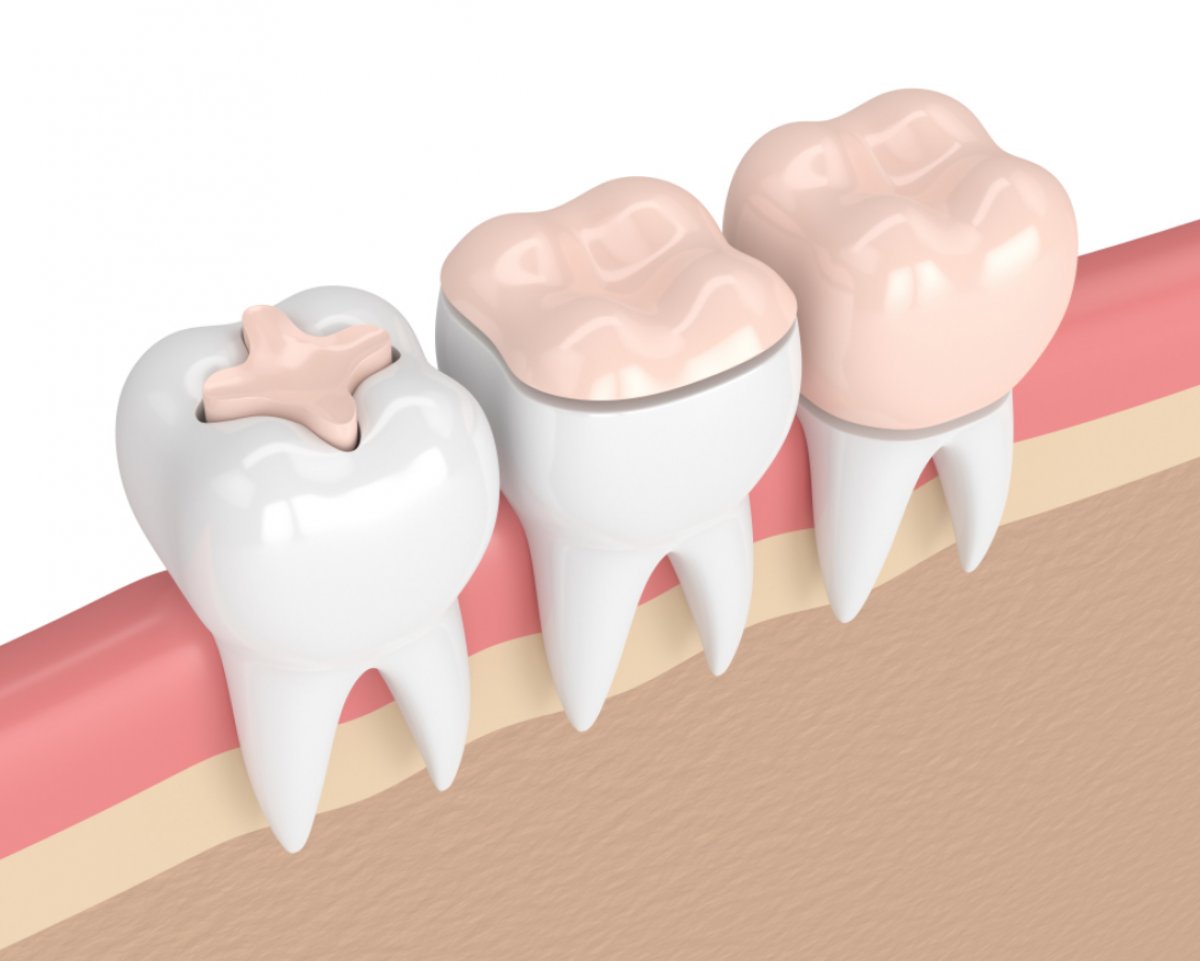
The application of fissure sealant, especially in the permanent molars of children aged 6 to 12, fills the deep, narrow grooves and fissures on the chewing surfaces with transparent or white-colored liquid resins, leveling the surface and creating a physical barrier that prevents food debris and bacteria from accumulating in those deep canyons and producing acid.
A significant part of childhood cavities begins from the chewing surfaces of the molars. When examined closely, these surfaces resemble steep valleys. Even the bristles of a toothbrush are not fine enough to reach the bottoms of these microscopic cracks. No matter how well a child brushes, bacteria settle at the bottom of these pits and start to safely erode the enamel. The fissure sealant procedure is as simple as applying a medical nail polish without cutting or grinding the tooth in any way. The dentist cleans the tooth, dries it, and applies liquid resin to the pits, which hardens in seconds with a special light. In the flattened valleys, there are no anatomical blind spots for bacteria to hide, and the chewing surface becomes completely blocked from cavities.
What is the Role of Fluoride Treatments in Strengthening the Enamel Layer?
The role of fluoride treatments in strengthening the enamel layer involves the fluoride ions repairing the microscopic mineral losses in the tooth caused by acid attack (remineralization) and transforming the natural hydroxyapatite crystals in the enamel into fluoride-resistant fluorapatite crystals that are much more resilient against acids, providing a chemical armor to the tooth.
The decay of teeth is not a one-way process; throughout the day, the enamel of the tooth undergoes a continuous cycle of erosion (demineralization) and repair (remineralization). If the rate of erosion exceeds the repair, a visible cavity forms in the tooth. Sufficient amounts of fluoride in the oral environment ensure that this battle is won by remineralization. Fluoride varnishes applied at six-month intervals, based on the risk analysis of the child visiting the clinic, are medical products that strongly adhere to the tooth surface and slowly release minerals to the tooth over several weeks. Initial stage demineralization white spots (incipient caries) are restored by these fluoride stores, bringing the tissue back to its original healthy form. Therefore, fluoride is the most powerful chemical protector available in modern pedodontics.
How Does Using Dental Floss Prevent Interproximal Cavities in Children?
Using dental floss helps to stop the accumulation of food debris and soft bacterial plaque that are hidden in the areas between two tightly touching teeth (contact points), where toothbrush bristles cannot reach, thus preventing the formation of interproximal cavities that are only noticeable in X-rays and progress silently at their source.
One of the most surprising clinical findings for parents is the detection of a tooth that appears completely white and cavity-free from the outside but is found to be partially decayed during a dental examination. The side surfaces where teeth lean against each other are dark areas where the toothbrush cannot touch in any way. While the contact areas of milk teeth are quite large, food easily gets trapped here. Gently passing specially designed children’s dental floss (with handles and colors) through the gaps between the teeth with parental assistance after brushing each night prevents the organization of bacterial plaque (biofilm formation) in that area. A child’s dental maintenance routine that does not include interproximal cleaning is always considered medically insufficient.
How is Preventive Dentistry Implemented at İzmir Avrupadent Clinics?
The approach to preventive dentistry at İzmir Avrupadent clinics involves creating a “cavity risk profile” through an objective analysis of the child’s nutrition, genetics, and hygiene habits in the departments of Pediatric Dentistry (Pedodontics). This is followed by integrating individualized clinical recall periods, fluoride support, and dietary modifications into the family through clear communication.
Every child’s genetic predispositions and home routines are different. Within the framework of this updated approach offered at the İzmir location, a uniform treatment procedure is not applied to the children who come to the clinic. A child at low risk of cavities is called for a check-up every six months, while a child in a high-risk group with low-quality saliva, who uses asthma medication, or has a diet high in carbohydrates is enrolled in follow-up programs every 3-4 months. The system automatically reminds the family of appointment times. The physician not only examines the child’s teeth but also visually informs the family through plaque staining tests recorded with digital devices, clearly showing the missed cleaning areas. This multidisciplinary organization makes the family an active partner in the fight against cavities.
What Are the Limits for Night Feeding and Bottle Use?
Night feeding and bottle use should be gradually restricted by around the age of one at the latest, and the baby’s habit of falling asleep with a bottle (milk, formula, or juice) should definitely be ended; if night feeding is necessary, the baby’s teeth should be cleaned immediately after feeding with a damp, clean gauze to remove milk residues from the mouth.
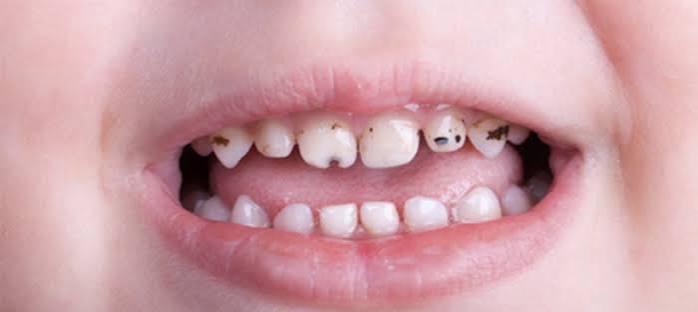
Early childhood caries (bottle caries) is the fastest and most dangerous infection that destroys milk teeth. During sleep, the production of saliva, which protects the oral flora, comes to a halt. If the baby sleeps with a sweet liquid in the mouth (even natural lactose in breast milk is included), this liquid turns the entire enamel surface, especially the upper front teeth, into an acid pool until morning. Bacteria consume the sugar in this liquid, producing destructive lactic acid for hours. Therefore, eliminating the use of the bottle as a sleep routine, only using it when the baby is awake and preferably for drinking water (or with training cups), is the only and the most powerful household rule that ensures the oral environment remains neutral (without caries).
| Liquid Consumption | Effect on Oral Flora | Medical Recommendation |
|---|---|---|
| Drinking Milk / Formula at Night | Due to the decrease in saliva, lactose quickly turns into acid and erodes the teeth. | Should be done before going to sleep, afterwards teeth should be cleaned. |
| Fruit Juice During the Day | Contains natural or added acids, weakening the enamel and causing erosion. | Instead of a bottle, use a cup, alongside limited quantities of the main food. |
| Drinking Water at Night | washes the mouth, neutralizes acid and prevents bacteria from accessing sugar. | Is the only option to quench thirst in babies who wake up at night. |
How Do Tooth-Friendly Foods (Cheese, Yogurt, etc.) Maintain Caries Balance?
Cheeses known as tooth-friendly foods, sugar-free yogurt, buttermilk, and raw nuts; thanks to their high calcium and phosphate content, they instantly increase the buffering (acid suppressing) capacity of saliva, quickly stabilizing the mouth’s pH levels and stopping the demineralization (cellular erosion) of tooth enamel caused by sugar and acid attacks.
Nutrition doesn’t always have to be harmful to teeth; proper food choices can serve as a mechanical protective barrier. Especially consuming a piece of cheese or sugar-free yogurt creates a basic (alkaline) environment in the mouth, blocking the acidic enzymes of cavity-causing bacteria. Chewing cheese also stimulates the salivary glands effectively, maximizing saliva flow (washing). If a child cannot avoid consuming sweets or carbohydrates, giving a small piece of hard cheese (or plenty of water) immediately after the meal is a tremendous natural measure that soothes that acidic erosion storm in the mouth within a few minutes and pumps calcium to the enamel surface.
How Are Cavity Prevention Strategies Planned for Children with Special Needs?
Cavity prevention strategies for children with special needs (autism, cerebral palsy, syndromic differences); focusing on the enhancement of family education, selecting toothpastes that are safe for swallowing (fluoride-free or low-dose special formulations), and implementing clinical fluoride varnish applications in strict quarterly cycles, taking into account motor skill deficiencies, swallowing difficulties, or medications routinely used in syrup form.
Maintaining standard oral care routines for individuals with special needs can be quite challenging for parents. If a child shows sensory sensitivity (an extreme reaction) to the act of tooth brushing or has to eat soft/mushy foods, it can significantly reduce the mechanical cleaning rate in the mouth. This patient group carries a “very high caries risk” in the pediatric dentistry literature. Once cavities form, the treatment for these children often has to be done under general anesthesia (in operating room conditions), making preventive dentistry vital here. The doctor applies desensitization techniques for the child to get used to the doctor and toothbrush, teaches parents the positions in which they can secure the child’s head to brush their teeth, and keeps the process under close medical supervision with antibacterial gels that protect the oral flora.
How Do Parents’ Own Oral Hygiene Practices Affect Their Children’s Cavity Risk?
Parents’ own oral hygiene can directly and significantly increase the child’s cavity risk if the mother or caregiver has a high concentration of cavity bacteria (Streptococcus mutans) in their mouth. This can happen through sharing utensils, feeding the baby hot food, or kissing the baby on the lips, leading to contamination of the baby’s sterile oral flora (vertical transmission).
Caries is an acquired, infectious (contagious) and microbial disease rather than a genetic transmission. A newborn baby has no bacteria that cause caries in its mouth. These bacteria are typically transferred to the baby through the saliva of nearby adults. If there are untreated active caries in a mother’s mouth, the number of bacteria in her saliva can reach millions. A parent who tests a spoonful of food in their mouth before giving it to the baby plants those bacteria into the baby’s mouth. The bacteria acquired during infancy colonize by adhering to surfaces during the eruption of the teeth. Therefore, the invisible first step in protecting a child’s teeth from cavities is for prospective parents to perfect their own oral hygiene starting from the pregnancy period and to treat any existing caries.
Why Are Routine Check-Ups in Pediatric Dentistry Essential for Life?
Routine check-ups in pediatric dentistry are vital because the enamel of baby teeth is anatomically very thin, which allows acid attacks to start a microscopic cavity on the surface that can reach the nerves and cause an abscess within just months. Addressing this issue at an early stage can stop it with simple fluoride gels without even using drills, thus safeguarding the child’s overall growth, development, and oral health.