How Long Does Implant Treatment Take in Izmir?
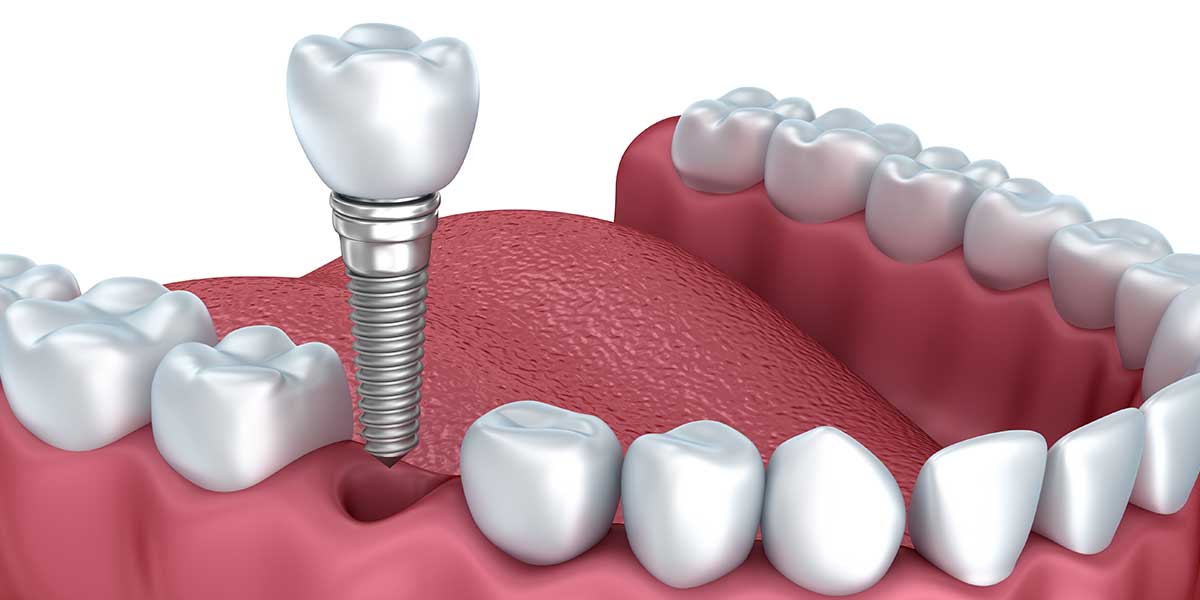
The prosthetic restoration of missing teeth is a medical necessity to ensure the normal functioning of jaw biomechanics and digestive system functions. This procedure, based on the principle of placing artificial roots into the jawbone, involves a biological adaptation period. One of the key factors frequently researched in patients’ treatment planning is the time factor.
How Long Does Implant Treatment Take in Izmir and What is the Standard Timeline?
The primary reason for the broad time frame of the treatment process is the tissue repair mechanism of the human body. The titanium material placed in the jawbone is surrounded by cellular structures instead of being perceived as a foreign object. This phase is called osteointegration. In the normal course of the process, it is a medical necessity for the physician to assess bone density and wait for the tissue to mature at the cellular level before applying force to the screw.
A standard timeline is divided into three main phases based on the patient’s overall physiological condition. The first phase consists of anamnesis and surgical stages, the second phase is biological waiting (osseointegration), and the third phase involves prosthetic loading (dental placement). If no complications occur during the healing period, the timeline will progress within the forecasted intervals.
How Many Minutes Does the Implant Placement Surgery on the Jaw Bone Last?
Although many individuals think that the surgical procedure will take hours, thanks to the current dental equipment and radiological diagnostic methods, the operation time has significantly reduced to minimal levels. Especially because the angle, length, and thickness of the implant are precisely determined through the 3D tomography taken before the operation, the time spent by the surgeon at the chairside is significantly reduced.
| Scope of Application | Estimated Chair Time | Description |
|---|---|---|
| Single Tooth Implant | 20 – 30 Minutes | Includes local anesthesia application, opening of the socket, and placing the screw and suturing it. |
| Multiple (3-4 Units) Implants | 45 – 90 Minutes | Multiple screws are placed sequentially in multiple sites under regional anesthesia in the same session. |
| Complete Tooth Application (6-8 Units) | 2 – 2.5 Hours | The preparation of all areas in a single tooth, the symmetry of the opened regions, and advanced stitching techniques are applied. |
Is it Possible to Perform Immediate Implant on the Same Day as Tooth Extraction and How Long Does it Take?
This technique, defined in dental literature as “immediate implant” or “immediate implantation,” is a preferred approach by dentists, especially for anterior tooth losses, to preserve the tissue profile. This method helps limit gum recession after extraction and reduces the number of procedures by avoiding the patient needing to undergo two separate surgical procedures (extraction first, implant months later).
However, not every patient profile is suitable for this approach. If a cyst or dense inflammatory tissue is detected at the root of the extracted tooth, the dentist may prefer to wait two to three months for the area to be sterilized and heal naturally. In immediate procedures, placing the screw into the jaw reduces the waiting time, but the physiological duration required for osteointegration (2-6 months) does not vary.
How Much Longer Does the Implant Healing Process Extend When Bone Powder (Graft) is Added in Izmir?
In cases with a long history of tooth loss or in individuals with a history of advanced periodontitis (gum disease), the width and height of the bone tissue may fall below the dimensions that can accommodate the implant. In such cases, the surgical area is supported with biomaterials. If the grafting procedure is simple as an additional step, it can be performed simultaneously with the screw. However, in cases of severe volume loss, bone powder is placed first to close the area, and implant surgery is performed on that region at the end of the sixth month.
What Steps Are Followed in Planning Implant Procedures Within Avrupadent? Implant
In healthcare centers with corporate capacity, the timing of the process is not left to chance or predictions. During the initial examination of the patient, systemic health, the medications used, allergy status, and bone mapping are evaluated as a whole. When a patient looking for how long İzmir implant treatment would take applies to the institution, the steps progress according to the following framework:
-
\t
- X-ray Examination: Panoramic X-rays and, if necessary, three-dimensional CBCT (dental tomography) scans are taken to measure bone volume.
- Multidisciplinary Evaluation: The physician who will manage the surgical stage and the physician who will finalize the prosthetic stage plan aesthetic and functional criteria together.
- Operation and Medical Follow-up: Detailed care instructions are given to the patient after the surgical intervention; routine checks for the first week and first month are recorded in the system.
- Prosthetic Restoration: Once biological adaptation is confirmed (between 2-6 months), the production of the superstructure is transitioned to digital or conventional measurement techniques.
\t
\t
\t
Is There a Difference Between the Healing Periods of Upper and Lower Jaw Implants?
The structure of bone tissue consists of spongy (cancellous) and compact (cortical) areas. In the lower jaw, the cortical tissue is much denser, which ensures that the initial stability of the implanted titanium material (primary stability) is significantly higher. Cellular mobilization organizes relatively earlier in this dense tissue.
In the upper jaw, the presence of sinus cavities and anatomical cavities such as the nasal floor, along with the different nature of the bone structure in terms of vascularization, prolongs the time for cells to organize and transform into a dense tissue form. Physicians consider that hastily loading a prosthesis in the upper jaw could disrupt the osteointegration process, hence they tend to maintain a longer waiting period.
How Much Time Is Required for the Implant Stage of Prosthetic Tooth Placement?
An important part of patients’ curiosity regarding how long the surgery lasts is not just related to the surgical phase but also to the prosthetic phase where the tooth is physically placed. This stage, starting with the end of the biological waiting period and acknowledgment given by the physician through radiological means, includes the following clinical practices:
- Gum Tissue Management: The implant that is buried is opened with a minor intervention, and a “healing abutment” (gingiva former) is placed, waiting 4 to 7 days for the gum to create a suitable socket for the prosthesis.
- Impression Taking: A three-dimensional copy of the jaw is made using special transfer pieces with digital intraoral scanners or silicone materials.
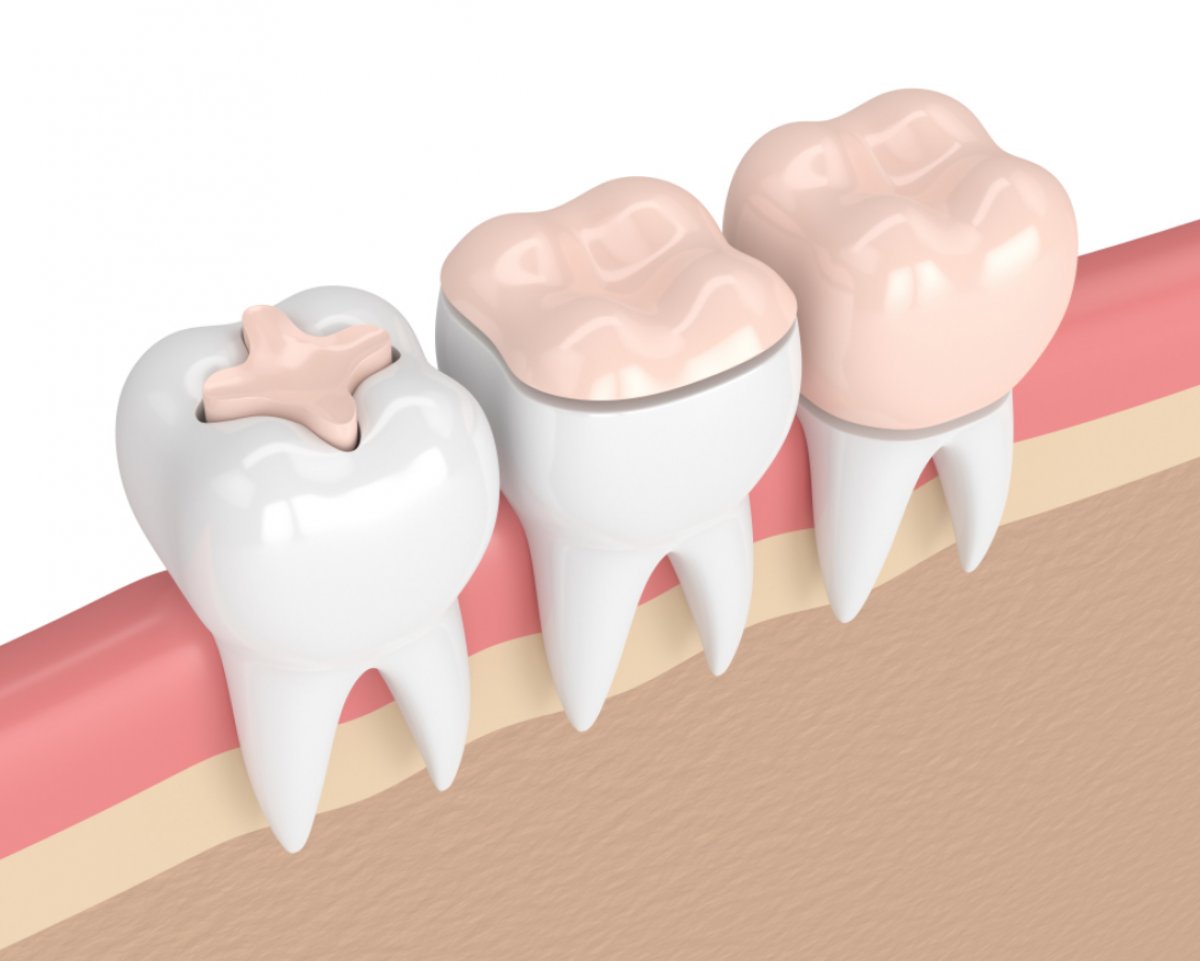
- Infrastructure and Trial Sessions: The zirconium or porcelain framework prepared in the laboratory is tested for jaw closure and compatibility with neighboring teeth inside the mouth.
- Delivery (Fixation): The porcelain crowns that have finished polishing processes are permanently attached to the implant using screws or special medical cements.
How Does Smoking and Systemic Diseases Affect the Duration of Implant Treatment in Izmir?
Chemicals and nicotine found in cigarette smoke cause narrowing (vasoconstriction) of the capillaries. The tissues in the surgical area need oxygen and defensive cells that will be transported by blood to heal. Insufficient blood supply greatly reduces the rate of bone integration. Dentists strongly recommend limiting or quitting smoking for a certain period before surgery and during the osteointegration phase.
In patients with type 2 diabetes, unstable blood sugar levels can disrupt protein synthesis, slowing down the wound healing process. When the HbA1c level in the blood is within the reference range, routine implant planning can be done; however, in cases where the values are high, the expected tissue repair will be significantly below the threshold, requiring the treatment schedule to be reorganized with specialist physician consultation.
What Medical Processes Await Patients at the Izmir Implant Center During the Healing Period?
During the biological waiting period, the body continues its efforts to localize the applied titanium material. For patients researching how long Izmir implant treatment lasts, compliance with the physician’s recommendations after surgery is essential for maintaining the timeline. Applying cold compresses (ice application) to the area within the first 24 to 48 hours can limit potential localized swelling. After the anesthesia effect wears off, prescribed analgesics (pain relievers) help keep any potential pains under control.
If stitches have been placed and they are non-dissolvable, a clinical visit should be made about seven to ten days after surgery to have the stitches removed by a physician. Oral hygiene should not be neglected during the healing phase; however, care should be taken to avoid any harsh movements that could cause trauma to the surgical area during the brushing process. Antiseptic mouthwashes recommended by the physician for infection control should be used as directed.
How Should Patients’ Nutrition Be During the Treatment Calendar in Izmir?
During the first few days following surgery, when the tissues are most fragile, the dietary style should be planned to avoid disrupting clot formation and stitching lines. As excessive hot foods can cause dilation of blood vessels leading to bleeding, foods should be consumed in warm or cold forms.
| Time Frame | Recommended Food Profile | What to Avoid |
|---|---|---|
| First 24 – 48 Hours | Room temperature broth from meat/chicken, yogurt, vegetable purees, fruit juices. | Hot tea/coffee, grain foods (rice, bulgur), carbonated beverages, alcohol, spices. |
| From Day 3 to the End of the 1st Week | Soft cooked vegetables, pasta, omelet, soft fish fillets. | Fried foods, hard nuts, gum, chips, and other hard snacks should be avoided. |
| Healing Period (1-6 Months) | Normal dietary habits can be resumed, but excessive weight should not be applied to the surgical area. | Intensive forces such as crushing nuts or tearing tough meat should not be applied in the implant area (until permanent teeth are installed). |