Izmir Implant Dental Clinic
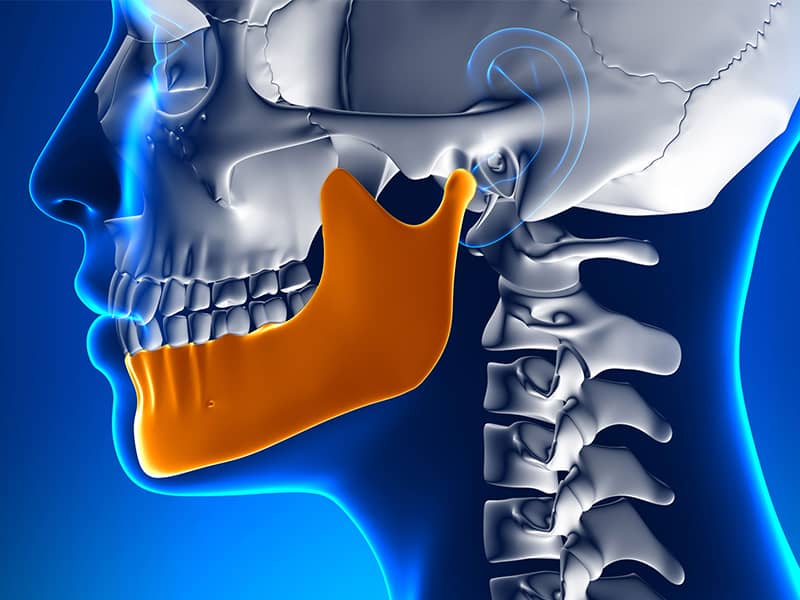
Tooth loss is one of the clinical situations that profoundly affects the mechanical functions of the chewing system and the biomechanics of the jaw joint. With the development of modern medicine, the integration of titanium screws aimed at restoring the function of lost roots into the jawbone forms the basis of prosthetic approaches. Access to accurate information about medical procedures for individuals searching for the Izmir implant dental clinic is essential for ensuring adherence to surgical procedures.
What Medical Criteria Should Be Considered When Choosing Izmir Implant Dental Clinic?
The equipment of a medical facility covers a broad range from planning surgical interventions to monitoring the recovery phase. Procedures in the field of jaw surgery or implantology require detailed infection control protocols rather than a standard clinic setup. The sterilization of surgical instruments in devices called autoclaves through pressure and heat should be part of the clinics’ routine protocols to minimize the risk of cross-contamination.
Radiological examination capacity is a key component of the diagnosis process. Two-dimensional panoramic X-rays provide a general idea about the height of the bone, while three-dimensional dental tomography (CBCT) determines the millimetric width of the bone, adjacent nerve canals, and the specific locations of sinus cavities. Obtaining these detailed data before the surgical procedure ensures that the planning matches the patient’s anatomy precisely.
What is Dental Implant Treatment and How Does It Integrate with the Jawbone?
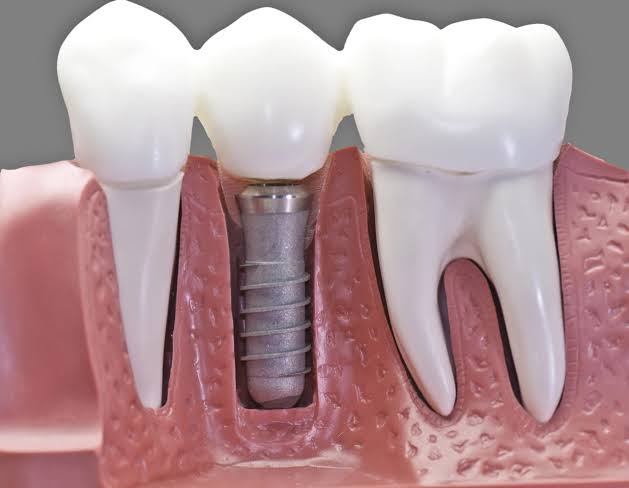
Bone tissue has a dynamic structure that shows a tendency to undergo volume loss when not functioning. In toothless areas where chewing forces are not transmitted, resorption (melting) begins over time. The reason for the use of titanium in implant materials is that this element is one of the rare metals not rejected by the body’s immune system. Titanium interacts with bone cells (osteoblasts) at the cellular level.
The biological integration phase is realized through the following microscopic processes:
- Vascularization: Micro-bleeding that occurs after the material is placed carries clotting cells and growth factors to the area.
- Cell Migration: Osteoblasts in the jawbone move towards the specially textured surface of the purified titanium.
- Mineralization: Cells create a new and hard tissue matrix by accumulating calcium and phosphate around the implant.
- Maturation: The spongy tissue gradually becomes denser and transforms into a cortical (hard) form, ready to bear biomechanical loads.
How Does the Implant Operation Progress at Avrupadent?
In healthcare centers with institutional capacity, treatment planning is carried out based on individualized data. The patient’s overall health status, any medications used, and past allergy history are assessed through a comprehensive form. The surgical calendar created for individuals starting as a result of research by the Izmir implant dental clinic is finalized with an interdisciplinary evaluation.
The steps of the operation are fundamentally based on successive protocols:
- Anamnesis and Diagnosis: Vertical and horizontal measurements of the jawbone are taken using digital scans, and the sizes of the materials to be used are determined.
- Surgical Phase: The area is anesthetized with local anesthetic agents, the gum is lifted, and an appropriate-sized cavity is opened in the bone for the titanium screw, and the material is placed.
- Biological Waiting: The osteointegration process varies between two to three months for the lower jaw and three to six months for the upper jaw.
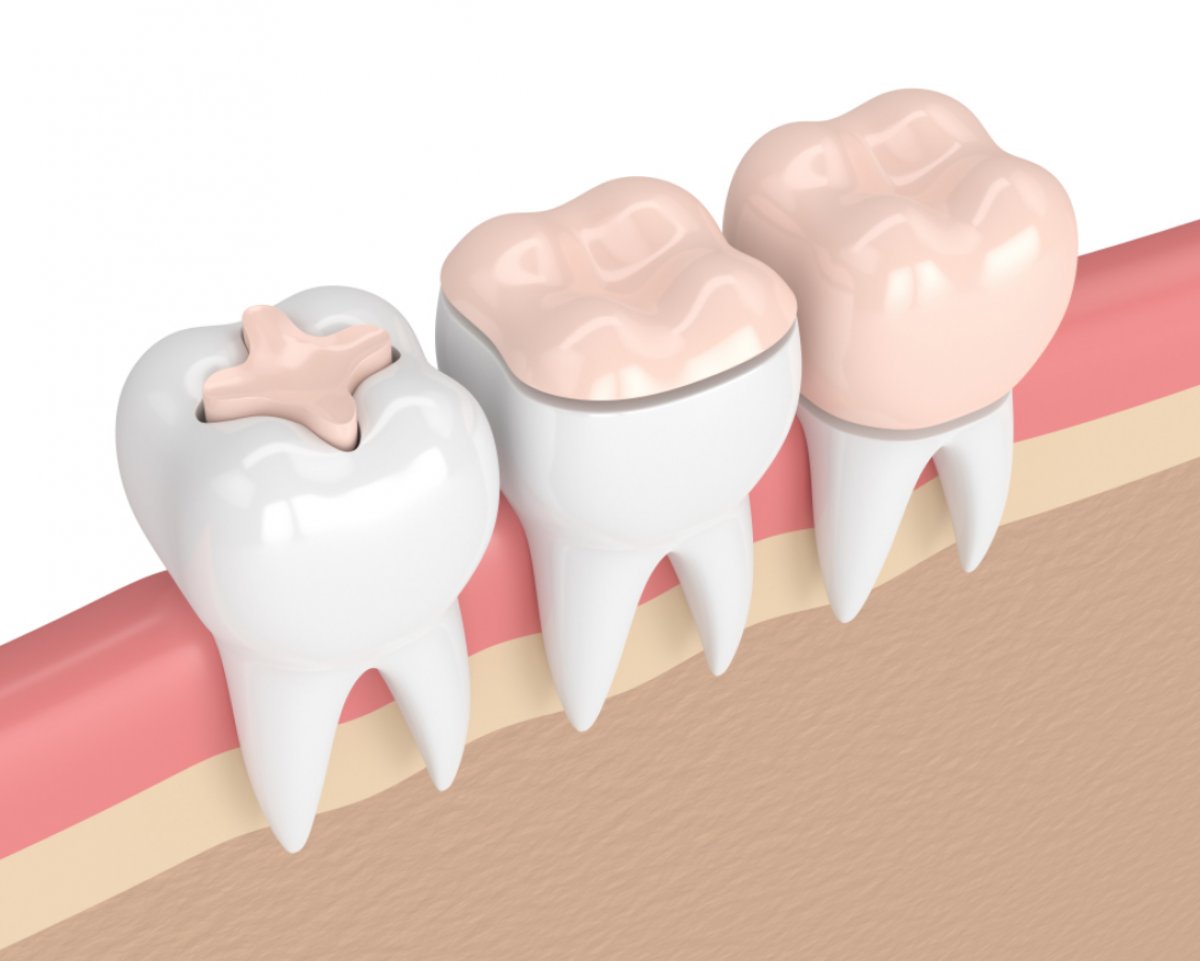
- Prosthetic Restoration: After bone integration is ensured, porcelain crowns, prepared according to the chewing relations in the upper jaw, are adapted to the relevant area by taking measurements with 3D intraoral scanners.
How Are the Patient’s Sensations Controlled During Implant Procedures?
Although surgical procedures are generally associated with high stress in social perceptions, the jawbone tissue itself does not contain intense nerve endings. The structures that convey the sensation of sensitivity are primarily the membranes surrounding the bone and the gum tissue. Local anesthetics containing current vasoconstrictors used in dentistry specifically numb the area where the procedure is performed and minimize bleeding in the operation area.
The physician’s approach of working with respect to the tissues and with minimal invasion (causing the least trauma) alleviates the edema picture after surgery. During the procedure, the person only experiences the vibration of motor devices and the pressure of touch. After the surgical session is completed, the onset of tissue repair along with mild edema and local swelling is expected physiological conditions. Cold compresses and medication protocols applied at this stage are planned to maintain tissue comfort.
What Additional Surgical Methods Are Used When the Jawbone Volume Is Insufficient?
In areas where years have passed since tooth extraction or in individuals with a history of periodontitis (gum recession), the structure of the bone tissue may have thinned to a degree that cannot accommodate the dimensions of the implant. For the biological compatibility to continue over a long lifespan, surrounding health bone must be at least one to two millimeters thick around the titanium material. Applications of bone powder (biomaterial) have been designed to repair this deficiency at the cellular level.
| Surgical Method | Area of Use | Physiological Purpose |
|---|---|---|
| Autogenous Grafting | Areas of the jaw where significant volume loss has occurred. | Transplantation of a bone block taken from the patient’s own anatomical structure (usually the chin or the area of the 20-year molars) to the deficient area and triggering biological repair. |
| Synthetic / Xenograft Application | Small to medium-sized horizontal bone losses. | Placement of sterilized calcium phosphate particles derived from animal sources or produced in a laboratory environment in the region to create a tissue scaffold. |
| Open Sinus Lifting | Vertical bone deficiencies in the posterior (molar) region of the upper jaw. | Bone grafting with bone powder obtained by surgically expanding the lower membrane of the maxillary sinus to create vertical distance for the implant. |
In Which Cases Is Implant Treatment Applied in İzmir for Older Adults?
While the lower age limit of implantology in dental literature is considered to be the age of eighteen, when the individual’s skeletal growth has concluded, this treatment can be provided to all age groups that do not have a medical barrier. In geriatric (elderly) patients, the primary determining factor is not chronological age but the individual’s tissue regeneration capacity and blood profile.
Because the bone metabolism of individuals in this age group operates more slowly, the osteointegration phase (waiting period) can take a few weeks longer compared to younger individuals. When making plans, doctors view obtaining written consultation from physicians by examining the osteoporosis medications or heart medications that these patients commonly use as part of clinical protocols.
How Are Individuals with Systemic Diseases Included in the Processes of İzmir Implant Dental Clinic?
The oral cavity is a mirror of overall systemic health. Since surgical interventions cause an inflammatory response in the body, it is expected that the patient’s general metabolism is conducive to this situation. Individuals with a health history of carrying diseases are referred for blood tests before treatment, and anesthesia protocols are tailored to the individual.
-
\t
- Diabetic Individuals: High blood sugar delays the healing of wounds by disrupting protein synthesis. Keeping the Hemoglobin A1c (HbA1c) value within medical reference ranges is a critical parameter to monitor the likelihood of infections.
- Cardiovascular History: Patients using anticoagulants must adjust their medication doses under medical supervision a few days before the surgical procedure; this is essential for bleeding control.
- Hypertensive Patients: The dosage of local anesthetics containing adrenaline is restricted, and the patient’s vital signs are monitored during the operation.
\t
\t
What Are the Differences Between the Materials Used for Implants and Prosthetics?
The placement of titanium material into the jawbone forms the anatomical foundation of the treatment, while the prosthetic structures in the upper part are designed to meet chewing dynamics and visual expectations. These structures are prepared by firing in high temperatures in a laboratory environment. The choice of material is determined by the physician based on the position of the implant within the mouth and the patient’s jaw closure relationships.
Traditional metal-supported porcelain crowns are produced by processing ceramic powder over a gray metal skeleton. Although aesthetically satisfactory, they can create a fine gray reflection at the gum line over time. Zirconium dioxide (ZrO2) based crowns, on the other hand, have white structures and good tissue compatibility, and they have been integrated into clinical practice as a biocompatible alternative, particularly for front group tooth restorations that involve the smile line.
What Care Rules Should Be Followed During the Post-Operation Healing Period?
Although the clinical aspect of the operation is completed in the dentist’s chair, a significant part of cellular healing is closely related to the care that the patient shows at home. During the period of biological compatibility (osteointegration), the essential requirement of the tissues is protection from external factors and stability. Avoiding strong coughing that alters intraoral pressure and actions like using a straw in the early days helps maintain the integrity of the clot.
The routine care procedures after treatment and when prostheses start to be used are as follows:
- Mechanical Cleaning: Just like with natural teeth, fluoridated toothpaste should be used daily with soft motions twice a day.
- Interdental Care: Dental floss or appropriately sized interdental brushes should be used for areas between the prosthesis and adjacent teeth that are inaccessible to traditional brushes.
- Oral Hygiene: Removing food particles that accumulate under long prosthetic bodies, like bridges, with pressured water can significantly help prevent gum inflammation (peri-implantitis).
- Periodic Check-Ups: It is recommended to visit the clinic for dental calculus cleaning and to monitor bone levels through radiographic examinations, on average once every six months.