Common Misconceptions About Implants in İzmir
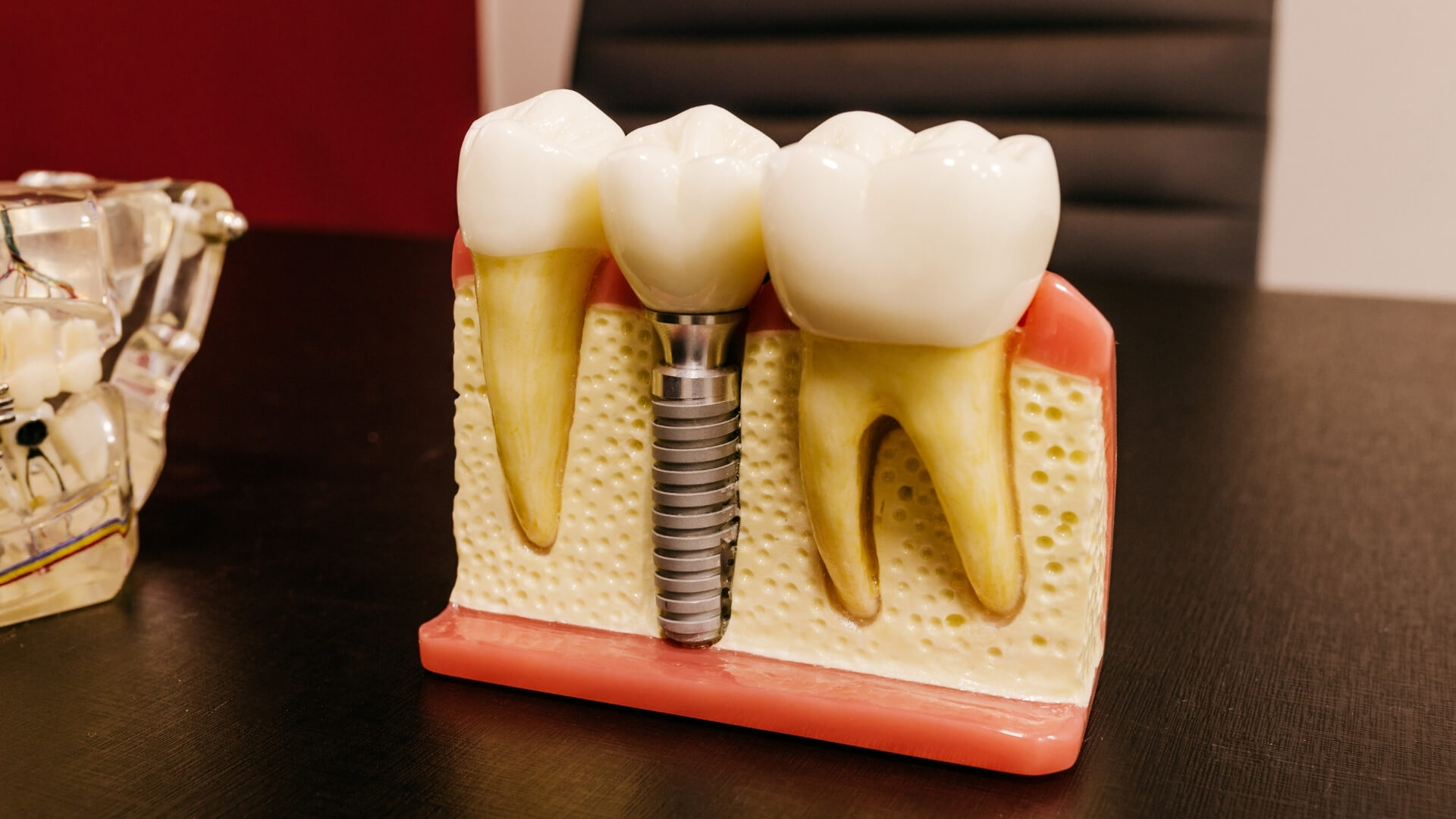
Titanium artificial root applications placed in the jawbone to compensate for missing teeth have become one of the routine clinical procedures in modern dentistry. However, despite this prevalence, many myths that circulate in the community, lacking scientific basis, exist. Individuals approaching medical processes with hearsay information sometimes delay necessary medical interventions or lead to biological expectations shifting onto an unrealistic basis.
Can Implant Treatment Be Rejected by the Human Body?
The frequently voiced statement in society, “my body didn’t accept the screw,” creates a concept confusion in medical terminology. In organ transplants (for example, kidney or liver transfers), the body’s defense cells, T-lymphocytes, perceive the incoming living tissue as an enemy and organize a cellular attack. However, titanium is an inorganic element and remains invisible (neutral) for the immune system thanks to the oxide layer on its surface.
The separation of titanium material from the jawbone or its loss of stability is not due to tissue rejection; instead, it is an inflammatory process called “peri-implantitis.” When individuals neglect daily mechanical cleaning, microbial plaques that accumulate between the gum and the material can lead to bone loss. Another physiological reason is when bone cells have not yet completely enveloped the titanium grooves (before osteointegration is completed), and the patient exerts traumatic pressure on that area while chewing hard foods. Both scenarios lead to the loss of the material, but this situation is not an allergic rejection mechanism.
Is the Surgical Operations Applied in Izmir a Long-lasting Process Leading to Severe Pain?
The widespread misconception that intervening with bone will cause unbearable pain is quite common. However, the inner (spongy) tissue of the jawbone does not contain a dense nerve network. Nerve endings are mostly found in the periosteum that surrounds the outside of the bone and in the gum mucosa. The anesthesia protocols used in modern dental practices block sensation in these areas for a specific period of time by performing specific nerve blocks.
A standard titanium implant placement involves significantly less tissue trauma than a complex tooth extraction procedure. The surgeon opens the socket with the help of bone drills while continuously cooling the tissue with physiological saline to limit its warming. After the procedure, when the effects of anesthesia wear off, mild edema and tissue fluid can be expected due to the body transporting defense cells (leukocytes) to that area. This repair phase can be managed comfortably with timely pharmacological support (analgesics and anti-inflammatory medications).
Is it true that elderly patients cannot undergo titanium root treatment?
It is a medical fact that aging somewhat slows down wound healing; however, this does not eliminate the potential for osteointegration (the bonding of bone to titanium). Nutritional disorders related to the use of removable palate prostheses, commonly encountered in elderly individuals, create physiological issues at the beginning of the digestive system. Maintaining their chewing functions with fixed prosthetic restorations is a very crucial medical approach for the overall health of these patients.
| Social Claim | Scientific Medical Fact |
|---|---|
| “Cannot be applied to elderly individuals with osteoporosis.” | Osteoporosis does not always affect the jawbone to the same extent. If sufficient density is detected in radiological examinations, planning can be made in consultation with the relevant physicians (endocrinology). |
| “The bodies of the elderly cannot withstand surgery.” | The local anesthesia techniques used and minimal invasive (less traumatic) methods minimize the stress on the body, keeping the operation within physiological limits. |
| “It is performed only on young individuals with aesthetic concerns.” | The primary purpose of using titanium materials is to reconstruct the chewing mechanics. In older age groups, the proper nutrition of food is essential to protect the gastrointestinal (stomach-intestinal) system. |
Do Titanium Materials Affect MR (Magnetic Resonance) Imaging or Security Devices?
Ferromagnetic metals such as iron, nickel, or cobalt are affected by the massive magnetic field created by MR (Magnetic Resonance) devices, either becoming subjected to pulling force or showing a heating reaction. However, titanium alloys used in medical implantology that are of Grade 4 or Grade 5 purity do not possess magnetic properties. Therefore, in cases where MR examination of the brain or neck region is needed, the titanium roots in the mouth do not pose any physical harm to the patient.
However, when evaluating solely from the perspective of image quality (artifact); metal-supported porcelain veneers in the teeth may cause small reflections in X-rays or MR images, which can somewhat limit the clarity of the images right next to the tooth. However, this is a physiological reflection known by radiologists and does not create a contraindication (a situation where it cannot be performed) that prevents the realization of the capture.
Can Abutments on Titanium Roots Exhibit Fracture Formation Like Natural Teeth?
It is among clinical observations that some patients in the community have a faulty perception such as “These teeth will never decay, there’s no need to brush them.” It is a medical fact that porcelain or titanium is not dissolved by microbial acids; however, the mouth cavity is an ecosystem. The act of brushing teeth is performed not only to protect the teeth but also to limit the microbial load on the gums.
When bacterial plaque (biofilm) is located in the narrow neck area where the prosthesis meets the gum, the body’s immune cells rush there. As a result of this battle, the gum recedes, and bone begins to erode. So, teeth do not decay, but the entire structure supporting the tooth will collapse. The absence of a decay mechanism does not provide comfort for the patient to neglect oral hygiene; on the contrary, the surrounding tissues of artificial roots are much more sensitive to bacterial attacks than natural teeth.
Will Individuals Who Have Experienced Mandibular Bone Resorption Definitely Be Deprived of This Treatment?
The jawbone, which is deprived of mechanical stimuli after tooth extraction, gradually loses size like a non-functional organ. This physiological reduction (resorption) can eliminate the minimum healthy bone wall of 1.5 – 2 millimeters required for titanium screws to be surrounded. However, jaw surgery has medical techniques that can manipulate the body’s self-repair (regeneration) capacity.
- Biomaterials (Grafts): Calcium phosphate particles obtained by being purified from natural sources or produced synthetically are used to fill bone voids.
- Vascularization (Blood Supply): The body perceives these particles as a wound and develops new capillaries into them; thus, the area gets oxygenated, and repair cells are transported to the site.
- Consolidation (Ossification): After a biological waiting period of four to eight months, the added inorganic powders replace the patient’s own living bone cells, turning into a solid bone block.
Are Applications in Avrupadent Clinics Planned Only for Cosmetic and Aesthetic Expectations?
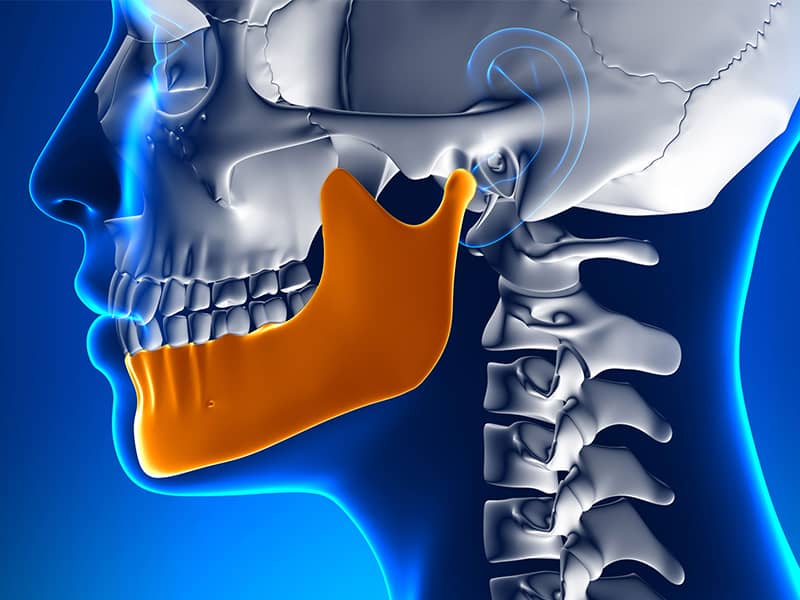
Although the primary complaint of individuals applying to clinics is often the “missing appearance in the mirror”, dentistry approaches the issue from a much broader anatomical perspective. Even a tooth absence in the anterior region can lead to asymmetric chewing force on the posterior teeth and cause wear and tear in the jaw joint (Temporomandibular Joint) over time.
In corporate organizations, a “backward planning” protocol is applied. In this approach, the patient’s bone map is created using three-dimensional dental tomography (CBCT). The titanium roots are calculated to be placed in mechanical areas that will not only look good but also provide the ideal occlusal contact with the opposing teeth. Aesthetics only becomes meaningful when built upon a functional and healthy infrastructure.
Is it true that diabetic or hypertensive patients cannot be included in implant surgical procedures?
Metabolic diseases have a direct impact on wound healing and infection control. In untreated cases of Type 2 diabetes, high levels of glucose circulating in the blood disrupt protein synthesis, hindering the repair of bone cells and suppressing the immune system. However, when the patient adheres to a nutritional diet, insulin, or oral antidiabetic agents, the body’s physiological repair capacity approaches its possible limits.
In patients with hypertension, the main risk is the blood pressure fluctuations caused by surgical stress. Dentists control vasoconstriction (blood vessel narrowing) in these patients by using localized anesthetics that do not contain adrenaline (or low doses). For individuals using anticoagulants (blood thinners), INR tests indicating bleeding profiles are requested, and surgery planning is shaped under the physician’s control. Systemic diseases are not a medical barrier, but a clinical parameter requiring extra medical attention.
Is Standard Tooth Brushing Sufficient for Implant Care?
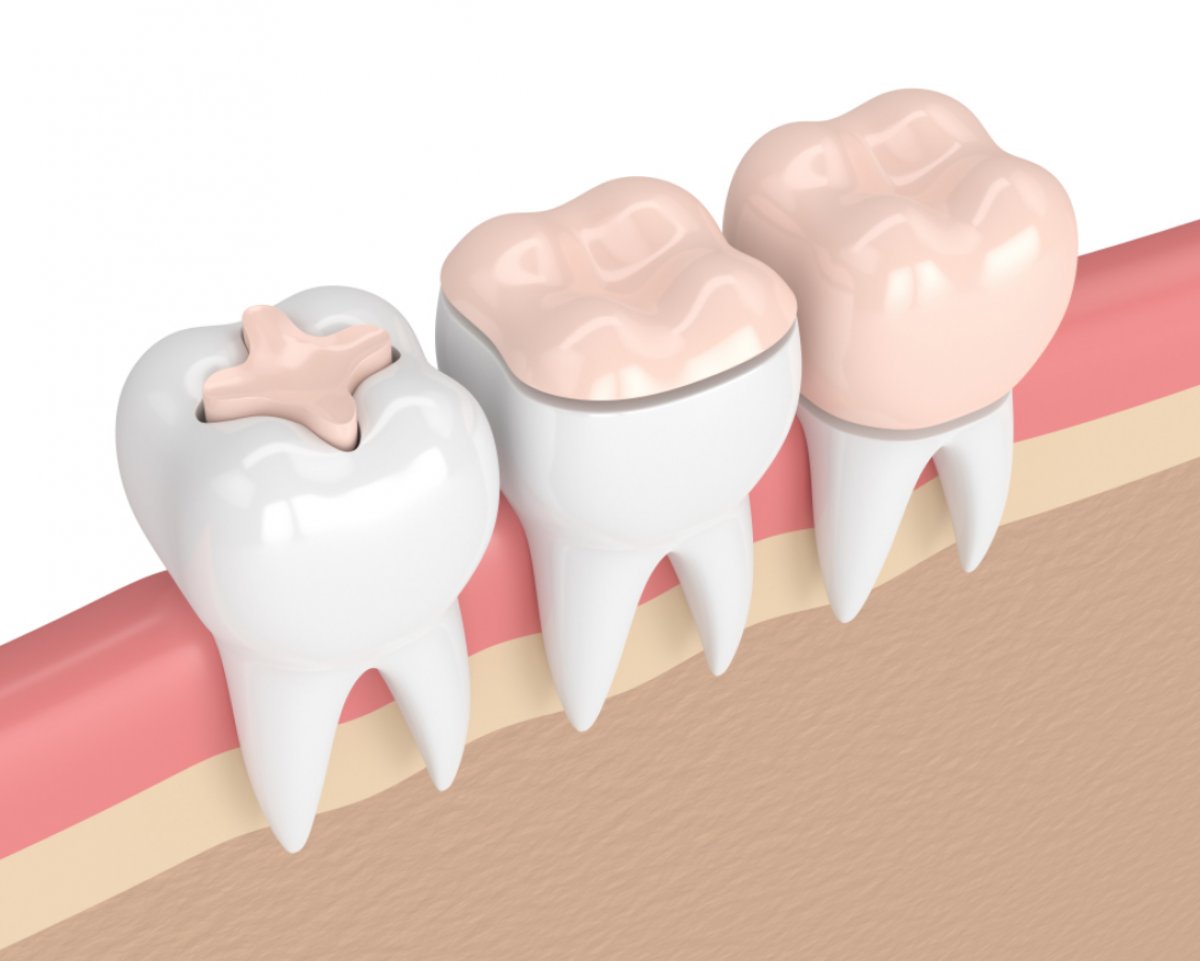
One of the myths based on the marketing of oral care products is the perception that brushing will reach every area. However, the design of zirconium or metal-supported porcelain prosthetics produced in the laboratory differs somewhat from natural tooth anatomy. Especially under bridge systems applied in multiple tooth deficiencies, narrow spaces remain between the gum and the prosthetic body. The millimeter thickness of toothbrush bristles cannot access these narrow embrasure areas.
Organic residues and bacteria find an anaerobic (oxygen-free) fermentation environment in these narrow cavities. Over time, these structures combine with calcium in the residue, solidifying into dental calculus. Therefore, using mechanical devices in patients’ home hygiene routines is a clinical necessity. The pressurized water jets of oral irrigators assist in the flow of fluids in these areas, supporting the maintenance of mucosal health.
Is any material placed in the jawbone permanent for life?
The phrase “lifetime use,” often used in marketing language, is an illusion that directs the patient’s expectations rather than a medical reality. Titanium roots placed in the jawbone do not decay; however, the surrounding gum and bone tissues are biological tissues that live, age, and react to the microbial environment.
| Risk Factor | Medical Justification and Cellular Effect |
|---|---|
| Tobacco (Smoking) Use | The vasoconstrictive effect of nicotine restricts blood flow to the gum tissue. Oxygen-deprived tissue cannot heal, and bacterial inflammation rapidly leads to bone loss. |
| Peri-Implantitis (Poor Hygiene) | Accumulated dental stones activate the body’s defense system, initiating the cellular degradation (resorption) of the adjacent bone. |
| Bruxism (Teeth Grinding) / Occlusal Trauma | Excessive uneven pressure from opposing teeth causes micro-cracks in the cortical bone in the titanium neck area and mechanical resorption. |