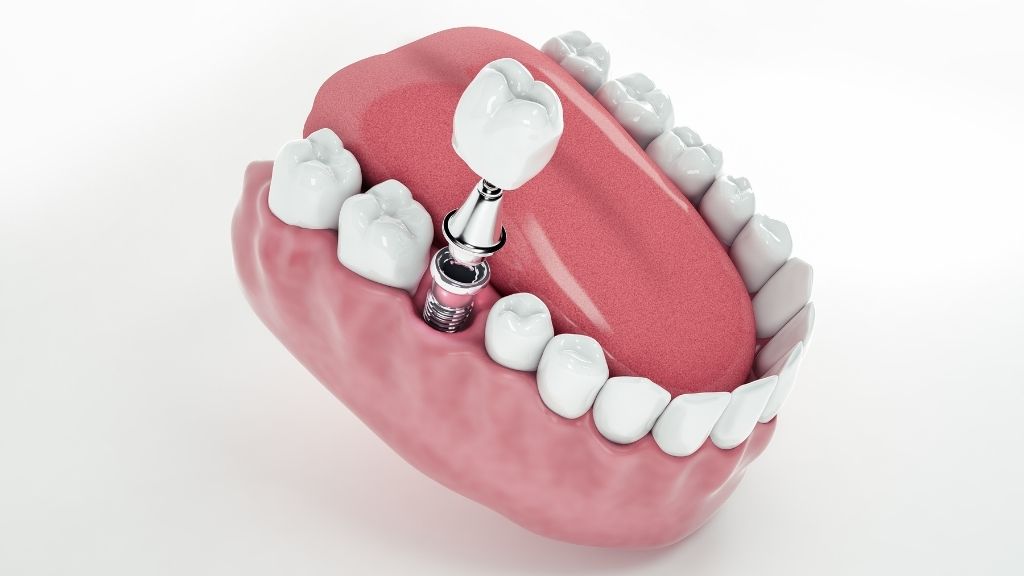
What Causes Implants to Turn Yellow?
Prosthetic materials that will create the anatomical body of the tooth are placed on titanium roots as a result of jaw surgery procedures applied to compensate for tooth deficiencies. Structures made of zirconium or medical porcelain prepared in a laboratory environment are designed to create an illusion compatible with natural human teeth in terms of color and form. The question of whether these superstructures, which play a major role in individuals’ social interactions and aesthetic of smiles, will maintain their colors over the years is among the most sought-after medical details by patients.
What Causes Color Change in Implants?
Prosthetic structures (zirconium, e-max, metal-supported porcelain) applied in dental practice are composed of inorganic materials. Our natural teeth contain thousands of tiny pores and tubules called “dentin tubules” at the microscopic level. This porous organic structure absorbs the color pigments present in consumed foods over time, leading to a persistent yellowing that starts from the inner layers of the tooth. However, prosthetic teeth produced in the laboratory do not have such tubular (porous) structures.
The surface of prosthetic teeth is coated with a special glaze layer, referred to as “glaze,” at the end of the aesthetic firing stage. Fired at temperatures reaching one thousand degrees Celsius, this glaze transforms the tooth surface into a smooth and glass-like form. Just as a cup of tea does not change the color of a glass it is placed in due to physiological principles, coloring agents cannot penetrate the intrinsic structure of the prosthetic tooth. Therefore, yellowing (intrinsic staining) is not expected in the molecular structure of the implant-supported prosthesis.
What is the Medical Source of Stains Observed on the Prosthetic Surface?
In investigations related to complaints from patients visiting clinics about their “artificial tooth being yellowed,” doctors often find that the yellowing is not due to the tooth itself but a mineralized plaque layer covering it. The plaque in the oral cavity is rich in calcium and phosphate ions. In cases where daily mechanical cleaning is insufficient, food residues and bacteria cling to the prosthetic surface as a sticky film.
If this biofilm layer is not cleaned within twenty-four hours, it begins to harden (forming calculus). Hardened dental tartar has a porous structure and absorbs color pigments from the outside like a sponge. When residues from acidic and colored drinks consumed by the person settle on this porous surface, the prosthesis takes on a yellow or brown appearance from the outside. However, this staining (extrinsic staining) is completely superficial; it can be easily removed from the surface with professional clinical cleaning without harming the prosthesis.
What Are the Surface Characteristics of Restorations Applied in Avrupadent Clinics in İzmir?
One of the fundamental strategies in the prosthetic planning of institutional clinic structures is to select the optimum material not only in terms of aesthetics but also from the perspective of cellular compatibility (biocompatibility). Zirconium dioxide (ZrO2) based restorations offer mechanical toughness against mastication resistance and exhibit an excellent physiological compatibility with the tissue in modern dentistry.
- Surface Morphology: Prostheses produced using CAD/CAM (Computer-Aided Design/Manufacturing) technologies have a micron-level porosity. The more porous the surface, the more limited the mechanical adhesion of color pigments tends to be.
- Light Reflection (Translucency): Materials such as zirconium and e-max reflect light by allowing it to pass through themselves. This feature, similar to natural tooth enamel, limits the prosthetic’s matte or artificial appearance, providing a visual integrity with surrounding tissues.
- Gum Adaptation: Highly polished zirconium surfaces are easily adopted by the gum (gingiva). The porous surface helps limit plaque accumulation in the neck region, contributing to preventing gum recessions.
Do Toothpaste Used in Brushing Routines Affect Prosthetic Surfaces?
One of the most common mistakes made in daily oral hygiene practices is assuming that the hard chemical toothpastes preferred to make natural teeth appear whiter will have the same effect on artificial materials. Many commercial toothpastes that promise “instant whiteness” contain particles of silica or aluminum oxide that abrade the enamel to remove stains.
The mentioned abrasive effect causes the glossy and porous glaze layer to be gradually worn away when applied to fired porcelain surfaces. The damaged glaze layer results in a prosthesis having a more porous surface. This microscopically scratched base creates ideal recesses for the settlement of tea, coffee residues, and bacteria in the mouth. The main physiological factor behind the yellowing and stain retention of the prosthesis over time is this harmful tooth brushing habit.
Do Tobacco Products Cause Lasting Yellowing in Implant Prostheses?
The use of tobacco not only adversely affects the color of teeth but also creates a dual-directional aggressive effect on the health of the bone surrounding the implant and the gums. When it enters the oral cavity, the tar particles inside adhere directly to the tooth surfaces. If an individual does not brush regularly, this layer of tar combines with the calcium in the saliva to form a stain that is extremely hard and difficult to remove.
Doctors can completely remove these tobacco stains from the prosthesis using special polishing rubbers and abrasive cleaning powders (air-flow systems) in a clinical setting. However, smoking constricts the capillaries in the gums (vasoconstriction), weakening blood circulation in that area. The undernourished gum eventually recedes, revealing the gray-metallic neck part of the titanium root. Patients notice that not the tooth itself, but the aesthetics of this metallic reflection in the neck area is disrupted.
Does the Aging Effect on Natural Teeth Create Incompatibility with Prosthetics?
Meeting aesthetic expectations in dentistry relies on maintaining all structures in harmony within the mouth. When a patient undergoes treatment, the color of the artificial tooth to be produced is chosen based on the color of the existing natural teeth (using shade guides). When the prosthetic tooth is placed, a flawless color match is achieved.
However, the biological system is not static. Over a period of five to ten years, a person’s natural teeth change color as a part of the physiological aging process (they darken). Prosthetic material, on the other hand, remains fixed in a specific color code such as A1 or A2 on the day it is made due to its glass structure. The difference that arises is due to the changes in the natural teeth, not the prosthetic. In this case, instead of changing the prosthesis, the tone of the natural teeth can be lightened with peroxide-containing gels to match the color of the existing prosthesis.
What are the Chemical Effects of Nutritional Habits in the İzmir Region on Prosthetic Surfaces?
The oral environment is a biochemical battlefield between acids from foods and buffering enzymes in saliva. Although porcelain materials are quite resistant to acids, their ionic exchange in the polish layers can be affected when exposed to consistently low pH levels (acidic environment) over many years. This situation increases the surface porosity of the material at the micron level.
| Food / Beverage Group | Chemical and Surface Effect | Medical Protection Recommendation |
|---|---|---|
| Tea and Coffee (Tannin-containing) | Organic color pigments adhere to the plate, creating external yellow/brown stains. | Support for the flow of saliva after chewing, either by brushing the teeth or chewing sugar-free gum. |
| Citrus (Acidic Acids) | Reducing the environment’s pH can microscopically affect the mineral resistance of the enamel layer. | After chewing, avoid brushing immediately (to prevent a sanding effect) and rinse with water first. |
| Hard Shell Foods | Applying high mechanical pressure can cause small dislocations (cracks) in the corners of porcelain. | Carefully or thoroughly chewing hard foods to balance mechanical stress. |
Can Yellowed or Stained Implant Teeth be Whitened?
Clinical whitening procedures (bleaching) work on the principle of free oxygen radicals penetrating the micro cracks in the enamel, breaking down the carbon bonds that cause yellowing. So, the process is entirely a chemical reaction aimed at organic materials. However, laboratory-produced prosthetics are made of inorganic crystals; they do not have structures that allow oxygen radicals to penetrate.
When a patient applies whitening gel to a prosthetic tooth or undergoes an office-type whitening session, while the color of the natural teeth in the mouth lightens by two to three shades, the color of the artificial crown remains unchanged according to the code at the time of production. This medical reality is perceived by patients as ‘my implant did not whiten,’ but it is actually a physiological condition arising from the biochemical nature of the material. If a change in color is desired, it is planned to clean the stains on the surface by the physician or, in extreme cases, to remake the porcelain structure.
How Do Mouth Rinses and Interdental Brushes Function in Color Protection?
The general capability of brushing teeth to remove stains is high; however, the contact points of the prosthetics (areas in contact with the neighbor tooth) and the regions where they sit on the gums are anatomically blind spots. These areas, where liquids and food debris cling the most, are hidden cavities where discoloration begins.
Mouth rinses remove stubborn microbial plaque by creating pressure water waves (turbulences) to flush away these narrow spaces. Interdental brushes that are determined according to ISO standards create a physical suction by entering the horizontal gaps (embrasures) between the prosthetic and the gum. The regular organization of plaque with these tools prevents it from turning into sturdy tartar (calculus) that retains color, by combining with mineral remnants.
Why Does Annual Clinical Care Matter in Avrupadent Procedures?
Long-term clinical maintenance is an integral core of jaw surgery and prosthetic applications. The approach of “Surgery is over, the procedure is complete” is inconsistent with the biological principles of dentistry. Regardless of how well an individual maintains oral hygiene, the mechanical abrasion from the foods we eat can gradually wear down the initial gloss of the porcelain surface.
- Mechanical Cleaning: Using non-abrasive carbon, plastic, or Teflon instruments that do not damage titanium surfaces, the fine dental stones accumulated on the edges of prosthetics are removed.
- Surface Smoothing: Special fluorine-containing and diamond particle polishing pastes are applied to the prosthetic surface with soft brushes attached to the aerator tip to remove microscopic pores.
- Contact Check: The contact points of the tooth against the opposite jaw are checked with articulation sheets. Local stress areas that may lead to excessive abrasion are eliminated, and the surface is resealed.
Is Peri-implantitis (Surrounding Tissue Inflammation) Related to Color Change?
In clinical evaluations, dentists do not view the yellowing of the tooth color or brown lines in the neck region as isolated stains. The presence of that stain is the most concrete physiological evidence that the patient is unable to brush that area or that their hygiene routine is insufficient at that point. Where there is a biofilm (plaque) layer, there is always bacterial activity.
When plaque accumulates on natural teeth, the gums bleed to provide a “warning.” However, the mucosa around titanium shows a different reaction because it lacks natural periodontal fibers. Bacteria directly reach the jawbone, causing the destruction of the cells there. As a result; while staining disturbs aesthetics, the microbial focus causing the stain undermines the biomechanical foundation of the jawbone. For this reason, surface yellowing or dulling is considered a medical early warning system for clinicians.