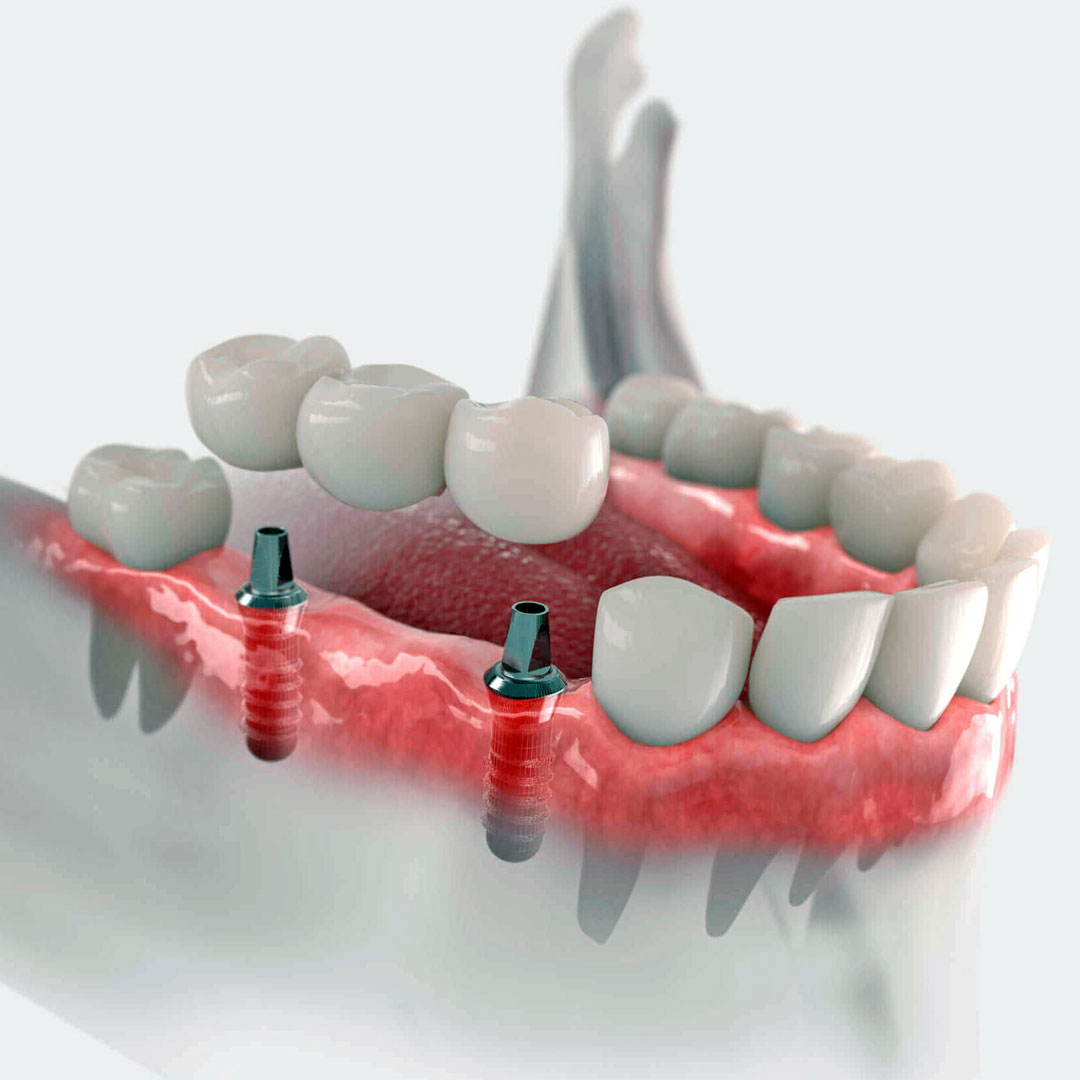
Is a single implant sufficient for the deficiency of two teeth in İzmir?
Titanium artificial root applications placed in the jawbone for the purpose of compensating for tooth deficiencies are advanced medical procedures that ensure the physiological distribution of chewing forces in the oral cavity to the jawbone. In anatomical charts where two adjacent teeth are lost from the natural tooth arrangement, one of the fundamental research topics in clinical planning processes is whether it is necessary to place a separate titanium screw for each missing tooth root.
Is a Single Implant Sufficient for the Deficiency of Two Teeth and How Is This Evaluated from a Biomechanical Perspective?
In dental practice, the concept of “biomechanics” expresses the cellular resistance that the artificial material implanted and the surrounding bone will show against the kilograms of pressure exerted by the jaw muscles. The force generated by a person’s jaw closure is relatively low in the anterior (incisor) teeth but reaches very high levels in the posterior molar regions. Concentration of this force on a single point can create destructive stress on the system.
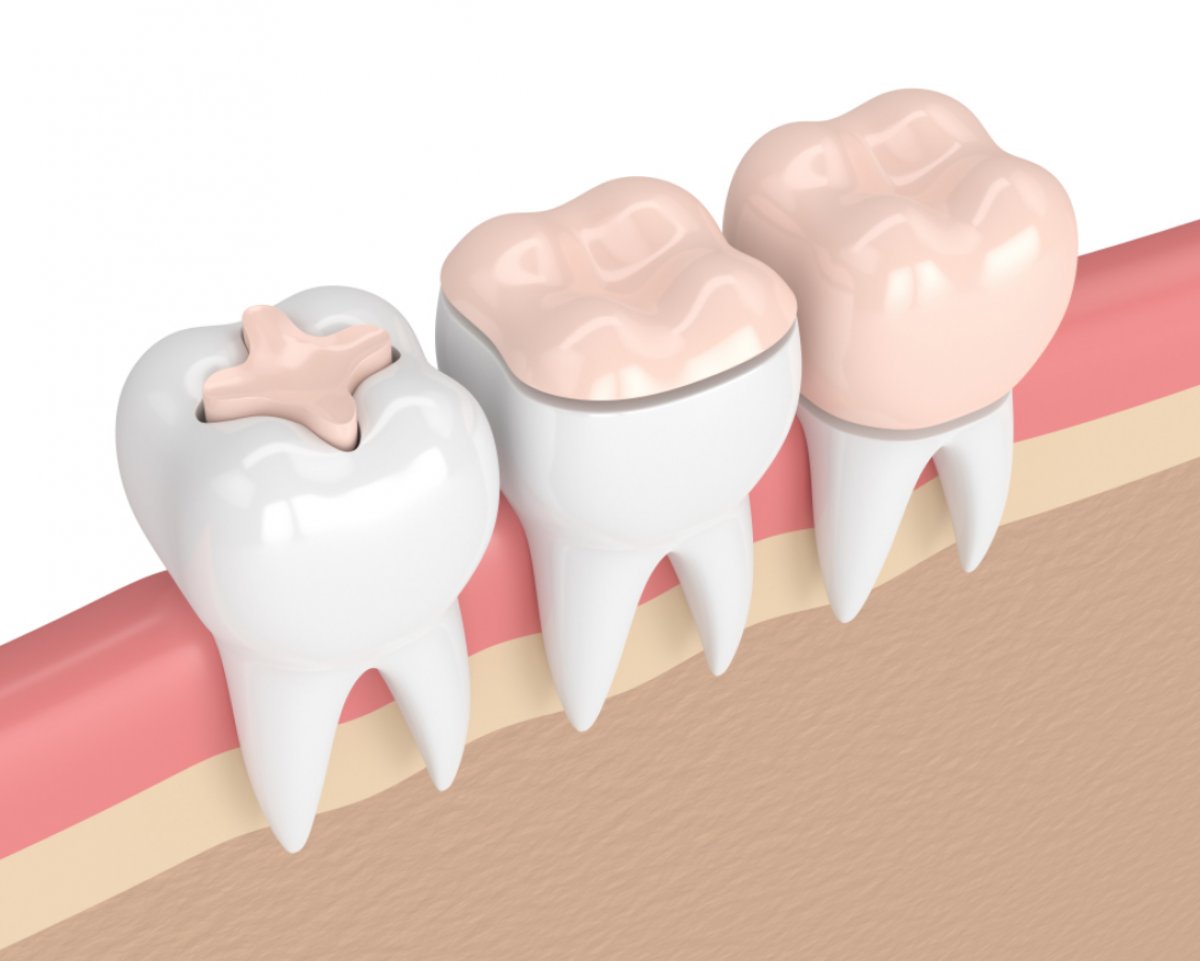
In a deficient dentition, when a single titanium screw is placed in a gap, a dual structure made of porcelain or zirconium prepared in a laboratory is attached to this screw. One end of this structure rests on top of the screw while the other end (the body part) remains suspended in the air and rests against the gum tissue. This design, known in the medical literature as “cantilever bridge” or “winged prosthesis,” is based on the principle of one abutment supporting the load of two different units of a single supporting limb. If the diameter of the supporting limb is sufficiently thick and there is no excessive chewing load on the suspended part, this physiological system can provide stable service for many years.
Does a Single Titanium Root Have the Strength to Support Two Prosthetic Teeth?
Titanium alloys with Grade 4 or Grade 5 purity used in medical implantology are produced through industrially challenging pressure tests. The material itself breaking or fracturing under the chewing forces within the mouth is an extremely rare occurrence. The main medical assessment point is not about the strength of titanium, but how the surrounding jawbone (alveolar bone) will tolerate this extra load.
When doctors plan to carry two teeth with a single root, they prefer thicker materials (4.5 mm or 5.0 mm) with a larger surface area instead of standard size (for example, 3.5 mm). Increasing the diameter of the screw enhances the surface area in contact with the bone (Bone-to-Implant Contact – BIC) asymmetrically. The increase in surface area reduces the stress per unit applied to the bone tissue during chewing and improves the structural resistance of the system.
What Prosthetic Plans Are Made for Two Adjacent Tooth Losses at Avrupadent Clinics in Izmir?
The multidisciplinary approach adopted by institutional clinical structures aims to plan the treatment to be offered to the patient within the body’s physiological limits, without pushing anatomical boundaries. The decision on how many screws will be placed in a gap is made by looking at the internal architecture of the bone rather than just the externally measured millimeter width of that gap.
- Gap Distance (Mesiodistal Area): If the total width of the gap where two teeth are missing is more than 14-15 millimeters, it is biologically possible to place two thin diameter screws. However, if the gap is around 11-12 millimeters, using a single wider screw becomes a more stable option from a medical perspective since the two screws will be very close to each other.
- Distance Between Implants: There must be at least a 3-millimeter healthy bone wall remaining between the two placed titanium implants. If this distance cannot be maintained, the bone tissue between them will be at risk of resorption over time due to lack of blood supply. In such narrow areas, a single screw application protects the health of the tissue.
- Opposing Jaw Contact: If there is no strong occlusal contact in the area corresponding to the tooth that will be left in the air, the long-term performance of the single screw system is positively supported.
In Which Anatomical Conditions is Body Tooth (Cantilever Prosthesis) Application Preferred?
Respect for tissue (minimal invasive approach) is the key to long-term medical success in dentistry. Some regions in jaw anatomy, especially areas where the lower anterior incisors or the upper lateral incisors are found, are structurally very narrow. Attempting to place two screws in the bone of a patient who has lost two adjacent teeth in these narrow areas poses a risk of the screws colliding with each other and neighboring natural tooth roots.
In such restricted areas, doctors select the spot where the densest bone is located and position a single healthy titanium root. After the biological integration (osteointegration) is completed over a few months, a restoration prepared in a laboratory setting and extended with a body tooth is attached to this single root. This way, both the roots of neighboring teeth are preserved, and the surgical area is not subjected to unnecessary trauma (extra bone cuts).
Is Using a Single Material for Anterior Region Incisor Deficiencies Aesthetically Appropriate?
Gum aesthetics are not only about the color of porcelain; the healthy and triangular-shaped gum tissue (papilla) that fills the space between the teeth is the most important determinant of naturalness. When two titanium materials are placed side by side on the jawbone, the bone ridge (crest) remaining between them biologically shows some flattening tendency. As the bone flattens, the gum tissue covering it also descends and flattens, creating unsightly dark (black) triangles between the two prosthetic teeth.
Especially in cases where anterior upper incisors and lateral incisors are lost side by side, doctors plan to overcome this aesthetic challenge by placing a single titanium screw and extending the missing tooth with a zirconium bridge body. The lower part of the bridge tooth (pontic area) is designed in an egg shape (ovate pontic) to apply slight pressure on the gum tissue. This design directs the gum tissue, creating a perfect illusion of “pink aesthetics” as if a natural tooth were emerging from there.
How is the Force Distribution Managed in the Loss of Two Teeth in the Back Molar Area?
The force distribution in oral anatomy shows radically different regional characteristics. While the front teeth serve only the function of cutting and tearing food, the back molars are responsible for grinding food. When the chewing muscles (masseter and temporal muscles) contract, the vertical and horizontal forces exerted on the back areas reach the highest pressure values of human anatomy.
| Anatomical Region | Chewing Force (Stress Level) | Preferred Clinical Approach |
|---|---|---|
| Anterior Incisor (Anteriors) | Low – Moderate (Cutting function) | Single material winged (cantilever) bridge applications are suitable for aesthetic protective purposes. |
| Small Molar (Premolar) Region | Moderate (Crushing function) | If the bone distance is narrow, thick single material two-stage restorations can be tolerated. |
| Large Molar (Molar) Region | Very High (Grinding function) | It is medically targeted to place one material (a total of two) in each gap whenever possible to prevent the lever effect. |
If a single root is placed for two missing teeth in the back area and an extension (wing) is made alongside it, when pressure is applied to the tooth suspended in the air, it creates a force that acts like a “lever” causing the supporting screw to attempt to embed within the bone. These embedding moments can lead to the melting of the bone in the neck region of the screw or loosening and breaking of the internal screw holding the prosthesis. Therefore, the discipline of jaw surgery aims to adhere to the principle of “one tooth, one root” in the back regions.
How Does the Volume Insufficiency of the Jawbone Affect the Number of Titanium Materials?
As time passes over tooth losses, the jawbone begins to resorb (melt) due to lack of mechanical stimuli. A part of one gap may have melted while the other part still retains its volume. For two titanium roots to be placed, both areas need to possess a healthy bone width (at least 6-7 mm).
Attempting to forcibly place a material into the melted area may lead to either titanium remaining exposed or damage to anatomical voids such as nerves/sinus. Instead of adding bone powder to this area and waiting for a maturation phase lasting months; placing a single thick material at the point where the bone remains healthy and only extending the porcelain abutment over the melted part saves time for the patient. By minimizing surgical trauma, the biological repair process can be managed more comfortably.
What is the Physiological Reflection of Using a Single Material Instead of Two Materials on the Jawbone?
Every surgical intervention on the body initiates a local stress and inflammation (repair) cycle in the organism. During the opening of the socket in the jawbone, the microscopic capillaries in that area become disrupted. When two sockets are opened, the thin bone bridge remaining between the two sockets may struggle to receive nourishment. Bone that cannot obtain nourishment may face the risk of necrosis (cell death) and can erode over time.
Opening a single socket in anatomically narrow areas means that the intra-bone vascular structures suffer less damage. The continuation of blood flow allows for more oxygen and repair cells (osteoblasts, fibroblasts) to be transported to the area. When the vascular quality of the bone is high, cellular integration (osseointegration) is completed in a much more reliable and stable manner.
What are the Biomechanical Risk Factors in Cantilever Bridge Designs?
The laws of physics apply directly in the clinics of dentistry. When pressure is applied to the long end of a seesaw supported on one side, a significant compressive force is created at the support point. In winged prosthetics, when a hard morsel contacts the tooth suspended in the air, the pressure created by that morsel is transmitted as horizontal stress to the neck region of the titanium screw.
- Limitation of Wing Length: The size of the tooth that will be suspended in the air is designed to be narrower than a normal tooth (approximately the size of a small molar), shortening the lever arm.
- Occlusal Adjustment (Bite Adjustment): In the area corresponding to the winged region, when the patient closes their jaw, this tooth will touch the opposing tooth less than normal (or almost zero), specifically designed for that purpose. The heavy chewing force is directed onto the main supporting foot.
- Screw (Abutment) Selection: The connecting piece (abutment) that links the prosthesis to titanium is selected from high-strength and mechanically resistant materials, supporting the prevention of screw loosenings.
How Should the Care and Clinical Management of Prosthetics After Surgery Be Maintained?
The treatment process does not end with the placement of the restoration; the real biological process begins in the subsequent maintenance phase. In flap prosthesis designs, the original tooth’s lower surface will either lightly touch the gum tissue (in an egg shape) or will be shaped to leave a thin gap in between. This design is aesthetically successful but creates an anatomical niche for food particles to seep through.
Food debris combined with saliva turns into bacterial plaque (biofilm) within twenty-four hours. If the patient does not mechanically flush this plaque daily using interdental threads (passing underneath the prosthesis), bacteria will attack the gum tissue around the titanium root, causing bleeding and bone resorption. The pulsating water waves from oral irrigators significantly contribute to clinical maintenance by oxygenating these substructures and slowing the colonization of harmful (anaerobic) bacteria.
Why is 3D Tomography (CBCT) Important in Determining the Number of Titanium Roots?
In clinical organizations with modern technological infrastructure like Avrupadent, no intervention directed at the jawbone is built on estimations. While evaluations made by eye or with traditional films might show sufficient bone, situations may arise where the bone is as thin as the back of a knife when the flap (gum tissue) is opened. Preventing such surprises is the fundamental function of medical technology.
When tomographic data is transferred to digital software, the physician outlines the missing teeth in the virtual environment and places titanium materials beneath these teeth. If the distance between the screws falls below 3 millimeters or if part of the screw extends outside the bone when two materials are placed, the system alerts the physician. Thanks to this digital simulation, the decision to abandon the desire to place two screws and plan a more stable outcome with a single screw + winged bridge can be made days before the operation at the table.
How Does the Use of All Products Affect the Healing Period in Treatments for Multiple Tooth Loss?
The acceptance of an artificial material by the organism and its encapsulation with living tissue depends on the presence of newly drawn capillary networks (angiogenesis) in that area. The blood circulation in the mucosa of smoking individuals is seriously disrupted. When a socket is opened in the jawbone, the fibroblasts (wound-healing cells) produced by the body to heal that socket become incapable of synthesizing collagen under the pressure of cigarette chemicals.
It is essential for titanium roots, applied particularly in narrow bone areas or those that will have extra load (winged prosthesis) placed on them, to be closely wrapped at the ideal level by bone cells. When the tissue continues to degenerate, weak connective tissue cells wrap around the screw instead of bone cells, leading to a loss of material stability. Oral surgeons report that limiting this degeneration weeks before the operation is a medical necessity for the long-term clinical durability of the patients.