Who Can Get Izmir Dental Implants?
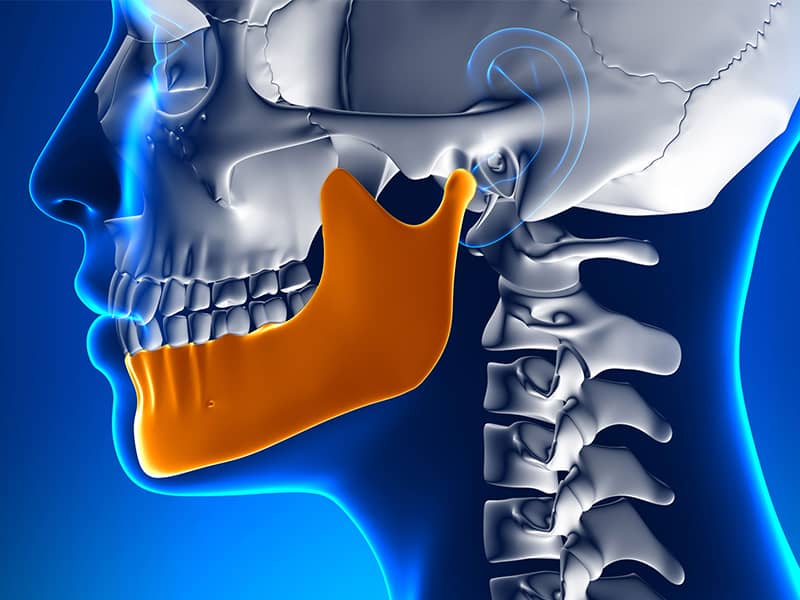
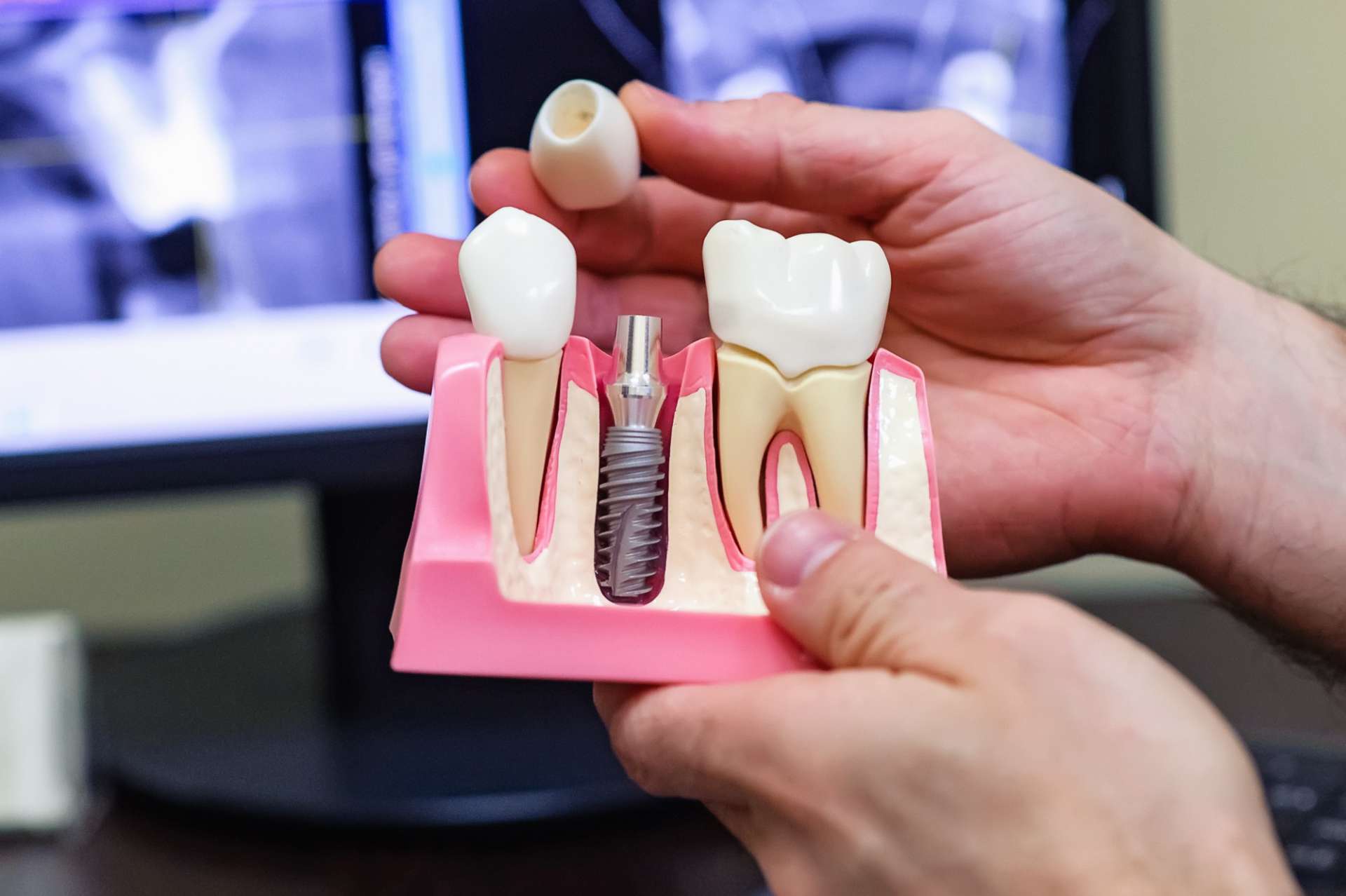
Tooth loss in human anatomy brings about extensive physiological impairments such as disruption of chewing function, progressive volume loss (resorption) in the jawbone, and asymmetric stress exposure in the temporomandibular joint biomechanics. Titanium artificial roots placed in the jawbone to compensate for these tissue deficiencies are advanced medical engineering products capable of establishing cellular-level integration with the biological environment.
Who Can Benefit from Izmir Dental Implant Procedures and What Are the Basic Medical Criteria?
In dental practice, the integration of an inorganic material placed into the jawbone by the body as an organ requires the connective system and cellular repair capacity to work in an organized manner. The extraction of the general health profile of the candidate for treatment (taking a medical history) is the first medical threshold that determines the operability of the surgical procedure. Whether the individual is missing only one tooth or has lost all their teeth does not change the fundamental principles of surgical suitability.
In order to plan a surgical procedure, it is important to ensure that there is no active inflammatory reaction or advanced periodontal disease in the oral flora of the patient, particularly in the neighboring areas of the site where the procedure will be performed. Placing a titanium screw in an environment where pathogenic bacteria are present may lead to the screw becoming infected shortly after placement, preventing it from integrating with the bone. Additionally, the candidate’s bone structure is analyzed radiologically, calculating that there will be insufficient living bone wall thickness of at least 1.5 – 2 millimeters around the material. Candidates with insufficient bone volume are not rejected; however, these individuals are primarily subjected to augmentation with bone graft (augmentation) to medically increase tissue volume to adequate levels before proceeding with the actual procedure.
Can Dental Implants Be Placed in Individuals with Systemic Diseases?
The organism is a whole, and every surgical incision made in the jawbone triggers cellular responses in a wide range from the circulatory system to the immune system. In uncontrolled type 2 diabetes patients, the high glucose levels circulating in the blood disrupt protein synthesis, slowing the closure of the wound and the formation of new capillaries (angiogenesis). This situation may lead to the formation of weak connective tissue instead of bone cells around the titanium.
| Systemic Disease Type | Effect on Surgical Process | Medical Approach and Precautions |
|---|---|---|
| Diabetes (Sugar Disease) | Cellular repair is delayed, and susceptibility to infection increases. | Before the operation, the HbA1c (average sugar level for the last 3 months) value should be brought to medical limits, and prophylactic (preventive) antibiotics should be used. |
| Hypertension (High Blood Pressure) | Surgical stress and local anesthetic agents may cause fluctuations in blood pressure. | Choosing anesthesia without adrenaline (non-vasoconstrictive) and ensuring stress control. |
| Cardiovascular Diseases | Anticoagulants (blood thinners) used may increase bleeding during the operation. | Adjusting the doses of anticoagulants in consultation with a cardiologist before the procedure. |
Are Titanium Root Applications Suitable for Seniors?
There is a widespread and unfounded perception that cellular aging in society completely hinders orthopedic surgery. However, human bone retains the capacity to remodel itself at every stage of life. Elderly individuals, who have been edentulous for decades or have been subjected to the trauma caused by movable dental prostheses, are the group most affected by jawbone resorption. Restoring a healthy chewing function for these individuals is crucial for the protection of their gastrointestinal (stomach-intestinal) systems.
The clinical approach of physicians towards elderly patients focuses on relaxing the repair schedule and minimizing surgical stress. Instead of long-lasting extensive surgical incisions, techniques that respect the tissue (minimal invasive) or systems like All-on-4, where the number of titanium implants is limited, are planned to constrain the physiological fatigue imposed on the body. Older individuals who do not exceed medical limits can use these systems as biomechanical support to enhance their quality of life for decades.
Can Dental Implants be Placed in Patients with Osteoporosis in Izmir?
Osteoporosis is a condition where bones lose their calcium density, leading to a more porous and fragile structure. However, the deterioration within the skeletal system (for instance, weakening in the femur or spine) does not always affect the jawbone to the same extent. The jawbone tends to maintain its density longer compared to other areas of the body due to the continuous activity of the chewing muscles. When radiological 3D scans show that the jawbone structure is suitable for surgical intervention, it does not pose a direct obstacle to the treatment of a patient with osteoporosis.
Bisphosphonate Use and Jawbone Reaction:
For physicians treating patients with osteoporosis, the main concern is not the disease itself but the medications in the “Bisphosphonate” group used for treatment. These drugs strengthen the bones by stopping the activity of the cells that break down bone (osteoclasts). However, when a surgical incision is made in the bone, it is necessary for the old cells in that area to be destroyed and replaced with new ones (remodeling) for the bone to heal. Due to the drug’s effect, if the breakdown stops, the bone cannot renew itself, and an open wound may lead to a serious complication known as “jawbone necrosis” (cell death). In medications administered orally at low doses, this risk is very limited, but it increases with high doses administered intravenously. Therefore, surgical planning is shaped based on the observations of the physician who prescribes the medication.
What Biological Criteria Are Expected for Dental Implants in Young Individuals?
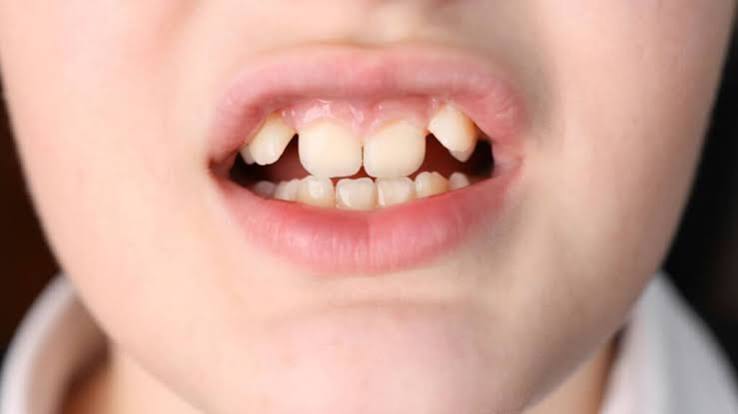
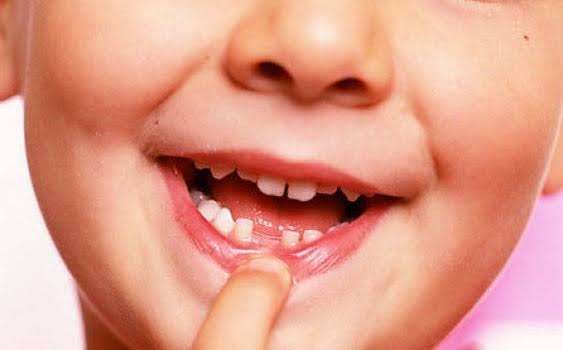
The human skeleton continues to grow and expand in three dimensions until the growth plates (epiphyseal plates) close. Natural teeth adapt to this growth pattern of the jawbone thanks to the surrounding flexible connective tissue (periodontal ligament) fibers. In young individuals, natural teeth also move along with the jawbone, maintaining their positions in the occlusal (biting) plane.
In contrast, titanium artificial roots used in jaw surgery directly bond with bone cells (ankylosis), with no connective tissue in between to provide flexibility. When this procedure is performed on a growing individual, while the jawbone continues to grow in the following years, the titanium root remains fixed in the initial installed coordinate. As a result, the artificial tooth remains above the level of neighboring teeth (embedded) and creates difficult aesthetic/functional asymmetries at the margins of the gum line. Doctors manage young patients with temporary prosthetic (winged bridge, clear plate, etc.) methods until they confirm growth has finished with hand-wrist radiographs or cephalometric analyses.
Can Individuals Who Use Tobacco Products Get Dental Implants?
The repair of a surgical incision and the incorporation of an inorganic material into the bone requires new capillary networks (angiogenesis) to form, which can be facilitated by living cells. Carbon monoxide, which mixes with the blood from cigarette smoke, replaces oxygen and causes cellular dysfunction. Cells involved in closing the wound (fibroblasts) and bone-forming cells (osteoblasts) cannot perform their functions at normal rates when deprived of oxygen.
Moreover, due to the vasoconstrictive effect of nicotine, individuals who use tobacco do not exhibit bleeding signals even if their gums become inflamed. The misconception that a patient’s oral hygiene is adequate prepares the ground for bacteria to penetrate the bone over time and initiates bone loss (peri-implantitis) around the titanium root. In complex cases where advanced surgical bone graft applications are planned, the continuation of tobacco use will block the integration of the added grafts into living tissue, prompting physicians to adhere more closely to stricter medical protocols for the treatment schedule of these patients.
How Do Patient Evaluation Processes Work Within Avrupadent in Izmir Location?
The success rate of a medical intervention is directly proportional to the quality of the analytical planning done before the operation begins. Determining whether a patient is suitable for titanium root treatment is not a superficial assessment that can be made just by looking into the mouth or examining two-dimensional panoramic films. Although two-dimensional films show the height of the bone, they conceal the thickness of the bone from the buccal-lingual aspect.
In corporate organizations, the process deepens with the transfer of the hospital’s volumetric (volumetric) radiological data to digital software. The physician committees objectively measure the regions where the sinus cavities sag on the computer screen, the route of the nerve canals in the lower jaw, and the degree of bone density (Hounsfield Unit). By evaluating the systemic health status of the hospital and the bone capacity, a report is provided to the patient detailing whether a standard procedure or advanced surgery (bone expansion) is required.
Can Dental Implant Operations Be Performed During Pregnancy?During pregnancy, elective surgical procedures such as titanium root applications that do not require emergency intervention are postponed by medical authorities. The medical risks that local anesthetics to be used during the procedure, as well as antibiotics and analgesics (pain relievers) to be administered post-operation, may pose on embryo development, and the restrictions of radiological diagnostic tools (X-rays) during pregnancy necessitate that the surgical schedule be deferred until after childbirth.
During pregnancy, human metabolism and hormone profiles (estrogen, progesterone) undergo radical changes. These hormonal fluctuations intensify the inflammatory reaction that gum tissue exhibits against bacteria (pregnancy gingivitis). During this biological period when the gums are highly prone to bleeding and swelling, making a surgical incision on the jawbone forces cellular repair.Beyond this, the fundamental medical barrier is the limitations in diagnosis and maintenance procedures. It is essential to perform three-dimensional X-rays to properly place the titanium material into the bone; however, except in mandatory situations to protect the baby from radiation during pregnancy, radiological examinations are not performed. Additionally, since the prolonged duration spent in the operating chair and the surgical stress may cause physiological fatigue in the pregnant candidate, if there is no trauma condition that completely disrupts the digestion function, these procedures are postponed until the postpartum period.
Can Dental Implants Be Applied to Patients Undergoing Cancer Treatment (Radiotherapy/Chemotherapy)?
Surgical procedures for jaw surgery are not performed because patients actively undergoing chemotherapy or radiotherapy in the head and neck area have suppressed immune systems and reduced tissue vascularization. In patients who have completed their cancer treatment, controlled surgeries can be planned when the bone repair capacity is verified with medical tests, usually in conjunction with the consultation of an oncology specialist and generally years after the completion of radiotherapy.Oncological treatment protocols target rapidly dividing cells in the body. In this process, not only tumor cells but also health cells responsible for repairing the oral mucosa and bone tissue are damaged. Especially radiotherapy applied to the head and neck region (in areas close to the jaw bones) permanently weakens the vascularization of that area by narrowing the capillaries within the bone.
Insufficient healing of the jawbone leading to necrosis, a severe complication risk that can result in the entire bone tissue dying and requires surgical opening. Therefore, in individuals with a history of radiotherapy, surgical procedures can only be considered after a long healing period (typically 1-2 years or more), with medical approval from the relevant physician confirming adequate tissue nourishment.
Can Individuals with Insufficient Jawbone Benefit from This Treatment?
Individuals who have lost vertical or horizontal volume due to many years of being toothless (atrophy) can become suitable anatomical candidates for titanium root therapies through bone augmentation (addition of bone powder) and advanced surgical techniques like sinus lifting, which are performed using tissue engineering methods.The alveolar jawbone, deprived of mechanical stimulation during the process following tooth extraction, is physiologically reabsorbed and thinned due to being non-functional. When there is no minimum bone wall surrounding the titanium material, surgeons reconstruct this bone through external intervention. The common perception among patients that “my jawbone is too melted, no procedure can be done on me” is a misconception that arises when the regenerative capacities offered by modern medicine are ignored.
In such anatomical constrictions, sterile biomaterials containing calcium phosphate (grafts) are applied to the thin area and covered with collagen membranes, allowing the body’s repair process to take over. As a result of an average cellular maturation cycle lasting six months, the body vascularizes these inorganic powders, transforming them into living and hard human bone. This newly created and extensive biological area fully meets the ideal ground conditions required for the positioning of artificial roots.
How Do Oral Hygiene Habits Affect Dental Implant Candidates?
When an individual’s daily oral hygiene habits are insufficient and there is a significant buildup of dental calculus in the oral flora, along with chronic gum infections, these factors pose a direct threat to the success of surgery, negatively impacting the candidate process. Since the long-term maintenance of titanium materials depends on meticulous microbial cleaning, dentists consider stabilizing the patient’s oral flora through treatment before making surgical decisions as a medical prerequisite.If an individual’s tooth loss is due to decay or gum disease, the new artificial materials to be placed in the jawbone will inevitably face the same bacterial destruction as long as poor hygiene habits continue.
The bacterial plaque that accumulates between the gum and the titanium material, due to inadequate brushing, can lead to bone resorption (peri-implantitis) over time. Therefore, the patient’s plaque index is measured before surgery. In advanced inflammation cases, periodontal specialists first intervene to perform deep tissue cleaning (curettage) and stop the bleeding of tissues. Transitioning to the surgical phase without the patient having adopted special brushing and clean-up routines (without the patient adhering to this medical discipline) is viewed as a major mistake that shortens the lifespan of the medical investment.
During pregnancy, human metabolism and hormone profiles (estrogen, progesterone) undergo radical changes. These hormonal fluctuations intensify the inflammatory reaction that gum tissue exhibits against bacteria (pregnancy gingivitis). During this biological period when the gums are highly prone to bleeding and swelling, making a surgical incision on the jawbone forces cellular repair.
Beyond this, the fundamental medical barrier is the limitations in diagnosis and maintenance procedures. It is essential to perform three-dimensional X-rays to properly place the titanium material into the bone; however, except in mandatory situations to protect the baby from radiation during pregnancy, radiological examinations are not performed. Additionally, since the prolonged duration spent in the operating chair and the surgical stress may cause physiological fatigue in the pregnant candidate, if there is no trauma condition that completely disrupts the digestion function, these procedures are postponed until the postpartum period.
Can Dental Implants Be Applied to Patients Undergoing Cancer Treatment (Radiotherapy/Chemotherapy)?
Oncological treatment protocols target rapidly dividing cells in the body. In this process, not only tumor cells but also health cells responsible for repairing the oral mucosa and bone tissue are damaged. Especially radiotherapy applied to the head and neck region (in areas close to the jaw bones) permanently weakens the vascularization of that area by narrowing the capillaries within the bone.
Insufficient healing of the jawbone leading to necrosis, a severe complication risk that can result in the entire bone tissue dying and requires surgical opening. Therefore, in individuals with a history of radiotherapy, surgical procedures can only be considered after a long healing period (typically 1-2 years or more), with medical approval from the relevant physician confirming adequate tissue nourishment.
Can Individuals with Insufficient Jawbone Benefit from This Treatment?
The alveolar jawbone, deprived of mechanical stimulation during the process following tooth extraction, is physiologically reabsorbed and thinned due to being non-functional. When there is no minimum bone wall surrounding the titanium material, surgeons reconstruct this bone through external intervention. The common perception among patients that “my jawbone is too melted, no procedure can be done on me” is a misconception that arises when the regenerative capacities offered by modern medicine are ignored.
In such anatomical constrictions, sterile biomaterials containing calcium phosphate (grafts) are applied to the thin area and covered with collagen membranes, allowing the body’s repair process to take over. As a result of an average cellular maturation cycle lasting six months, the body vascularizes these inorganic powders, transforming them into living and hard human bone. This newly created and extensive biological area fully meets the ideal ground conditions required for the positioning of artificial roots.
How Do Oral Hygiene Habits Affect Dental Implant Candidates?
If an individual’s tooth loss is due to decay or gum disease, the new artificial materials to be placed in the jawbone will inevitably face the same bacterial destruction as long as poor hygiene habits continue.
The bacterial plaque that accumulates between the gum and the titanium material, due to inadequate brushing, can lead to bone resorption (peri-implantitis) over time. Therefore, the patient’s plaque index is measured before surgery. In advanced inflammation cases, periodontal specialists first intervene to perform deep tissue cleaning (curettage) and stop the bleeding of tissues. Transitioning to the surgical phase without the patient having adopted special brushing and clean-up routines (without the patient adhering to this medical discipline) is viewed as a major mistake that shortens the lifespan of the medical investment.